
- Home
- Interest points
- Museum of the City of Carmona
Info
The Museum of the City of Carmona offers a journey through the history of the town, from the first settlements in the Palaeolithic period to medieval times, with an outstanding collection of archaeological remains and works of art. Housed in the Casa Palacio del Marqués de las Torres, the building is an example of 16th and 18th century Sevillian architecture.
Know more
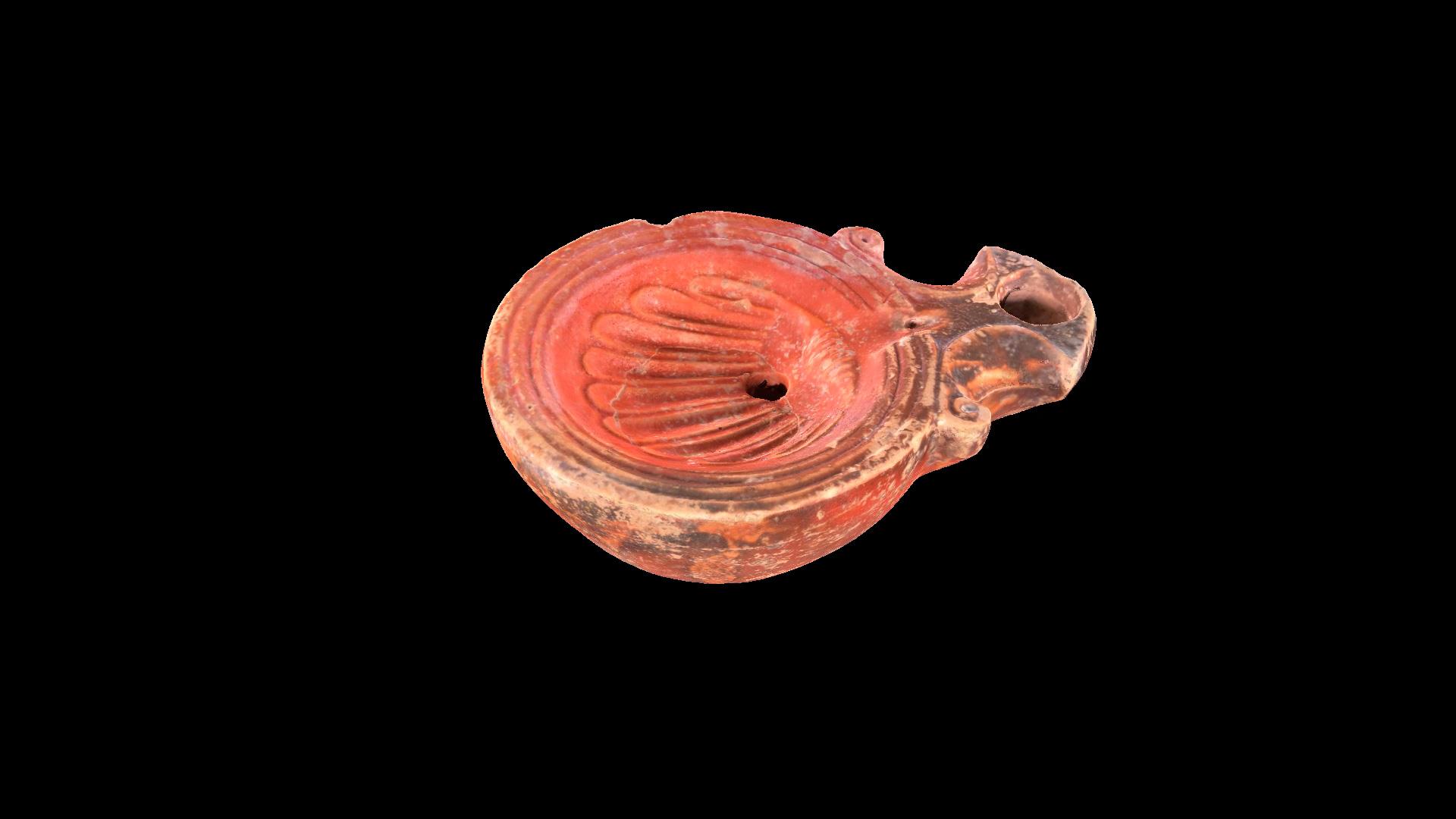
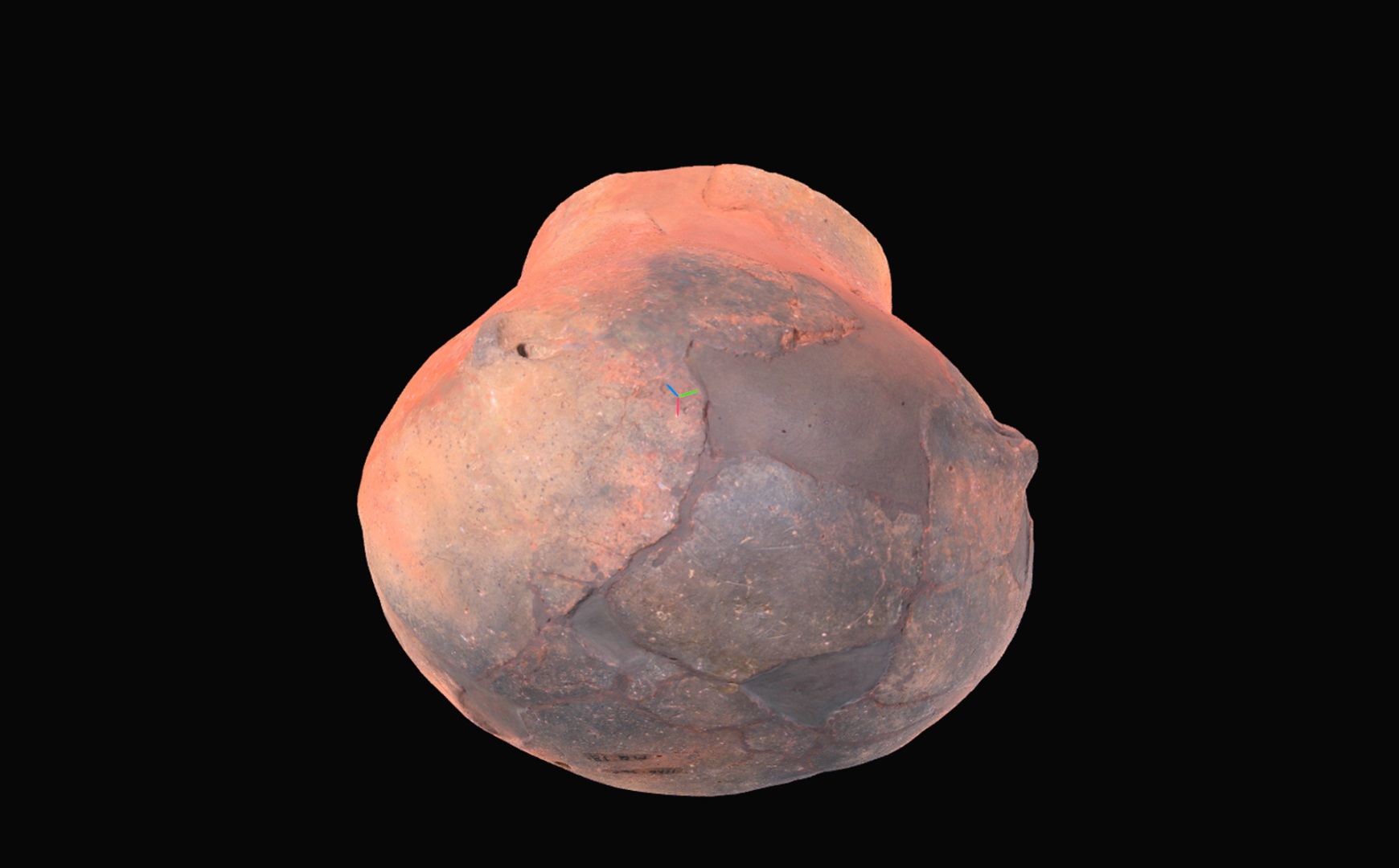
The Museum of the City of Carmona, located in the Casa Palacio of the Marquis of las Torres, offers a journey through the city's history, from the origins of civilisation to the present day. Visitors can immerse themselves in a trip through the most important periods of Carmona’s history, thanks to its extensive collection of archaeological remains. The most outstanding pieces include objects from the Paleolithic, Chalcolithic, and the Tartessian and Roman periods, with the famous Saltillo Vases being highlights of Tartessian culture.
The building itself is an architectural gem. Built in the 16th century and renovated in the 18th century, the palace reflects the splendour of Seville’s architecture from that period. Its imposing main facade, with two levels, is adorned with Doric and Ionic columns, highlighting the Quintanilla family crest and an elegant balcony crowned with a mixed-line pediment, elements which give it significant monumental presence. Inside, the spacious vestibule and central courtyard, with its semicircular arches and marble columns, organise the different rooms of the building, including the summer and winter houses, which complete the noble residence.
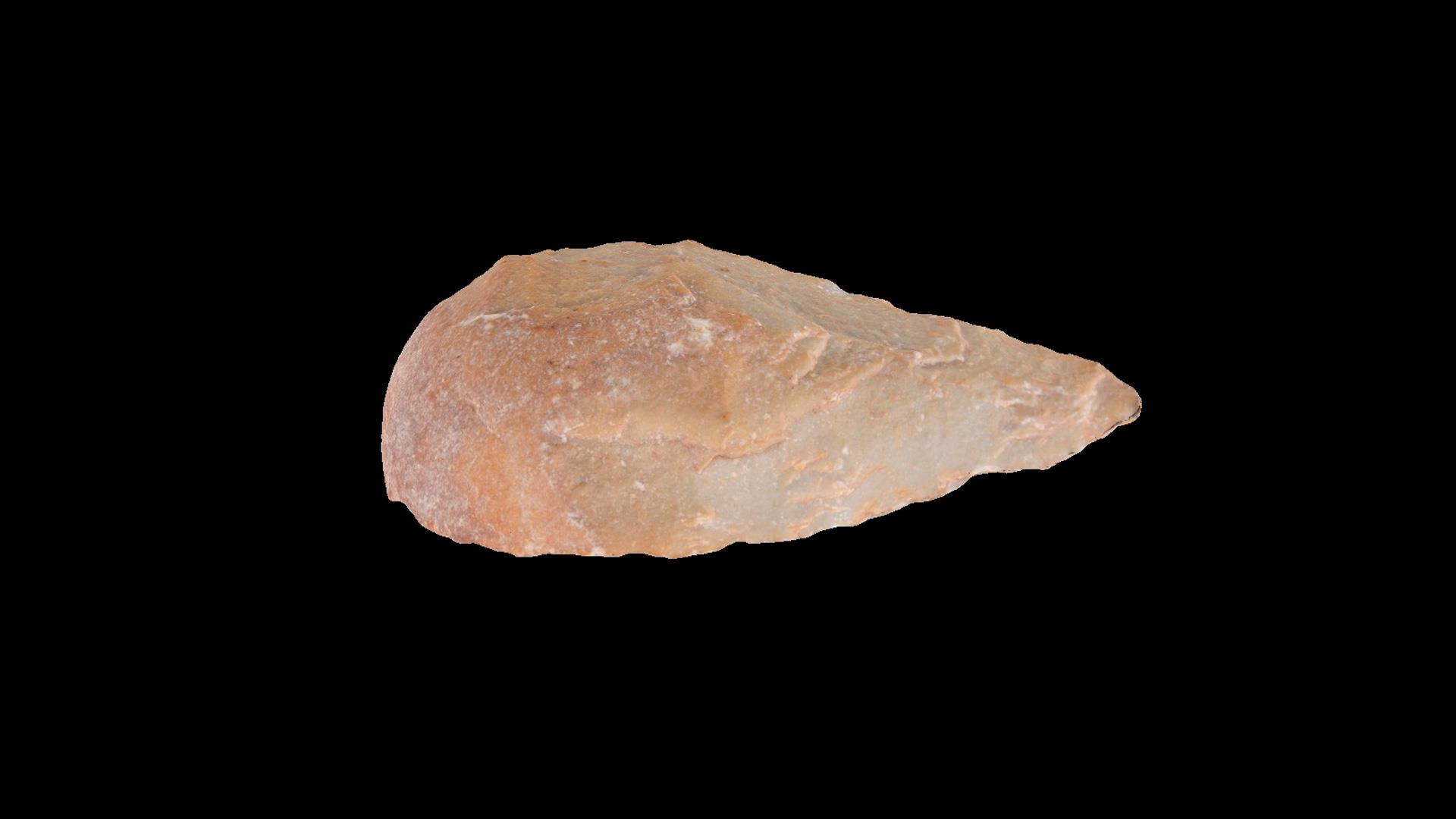
The museum’s exhibition not only stands out for its valuable archaeological content but also for its collection of paintings by artists such as José Arpa, Rodríguez Jaldón, and Valverde Lasarte, providing a more modern perspective on the artistic heritage of Carmona. The museum's rooms are organised to offer a chronological view of the city's evolution and its inhabitants. The room dedicated to the Paleolithic shows how the Guadalquivir Valley was first populated half a million years ago, through stone tools used by the first inhabitants of the area.
As time passed, the city grew and transformed. During the Copper Age, around 4,500 years ago, the first human settlements were established in the area now occupied by Carmona. These settlements consisted of circular huts, the remains of which can also be seen in the museum, alongside tools and ceramic items from that period. The Bronze Age marked a period of expansion, with a population increase and the construction of the first defensive walls to protect the settlement.
The museum also takes us back to the Tartessian and Turdetanian periods when Carmona became an important city within the context of Mediterranean civilisations. With the arrival of the Phoenicians, the city experienced significant technological and urban advancements, such as iron metallurgy and the introduction of the potter’s wheel. This period is particularly important in the history of Carmona, as it was during this time that the urban core of the city was established.
The room dedicated to Roman Carmona is one of the most striking in the museum, as it features a scale model of the city during that period, showing in detail the baths, forum, theatre, and amphitheatre, as well as the residential areas and family homes, called domus. These homes, organised around a central courtyard with a pond to collect rainwater, are an example of the advanced social and urban organisation of Roman civilisation.
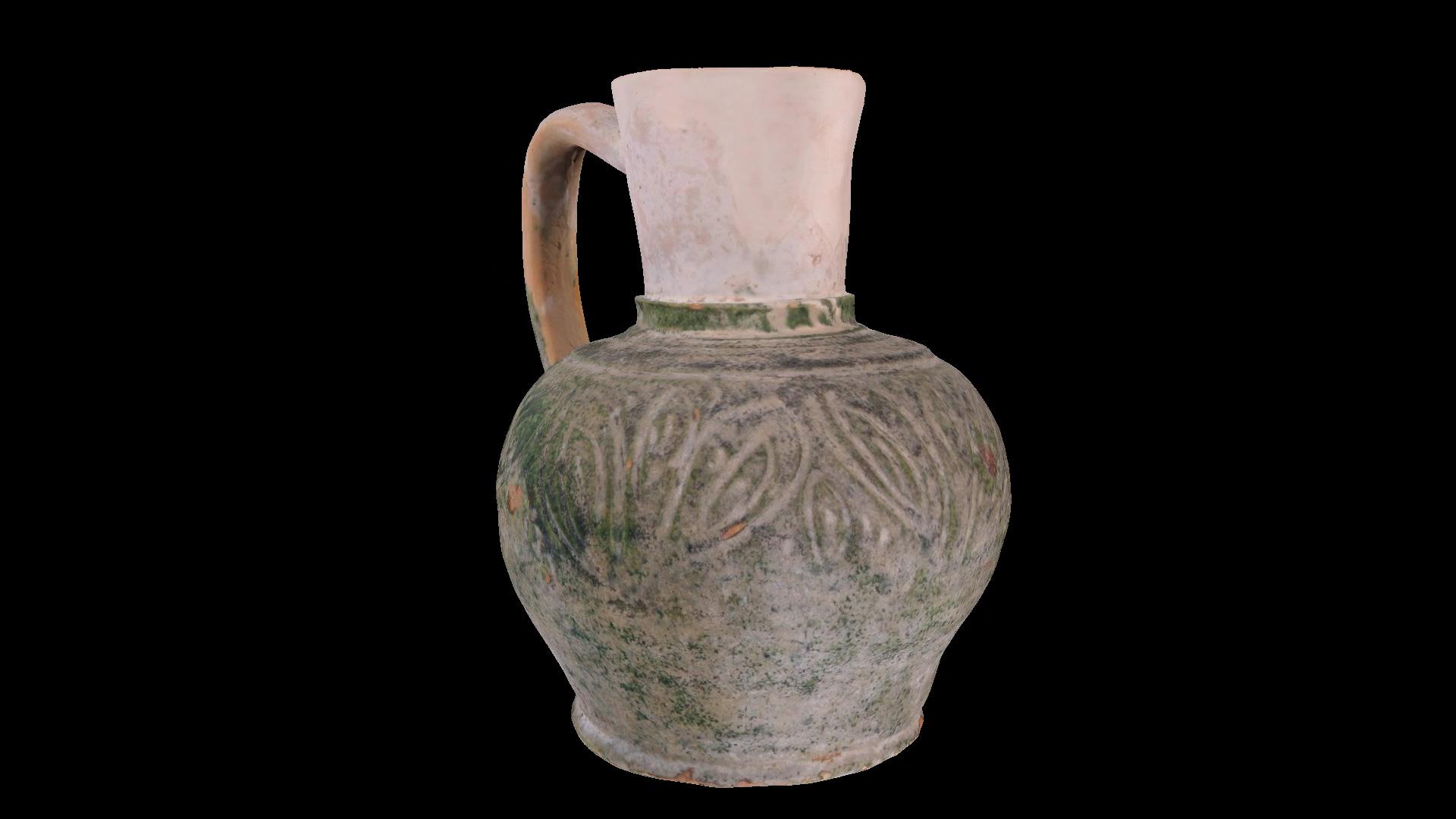
Finally, the museum also houses collections that reflect Carmona's medieval history, both during its Islamic and Christian periods. The Muslim city of Qarmuna, although with few archaeological remains, is represented by a reconstruction of an Islamic kitchen discovered during excavations in 1991. In the room dedicated to Christian Carmona, the works of embellishment carried out by Pedro I and the Catholic Monarchs are highlighted, as they constructed new buildings and fortifications that shaped the city as it is known today.