
- Home
- Interest points
- Cerro del Hierro
Info
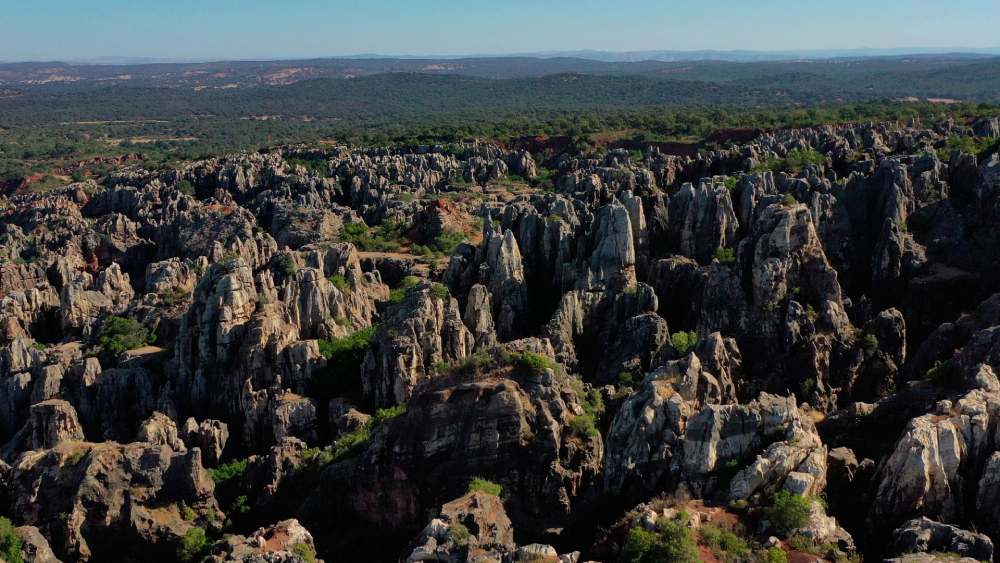
Cerro del Hierro, in Seville's Sierra Morena, is a unique landscape that combines karst rock formations with a rich mining heritage, where iron has been mined since pre-Roman times. Today, this former centre of industrial activity is a protected natural area that attracts hikers and geology lovers, offering a fascinating blend of history and nature.
Know more
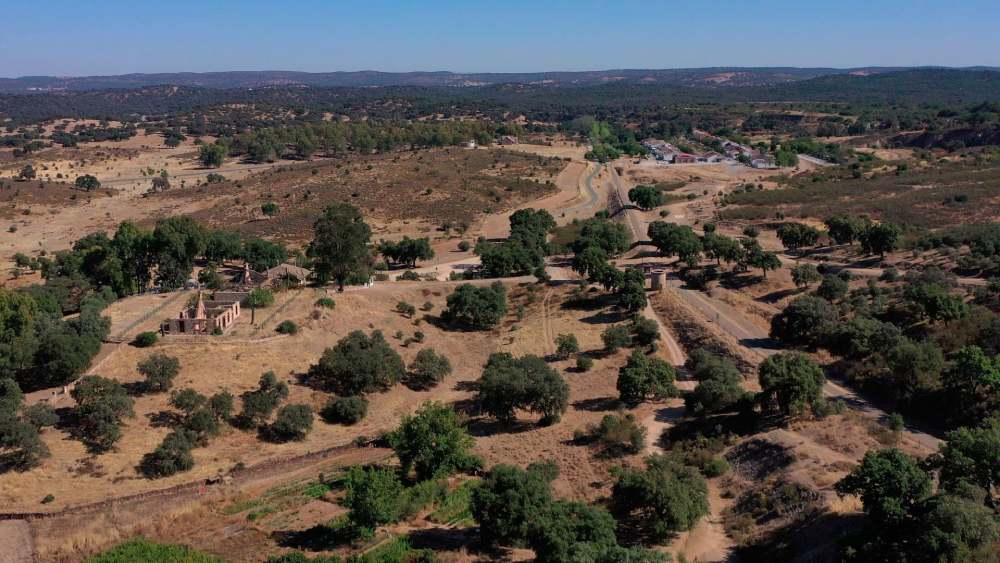
Located in the heart of the Sierra Morena in Seville, Cerro del Hierro is an impressive testimony to the interaction between nature and man. This fascinating place combines the majesty of its karst landscape, sculpted by millennia of erosion, with the traces of mining that have marked its history for centuries. Today, this unique environment is part of the Sierra Morena Natural Park in Seville and invites visitors to discover its unique natural beauty and valuable industrial heritage.
Millions of years ago, the land that is now Cerro del Hierro was submerged under the sea, forming an extensive coral reef. Over time, the waters receded and the coral turned to limestone, creating a unique landscape sculpted by wind and rain. This geological process created the spectacular karst formations that make Cerro del Hierro a unique place in the world. Its mineral wealth has attracted the attention of different civilisations throughout history. In pre-Roman times, the inhabitants of the region exploited this resource, and later the Romans used it to supply their industries.
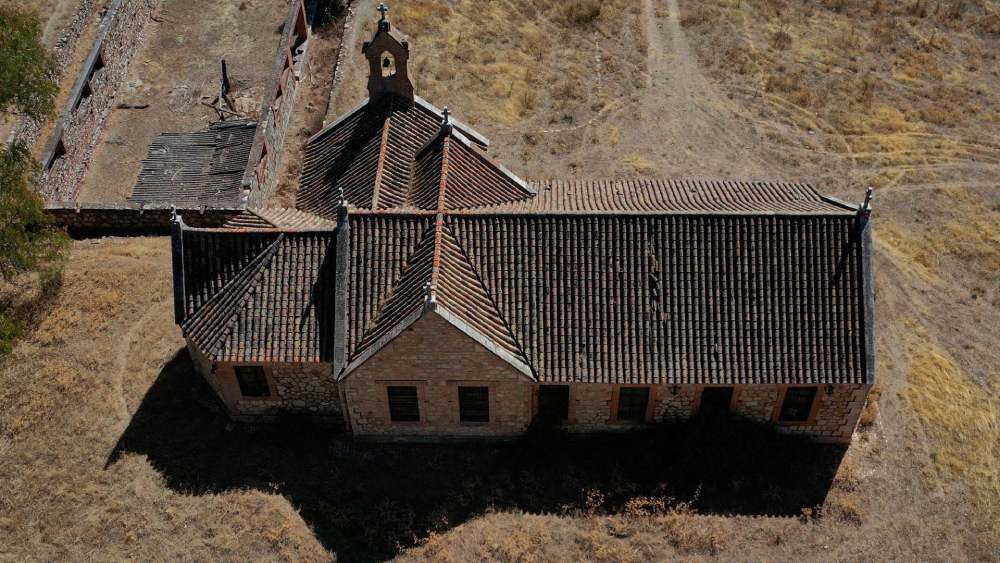
The most important transformation of Cerro del Hierro took place in the 19th century with the arrival of British companies, who saw in this place an inexhaustible source of minerals. The William Baird Mining & Co. Company, of Scottish origin, began large-scale exploitation and built a mining town in the area. This town included an Anglican church, workers' housing and services such as a school and football pitch, providing a well-organised community for the miners and their families.
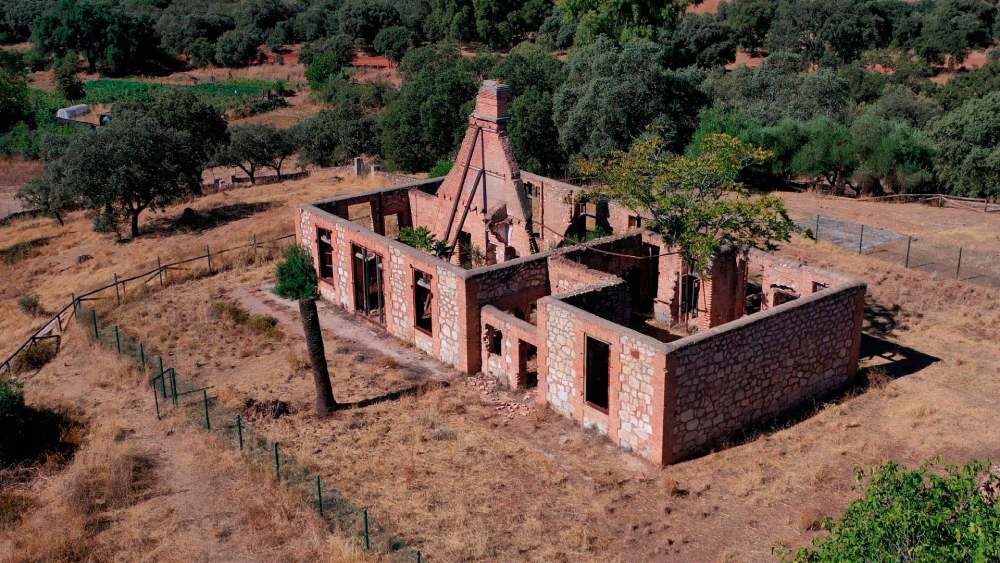
The extraction system introduced by the British revolutionised mining in the region. Advanced drilling techniques, together with the construction of tunnels and warehouses, allowed Cerro del Hierro to become a highly important industrial centre. Among the most important remains from this period are the houses of the British engineers, the ruins of the gunpowder magazine and the stables that housed the animals used to transport the mineral.
An important milestone in the history of the Cerro was the construction of an Iberian gauge railway in 1895, which linked the hill to the factories. This advance was crucial to the viability of the mine, allowing iron to be exported to other parts of Europe. However, mining activity began to decline in the first half of the 20th century. In 1946, Baird Mining abandoned the exploitation, which was taken over by the Nueva Montaña Quijano company, which concentrated on iron smelting in Santander. Despite attempts at modernisation in the 1960s and 1970s, the mining crisis led to the definitive closure of the mine in 1985. A cooperative formed by the workers tried to maintain the exploitation of barite, a mineral used in the pharmaceutical industry, but bankruptcy was inevitable and the installations were dismantled.
Today, Cerro del Hierro has been reborn as a protected natural area, attracting walkers, climbers and geology lovers from all over the world. Its ancient galleries and tunnels, once used to transport minerals, are now explored by those seeking to unravel the mysteries of the earth. The mining town's Anglican church and the houses of the British engineers still stand, a reminder of a time when the hill was bustling with activity. These remnants bear witness to the British influence in the region and to man's efforts to dominate nature.
Videos
Cerro del Hierro
Bibliography
Rodríguez Rubio, José Luis. (2024). La “metamorfosis” de un pueblo. Cara y Cruz (1950-1999). Diputación de Sevilla.
Herrera Herber, Juan. (2006). Métodos de minería a cielo abierto. Universidad Politécnica de Madrid.
A. Miras Ruiz, A. y Galán Huertos, G. (1992). Estudios geológicos, 48: 91-99 (1992). Las mineralizaciones de Barita de Cerro del Hierro (Sevilla) Características mineralógicas y geoquímicas.