
- Home
- Interest points
- The Ciudadeja Mills Route
Info
The "Los Molinos del Ciudadeja" trail combines history and nature, crossing landscapes of pastures, Mediterranean forests and old hydraulic mills. This circular trail, full of biodiversity, invites you to explore from the Hermitage of Nuestra Señora de Belén to the emblematic Molino del Francés, in an environment that intertwines the historical legacy with the natural beauty of the region.
Know more
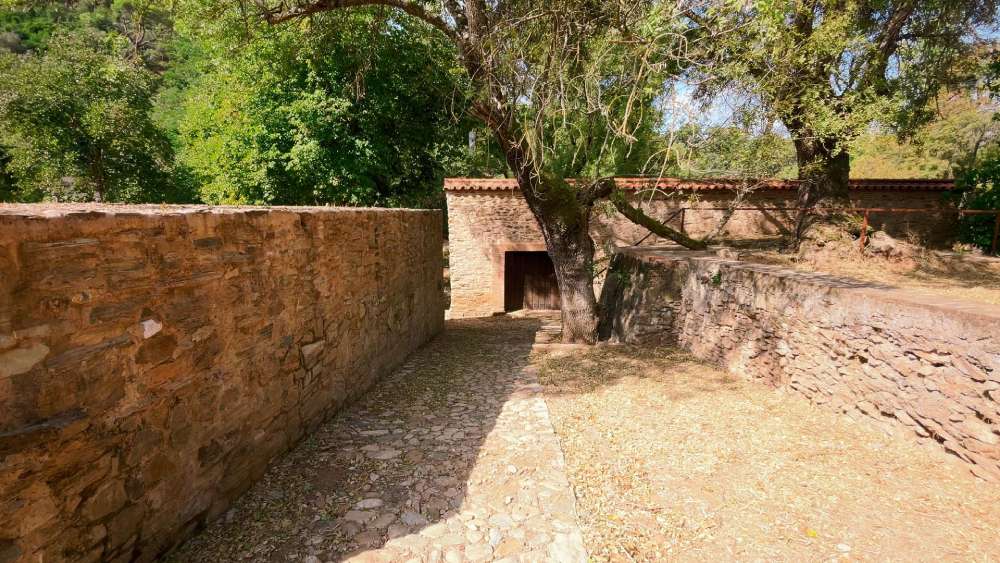
The Ciudadeja Mills Trail is one of the most fascinating routes that crosses the Sierra Morena of Seville, allowing visitors to explore an uncharted corner of this natural landscape. This circular route, measuring 10.3 kilometres or 16.5 km if two additional variants are included, offers the perfect combination of history, nature, and pristine landscapes. Officially recognised and well-signposted, it respects the natural beauty of its surroundings, inviting hikers to immerse themselves in a tranquil and charming environment.
The adventure begins in Plaza de España, in the heart of the village of Las Navas de la Concepción, from where the road leads towards San Nicolás del Puerto. After just 200 metres, a turnoff takes us onto a path that winds through rural landscapes where the relationship between humans and the land has endured for centuries. As we continue, the visitor is surrounded by dehesas and a natural environment that reflects the balance between human activity and biodiversity.
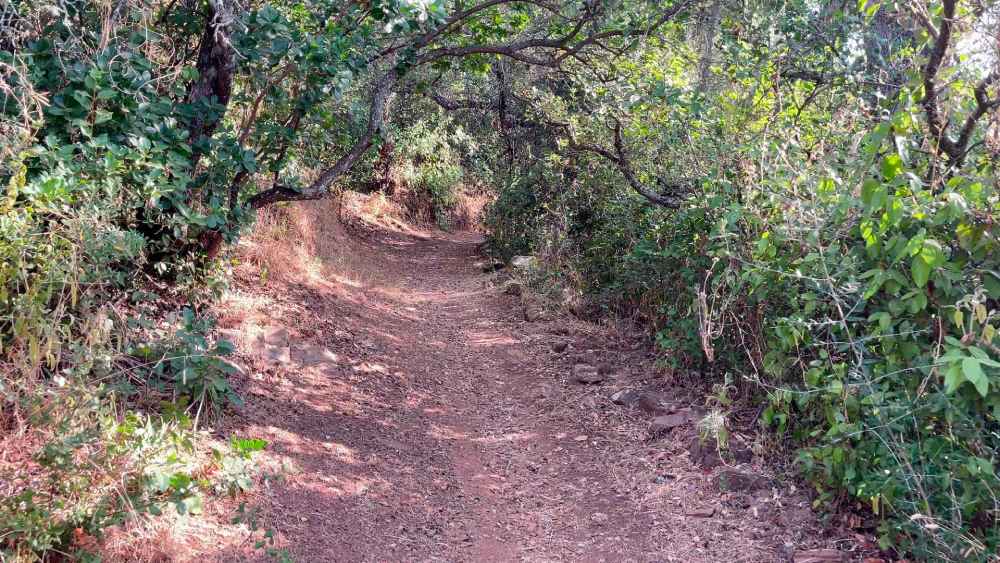
One of the first notable sections is the Tunnel Path, a delightful natural passageway formed by strawberry trees, mastic trees, and other species of the Mediterranean forest, creating a green tunnel that offers a unique sensory experience. This section, about three kilometres long, is a perfect example of the area's plant diversity.
Leaving the tunnel, the path takes us to the Ciudadeja Riverbank, where we find the first optional detour of the route. Here, one can take a path that leads to the Ermita de Nuestra Señora de Belén, a small temple surrounded by nature that has been a place of devotion for centuries. Originally located in the Monastery of San Antonio de Galleguillos, the chapel was moved near a mill in Las Navas de la Concepción. Every third Sunday in August, a pilgrimage is held in honour of the Virgin of Belén, gathering pilgrims in a setting that combines spirituality and natural beauty. This spot also has recreational areas, perfect for resting or enjoying a refreshing swim in the river on summer days.
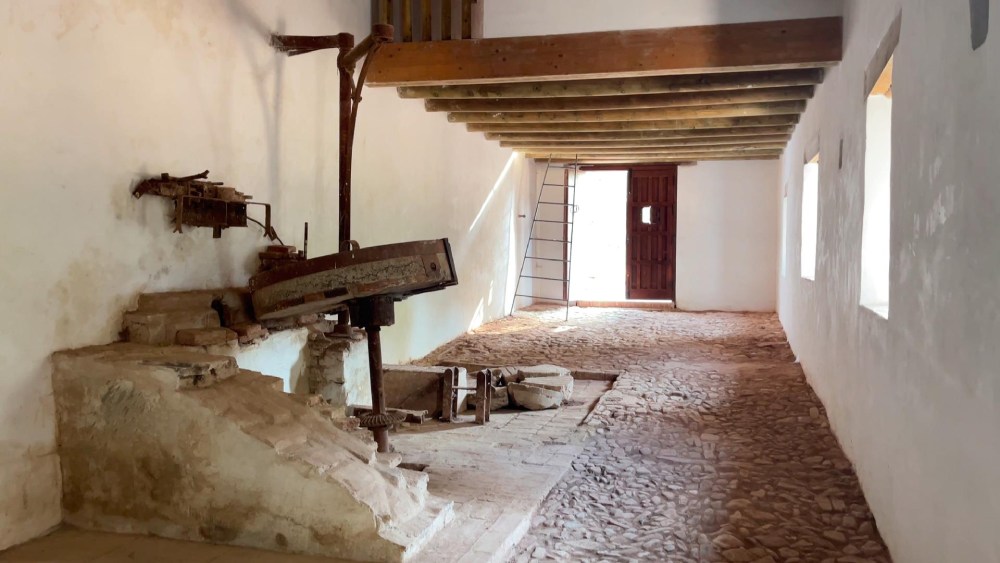
Returning to the main trail, the route follows the river downstream, immersed in a typical gallery forest landscape, with ash trees, alders, and poplars accompanying the path. In this section, the watermills begin to appear, remnants of the region's agricultural history. One of the first to stand out is the La Molineta Flour Mill, a testament to the old connection between water and milling, which was essential to the local economy.
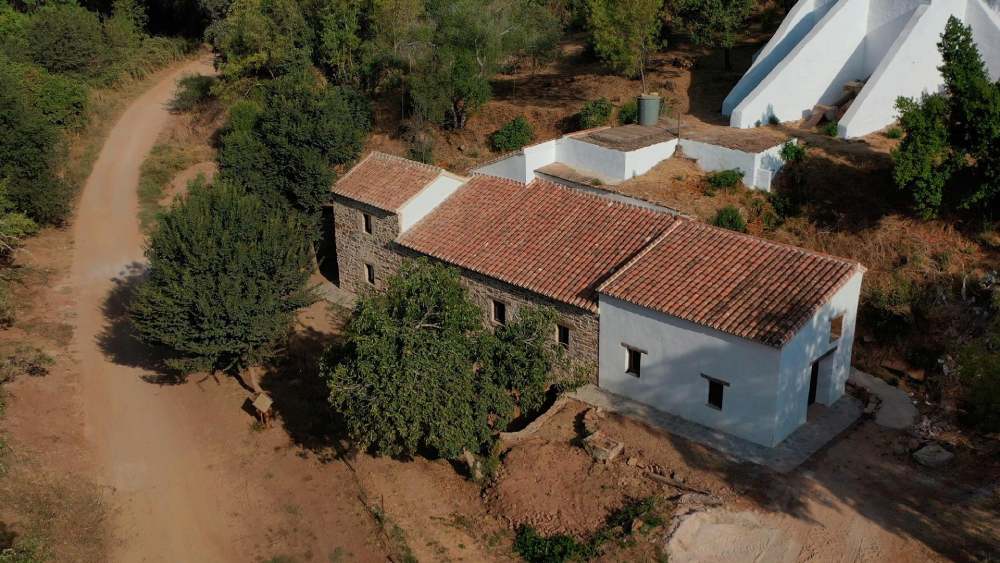
As the trail progresses, we reach one of the most emblematic points of the route: the Molino del Francés. This mill, built in the early 20th century by a foreigner who came to the area, was not only used for grinding grain but also for generating electricity. Thanks to an ingenious system with a pond elevated seven metres above the riverbank, the mill powered a Pelton turbine, producing energy for the local community. Today, the mill has been restored by the town hall, preserving its historical legacy and importance to the region.
From this point, there is the option to take a second detour towards the Molino del Niño Dano, one of the best-preserved mills. This mill offers a window into the past, allowing visitors to relive history in every corner of its well-maintained structures.
Those who decide to continue along the main trail, without taking the second optional route, will be guided to the end of the journey by a second natural tunnel, known as the Treasure Path. This final section brings us back to Las Navas de la Concepción, completing the circle of this experience where nature and history intertwine at every step.
Videos
Route Los Molinos del Ciudadeja