
- Home
- Interest points
- Jardines de Forestier
Info
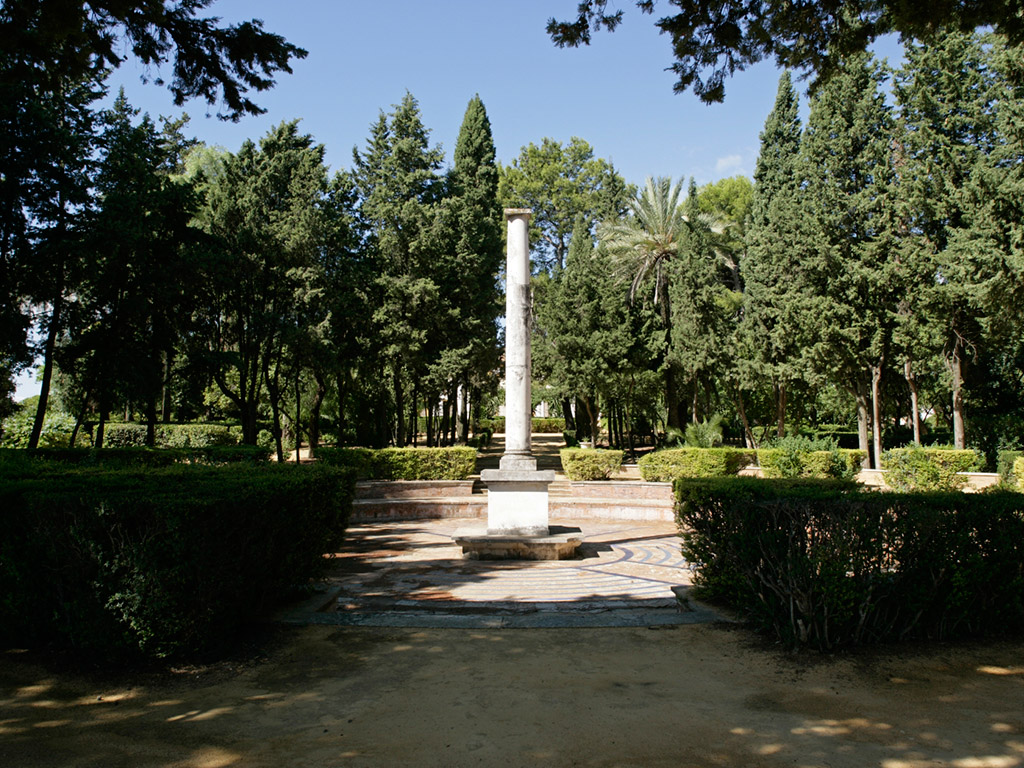
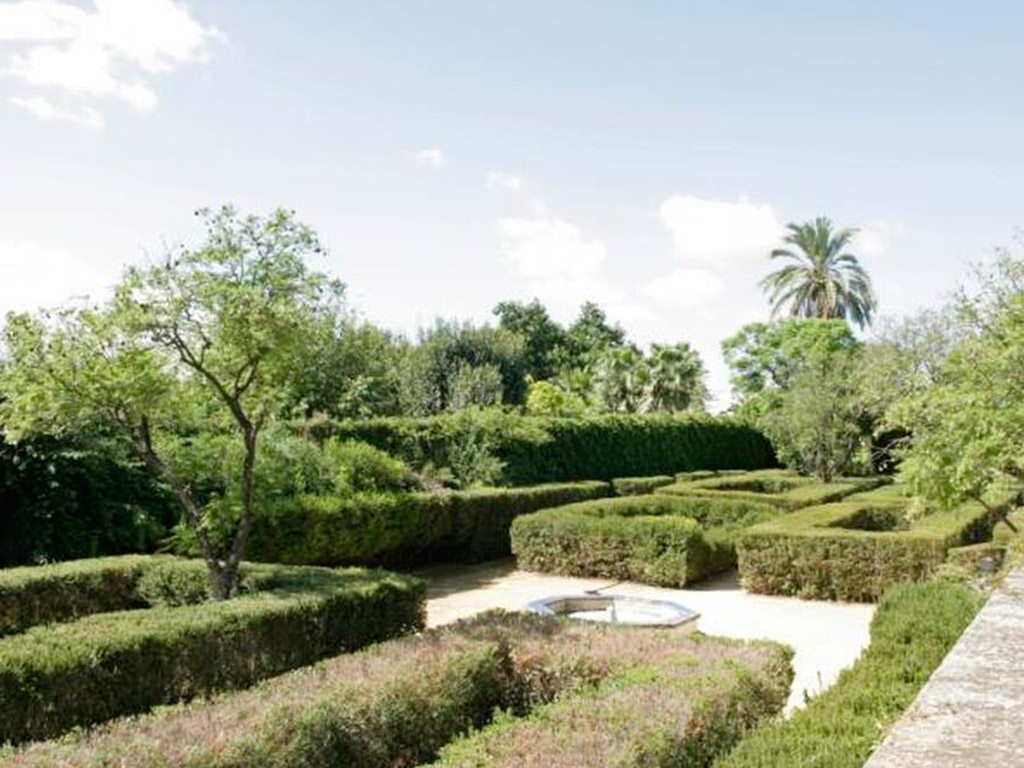
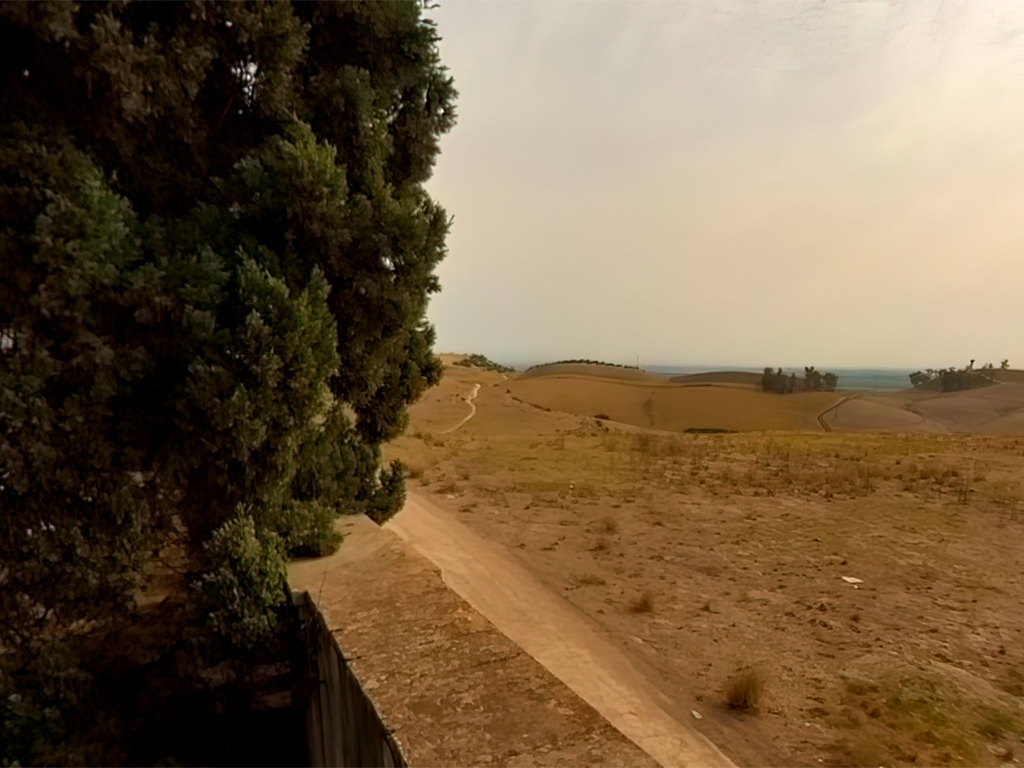
The Forestier Gardens are located at one of the highest points in the Aljarafe area of Seville. They are the last gardens designed and created outside France by Jean Claude Nicolas de Forestier.
Not visitable
Know more
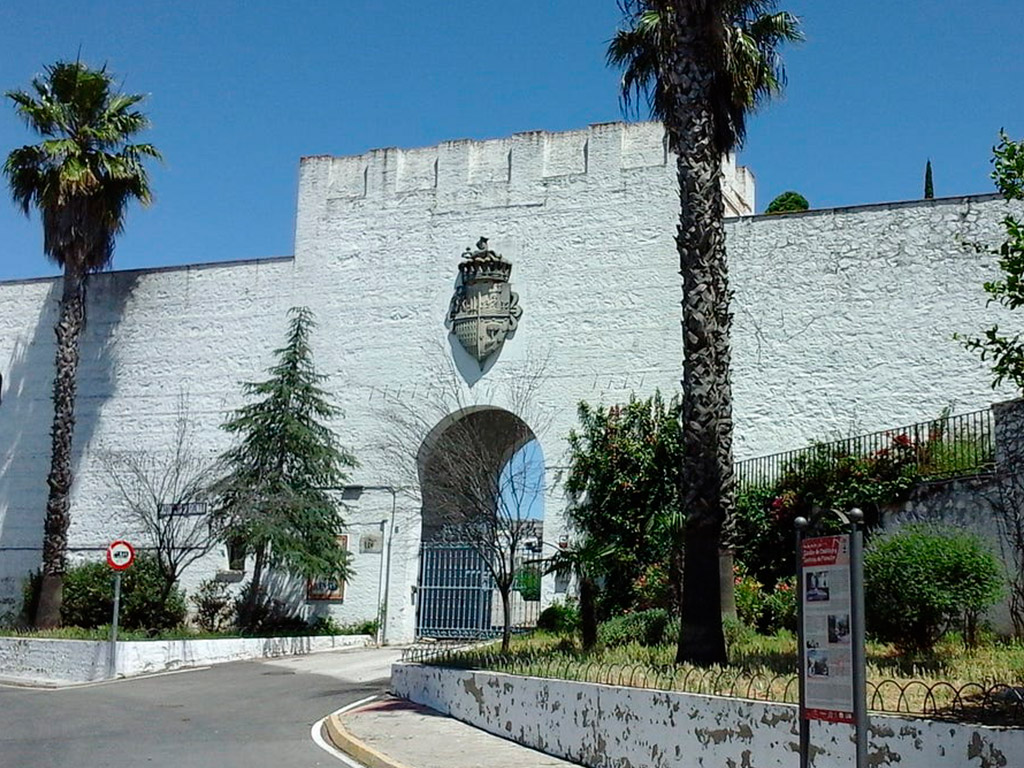
8 km from Seville, in the town of Castilleja de Guzmán, we find the Palace of the Guzmáns and the Forestier Gardens. The palace is located on the site of a Roman military camp around which the dwellings of the military families were grouped. During the Muslim period, this area was known as Castalla. It was at this time that a farmstead was situated whose inhabitants worked the surrounding areas. After the reconquest by Ferdinand III the Saint, these lands were handed over to the Military Order of Alcántara, from which it became independent in the 14th century, passing its jurisdiction to the Guzmans, from whom it took its name. This family built their palace here between the 17th and 18th centuries.
In the mid-19th century, the building passed into the hands of the Counts of Castilleja de Guzmán, whose 4th Count, Joaquín Rodríguez de Rivas y de la Gándara, ordered a major renovation of the building and the creation of its gardens. Work began in 1927 by the architect Gabriel Lupiáñez Gel, while the gardens were entrusted to the French landscape architect Jean Claude Nicolás Forestier.
Forestier spent most of his career in Paris, where he held various political posts related to agricultural work and forest conservation, and participated in competitions, exhibitions and conferences, paying particular attention to the design of parks. His style is eclectic with different classicist, landscape, oriental and romantic influences. In the layout of his gardens, water plays an important role, omnipresent in all his works, as well as constructive elements that he cleverly arranged as pergolas, terraces, staircases, in order to give movement to the terrain. Between 1911 and 1923 he made frequent visits to Seville and Barcelona, where he worked on the development of the Parque de María Luisa and the Ibero-American Exposition, and in the Catalan city on the development of the Montjuic mountain.
The gardens of Castilleja de Guzmán, with 26,000 m2 and 61 plant species, are the last gardens created by Forestier outside France. They follow the style created by the French landscape designer known as the neo-Mudejar or neo-Sevillian garden. A garden was planned in which the landscape became the main protagonist. To this end, the terrain was divided into three large terraces, dividing the gardens into a high garden, a middle garden and a low garden.
In 1930, the complex passed into the hands of the firm "Lissen Hermanos", who offered it to the "Junta de Utilización de Inmuebles", who in turn handed it over to Seville City Council. In 1943 it passed into the hands of the Ministry of National Education, who adapted it, through a series of works carried out by Juan de Talavera, as a Colegio Mayor Masculino, the Colegio Mayor de Santa María del Buen Aire, where the writer Antonio Gala studied. This student residence depended on the University of Seville, which is the current owner of the facilities and has used them as a hall of residence until 2014.
Bibliography
VIGIL-ESCALERA PACHECO, M. (1992). El jardín del Colegio Mayor "Santa María del Buen Aire". Una obra olvidada de J.C.N. Forestier. Temas de Estética y Arte, nº8.
Palacio de los Guzmán y Jardines de Forestier
https://jardinessinfronteras.com/2022/03/12/castilleja-de-guzman-forestier-y-el-jardin/