
- Home
- Interest points
- Santa Brigida Hill
Info
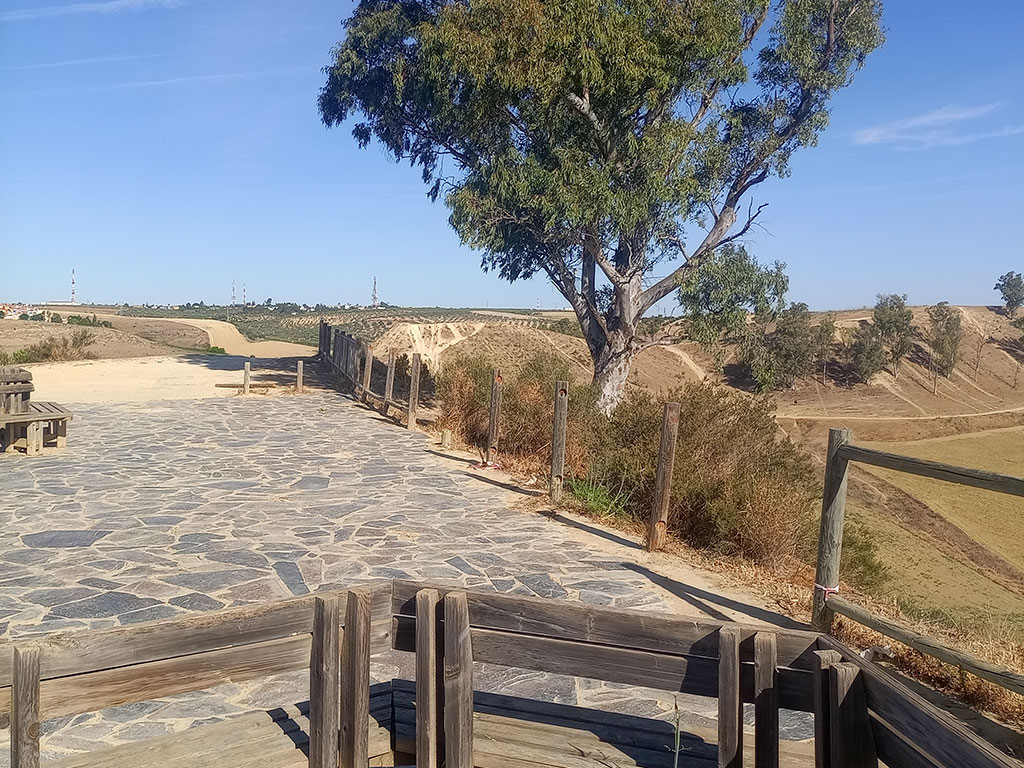
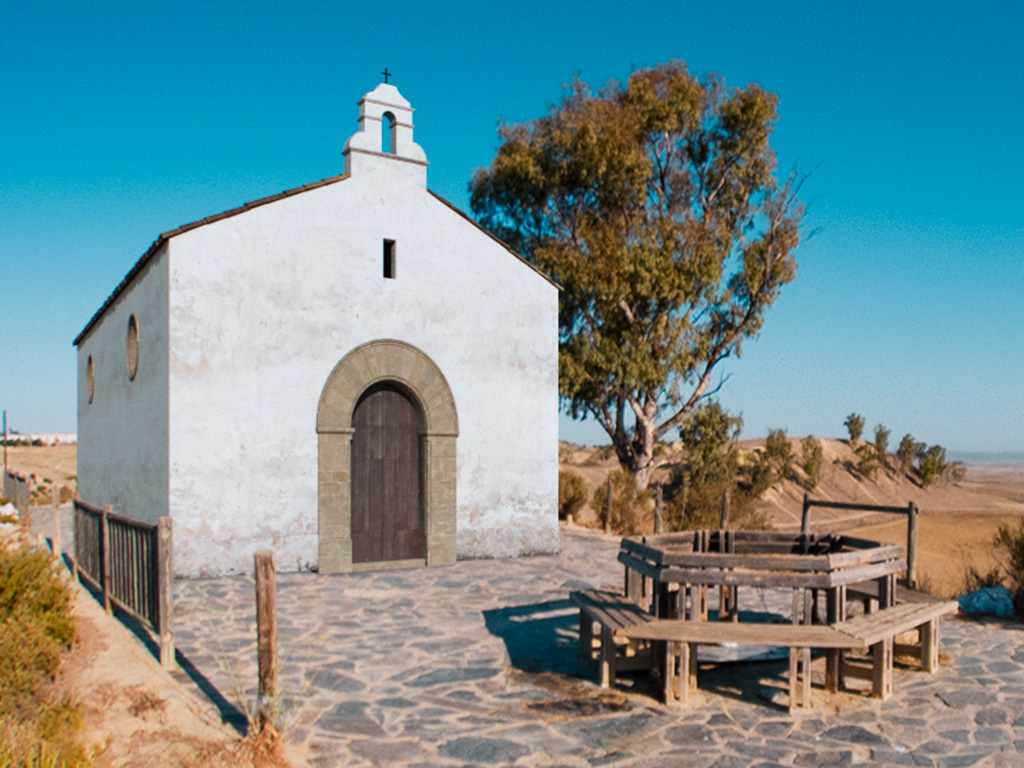
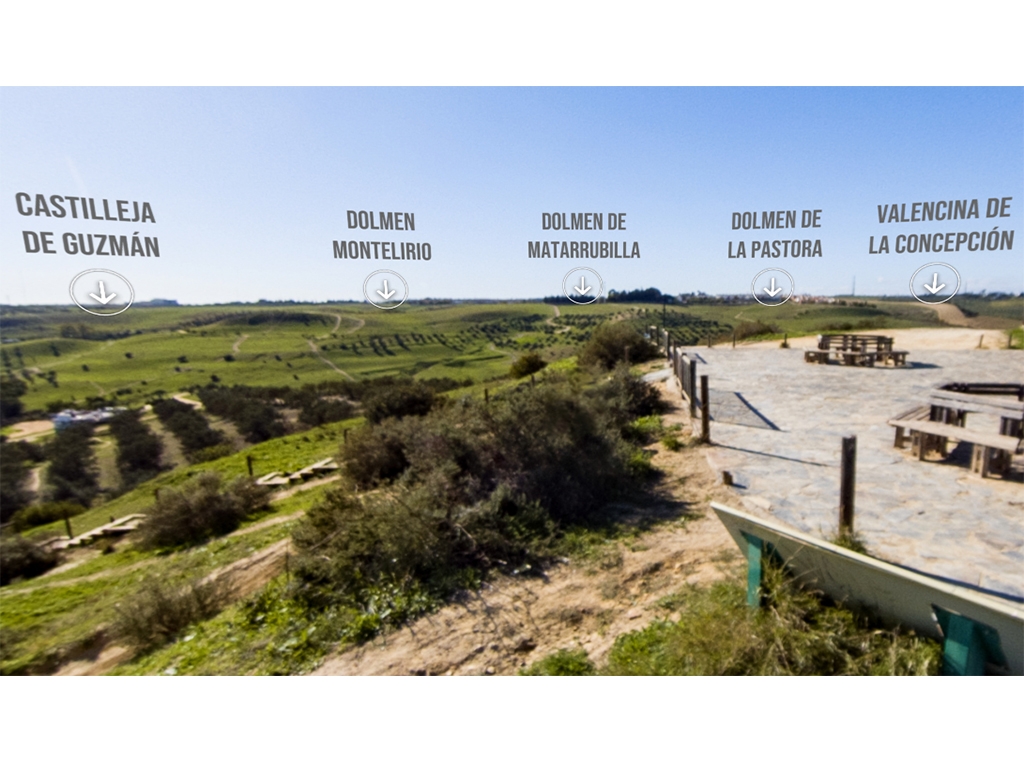
The hill of Santa Brígida is the highest viewpoint in the area. A Muslim marabout was erected here and a chapel dedicated to Santa Brígida was built on top of it.
Know more
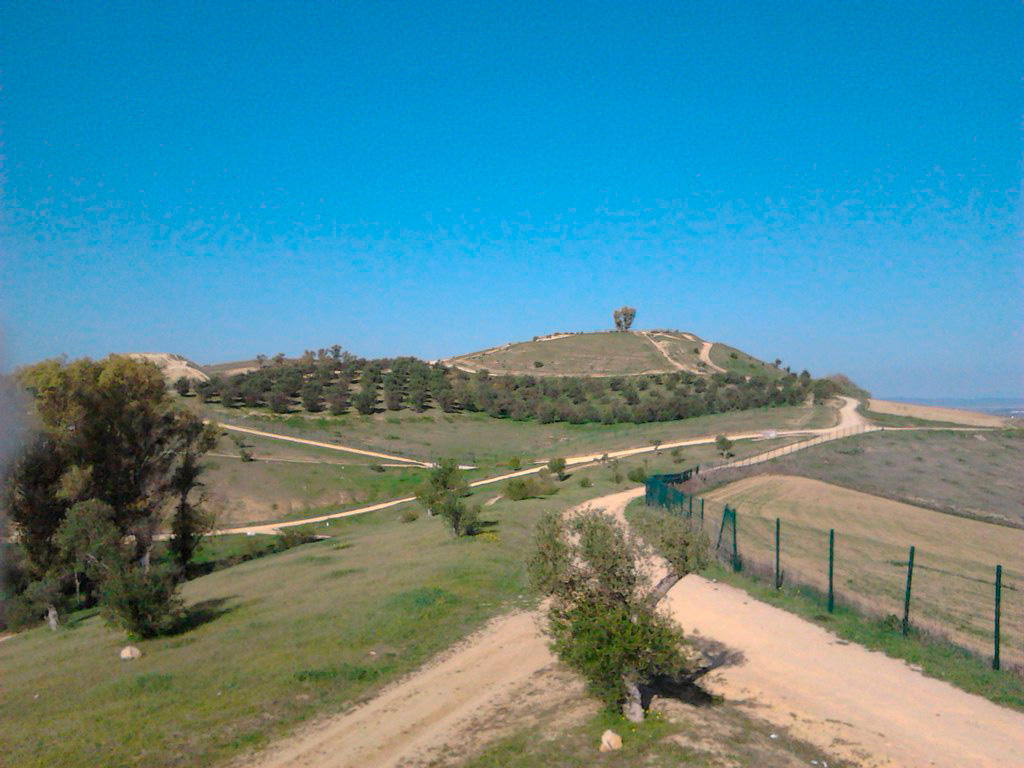
The hill of Santa Brígida is the highest viewpoint in the area. A Muslim marabout was erected on it and on top of it a chapel dedicated to Santa Brígida, which was maintained until the Napoleonic invasion, during which it housed a battery for the defence of the city of Seville. It was a strategic location not only because it controlled the main natural resources and communication routes, in this case the Guadalquivir, but also because from these heights it was possible to control the surrounding territories up to several kilometres away, thus providing a great defence for the city.
The hermitage of Santa Brígida was a place of worship that played an important role during the War of Independence, when it was destroyed. No remains of it are preserved to this day. An ancient image of the Virgen de la Candelaria was venerated in the chapel, which was worshipped by monks who belonged to the rule of San Antonio Abad. This image of the Virgin was clothed and held the image of the Child Jesus in one arm and a candle in the opposite hand. It seems to have come from the old Chapel of the Patrocinio de Triana, after being ceded to replace a previous image that was in very poor condition.
The hermitage had a single nave. To the left of the main entrance was a room that served as the hermits' quarters, while to the right was the altar of the Virgen de la Candelaria. This monastery was supported by popular charity and, due to its poverty, had neither a missal nor a chalice for worship, so they had to borrow them from the church of Camas in order to be able to celebrate mass. This also affected the upkeep of the building, to such an extent that in the 18th century the chapel was completely demolished. It was at this time that the Order of San Antón Abad took charge of the chapel and undertook the restoration of the building.
In 1804 a new rebuilding began but was never completed due to the Napoleonic invasion, during which it was used as a military enclave, as the French used it as a strategic enclave for the control of Seville. After these events, the building was completely destroyed and its place was occupied by a farmhouse and later by a dwelling until well into the 20th century.
The images of the Virgen de la Candelaria and Santa Brígida are still preserved today in the church of Santa María de Gracia in Camas, where they are worshipped. Since 1993, on the first Sunday in October, the Santa Brígida pilgrimage has been held, in which the image of the saint is carried from the church to the hill.
Bibliography
ALONSO MORGADO, J. (2022). Sevilla Mariana. Reseñas histórico-descriptivas sobre las diferentes devociones marianas en la Archidiócesis de Sevilla. Universidad de Sevilla (Colección Bibliofilia, n.º 13).
ANTEQUERA LUENGO, J.J. (1981). Noticias y documentos para la Historia de Camas (hasta finales del XIX). Tartessos.
SERRANO ORTEGA, M (2006). Monumentos de los pueblos de la provincia de Sevilla. Universidad de Sevilla.