
- Home
- Interest points
- La Traviesa Estate and Necropolis
Info
The La Traviesa public estate, situated in the Sierra Norte de Sevilla Natural Park, boasts outstanding natural and historical features. In addition to its landscape of pastureland and Mediterranean woodland, its network of footpaths, its recreational area and the Mirador de La Traviesa Astronomical Observatory, it is home to one of the most significant prehistoric burial sites in the south-west of the Iberian Peninsula and a key source of information about the communities that inhabited these mountains during the 2nd millennium BCE: the La Traviesa necropolis.
Know more
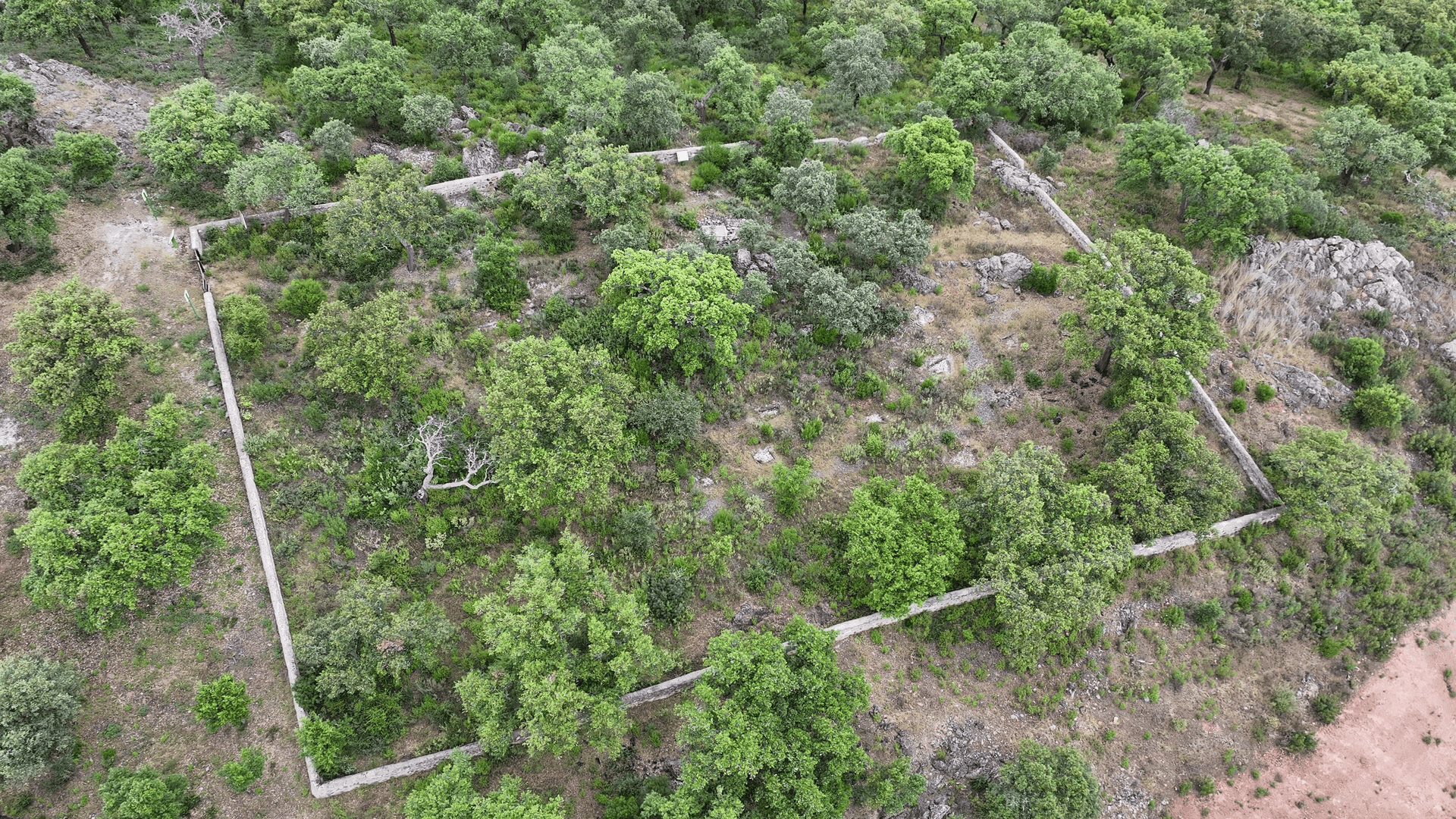
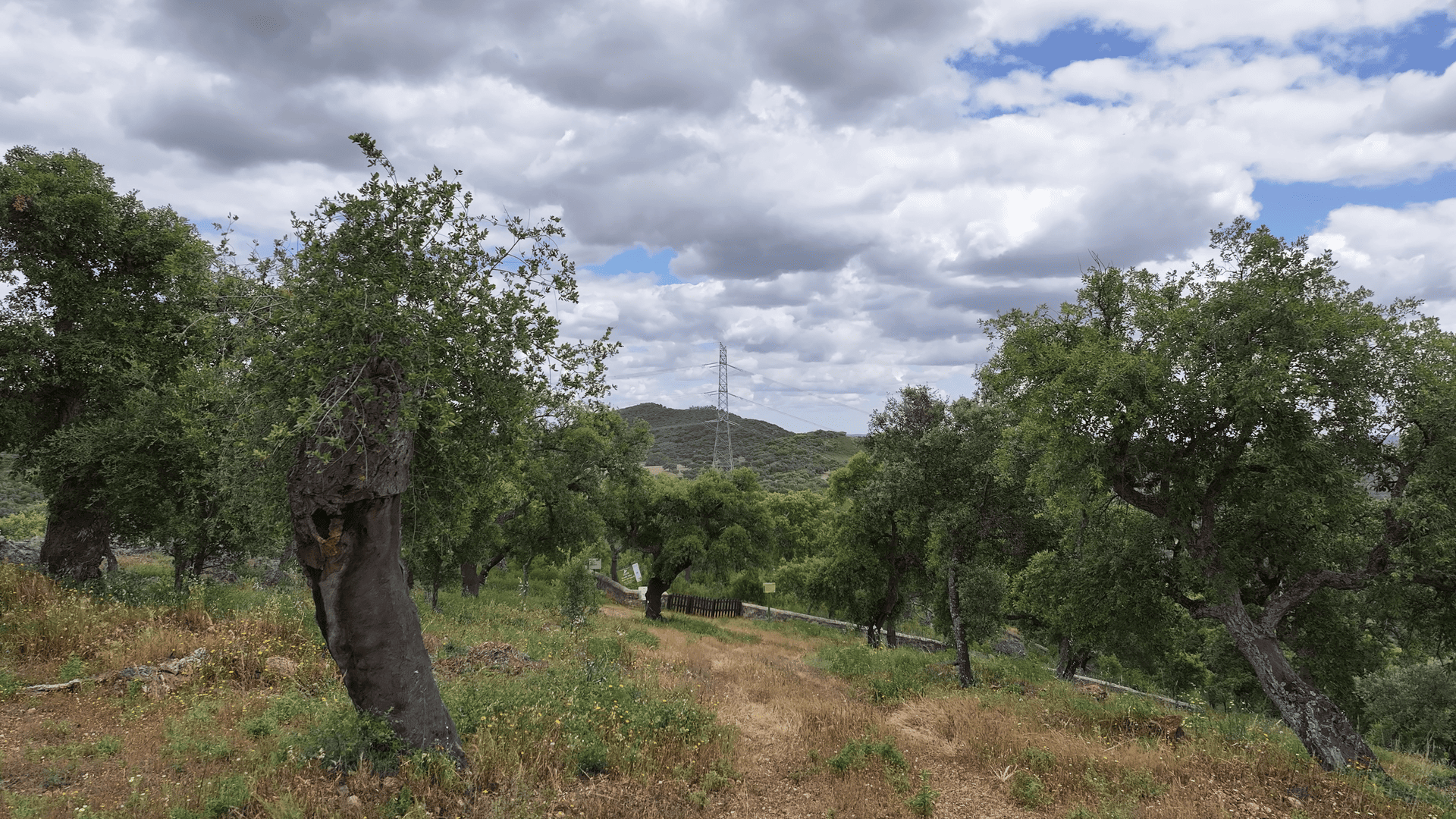
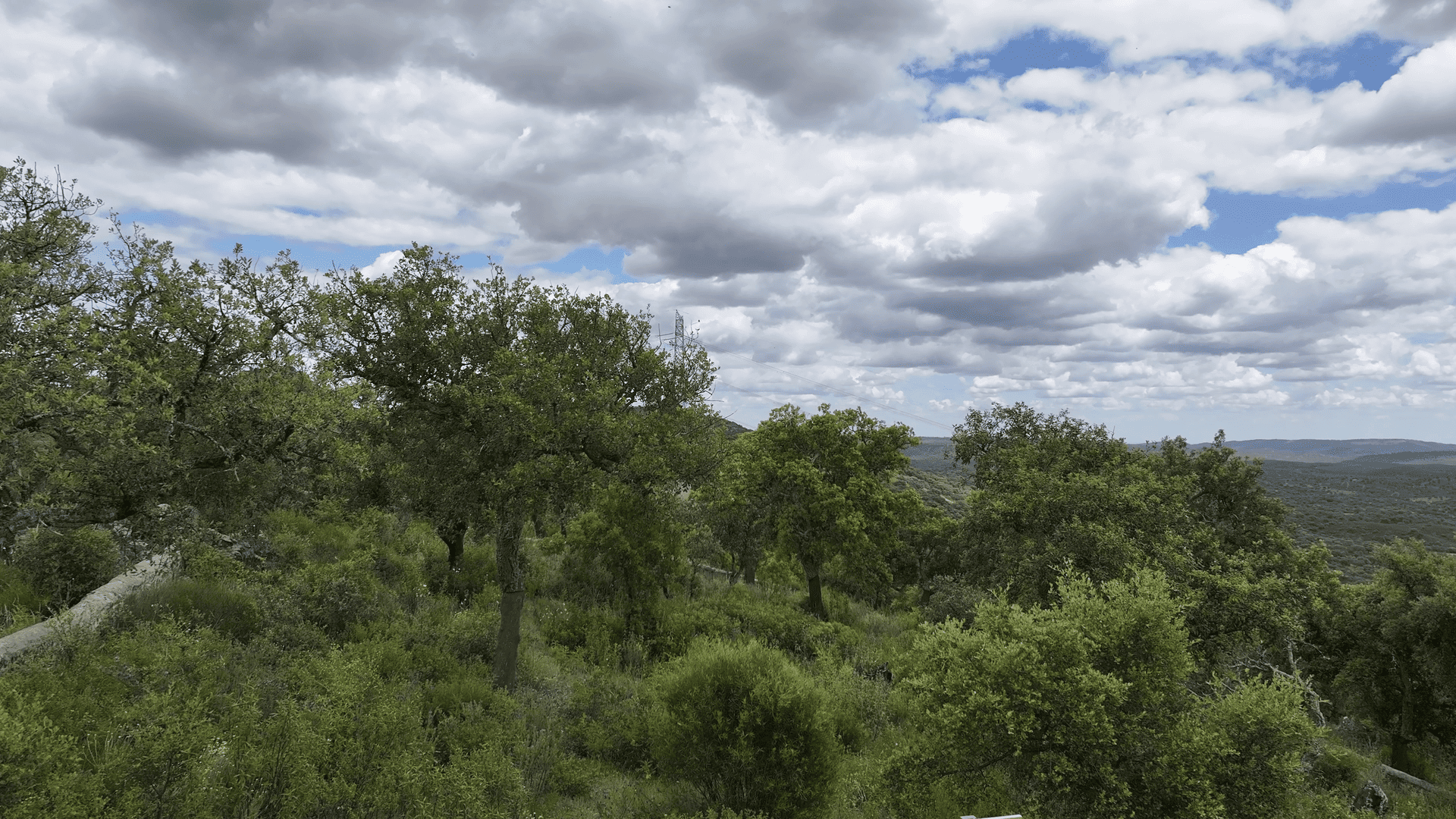
Situated within the municipal boundaries of Almadén de la Plata, some five kilometres from the town, the La Traviesa public estate is one of the most representative areas of the Sierra Norte de Sevilla Natural Park. Covering an area of 866 hectares and bordered on its western edge by the banks of the River Cala, it brings together some of the most characteristic landscapes of the Sierra Morena, where holm oak and cork oak pastures, wild olive groves, Mediterranean scrub and extensive areas of grassland intermingle.
The mid-mountain terrain and the area’s rich environment foster a remarkable diversity of flora and fauna. Among its natural treasures is a protected fern of the genus Asplenium, found exclusively in the Natural Park, as well as species such as the marbled newt and the Iberian midwife toad.
The estate features a network of footpaths that wind through some of its most characteristic areas, allowing visitors to enjoy the rich landscape and natural environment of the Natural Park. The route is complemented by a recreational area situated beside the banks of the River Cala.
One of its most notable facilities is the Mirador de La Traviesa Astronomical Observatory, built in 2007, which is dedicated to the observation and popularisation of astronomy. It features an observatory housed under an 8-metre-diameter dome, which houses the main telescope, and four auxiliary observatories equipped with specialised telescopes for the study of the Sun, the Solar System, our galaxy and deep space beyond the Milky Way.
The excellent quality of the night sky is attested to by the designation of Sierra Morena as a Starlight Reserve and Tourist Destination, awarded by the Starlight Foundation and endorsed by UNESCO.
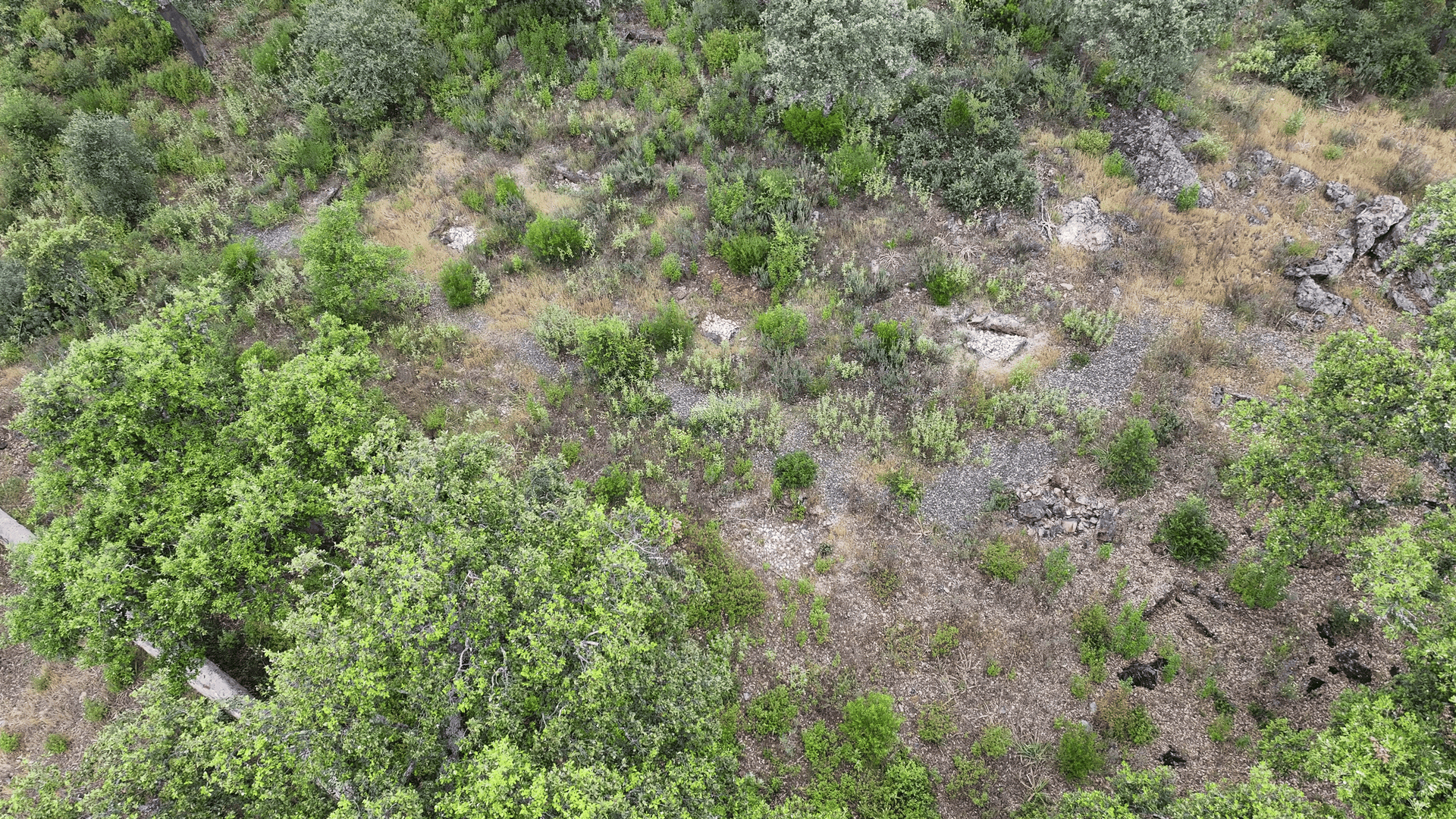
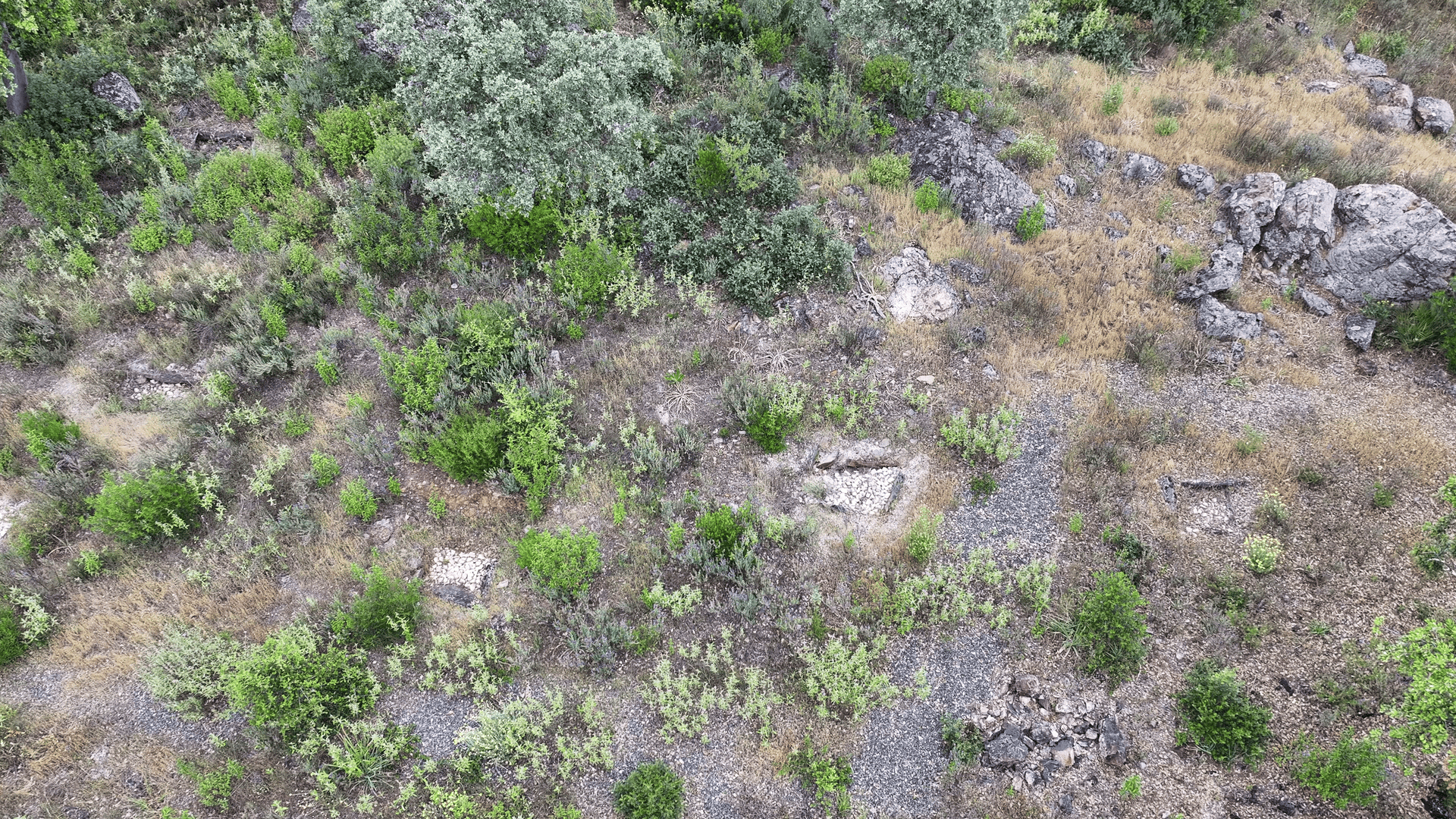
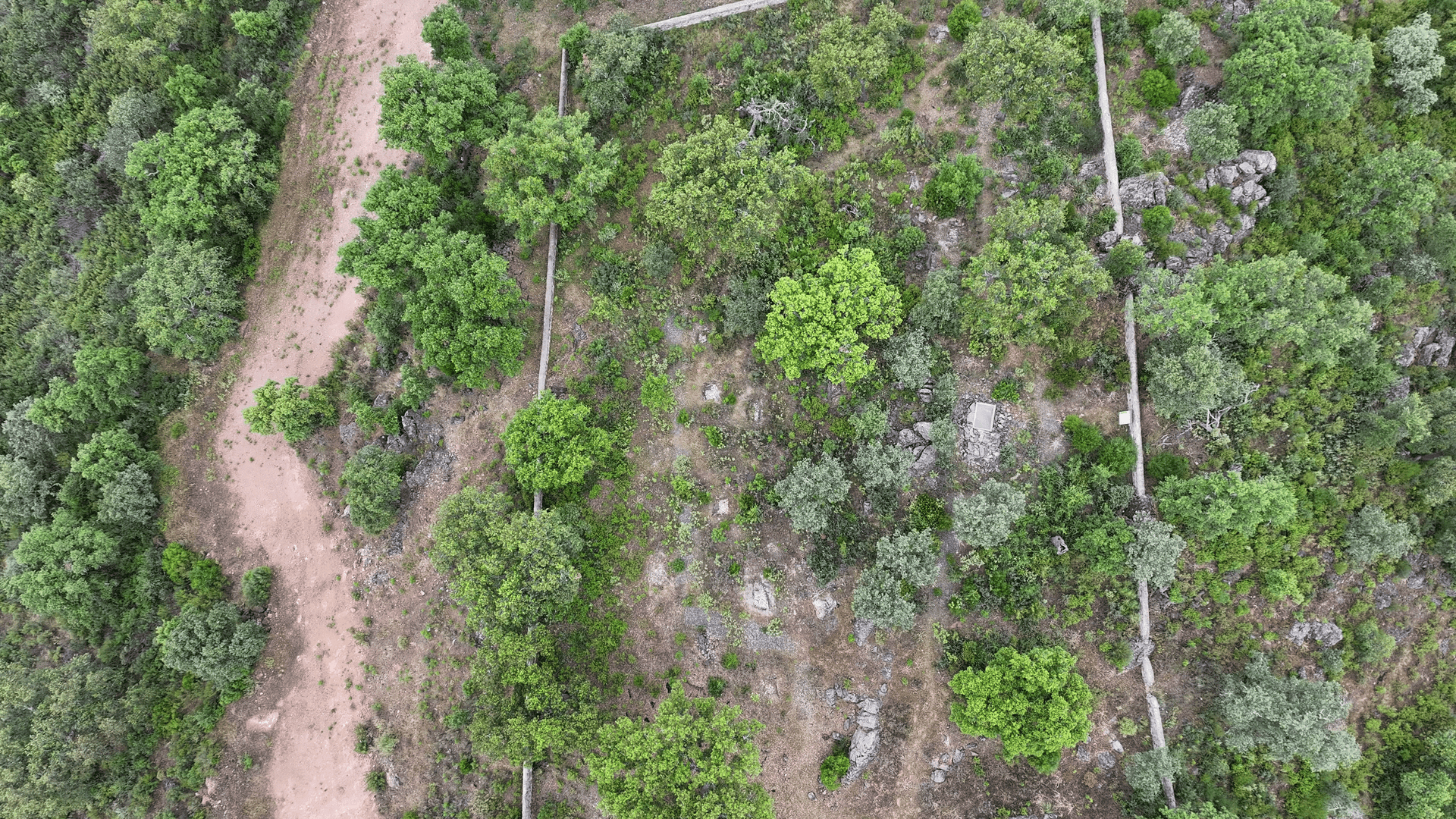
Alongside its natural assets, it is home to one of the most significant archaeological sites from the prehistoric period of the south-west of the Iberian Peninsula. About two kilometres from the observatory lies the La Traviesa necropolis, discovered in 1986.
The site is associated with a community that settled in the western Sierra Morena during the first half of the 2nd millennium BCE, where the environment—with soil unsuitable for agriculture—favoured an economy based on livestock farming, forestry and mining.
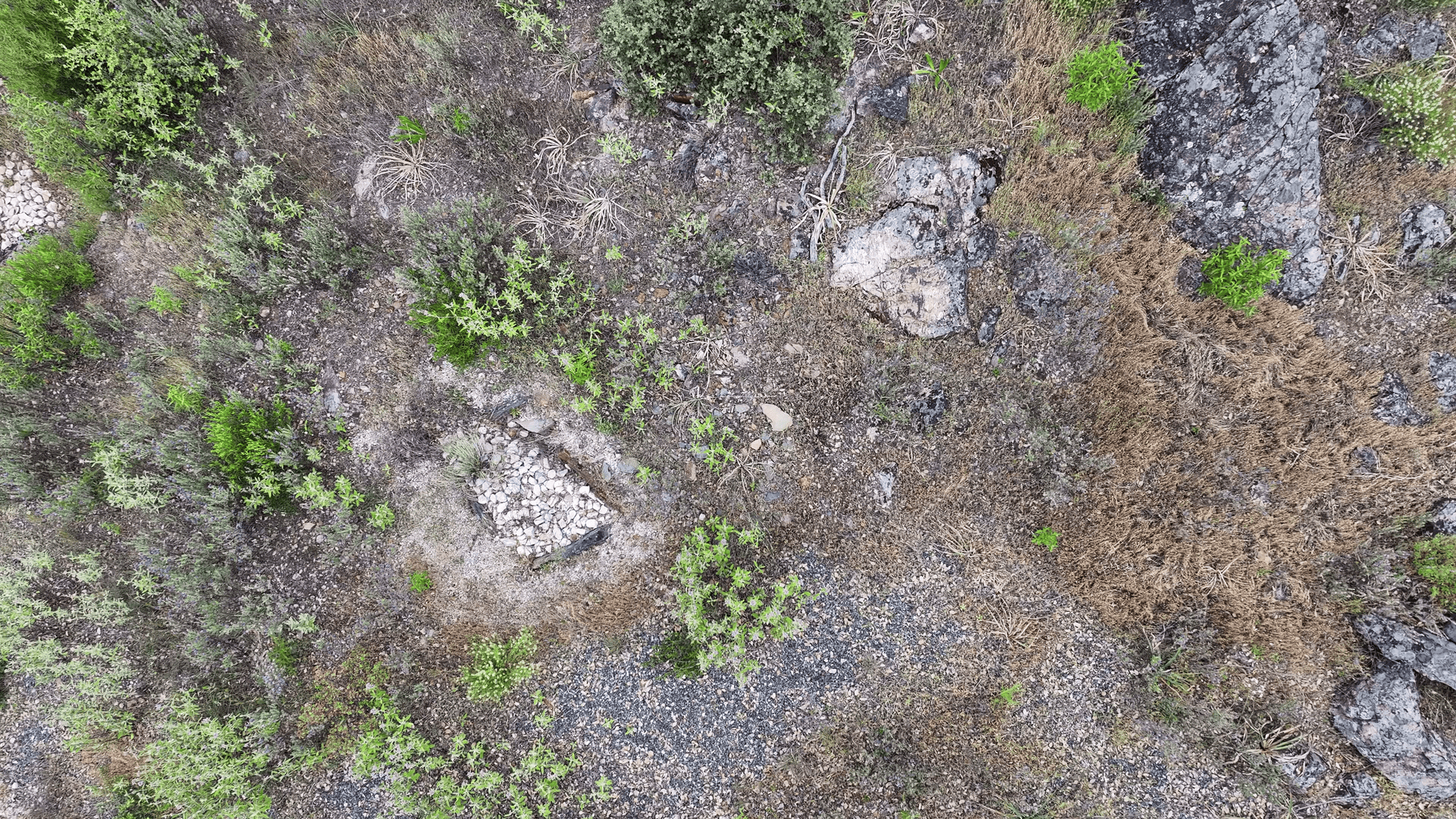
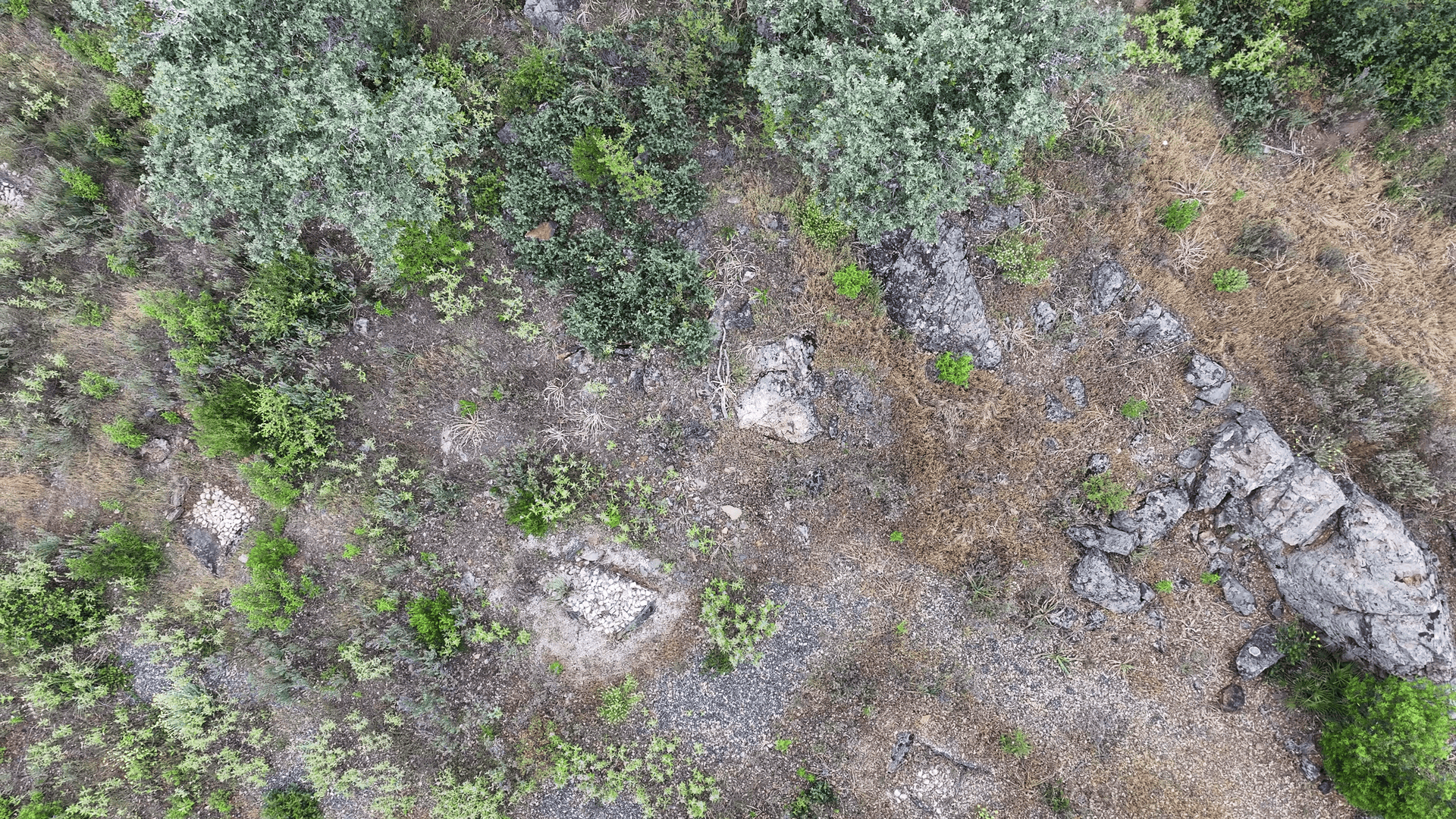
The burial complex comprised twenty-nine burial structures, of which twenty-seven were excavated. Half of these remained intact at the time of the archaeological investigation, enabling the funeral rites of these communities to be documented in detail.
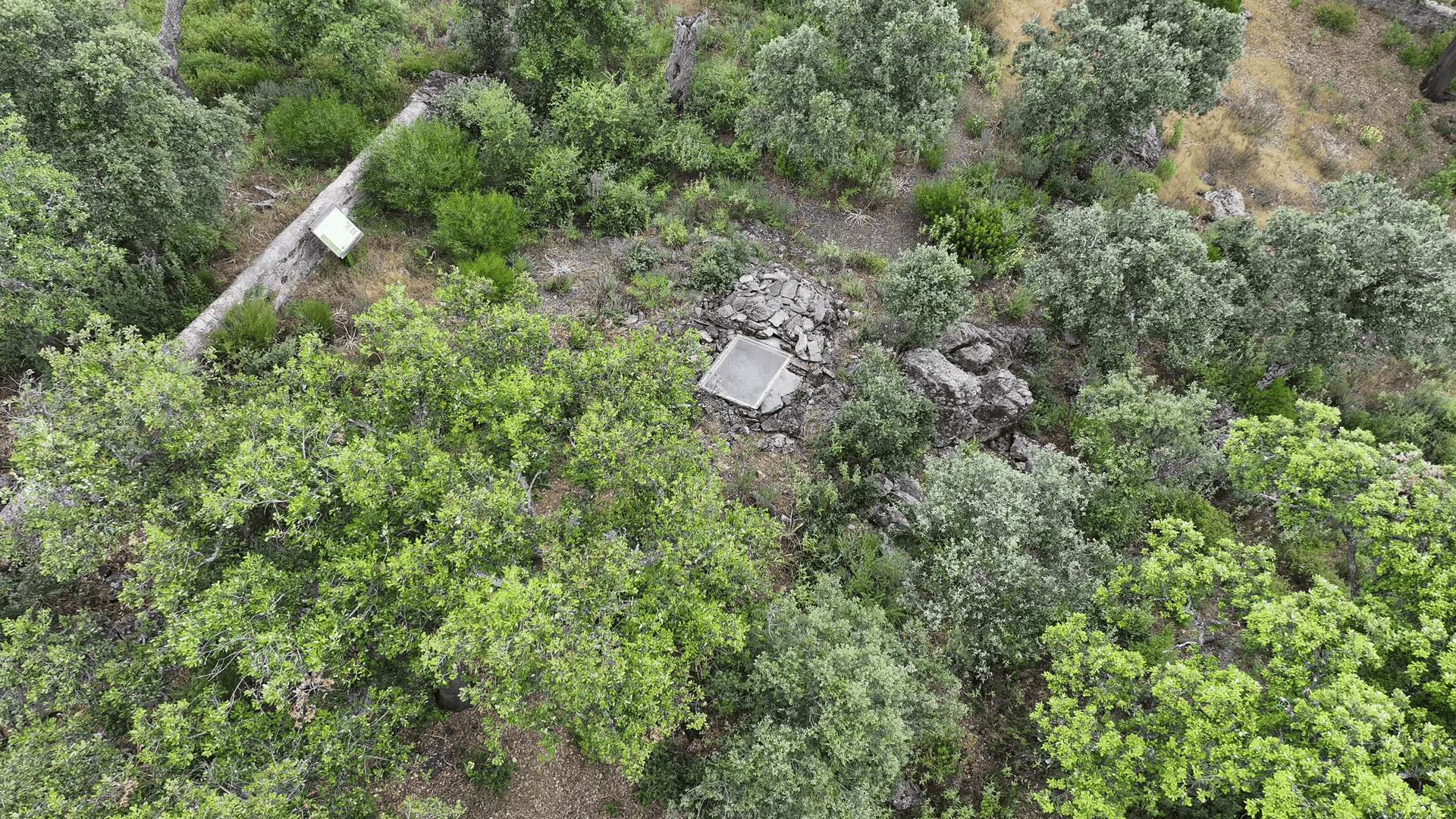
All the graves are of the type known as a cist, characteristic of the Bronze Age in the south-west of the Iberian Peninsula. These are pits lined with stone slabs on all four sides and covered by horizontal slabs forming a small burial chamber. The deceased was laid to rest inside, usually in a foetal position. Most are of very similar dimensions, with an average length of 122 cm, a width of 74 cm and a depth of 41 cm, as well as a predominantly east–west orientation, reflecting the burial customs shared by the community.
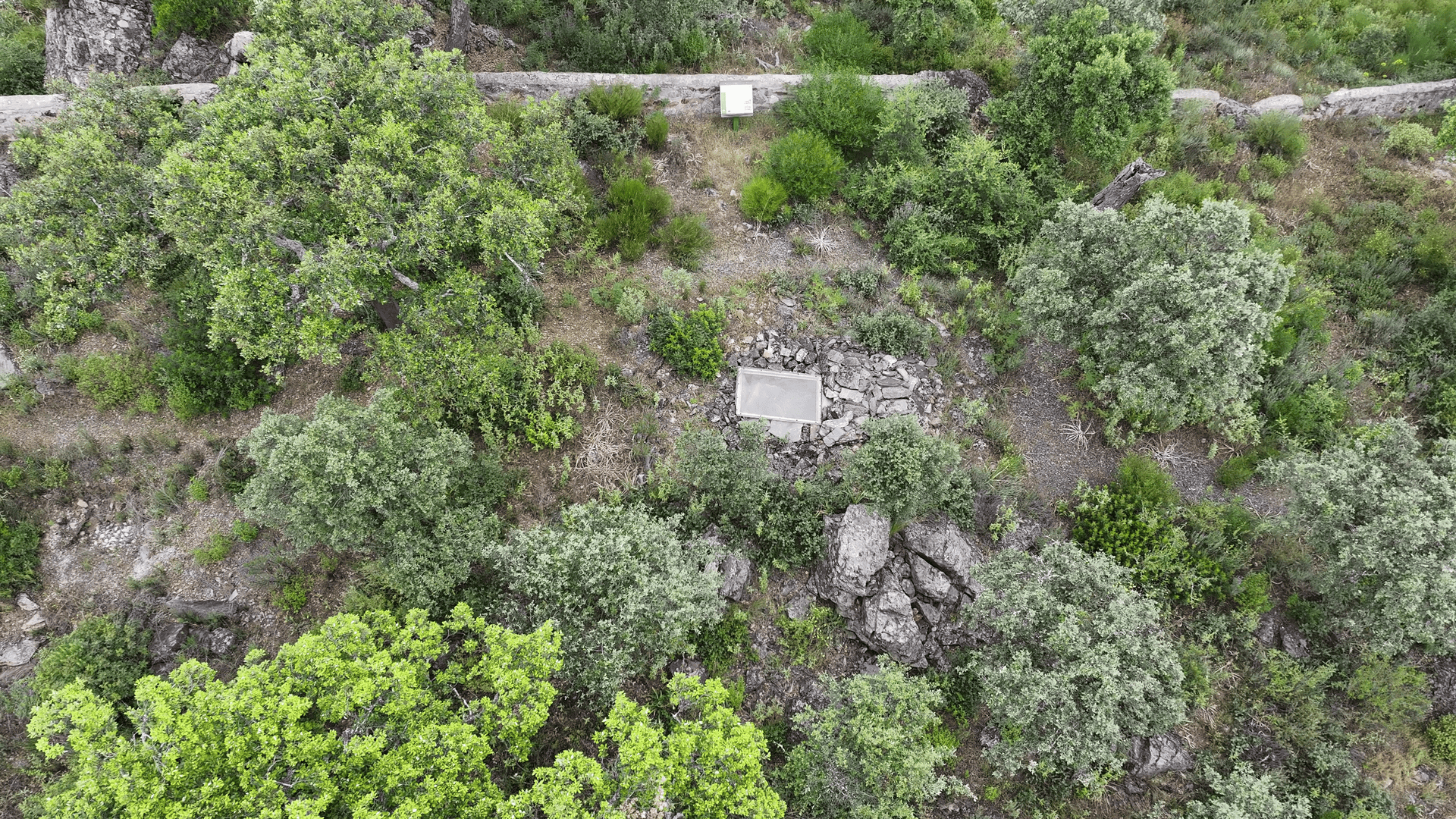
Within the complex, Cist No. 5 stands out, clearly distinct from the rest both in terms of its dimensions and its architectural complexity. It is situated on the highest part of the hill and occupies a central position that visually dominates the entire necropolis. The remaining graves are arranged around it in a wide semicircle, a feature that makes this burial the focal point of the funerary complex. Measuring 325 cm in length, 130 cm in width and 51 cm in depth, it is almost three times the average size of the other cists. It was originally covered by a large burial mound of stone and earth, bounded by a ring of large slabs set vertically into the ground.
Cist number 5 is also one of the few in which skeletal remains have been preserved, a rare occurrence due to the high acidity of the soil in the area. The anthropological study identified the individual as a man aged between thirty and fifty.
The grave goods found inside further underscore its exceptional nature. Whilst most of the excavated graves contained very simple grave goods, usually consisting of a single vessel, the presence here of several objects indicates that the deceased was accorded special treatment.
The most distinctive artefact is a bronze halberd of the so-called ‘Montejícar’ type, the only metal object documented as part of the grave goods in the necropolis. This type of weapon was one of the main indicators of prestige and social distinction during the Bronze Age. Two hand-made ceramic vessels were also found alongside it. Archaeobotanical analyses further identified Vitis (grape) seeds, an exceptional find for this period in the western Sierra Morena, which reinforces the unique status of the individual buried there.
Videos
La Traviesa Estate and Necropolis
La Traviesa Estate and Necropolis Subtitled
Bibliography
García Sanjuán, L. (1998). La Traviesa. Ritual funerario y jerarquización social en una comunidad de la Edad del Bronce de Sierra Morena Occidental. SPAL Monografías, 1. Sevilla: Universidad de Sevilla.
García Sanjuán, L. (1995) “Intervención de urgencia en la necrópolis de la Edad del Bronce de la Traviesa, Almadén de la Plata, Sevilla”, en Anuario Arqueológico de Andalucía 1992. III. Actividades de Urgencia. Sevilla: Junta de Andalucía.
García Sanjuán, L., & Vargas Durán, M. A. (1997). Intervención de urgencia en el yacimiento de la Edad del Bronce de La Traviesa (Almadén de la Plata, Sevilla). en Anuario Arqueológico de Andalucía 1993. III. Actividades de Urgencia. Sevilla: Junta de Andalucía
García Sanjuán, L. y otros (2006). “Las estelas de guerrero de Almadén de la Plata (Sevilla). Morfología, tecnología y contexto.” En “Trabajos de Prehistoria 63, No 2, pp. 135-152
Silva Patino, M. M., Vargas Durán, M. A. (2010). “Labores de consolidación, restauración y restitución arqueológicas en la necrópolis de La Traviesa, Almadén de la Plata, Sevilla”. En Anuario Arqueológico de Andalucía 2010. Junta de Andalucía.