
- Home
- Interest points
- Warrior Stela, Montejícar-Type Halberd and Ceramic Vessel
Info
The rich archaeological history of Almadén de la Plata has left us an outstanding collection of pieces that make it possible to learn about the communities that inhabited this territory between the 2nd and 1st millennia BC. Among them are the Montejícar-type halberd from cist 5 and the ceramic vessel from cist 20, both recovered during the excavations of the La Traviesa necropolis and dated to the Bronze Age (2nd millennium BC). Alongside these materials, the Almadén Stele 2 stands out, an exceptional decorated stele from the Late Bronze Age (9th–8th centuries BC), discovered on the Dehesa del Viar estate. Taken together, these finds constitute valuable evidence of the beliefs, funerary rituals and social organisation of the communities that inhabited the Sevillian Sierra Morena between the Bronze Age and the beginnings of Protohistory.
Know more
THE CERAMIC VESSEL FROM CIST NO. 20.
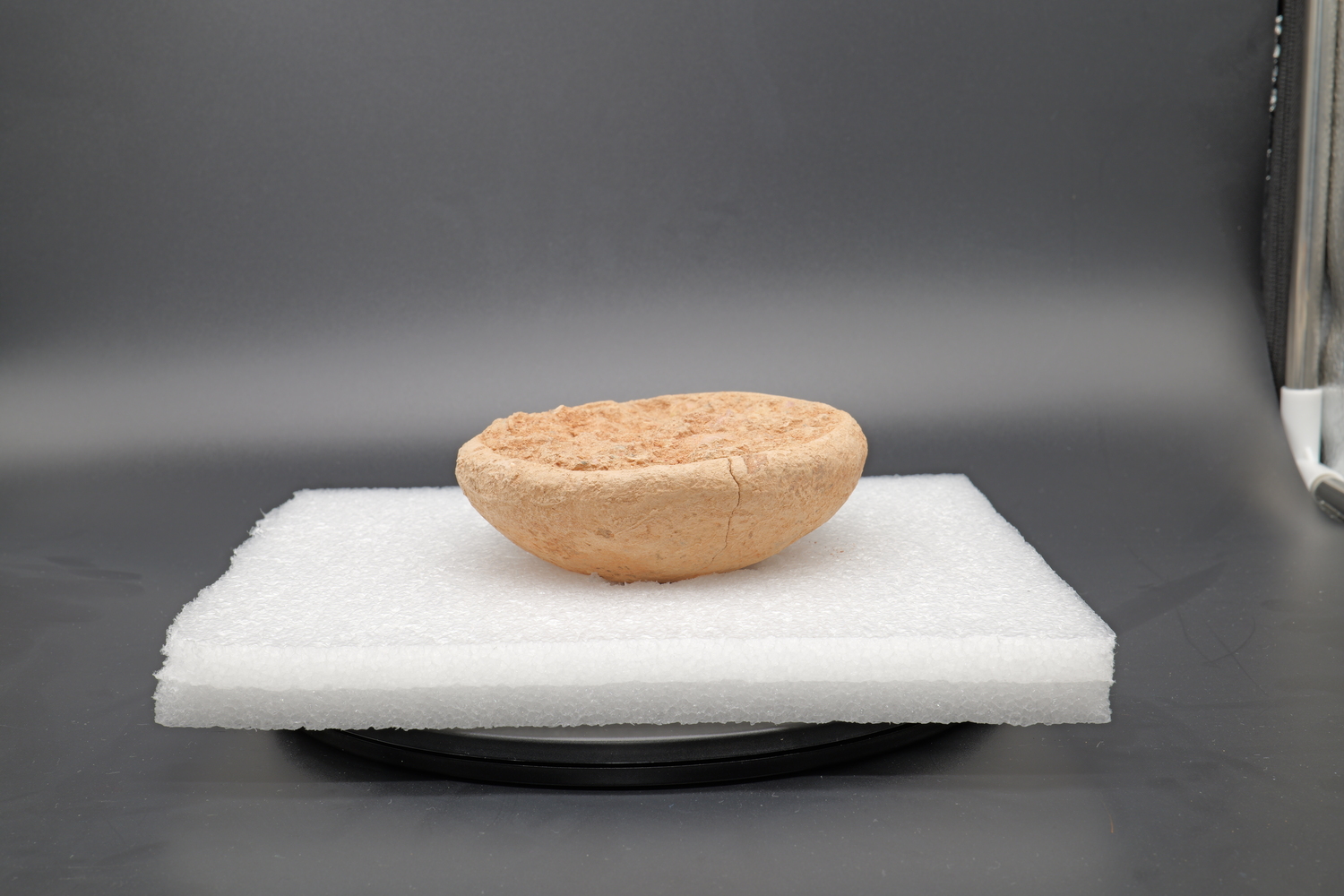
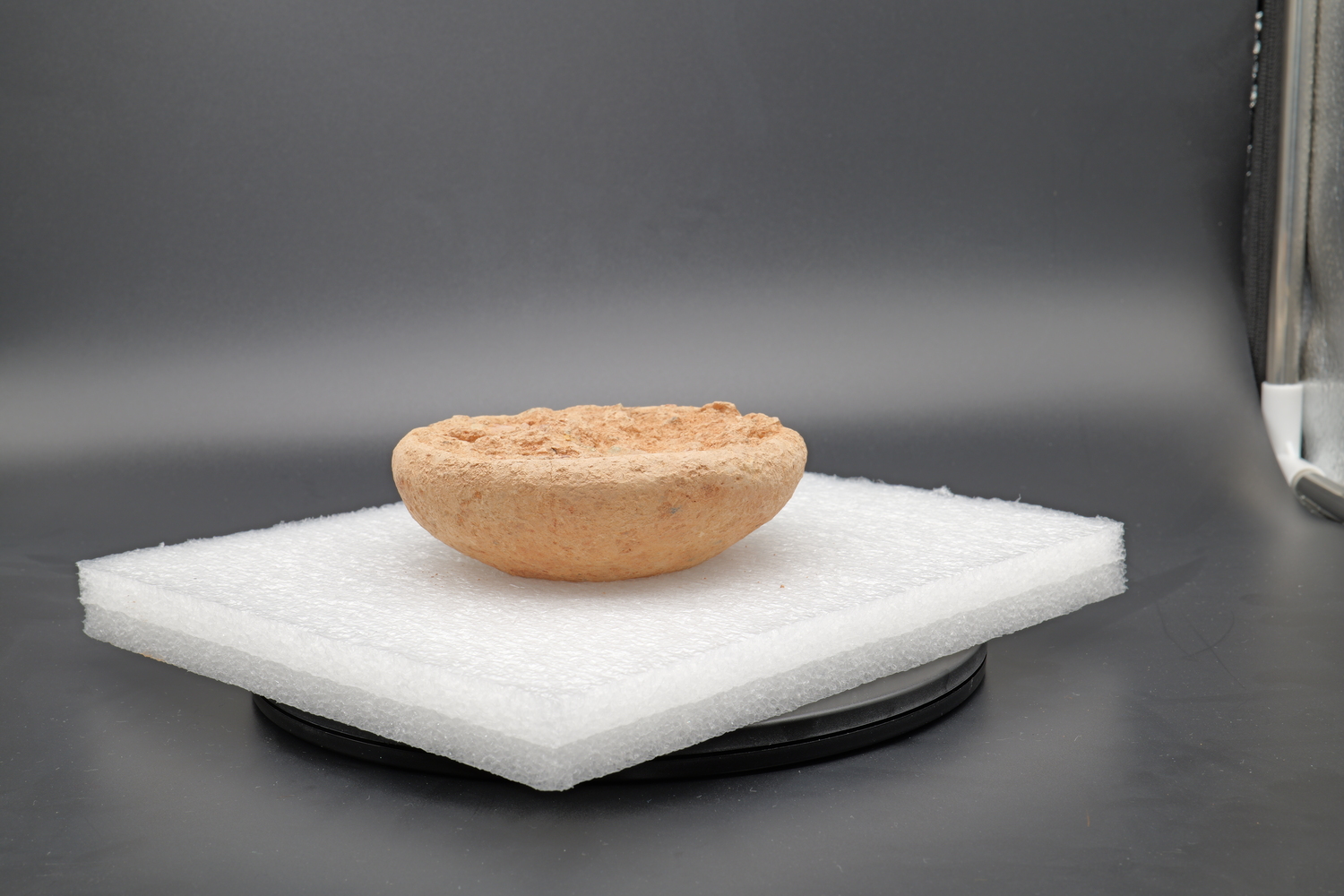
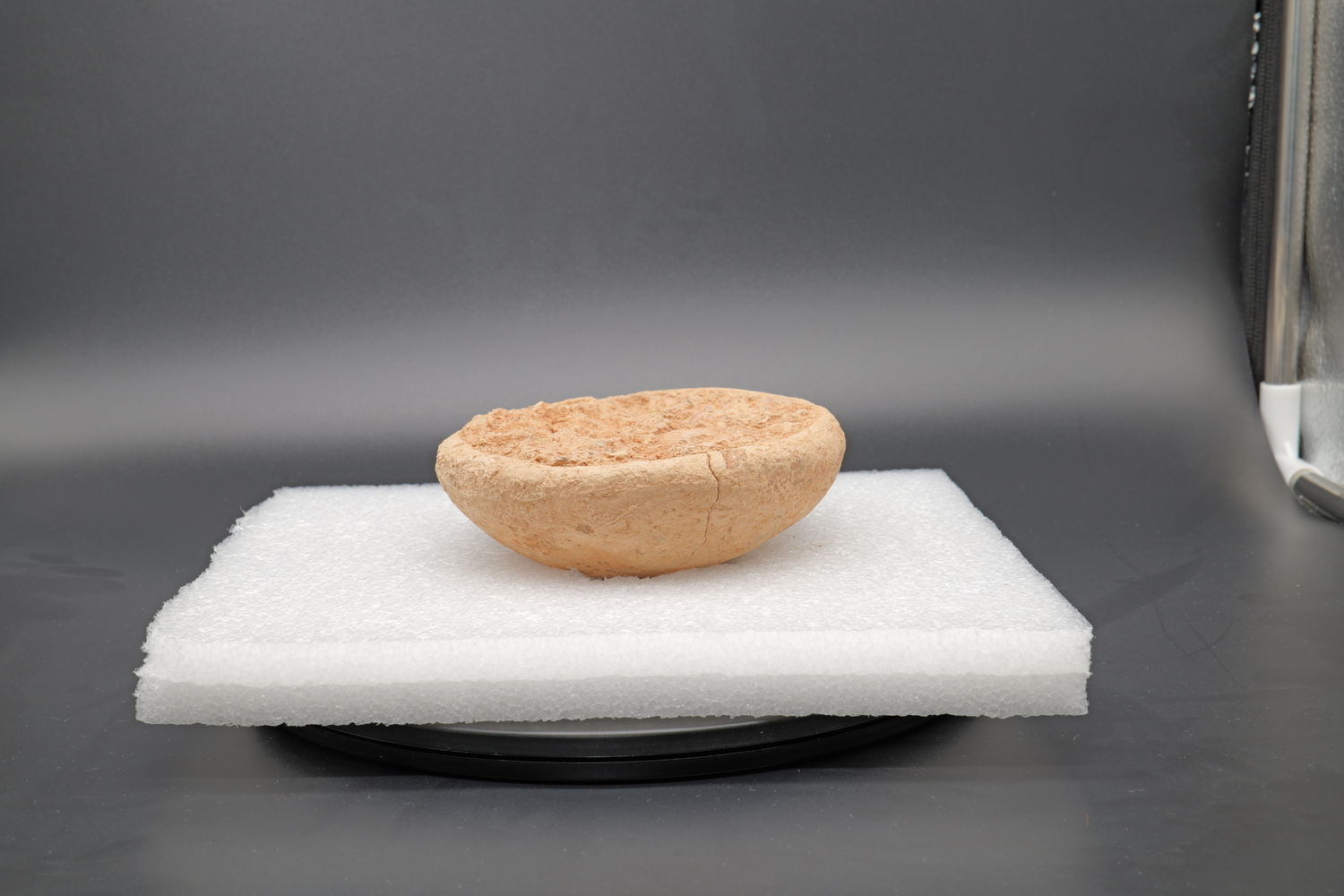
The ceramic vessel on display was recovered during the archaeological excavation of the La Traviesa necropolis; specifically, it was found inside cist no. 20. This burial belongs to the majority group of graves at the site, characterised by the simplicity of their funerary grave goods. Most of the excavated tombs lacked deposits or contained only one or several ceramic vessels, while associations with weapons or other prestige objects were exceptional. In cist no. 20, the only item deposited beside the deceased was this small ceramic bowl.
From a typological point of view, the piece was classified by the researchers within Prototype Form 4. It is a plain bowl with curved walls and an inward-sloping rim, with its maximum diameter located in the upper third of the vessel. It has a continuous profile, without a carination or angular changes, and a rounded bottom, lacking a differentiated base or foot. Its typological classification therefore corresponds to the configuration of its profile and to the proportions between height and width, rather than to the presence of decorative elements, which it lacks entirely.
The function of this type of vessel must be interpreted within the funerary context in which it was deposited. Its small size and capacity suggest that it may have been made for a specifically ritual purpose or, alternatively, that it represented a small portion of the ceramic equipment used in domestic activities. In any case, its presence as the only element of the grave goods of cist no. 20 reveals the sobriety that characterises most of the burials documented in the La Traviesa necropolis.
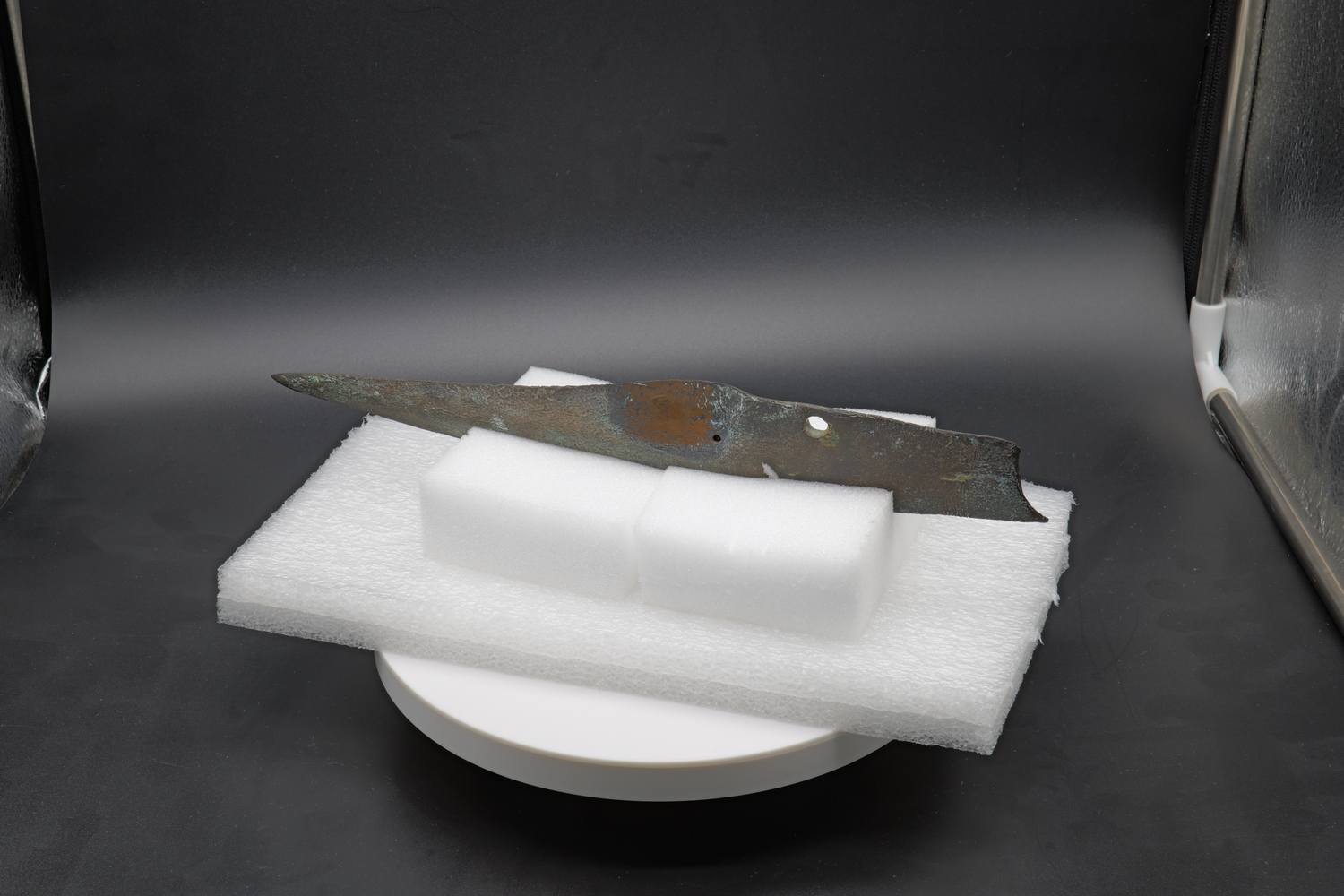
MONTEJÍCAR-TYPE HALBERD.
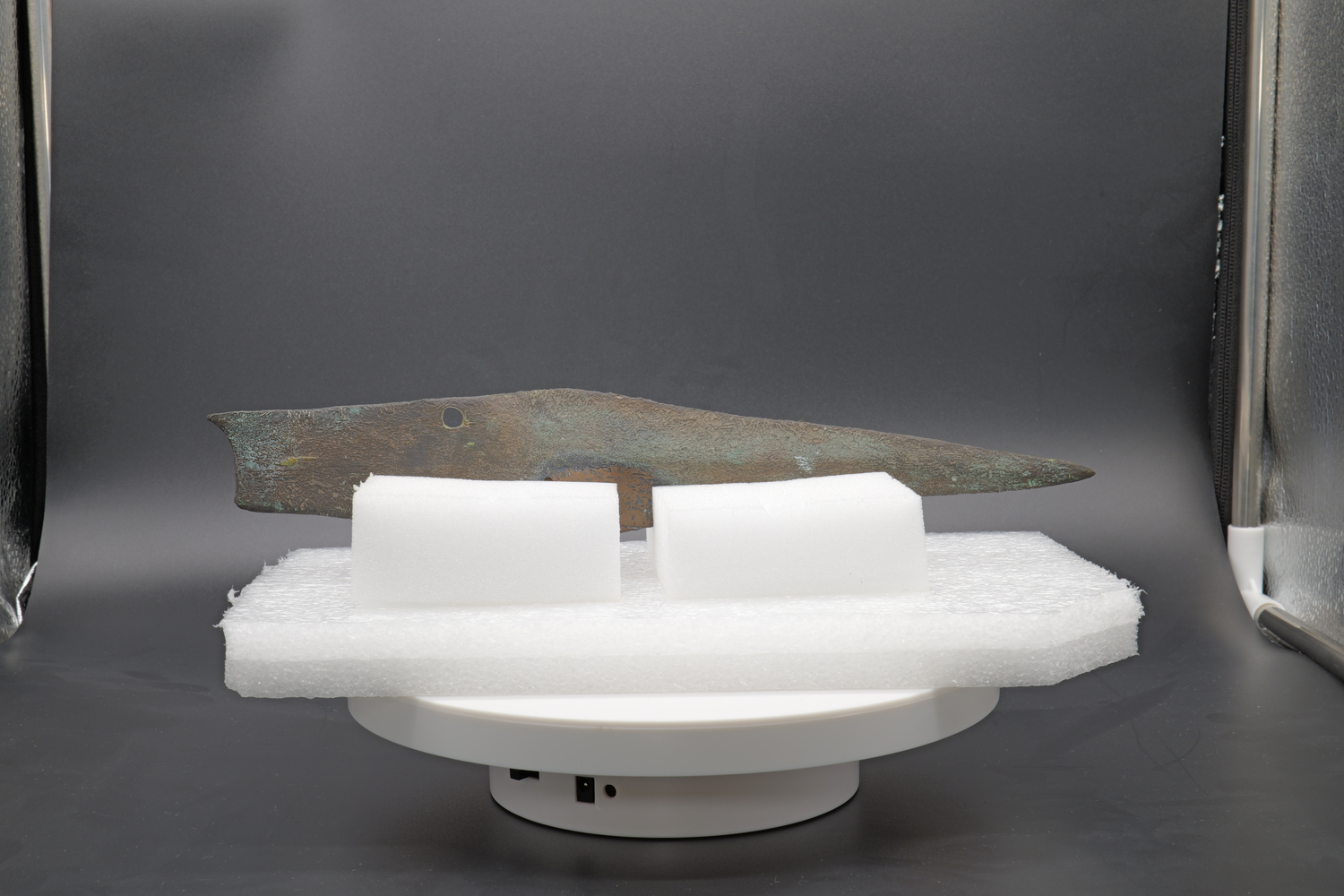
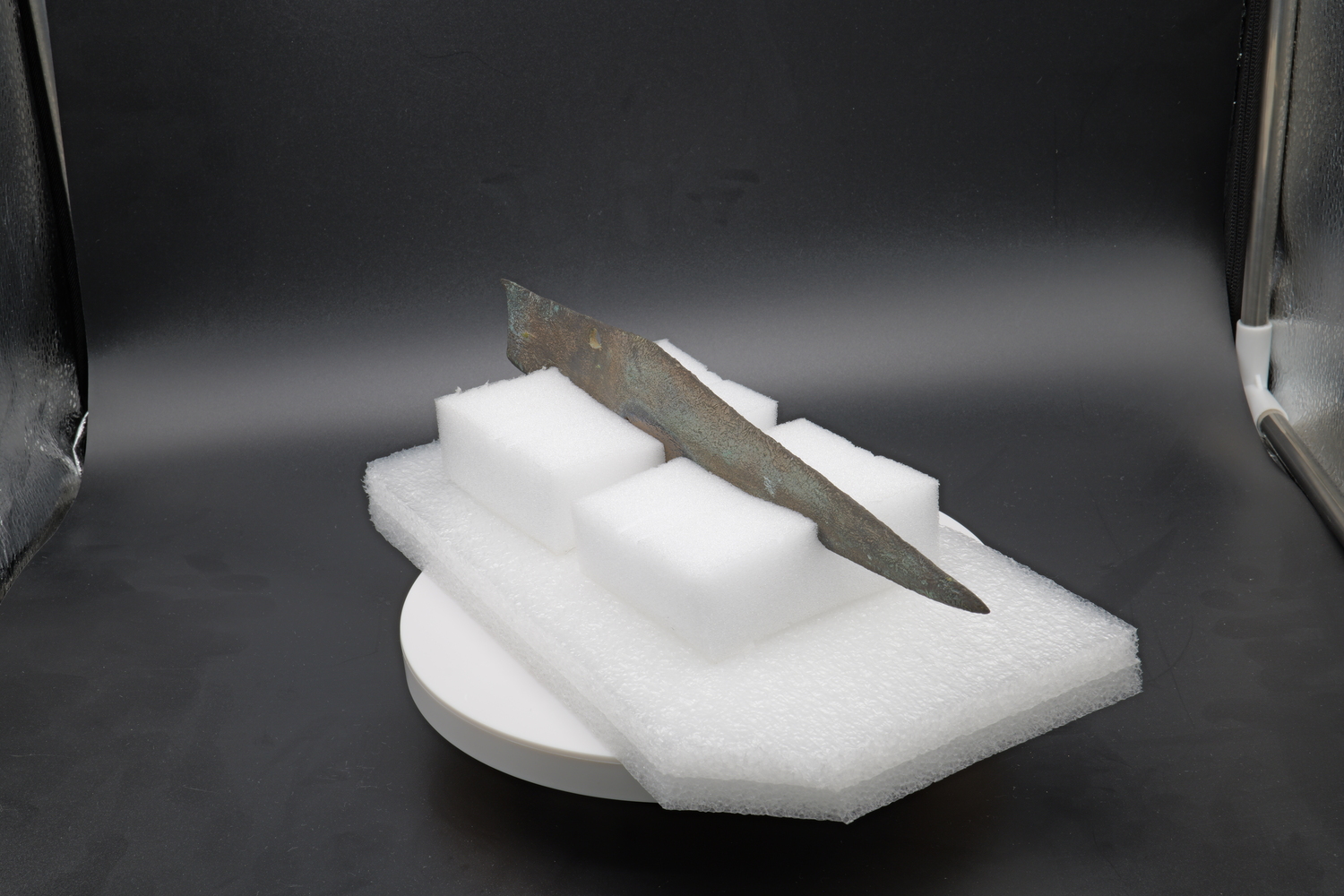
The Montejícar-type halberd found in the La Traviesa necropolis is the only metal artefact identified as part of the funerary grave goods from this site in Almadén de la Plata. It was recovered during the 1993 archaeological campaign inside cist no. 5, one of the best-preserved burials and one of the most architecturally distinctive in the necropolis. The grave goods consisted of two ceramic vessels and the halberd. The anthropological study of the skeletal remains made it possible to identify the individual buried there as a male between thirty and fifty years of age. Until the discovery at La Traviesa, only five examples of this type of halberd were known in the Iberian Peninsula, meaning that this find extended the known distribution of these weapons westwards.
The piece measures 275 millimetres in length, 45 millimetres in maximum width and 13 millimetres in maximum thickness. Its weight, excluding the two surviving rivets, is 301 grams. It has a blade with a pronounced central rib and a hafting plate, rectangular in tendency, with an almost flat surface and a curved distal end. The transition between both elements is defined by two small lateral fins. In the upper part of the plate are two perforations that retained the rivets used to fasten the weapon to a handle made of organic material, probably wood or bone, which has since disappeared.
The metallographic analyses identified the use of arsenical copper and revealed a technically complex manufacturing process, based on the separate production of the blade and the rivets, followed by successive hammering and annealing operations. All of this reflects the high level of metallurgical knowledge achieved by the communities of the south-western Iberian Peninsula during the Bronze Age.
The halberd from cist no. 5 stands out both for its rarity in the south-western Iberian Peninsula and for its association with the most monumental burial in the necropolis. The known examples of this type of weapon appear linked to male burials and are considered one of the main indicators of prestige and social differentiation during the Bronze Age. At La Traviesa, its presence, together with the dimensions of the grave, the distinctive nature of the grave goods and the identification of a male individual, reinforces the interpretation that the deceased occupied a prominent position within his community and reflects the process of progressive social hierarchisation experienced by the communities of the western Sierra Morena during the first half of the 2nd millennium BC.
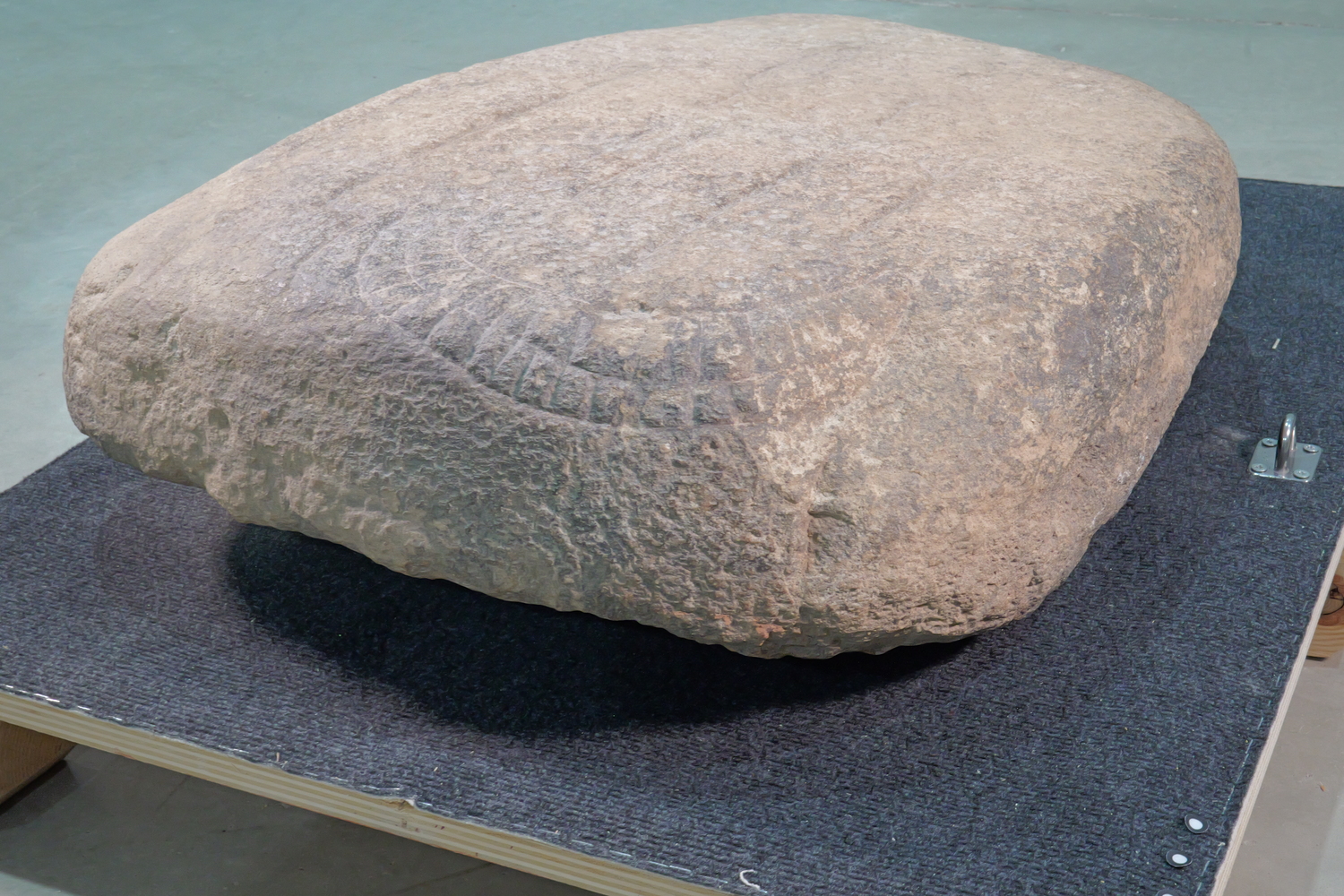
WARRIOR STELE.
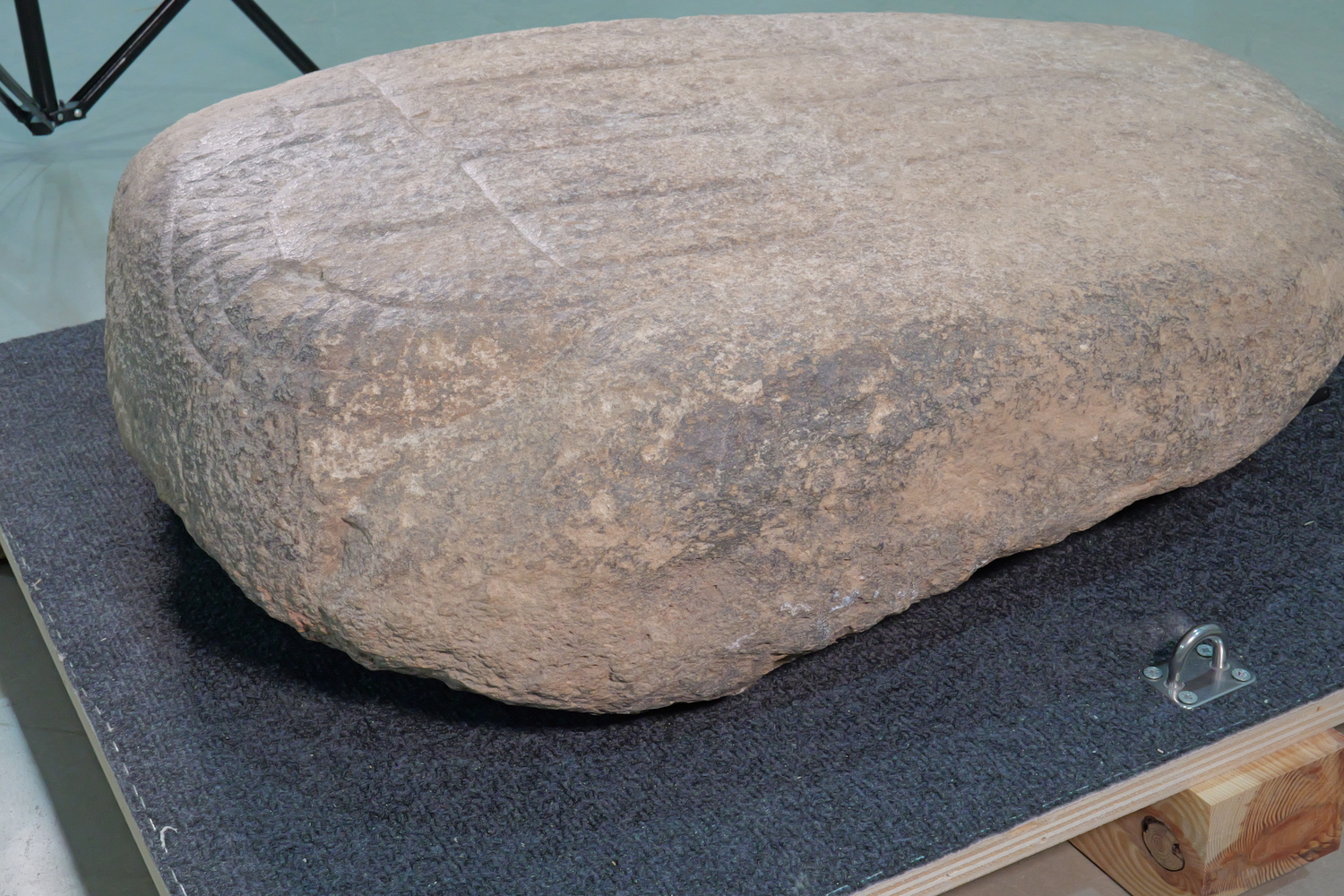
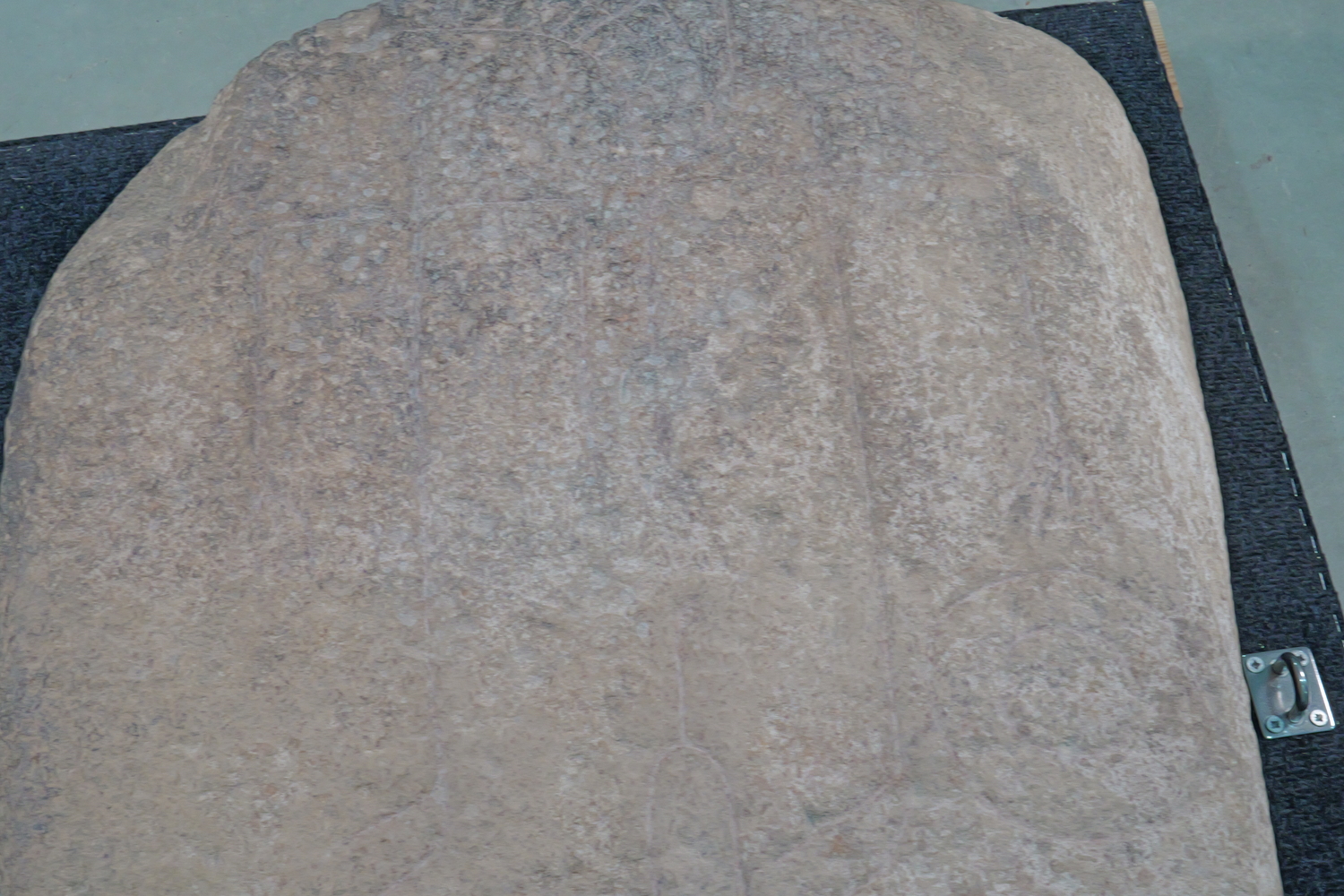
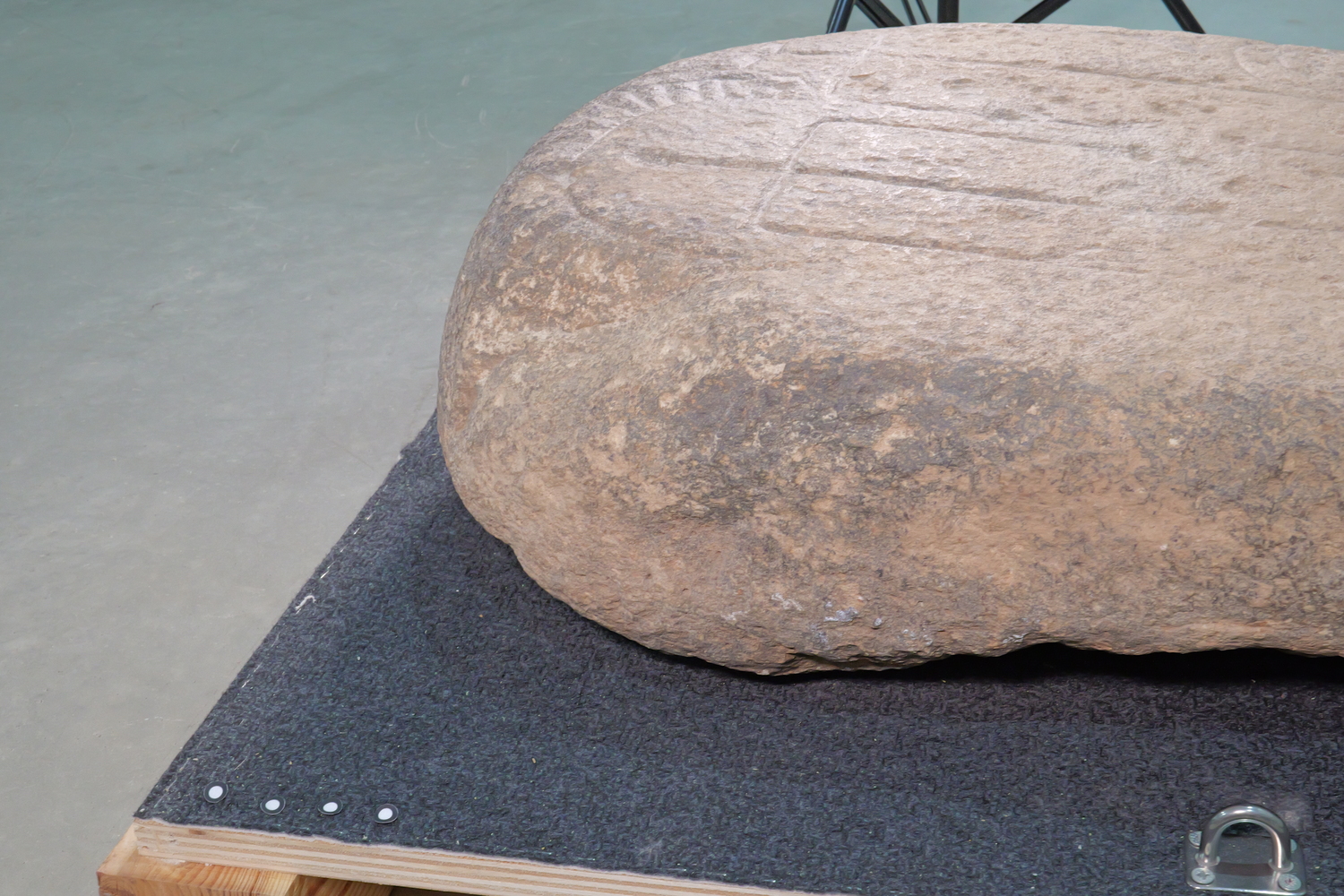
The Almadén de la Plata Stele 2 constitutes one of the most important finds for the study of the decorated stelae of the Late Bronze Age in the south-western Iberian Peninsula, both because of its excellent state of preservation and because of its distinctive iconographic composition.
It was discovered in March 2005 on the Dehesa del Viar estate, in the south-eastern sector of Almadén de la Plata (Seville). It was found almost completely buried in a stone heap, in the same place where Stele 1 had been located months earlier. The discovery took place at a strategic point, situated at the beginning of the Viar River valley, a transition zone between the river valley and the mountain range, just 150 metres from the Cordel de El Pedroso, an important livestock route of historical use.
The piece is carved on a block of fine-grained volcanic tuff, a relatively soft and easy-to-work material probably of local origin. It measures 76 cm in maximum length, 53 cm in width and 18 cm in thickness, and is characterised by a pointed base that suggests that it was not erected as a freestanding monument, but rather integrated into a wall face or another monumental structure.
Its distinctive iconographic composition makes it an exceptional example within the group of stelae from the south-western Iberian Peninsula. The scene follows a highly abstract graphic language, in which the figures are rendered through simple linear outlines, while the attributes that identify them are defined with remarkable precision. The composition shows two anthropomorphic figures of identical size and hierarchical position. The figure on the left wears a horned helmet, a broad-bladed sword with a circular pommel and a shield decorated with concentric circles, while the figure on the right displays a diademed motif surrounding the head and neck, with a complex interior decoration in the form of a grid.
This iconographic combination calls into question the traditional separation between the so-called “warrior stelae” and “diademed stelae”, by bringing together in a single composition attributes that until then had been considered characteristic of different categories. Likewise, the equality in size and arrangement of both figures suggests hierarchical equivalence, differing from other stelae with several anthropomorphic figures in which one of them is represented at a smaller size or without prestige attributes. Chronologically, the piece is situated in the Late Bronze Age, between the 9th and 8th centuries BC, at a time of profound social transformations preceding the formation of the Tartessian world.
Research carried out on this type of stele indicates that their function must have been plural. Their location in strategic places, frequently linked to natural communication routes or to transition zones between different landscapes, suggests that they may have acted as markers of territorial boundaries or elements for marking the landscape. At the same time, their strong symbolic content points to a ritual, political and ideological dimension, related to the monumentalisation of sites of special significance for the communities that erected them.
From an ideological point of view, these pieces reflect a profound change in relation to the great collective monuments of recent Prehistory. In contrast to representations linked to the memory of ancestors, they exalt specific individuals through weapons and other symbols of prestige, becoming a manifestation of the growing process of social hierarchisation and the consolidation of new forms of leadership during the Late Bronze Age. The Almadén de la Plata Stele 2 also constitutes an exceptional example of this new symbolic conception, by combining two figures of equal rank in a single composition and transcending the traditional distinction between “warrior stelae” and “diademed stelae”.
3D Objects
Videos
Warrior Stele
Warrior Stele Subtitled
Bibliography
García Sanjuán, L. (1998). La Traviesa. Ritual funerario y jerarquización social en una comunidad de la Edad del Bronce de Sierra Morena Occidental. SPAL Monografías, 1. Sevilla: Universidad de Sevilla.
García Sanjuán, L. (1995) “Intervención de urgencia en la necrópolis de la Edad del Bronce de la Traviesa, Almadén de la Plata, Sevilla”, en Anuario Arqueológico de Andalucía 1992. III. Actividades de Urgencia. Sevilla: Junta de Andalucía.
García Sanjuán, L., & Vargas Durán, M. A. (1997). Intervención de urgencia en el yacimiento de la Edad del Bronce de La Traviesa (Almadén de la Plata, Sevilla). en Anuario Arqueológico de Andalucía 1993. III. Actividades de Urgencia. Sevilla: Junta de Andalucía
García Sanjuán, L. y otros (2006). “Las estelas de guerrero de Almadén de la Plata (Sevilla). Morfología, tecnología y contexto.” En “Trabajos de Prehistoria 63, No 2, pp. 135-152
Silva Patino, M. M., Vargas Durán, M. A. (2010). “Labores de consolidación, restauración y restitución arqueológicas en la necrópolis de La Traviesa, Almadén de la Plata, Sevilla”. En Anuario Arqueológico de Andalucía 2010. Junta de Andalucía.