
- Home
- Interest points
- Snow Wells
Info
The complex is situated within the Sierra Norte Natural Park. In 2006, Los Pozos de la Nieve received a Special Mention from Europa Nostra for its valuable contribution to the conservation and enhancement of cultural and industrial heritage; a year later, in 2007, Constantina Town Council also awarded it a prize for Urban Initiatives for Heritage Conservation. These are the only snow pits in Western Andalusia and also the only ones incorporated into a building in the whole of Andalusia.
They are situated to the north-east of Constantina, next to the junction between the roads to San Nicolás del Puerto and Cazalla de la Sierra. The building that houses them stands on a hill, and on the plain to the north are the pools from which the ice was extracted. The snow was collected as soon as it fell.
Know more
Uses and technology
- Ice and snow were already in use in Roman times and during the Middle Ages, when they were considered luxury goods. On the Iberian Peninsula, their use in al-Andalus is documented from the mid-12th century onwards, as reflected in Arabic treatises on gastronomy and medicine. In the 16th century, the number of users increased significantly and numerous books were published on the benefits of their use.
- In terms of gastronomy, they are associated with cold drinks, sorbets and ice cream, as well as the preservation of food at banquets and celebrations; their medicinal use helped to reduce fever and treat inflammation, migraines and haemorrhages.
- We can trace the process of producing ice and snow from the 16th century through to the late 19th and early 20th centuries, when it was superseded by industrial production.
- Harvesting took place from December to March. Snow was piled into heaps and deposited in pits using baskets; ice was chopped up and laid in layers in the pit. Each layer was compacted with mallets and insulated with horizontal layers of straw and vertical reeds on the walls, remaining in storage until spring.
- Snow and ice were sold in blocks of a predetermined weight, which were stored in wooden crates and wrapped in blankets. They were transported on the backs of mules or donkeys to a navigable river and from there carried by boat or on rafts to the cities – in this case, Seville.
- The entire production and transport process took place at night; even so, approximately 20 to 25 per cent of the goods could be lost.
The snow wells of Constantina
- In the 16th century, Seville’s supply of snow and ice came from Granada or Ronda. These distant locations not only made the goods more expensive but also led to significant losses in stock. For this reason, the Seville City Council decided to purchase the snow wells in Constantina in 1684.
- We do not know the origin of these snow pits due to a lack of research; what is certain is that in 1692 the Seville City Council purchased the three pits, the springs or water sources feeding the complex, the watercourses, the reservoirs and the equipment (tools and machinery). Their existence therefore predated this date, although until then they had been in private hands
- The water supplying the facility came from the area around the chapel of Nuestra Señora del Robledo; it was channelled through watercourses and stored in a series of reservoirs (pools) until it reached the bathing pools, of which there were 80 in 1692, rising to 103 a century later and reaching 108 by 1855.
- In 1696, an agreement was reached with the town council of Constantina to supply it with 30 loads of ice, each weighing 20 arrobas, at a price of two and a half reales per load; an order was issued from Seville stipulating that no ice was to be sold to any other town except Seville. A century later, in 1796, the town of Constantina was granted as much ice as it required.
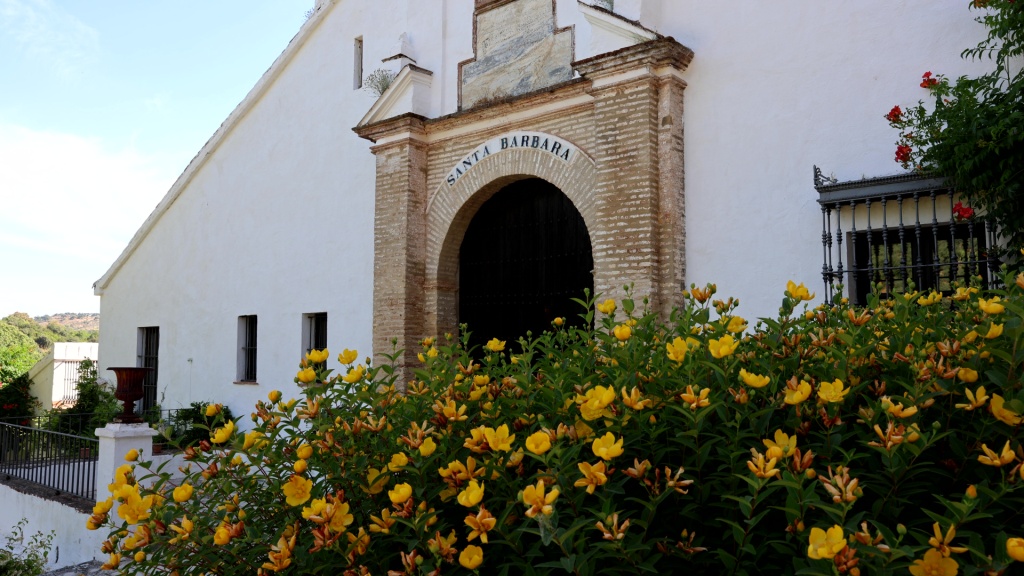
- In that same year, 1696, work began on the building we can see as we arrive, a fact commemorated by an inscription on the building’s façade, which reads as follows:
“Reigning in Spain, Don Carlos
Second, His Lordship, the Most Illustrious City Council and Regiment
of Seville purchased these wells with their reservoirs,
water and all other appurtenances, together with the well of
Robledo, its waters and reservoirs, at a public auction in the
year 1684; and in 1694, it obtained a privilege from
His Majesty and a licence to (...) in said wells, and exemption
from the fifth tax; and now, in this year of 1696, at its
own expense, it has ordered these works to be carried out by agreement of
30 December of the said year 1696, with Don Lorenzo Fernández
de Villavicencio, Marquis of Valhermoso, Knight
of the Order of Calatrava, Steward to Our Queen,
the Lady of the Council of the Treasury of His Majesty, and the Deputies
of the Royal Treasury, Messrs Don Gerónimo Ortiz de
Sandobal y Zvñiga and Don Fernando Cavallero de Yllescas,
, of His Majesty’s Council of the Treasury, and the Deputies
for the Royal Revenues: Messrs Don Gerónimo Ortiz de
Sandobal y Zúñiga, Don Fernando Cavallero de Yllescas
the 24th, and Don Bartolomé de Zespedes Villarreal, Juror and
Chief Procurator; and Mr Don Diego Muñoz de Dveñas
Steward and Treasurer of the said Local Revenues, Don Juan
de Angulo Pedroso”.
- In 1839, the premises were leased out, and in 1855, following the Confiscation of Church Property under Pascual Madoz, they must have been sold to a private individual. There are records dating from the 1920s, when numerous pools were destroyed to convert the area into a vegetable garden. From 1938 onwards, the building was used as a slaughterhouse until the owner’s death, after which the property fell into disrepair whilst the legal dispute between the heirs was ongoing; ownership eventually passed to the Merchán Álvarez family, who sold it to its current owners.
The industrial complex
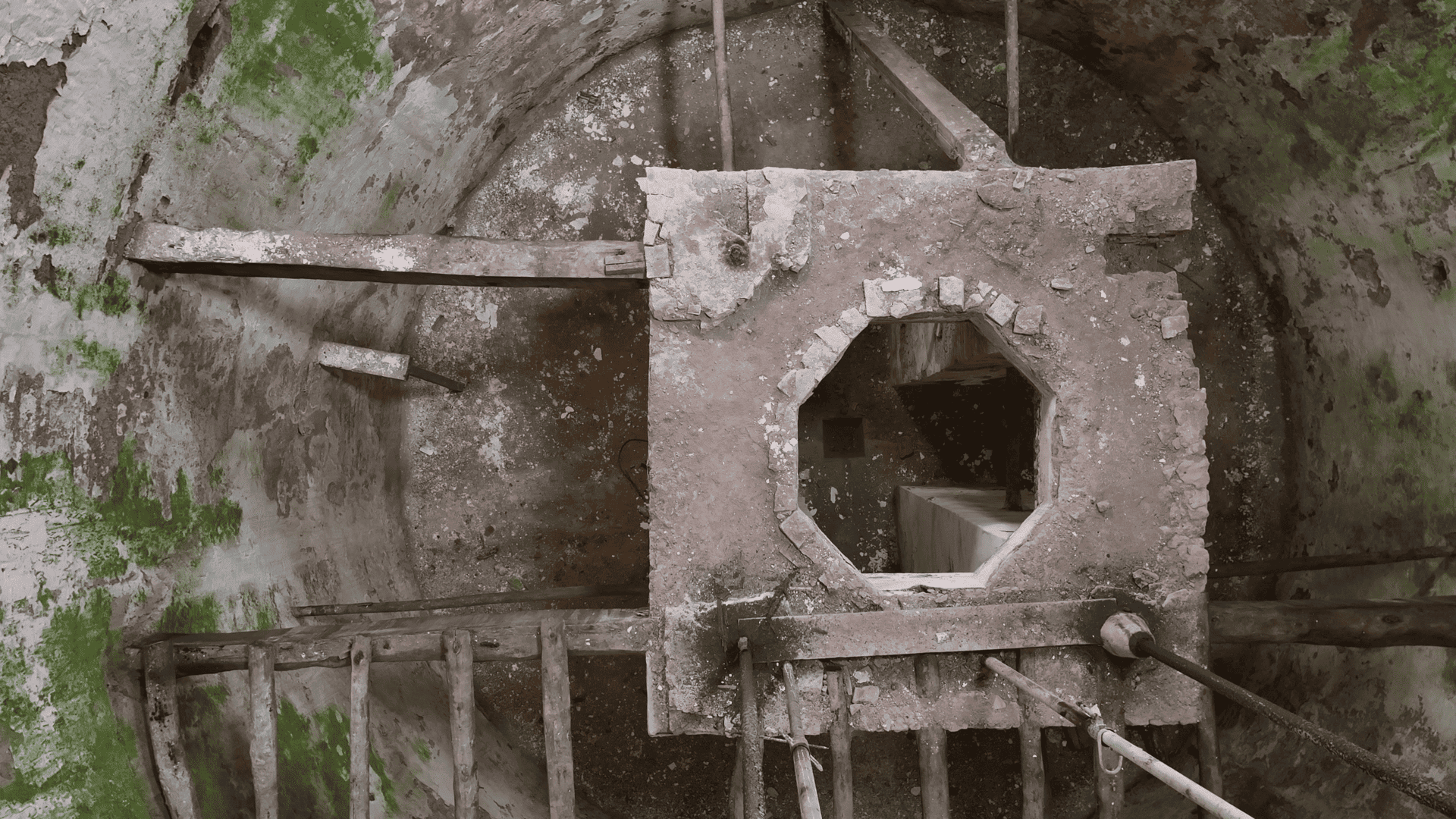
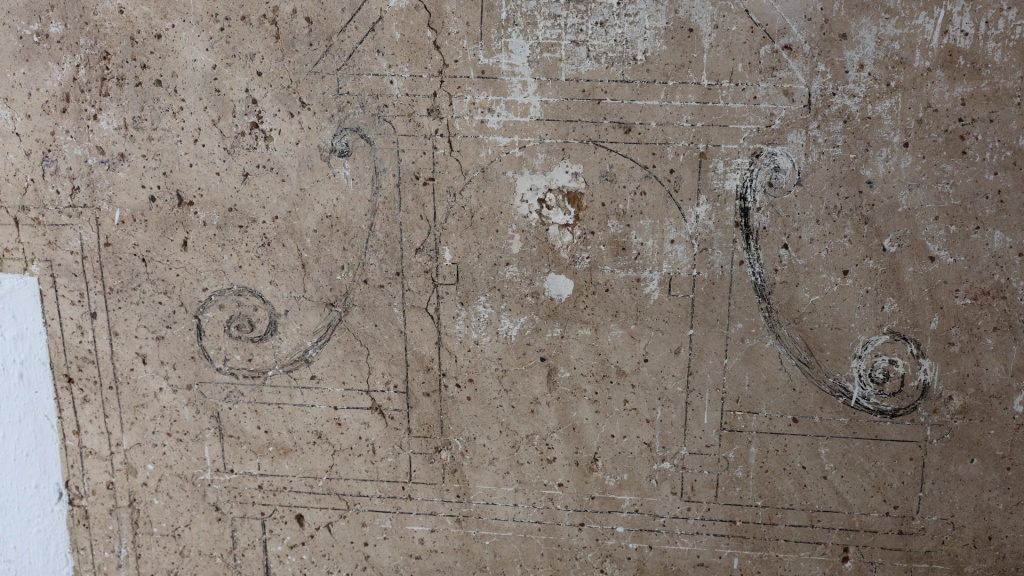
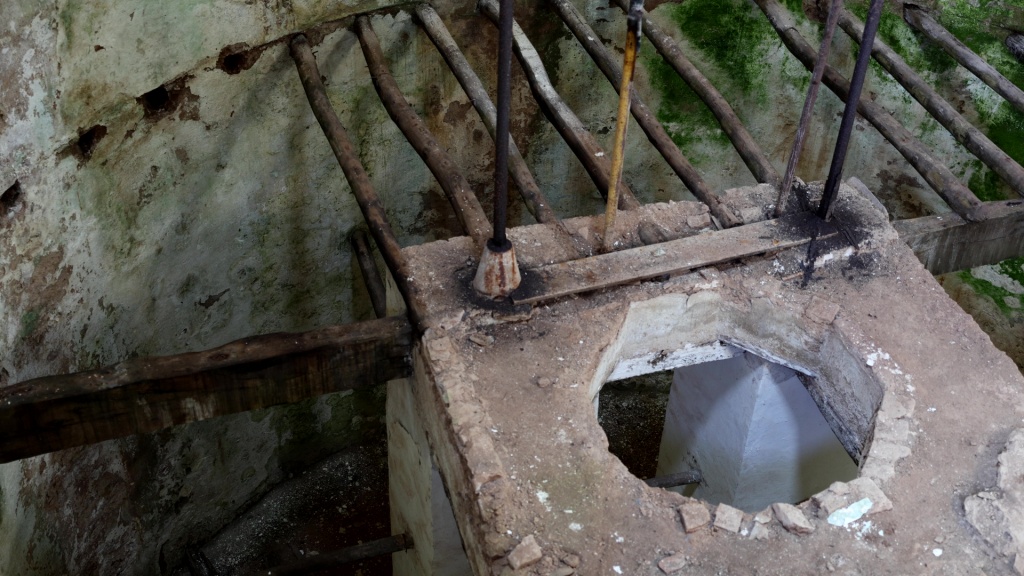
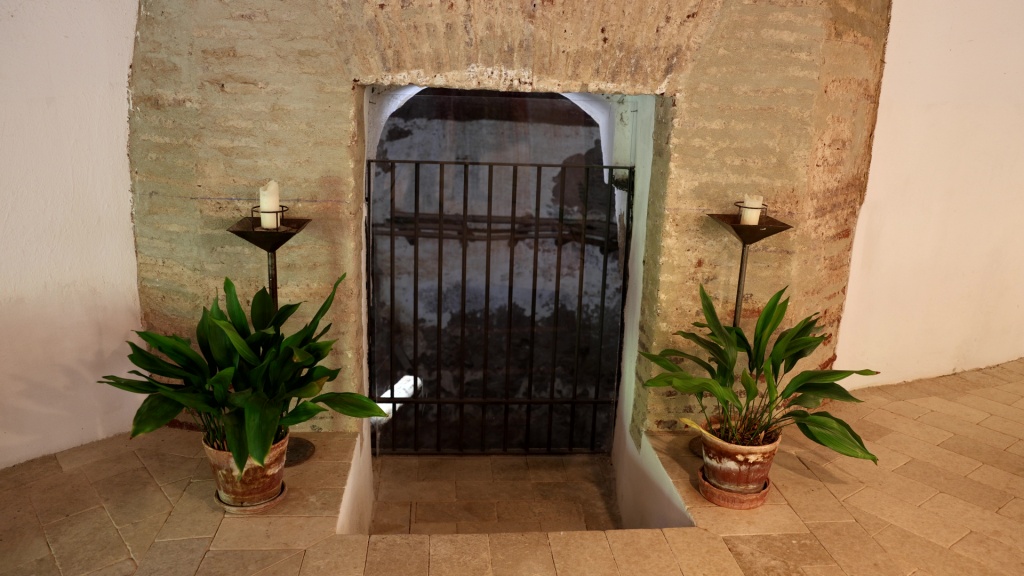
- The two surviving snow pits are located inside a rectangular building measuring 31 x 15 m, covered by a gabled roof and comprising a basement and two storeys. The large well has a total height of 14 m and a diameter of 5 m, whilst the small well is 8 m high and 3.90 m in diameter. Both were vaulted in 1760 and 1761. The wells have three levels, two of which are below ground level.
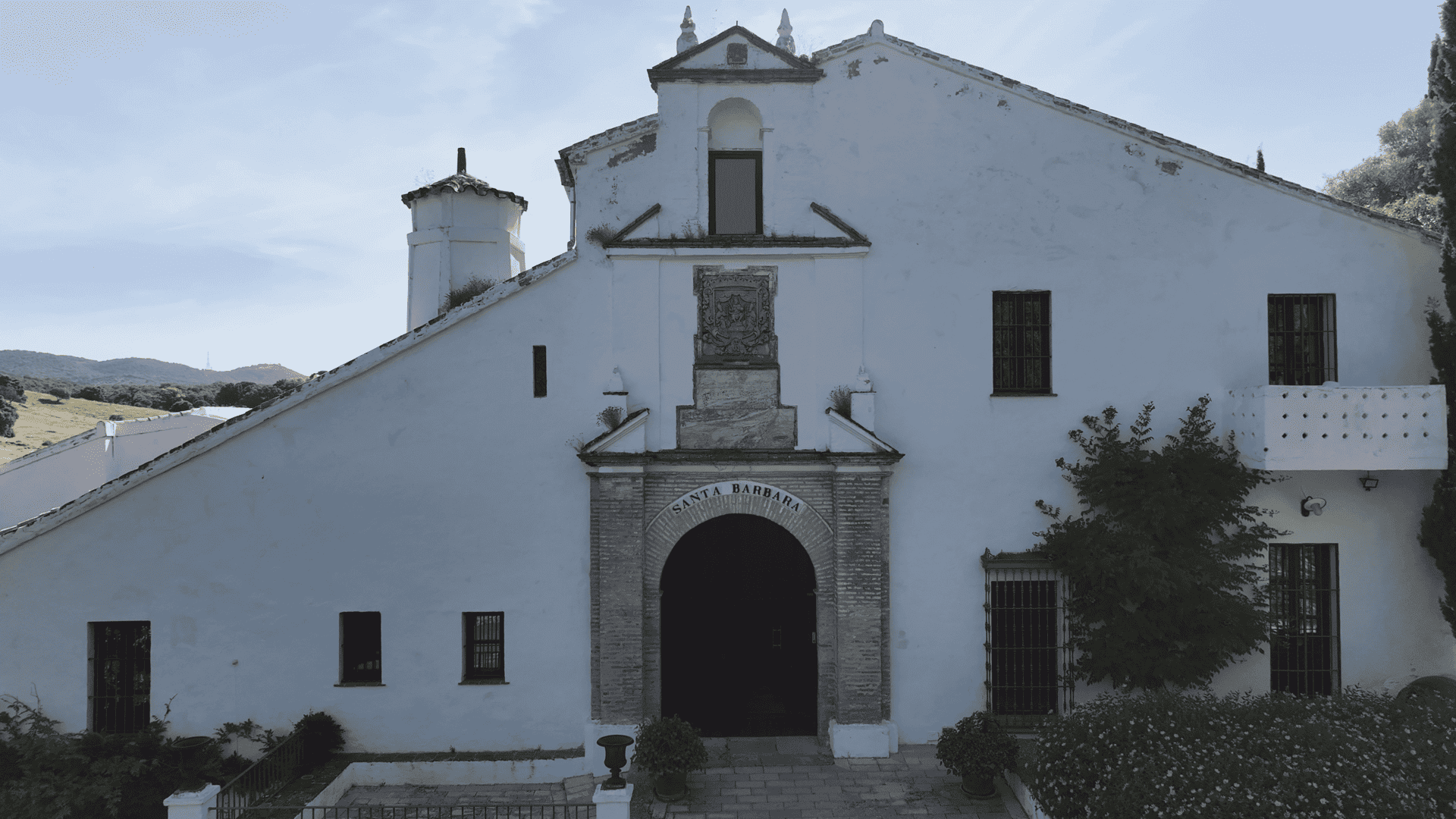
- The main façade retains its entrance portal with a semicircular arch at the centre, where the tiled inscription ‘Santa Bárbara’ (the name given to the slaughterhouse in 1938) remains. The arch is framed by two pilasters and a split pediment; the second section of this doorway is dominated by the coat of arms of the city of Seville, with a new, smaller split pediment, all topped by a bell gable. On the ground floor, two windows with lintels and grilles remain on the left-hand side, and on the right-hand side there is a closed section with a lintel and grille. On this right-hand side, on the upper floor, there are two windows and a balcony; the latter appears to be contemporary.
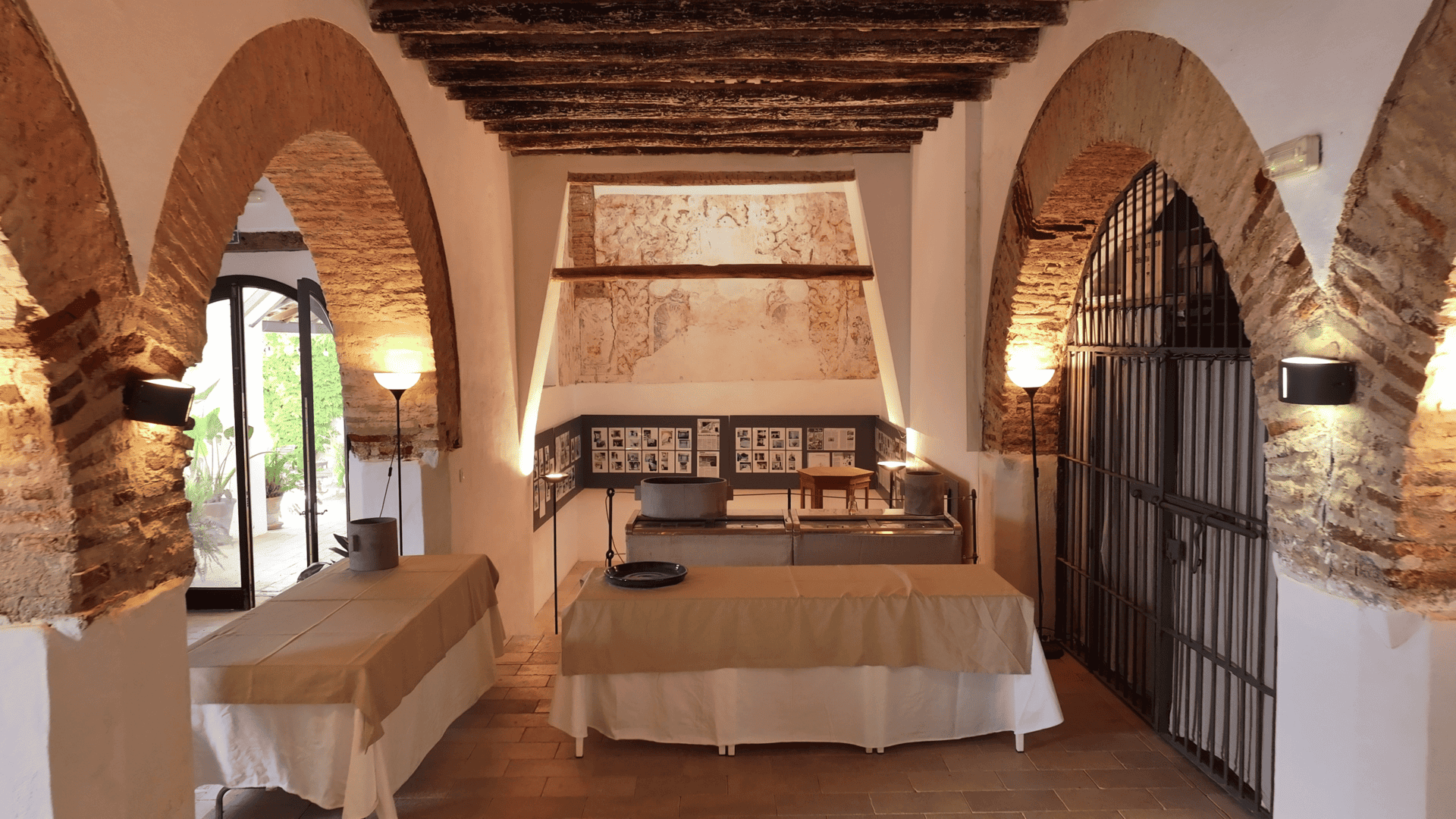
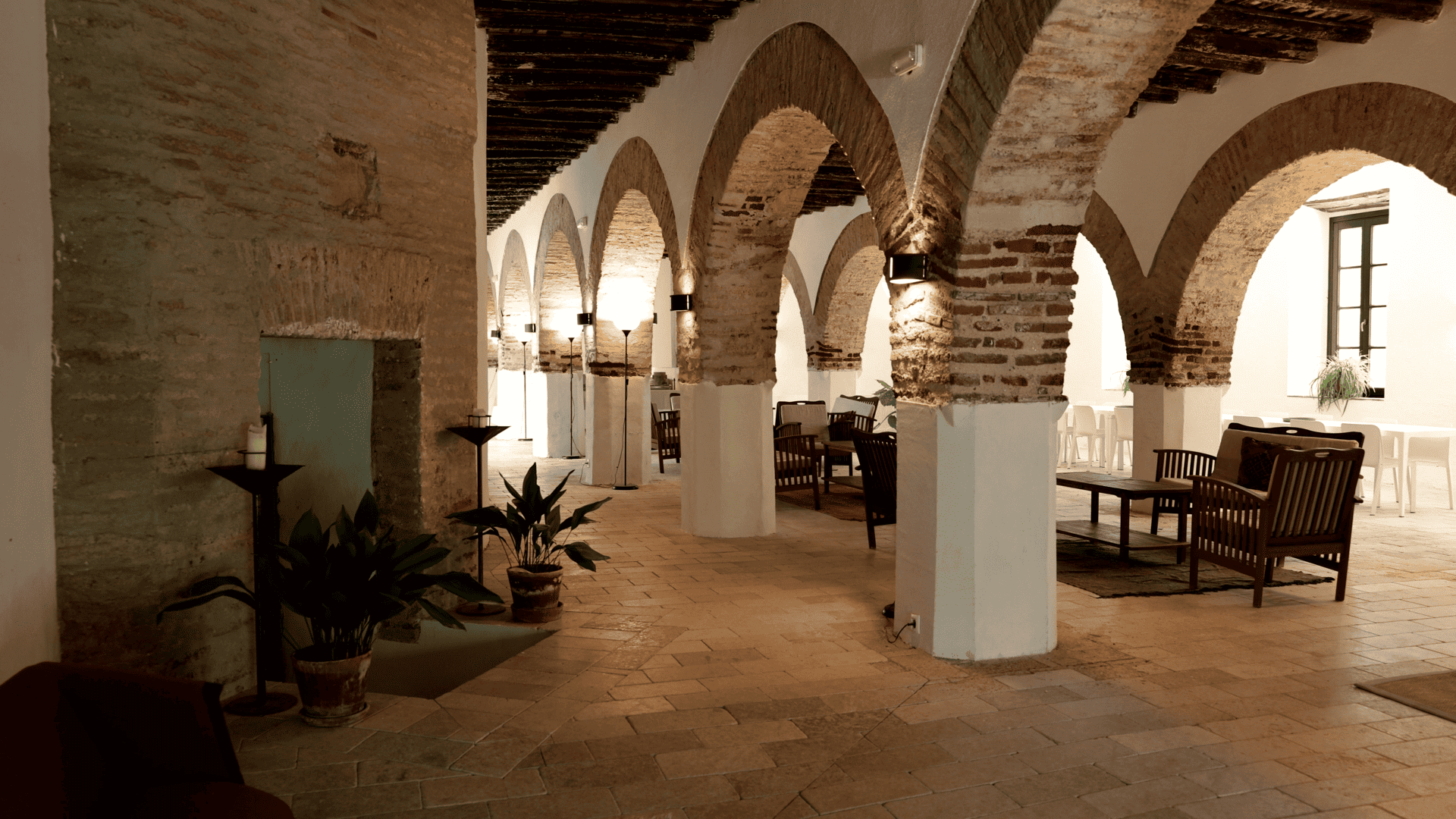
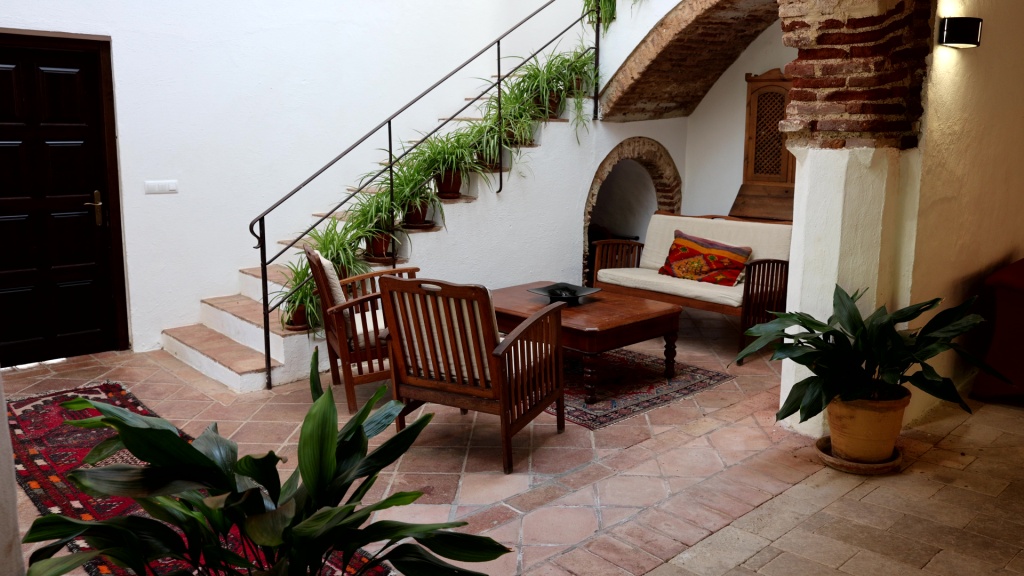
- The main building is attached to the south of the two snow pits; it has a rectangular floor plan (30 x 15 m) with two naves divided by eight octagonal pillars with recessed semicircular brick arches.
Videos
Snow Wells
Snow Wells Subtitled
Bibliography
Guía Digital IAPH
Antígona Márquez Pascual (2022) “Los Pozos de la Nieve”. Manantiales y Fuentes de Andalucía.
José Ignacio Martínez Ruiz (1987) “Notas en torno a los pozos de Nieve de Constantina y el abastecimiento de Sevilla en el siglo XVII”. V Congreso de Profesores-Investigadores “Hespérides”, 319-322.
Robledo Valdivieso (2003) “Los Pozos de la Nieve”. La Almena, 20-22.