
- Home
- Interest points
- Virtual Viewpoint Las Navas de la Concepción
Info
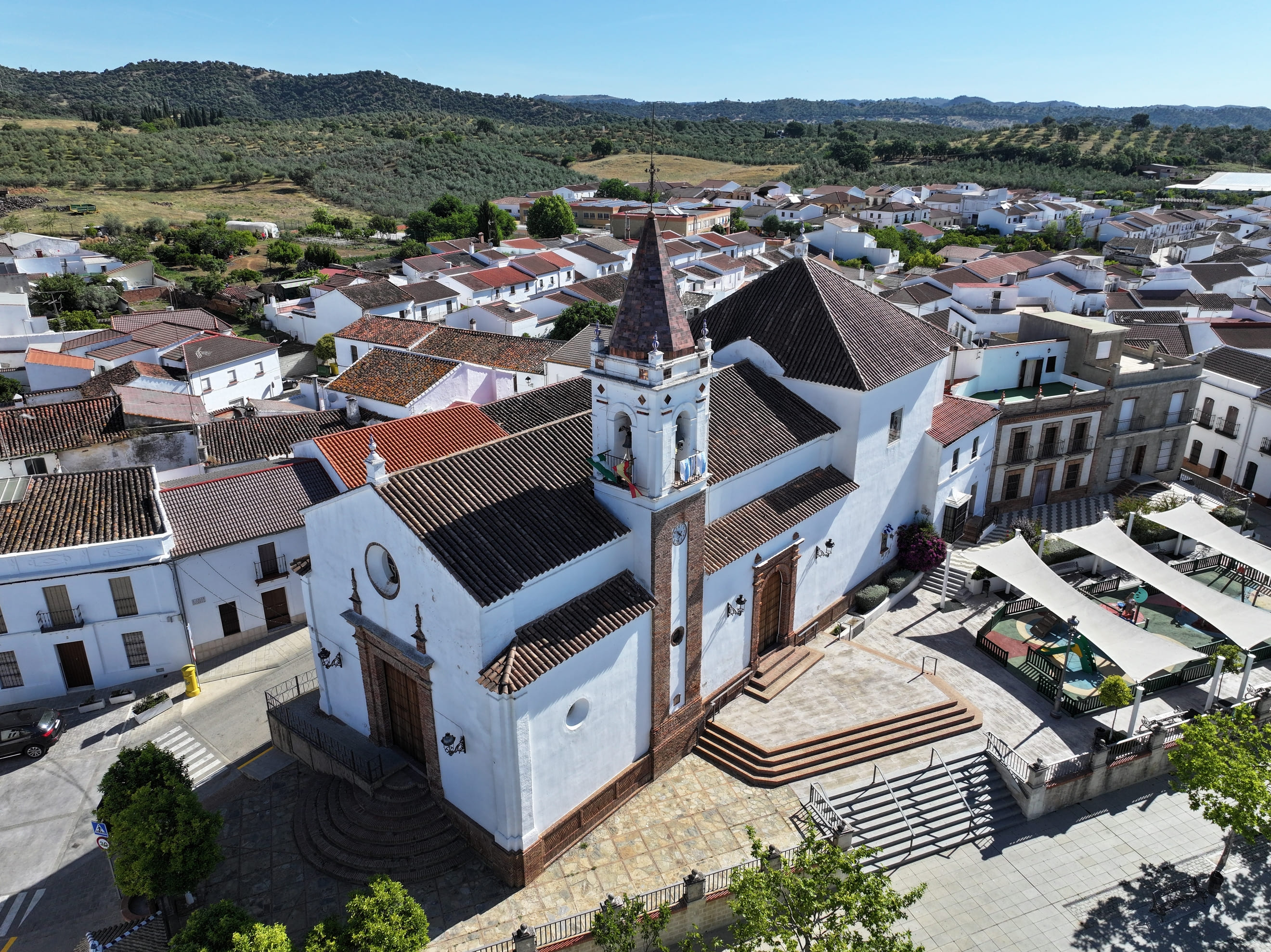
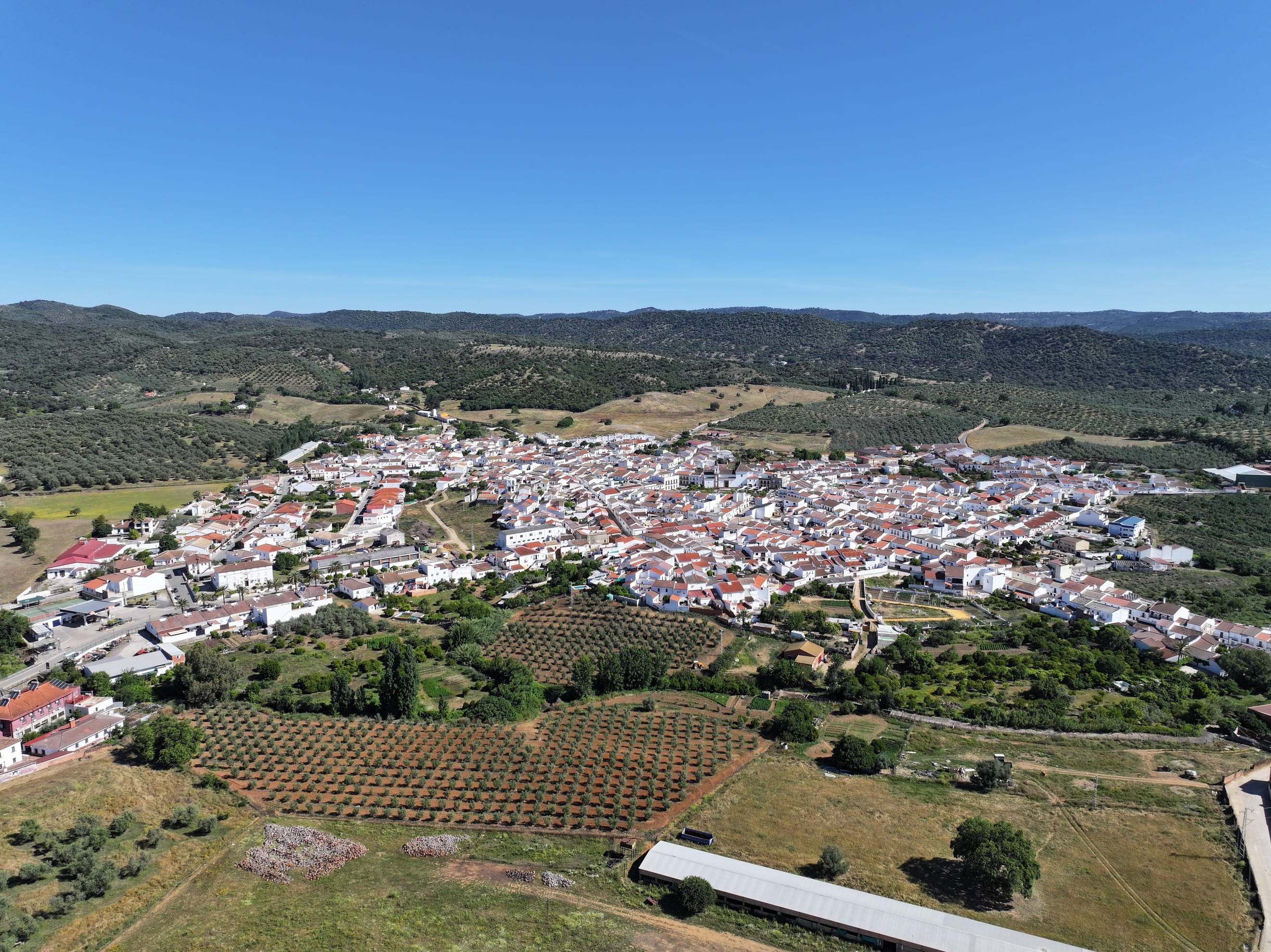
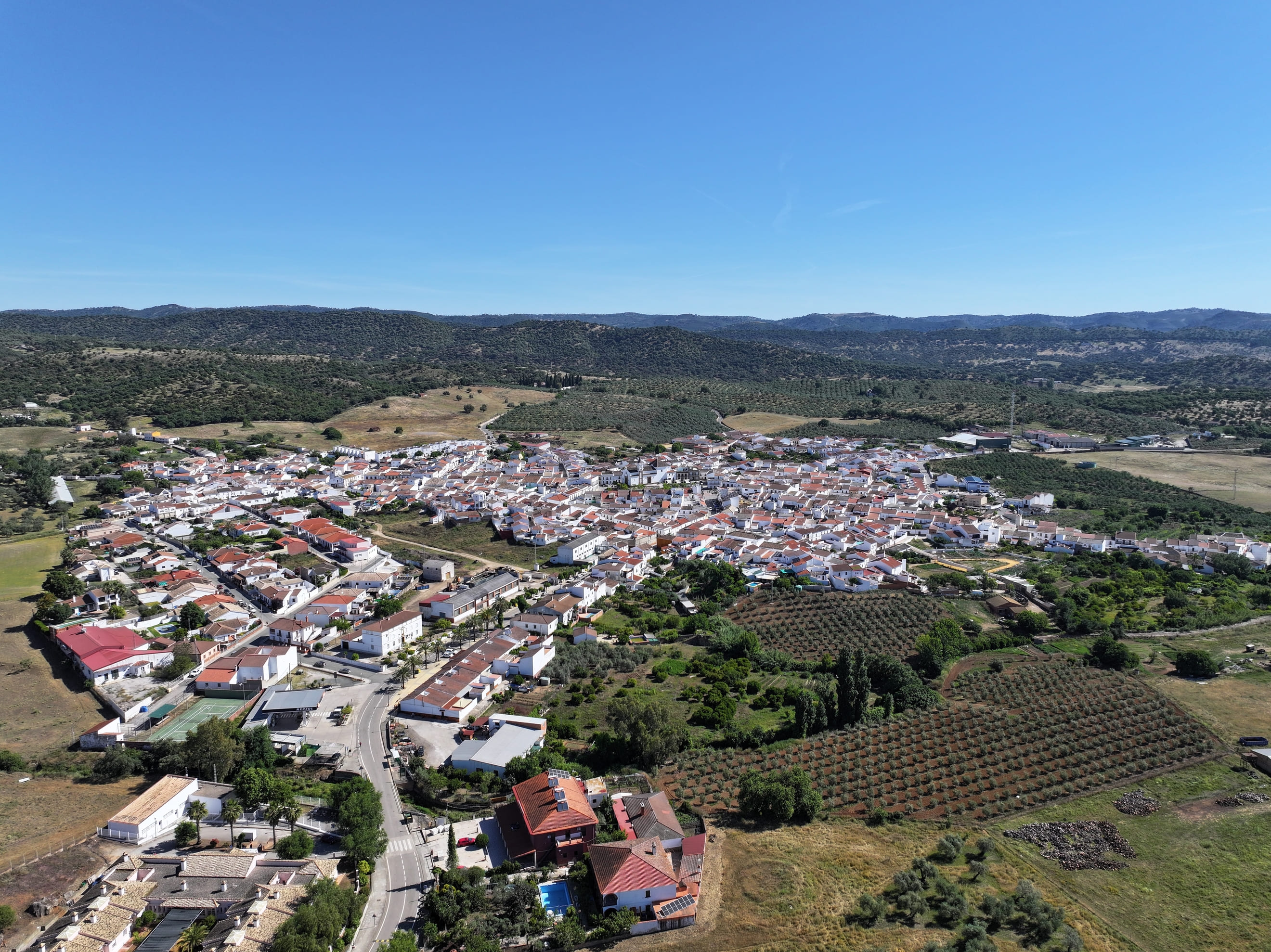
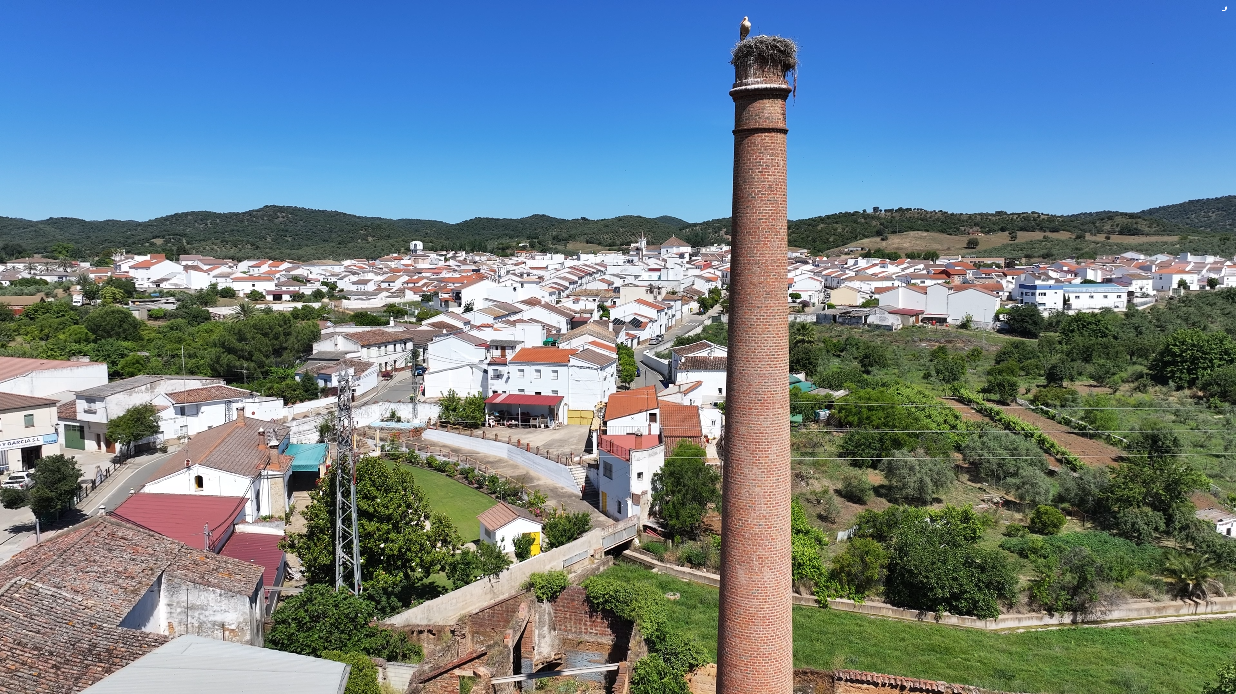
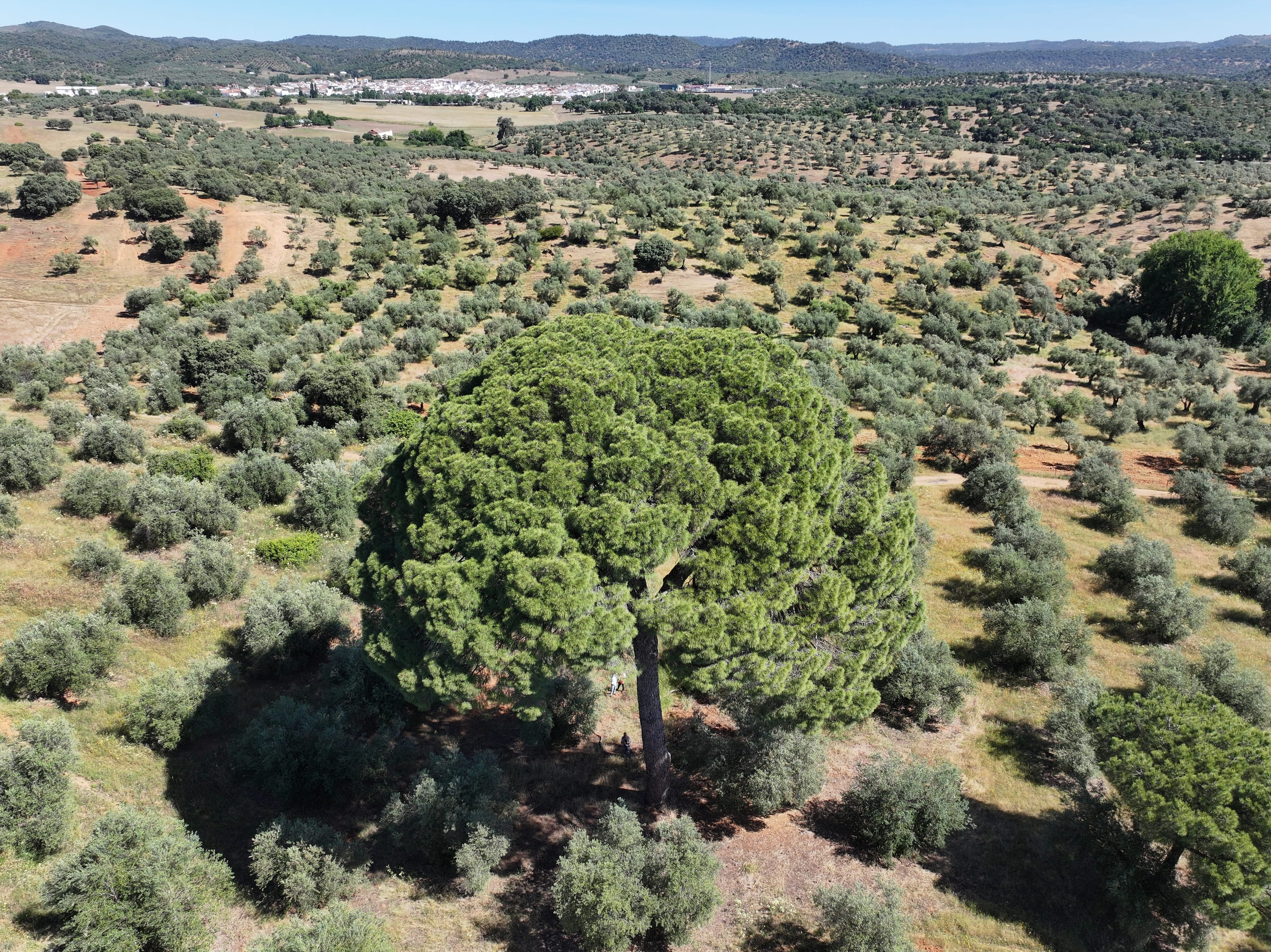
From this viewpoint it is possible to understand the evolution of Las Navas de la Concepción, a municipality that emerged in the 16th century around the agricultural estates promoted by the Basilian monks of the monastery of San Antonio del Valle. Its privileged location makes it possible to contemplate some of the main historical and landscape landmarks that have marked the development of the locality.
Know more
The history of Las Navas de la Concepción is closely linked to the colonisation of Sierra Morena during the Modern Age. Although in its municipal area there are indications of earlier occupations and even references to possible settlements from the Andalusian period, the origin of the present-day settlement is located in 1557, when the monks of the Order of Saint Basil founded the monastery of San Antonio del Valle de Galleguillos. From this monastic establishment began the systematic exploitation of a wide territory dedicated to agriculture, livestock farming and forest use, favouring the arrival of workers who would eventually form the first permanent settlements.
The primitive settlement received the name Nava de las Puercas, a denomination related to the small plains or navas characteristic of the landscape and to the importance that pig breeding traditionally had in these lands. Over time, the growing devotion to the Immaculate Conception and the influence of the monastery brought about the change of name to the current Las Navas de la Concepción, preserved since the 18th century. The locality remained administratively united to Constantina until 1854, when a Royal Order of Isabella II granted it municipal independence.
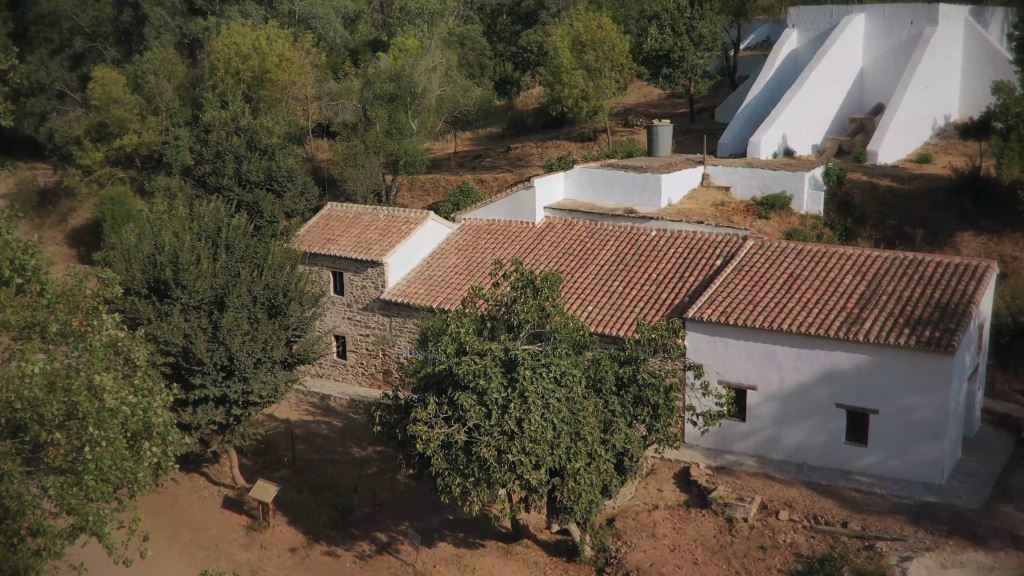
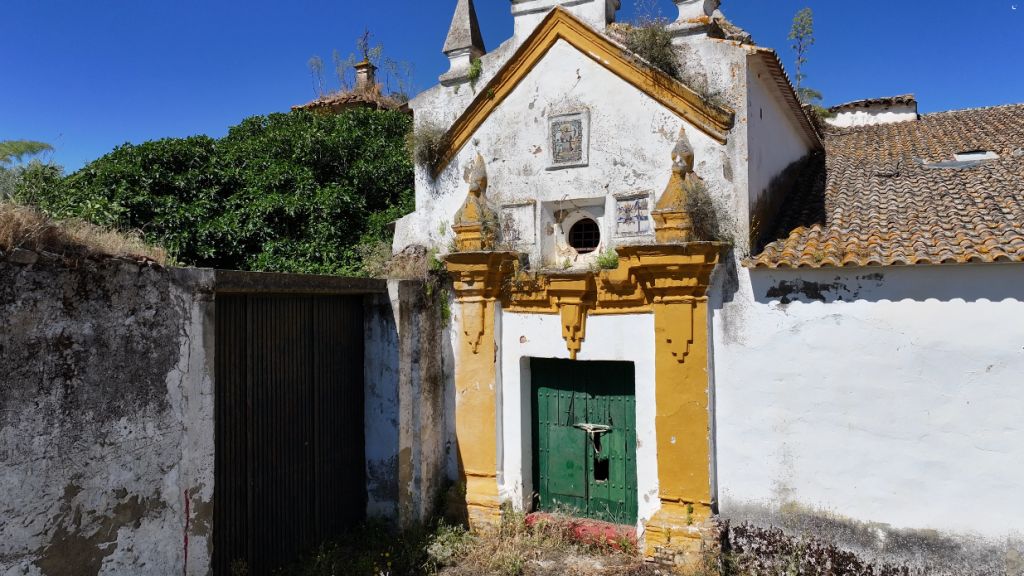
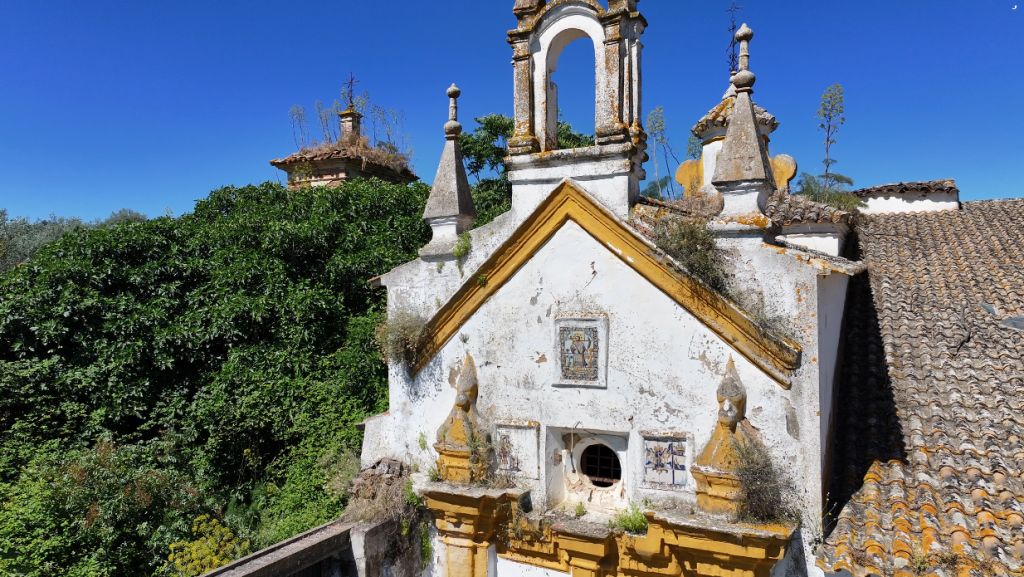
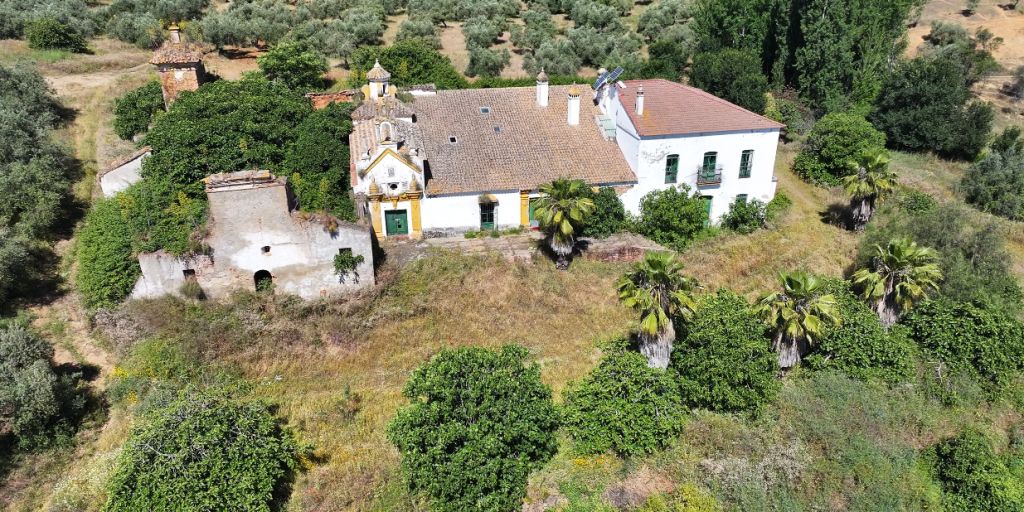
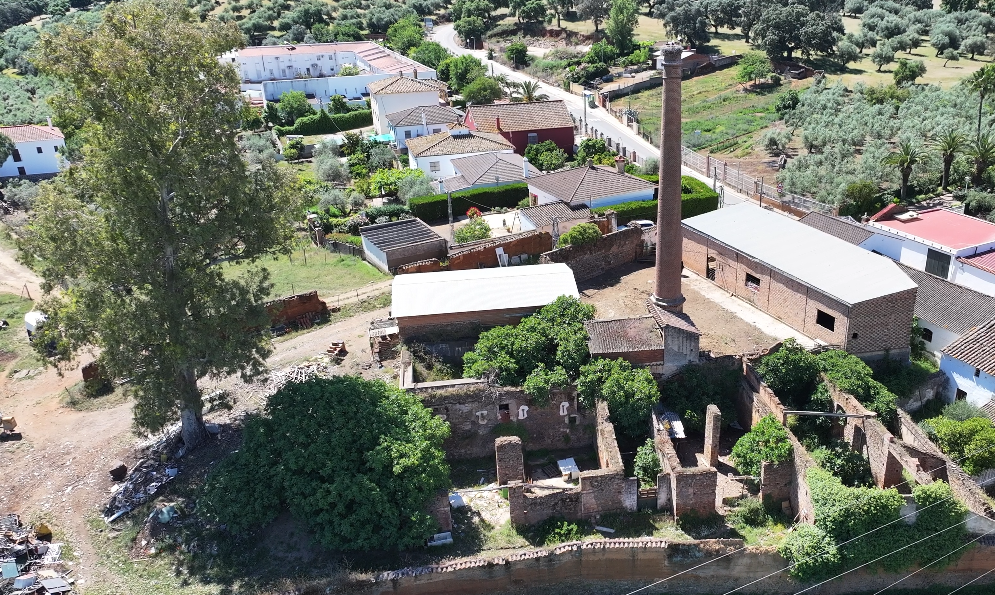
The activity of the Basilian monks left a deep mark on the territory. In addition to the monastery, they promoted the construction of winepresses, mills, hermitages and other infrastructures intended to transform the products obtained from their extensive properties. These estates introduced new forms of agricultural organisation and contributed to fixing population in an area that until then had remained sparsely inhabited. A large part of the current landscape still preserves the structure inherited from those ancient dehesas and monastic estates.
During the 19th and 20th centuries, the local economy continued to be linked to the use of the natural resources of Sierra Morena. Agriculture, livestock farming, the production of oil and flour, forest exploitation and, later, some industrial activities related to cork and mining marked the development of the municipality. This balance between natural resources and human activity has given rise to a cultural landscape where the built heritage and the natural environment form an inseparable reality.
Today, Las Navas de la Concepción constitutes one of the best-preserved municipalities of the Sierra Norte of Seville. Its monastic origin, the richness of its ethnographic heritage and its privileged natural environment make it possible to understand how a small agricultural settlement that emerged almost five centuries ago came to become the present-day locality, maintaining a close relationship with the landscape that gave it origin.
Bibliography
· Ayuntamiento de Las Navas de la Concepción. Historia del municipio.
· Diputación de Sevilla. Archivo Municipal de Las Navas de la Concepción.
· Turismo de la Provincia de Sevilla. Las Navas de la Concepción.