
- Home
- Interest points
- Heritage, History and Cultural Landscape
Info
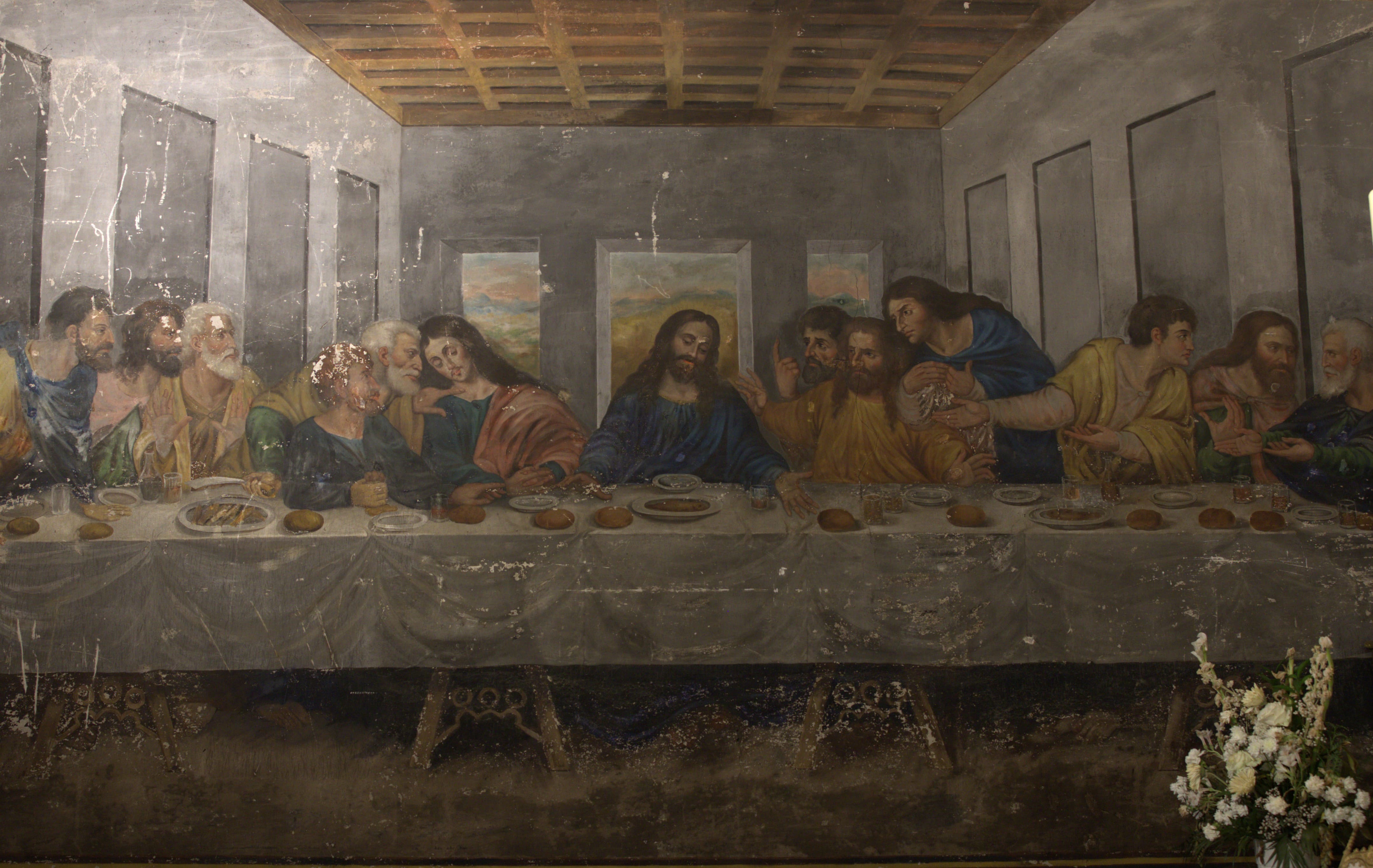
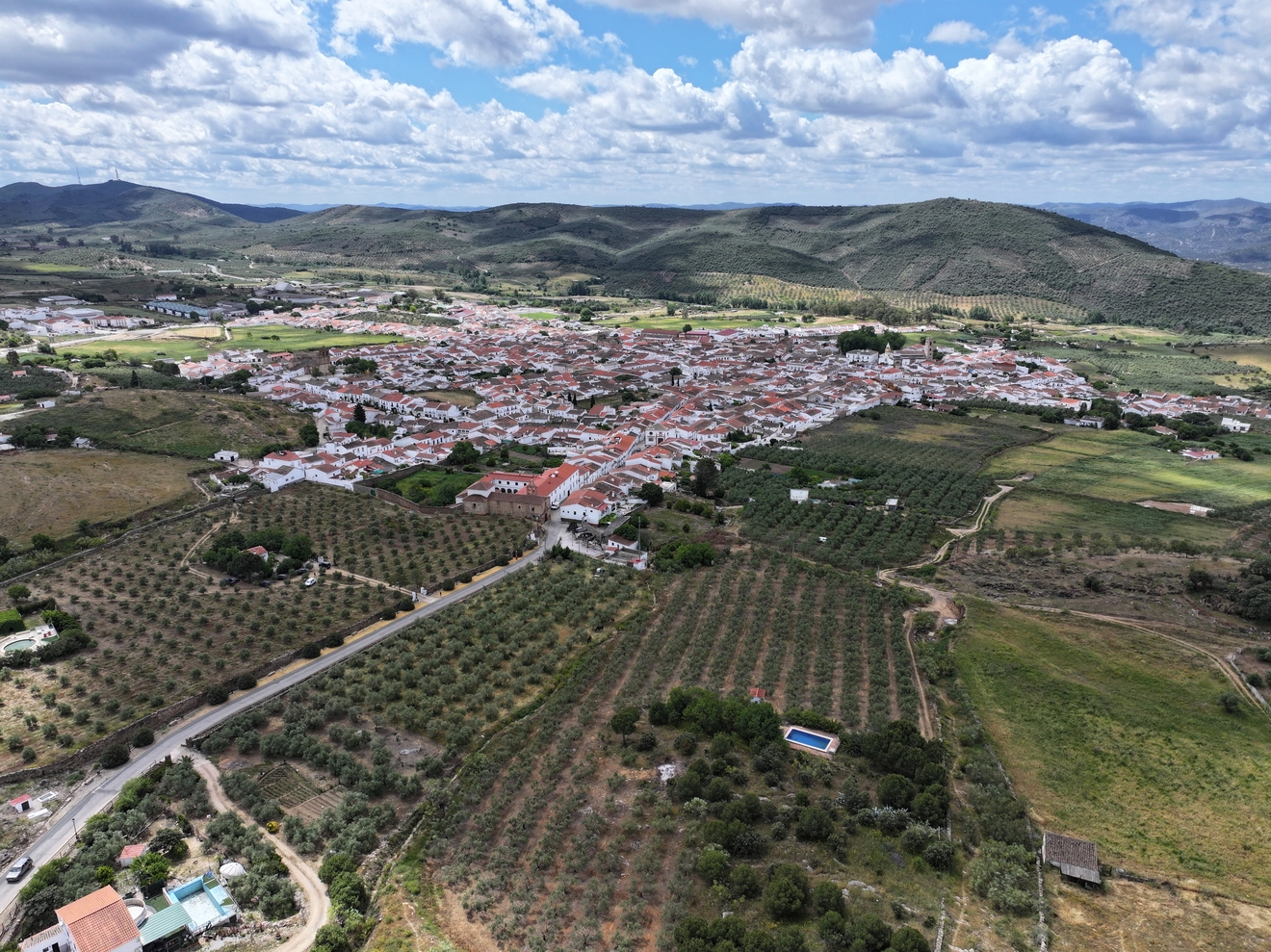
Situated between the Sierras del Viento and del Agua, in the far north of the province of Seville, Guadalcanal preserves a rich architectural heritage, the result of its historical significance and the prosperity it has enjoyed over the centuries. Its town layout, dominated by notable religious and civil buildings, together with the chapels scattered throughout the area, offers a journey through the town’s history in a setting of great scenic beauty.
Know more
In the very heart of the Sierra Morena, Guadalcanal boasts a rich historical and artistic heritage closely linked to its strategic location between Andalusia and Extremadura. Churches, convents, civil buildings and chapels tell the story of a town that achieved remarkable economic and cultural development from the Middle Ages onwards.
Its urban landscape is the result of a long historical evolution that began in the Al-Andalus period. Important remains from this period are still preserved within the Almohad walled enclosure that formed the town’s origins. Following its conquest in 1241, Guadalcanal became part of the Kingdom of Castile, marking the start of a profound transformation that can be seen in the layout of its streets and in many of its historic buildings.
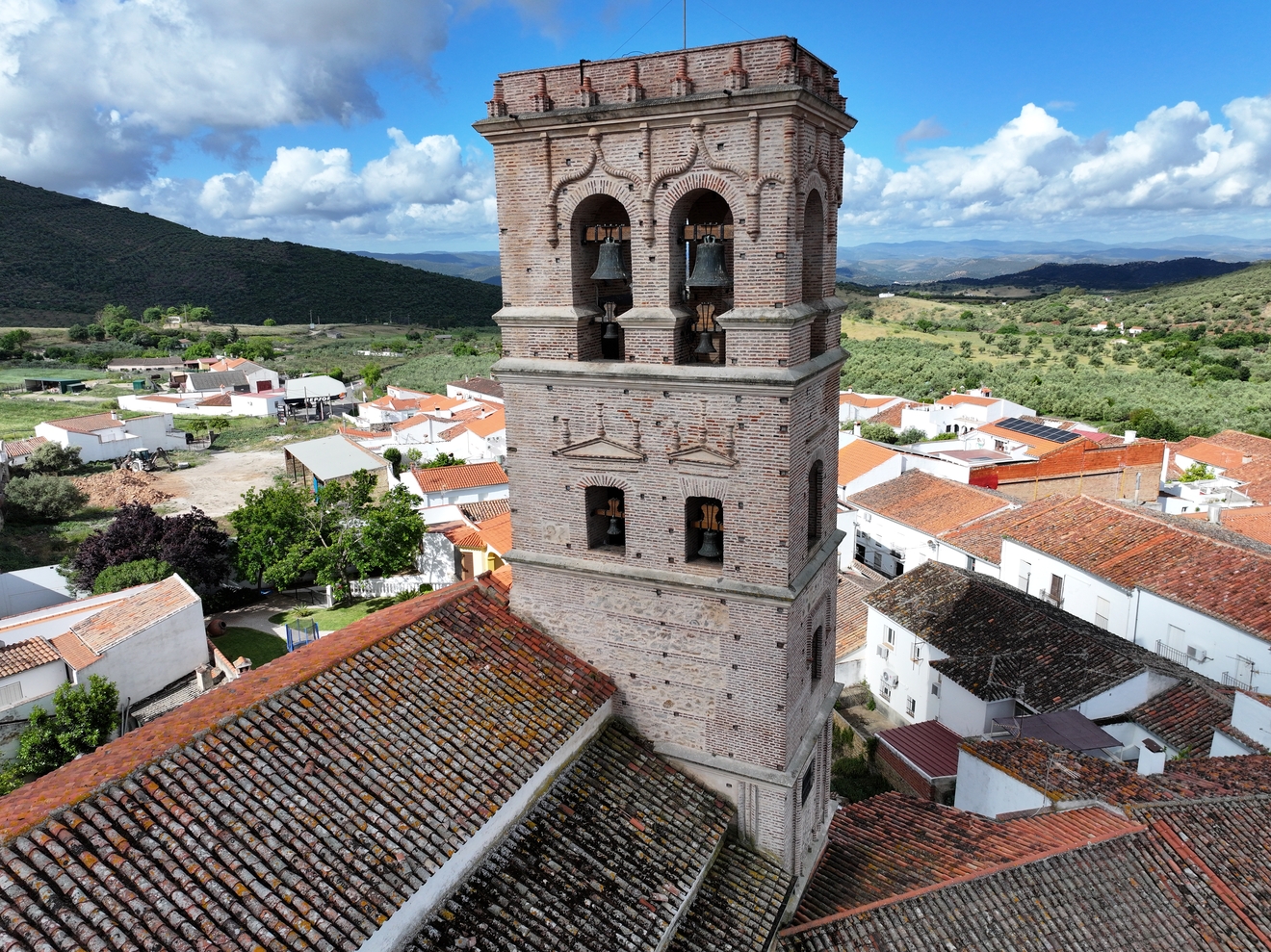
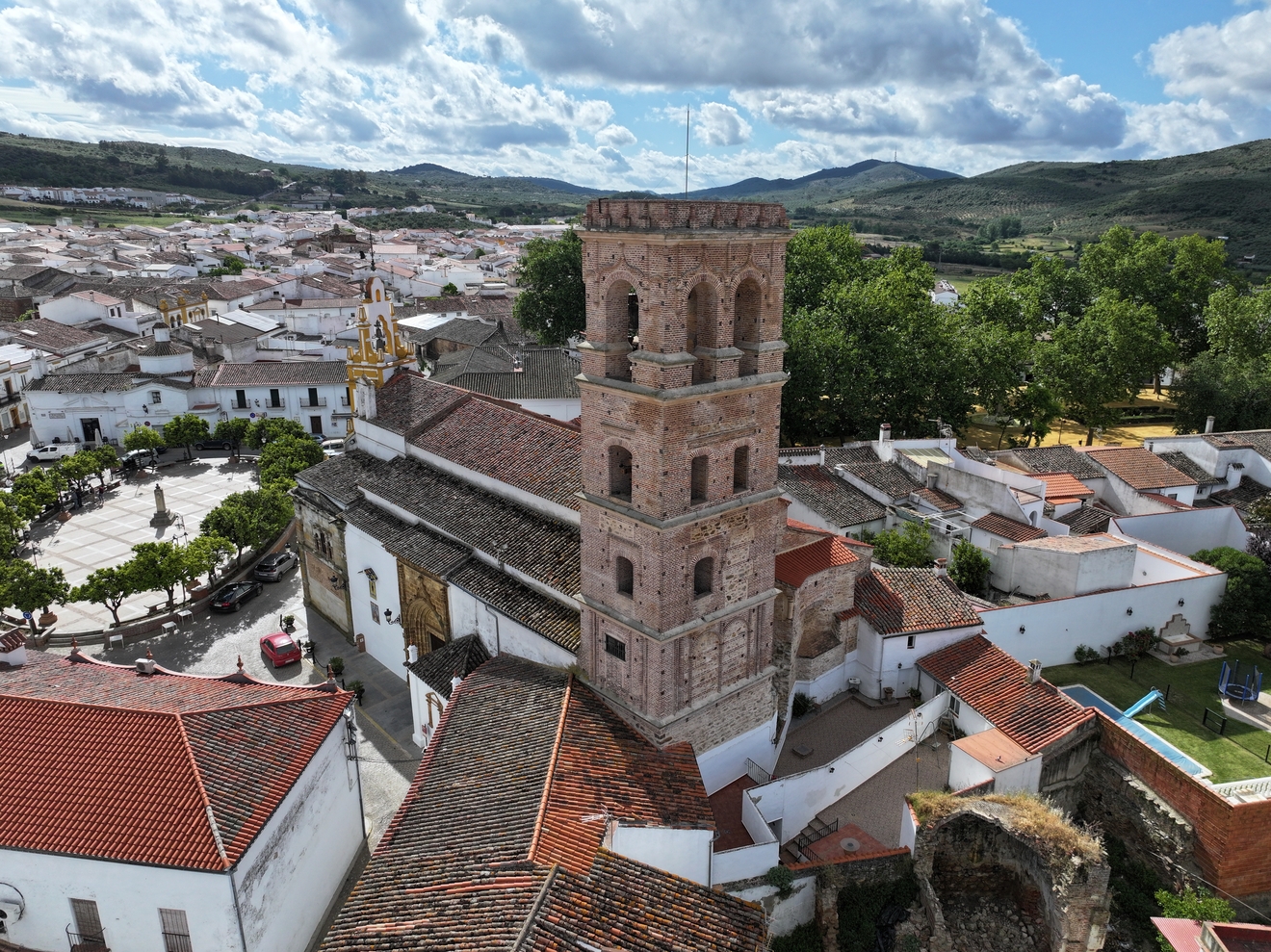
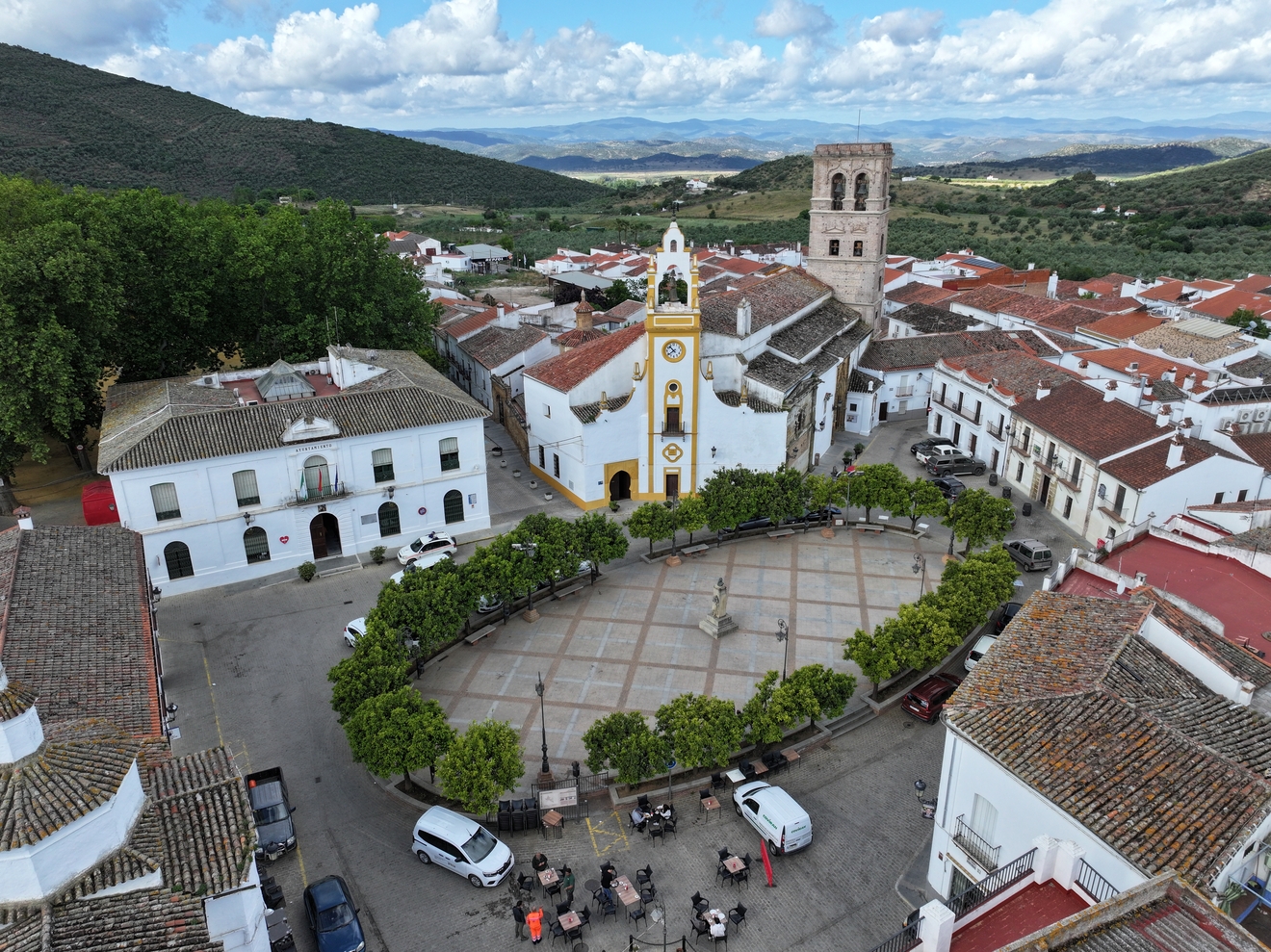
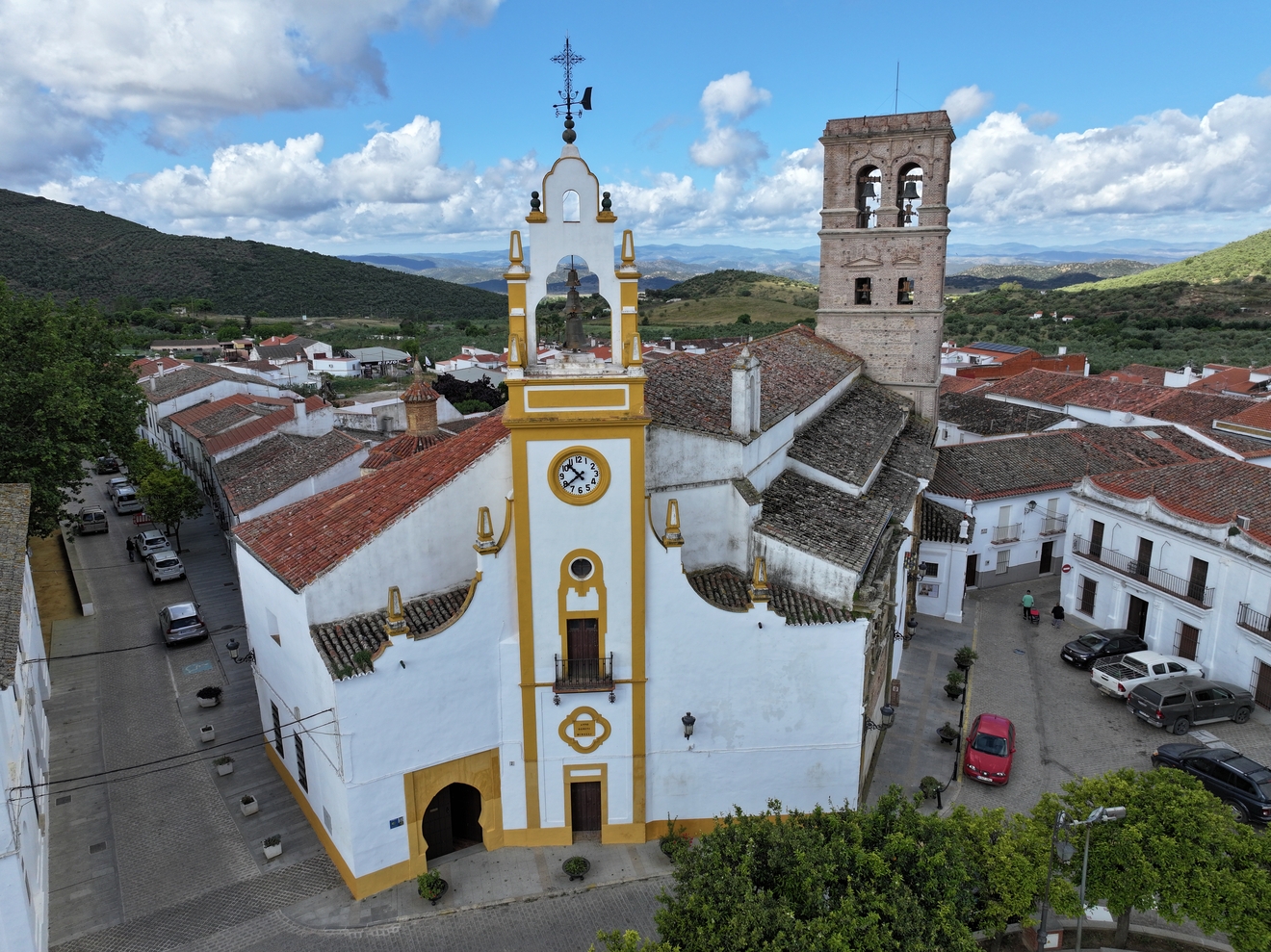
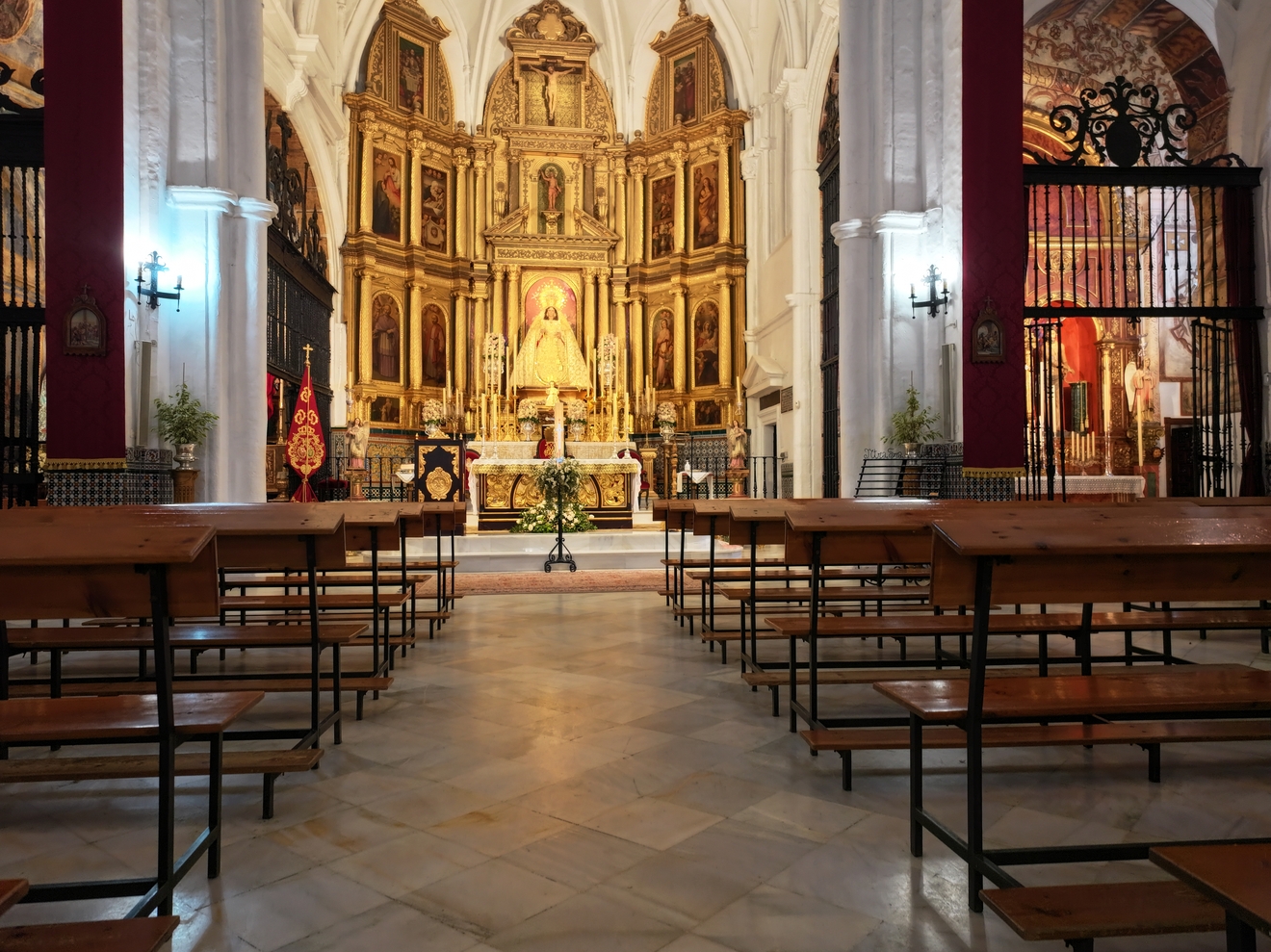
The main landmark is the Plaza de España, the historic centre of the village, where the Parish Church of Santa María de la Asunción stands, one of the most representative examples of Mudejar architecture in Seville’s Sierra Morena. Built between the 14th and 15th centuries on the site of the former Almohad fortress, the church was extended and embellished during the Renaissance and Baroque periods, resulting in a building of great architectural richness.
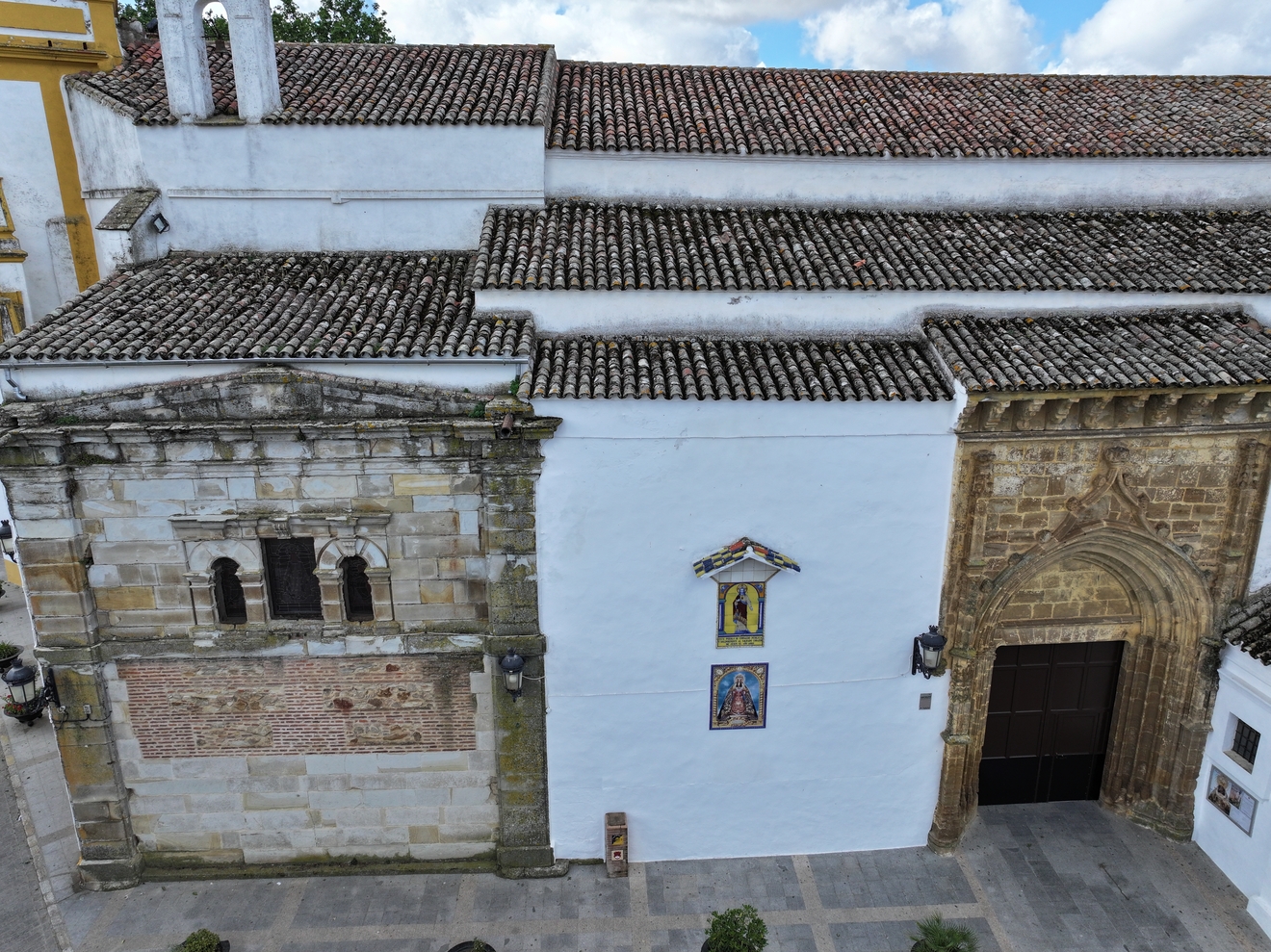
Its imposing bell tower, over thirty metres high, is one of the most recognisable features of the town’s skyline. Built of ashlar and brick, it follows the Gothic-Mudejar tradition, although it features an original layout, as it is offset from the church’s main axis. Adjacent to it is the entrance on the Gospel side, built in the early 16th century, where late Gothic features are still evident, including pointed archivolts, pillars topped with pinnacles and an elegant cornice supported by corbels.
Very close to the parish church stands the Almona, a building dating from the first half of the 14th century which was used for storing grain and thus played a vital role in the town’s economy. The simplicity of its architecture, characterised by the austere walls and the elegance of the pointed arches, together with its excellent state of preservation, make it one of the finest examples of late medieval civil architecture in Andalusia.
The tour of the historic centre continues along Calle López de Ayala, one of the main streets of the medieval town, where the old Hospital de los Milagros still stands. Built between the 15th and 16th centuries, it is notable for its Gothic-Isabelline façade, featuring a paneled arch decorated with plant motifs, and stands as a testament to the town’s urban growth and the prosperity it achieved at the end of the Middle Ages.
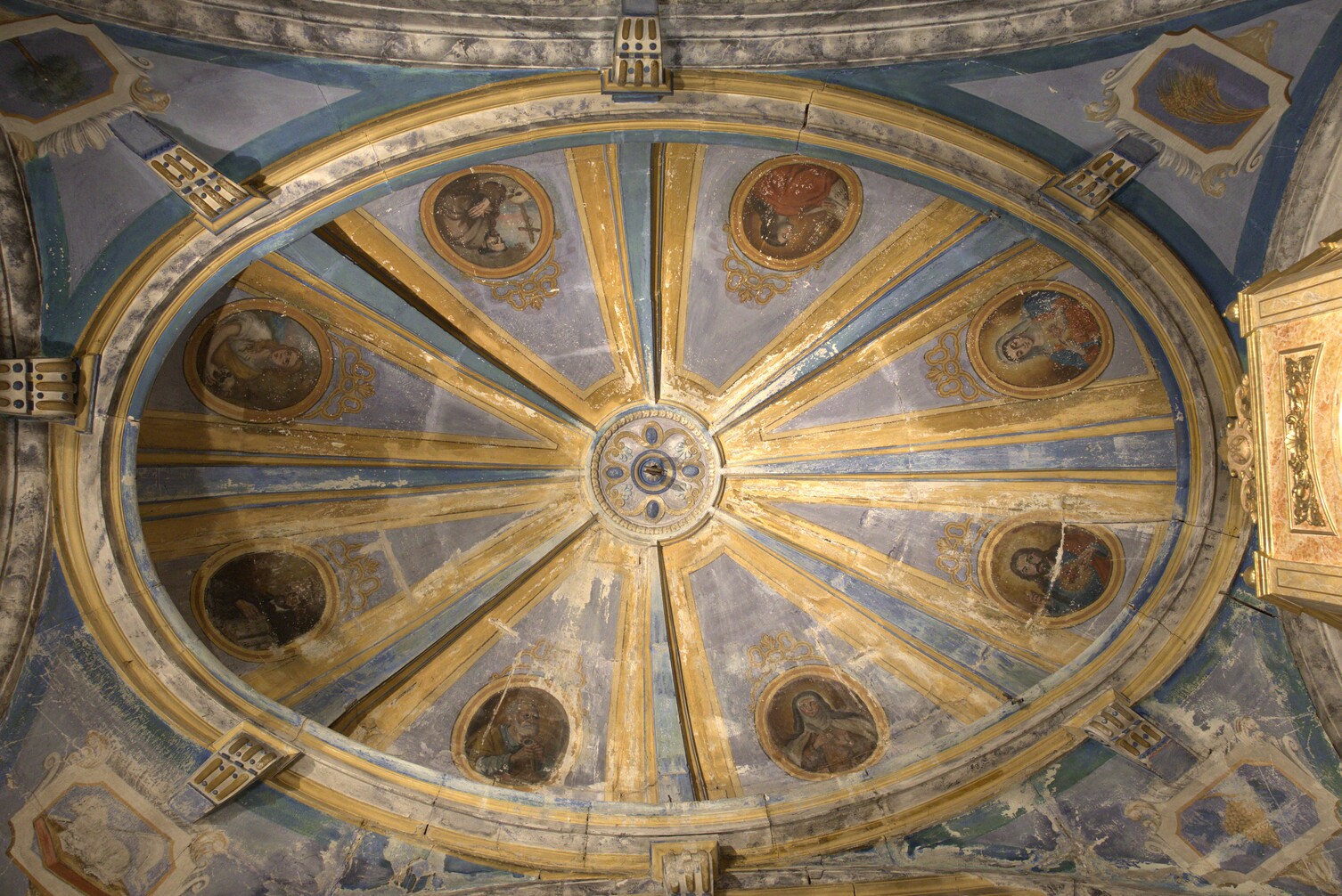
The churches of Santa Ana and San Sebastián date from this same period; these medieval churches were remodelled between the 15th and 18th centuries. The church of San Sebastián is notable for its spacious interior in the Mudejar style, with slender pillars and large pointed arches, as well as its elegant Gothic star-vaulted ceilings, particularly that of the former tabernacle, which features unique Baroque painted decoration. Following a meticulous restoration, the building now houses the food market, an example of the restoration and integration of historical heritage into everyday life.
During the 16th and 17th centuries, Guadalcanal experienced one of the most prosperous periods in its history, thanks to the fortunes amassed by numerous residents who had emigrated to the New World. This period of splendour left a profound mark on the town’s architectural heritage through the construction and embellishment of numerous religious buildings.
Among these, the Convent of the Holy Spirit stands out as one of the most significant convent complexes in the Sierra Norte of Seville. Its Latin cross-plan church, the spacious cloister in the Tuscan style and the remarkable artistic heritage preserved within it reflect the significance attained by 17th-century convent architecture. Alongside it, other convents such as those of La Concepción and Santa Clara bear witness to Guadalcanal’s active involvement in the economic and cultural networks of the period.
Beyond the historic centre, there is a remarkable architectural heritage scattered throughout the municipal area, comprising numerous chapels that bear witness to a deep-rooted popular tradition. Among these, the chapels of Cristo de la Salud and San Benito are particularly noteworthy as examples of rural religious architecture, although the main centre of devotion is the chapel of Nuestra Señora de Guaditoca, the town’s patron saint.
Built between 1638 and 1647 to replace a medieval church, it is distinguished by the simplicity and harmony of its whitewashed structures, which blend naturally into the surrounding landscape of pastureland and Mediterranean woodland, making it one of the municipality’s most iconic heritage sites.
Videos
Guadalcanal Heritage
Guadalcanal Heritage Subtitled
Bibliography
• ANGULO ÍÑIGUEZ, Diego (1932; reed. 1983): Arquitectura mudéjar sevillana de los siglos XIII, XIV y XV. Ayuntamiento de Sevilla.
• HERNÁNDEZ DÍAZ, José; SANCHO CORBACHO, Antonio y COLLANTES DE TERÁN, Francisco (1939): Catálogo arqueológico y artístico de la provincia de Sevilla. Tomo I. Sevilla: Imprenta de la Gavidia.
• MORALES, Alfredo J.; SANZ, María Jesús; SERRA, Juan Miguel y VALDIVIESO, Enrique (1981): Guía artística de Sevilla y su provincia. Sevilla: Diputación Provincial de Sevilla.
Guía digital del patrimonio cultural de Andalucía. Instituto Andaluz de Patrimonio Histórico. Consejería de Cultura y Deporte:
https://guiadigital.iaph.es/
Asociación Cultural Benalixa de Guadalcanal.
https://benalixaguadalcanal.es/