
- Home
- Interest points
- Santa María de la Asunción Church and Brotherhoods
Info
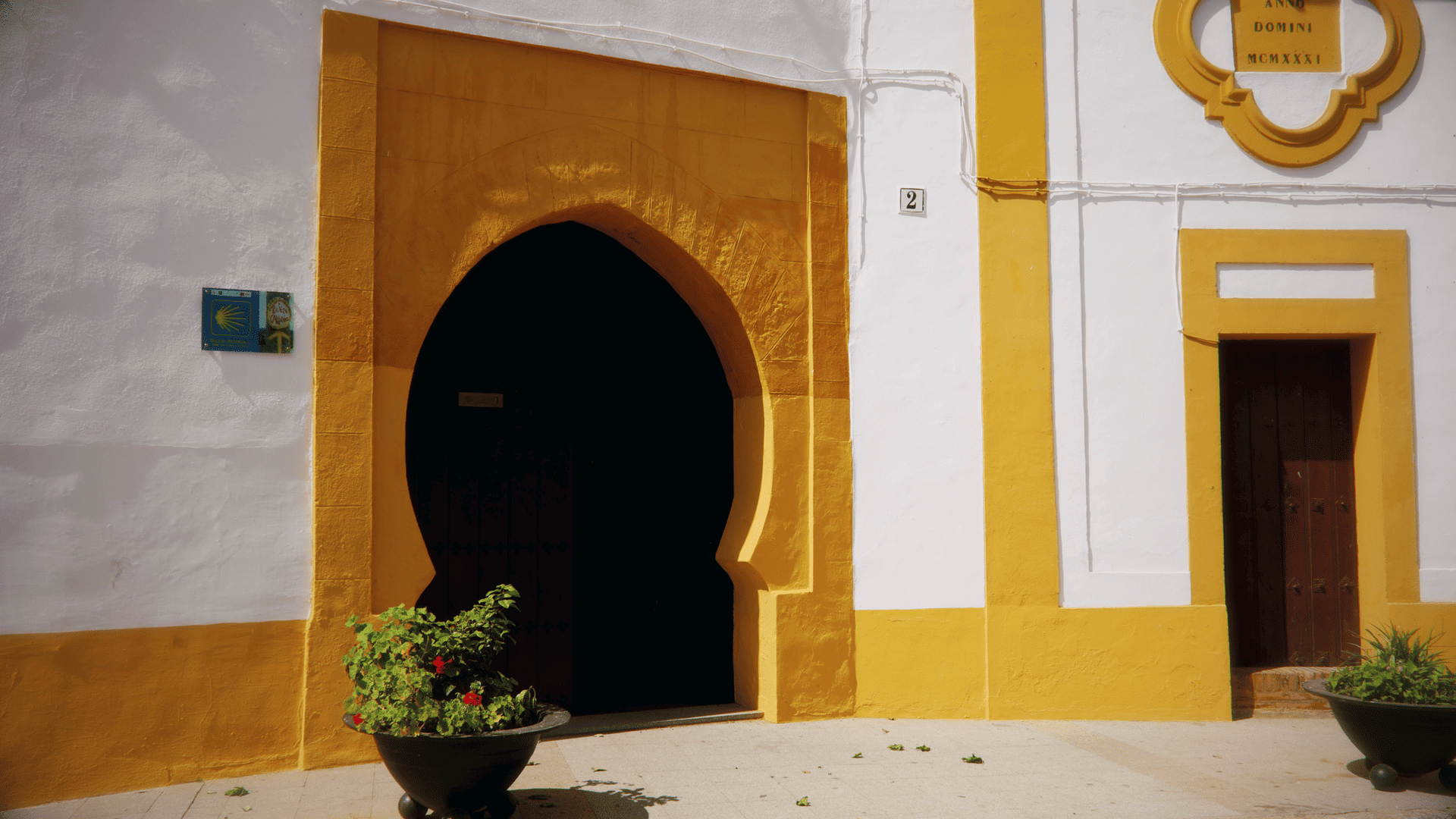
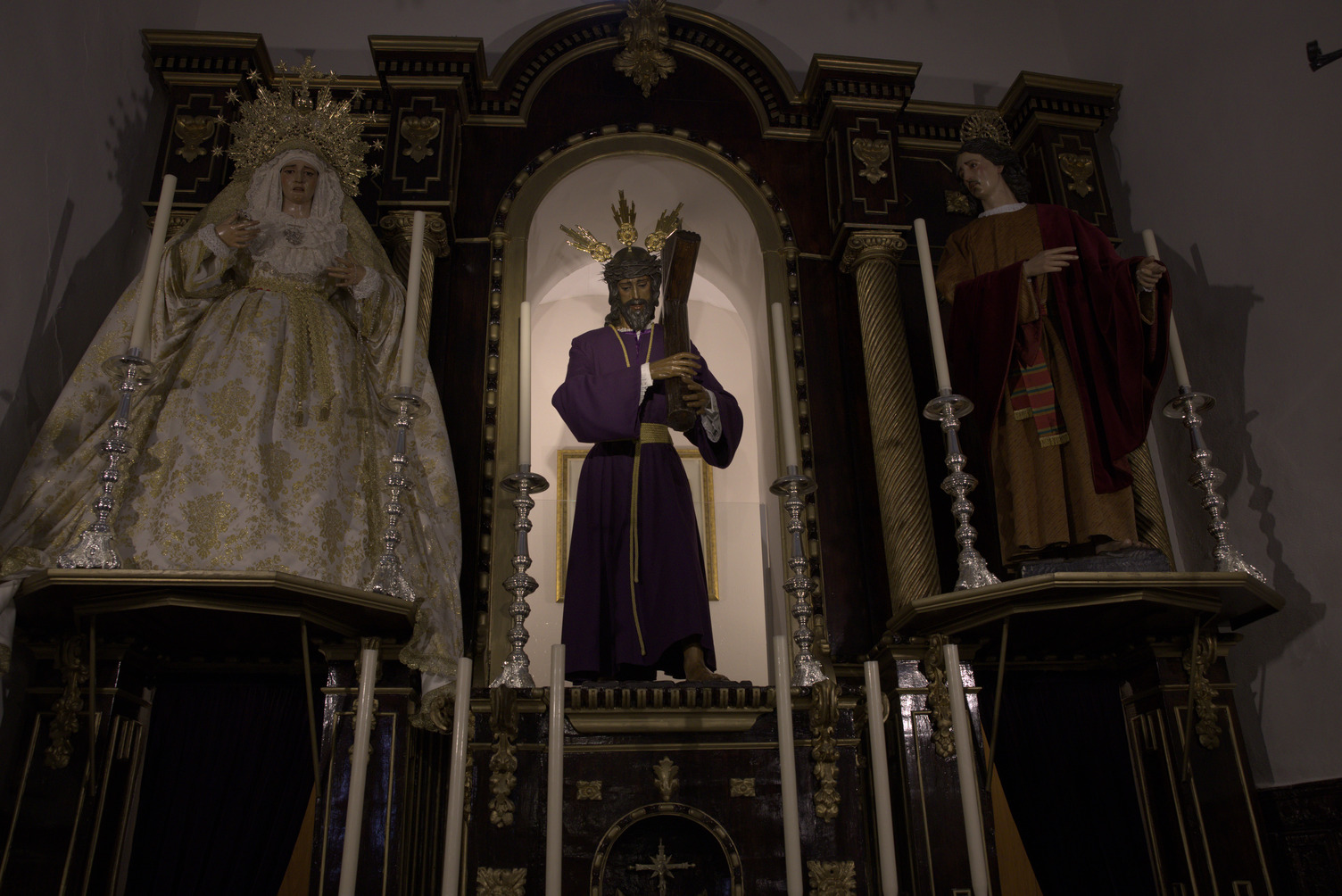
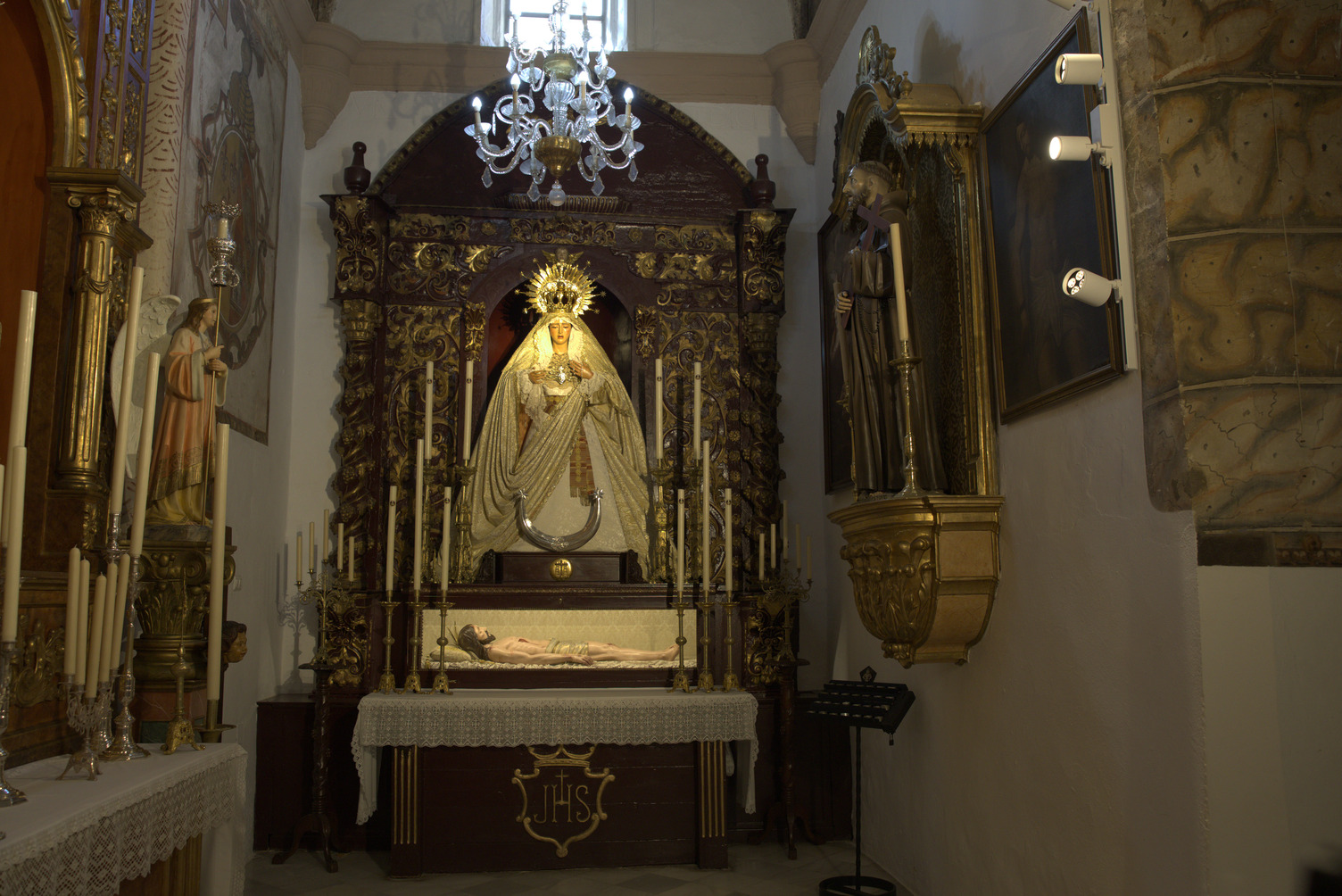
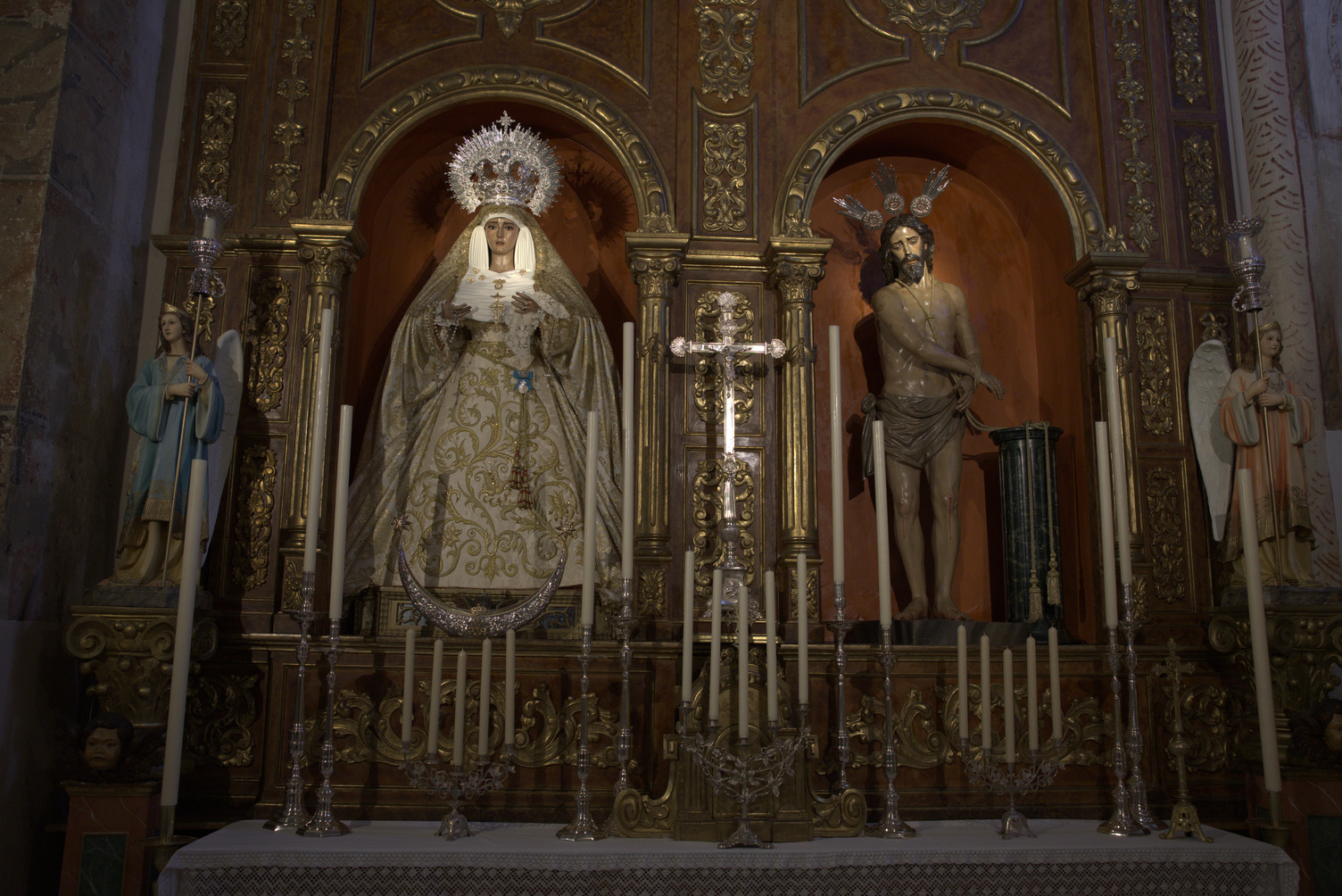
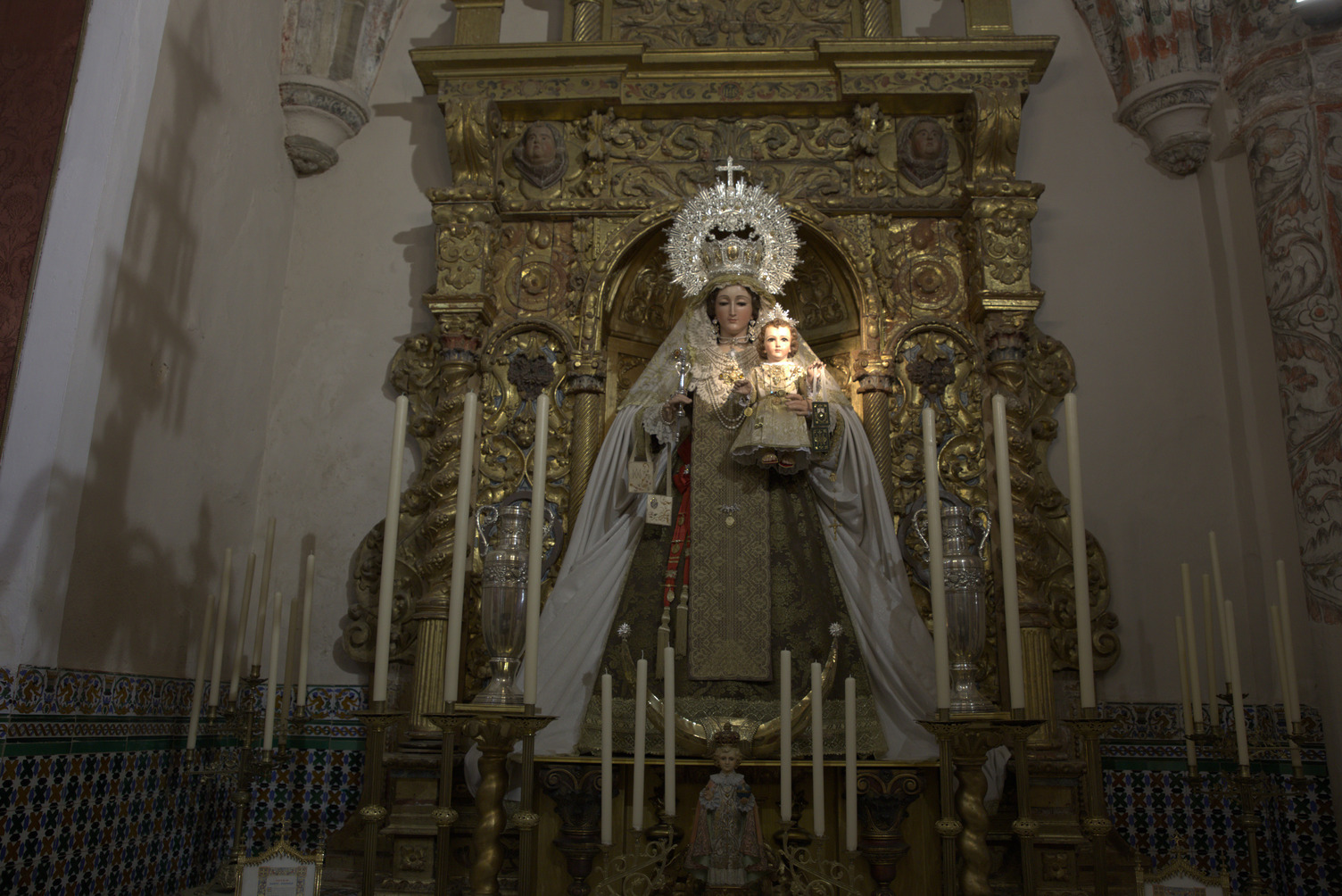
The parish church of Santa María de la Asunción is the main church in Guadalcanal and one of the town’s most iconic historic buildings. Built between the 15th and 16th centuries, it combines Gothic, Mudejar and Renaissance elements, whilst also preserving a significant artistic heritage and a rich tradition of religious brotherhoods.
Know more
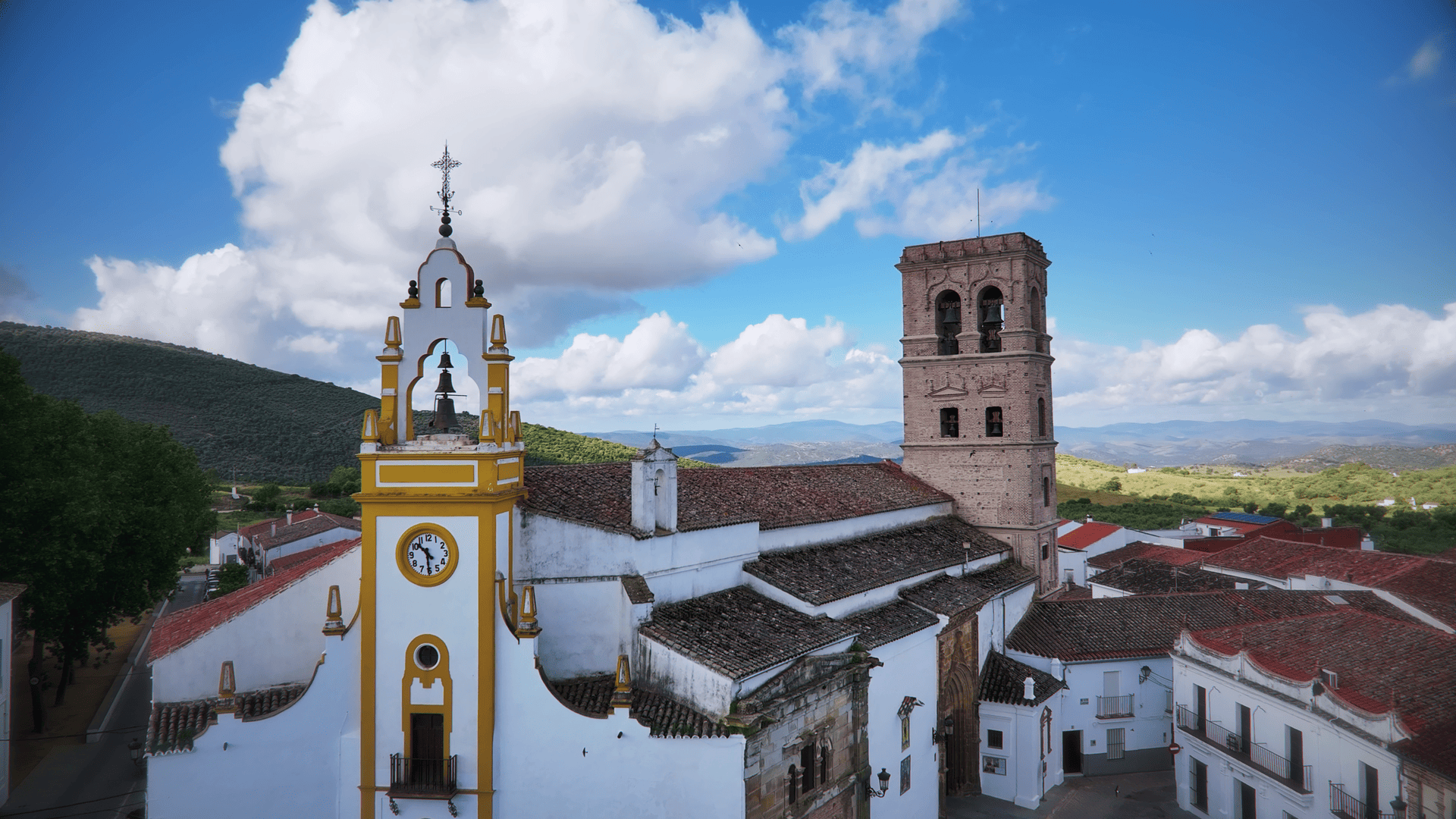
The Church of Santa María de la Asunción is one of the most important historic buildings in Guadalcanal and has been the town’s principal religious landmark for over five centuries. Its construction began in the late 15th century, shortly after Castilian rule over these lands was consolidated, at a time of economic and demographic growth that spurred the building of numerous parish churches throughout the Sierra Norte de Sevilla. As was the case in other towns in the region, the new church gradually replaced earlier structures, becoming the centre of the town’s religious and social life.
Its architecture reflects the Gothic-Mudejar style characteristic of the former Kingdom of Seville, where construction techniques inherited from the Mudejar tradition coexisted with the new forms of the late Gothic period. The three-nave basilica plan, the cruciform pillars, the pointed arches and the ribbed vaults reflect this artistic transition, whilst successive extensions and renovations incorporated Renaissance, Baroque and even contemporary elements, turning the building into a veritable compendium of the history of local architecture.
The church has not remained unchanged over the centuries. The creation of new chapels, the extension of the sacristy, the renovation of the roofs and the installation of altarpieces have gradually adapted it to the needs of each era. Much of the heritage it preserves today is the result of this ongoing process of transformation, in which generations of master builders, craftsmen, sculptors, painters and the faithful have played a part.
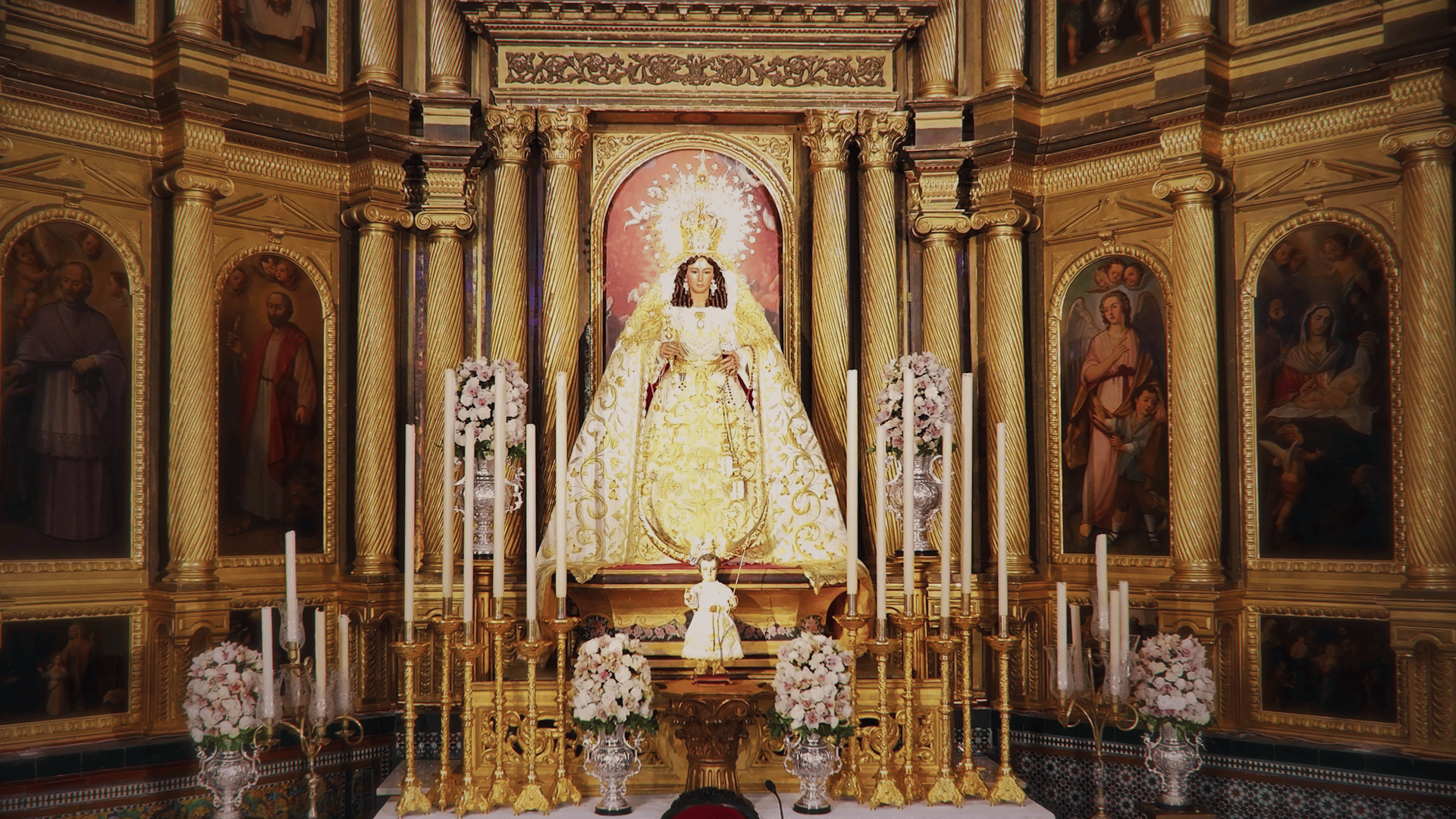
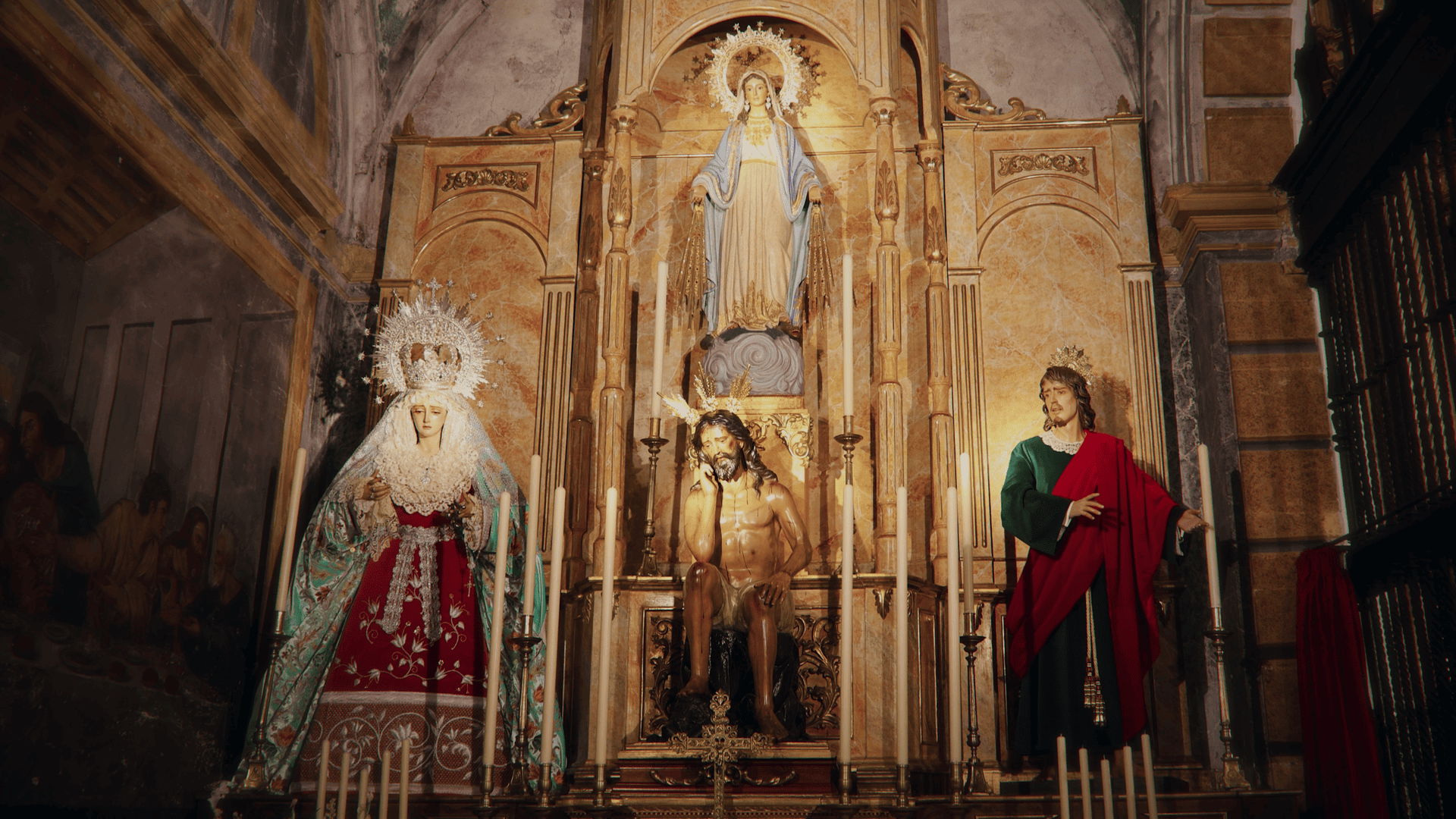
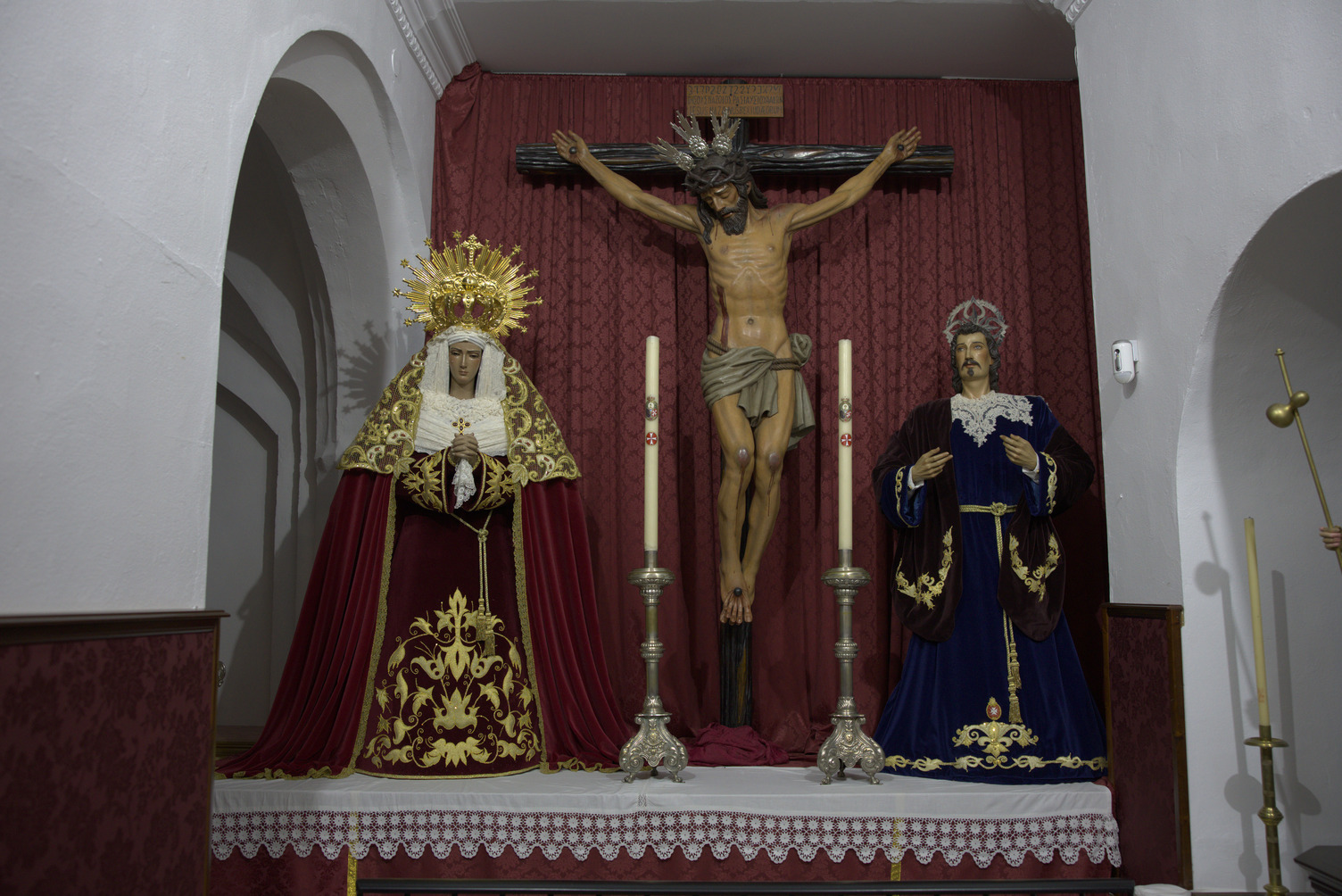
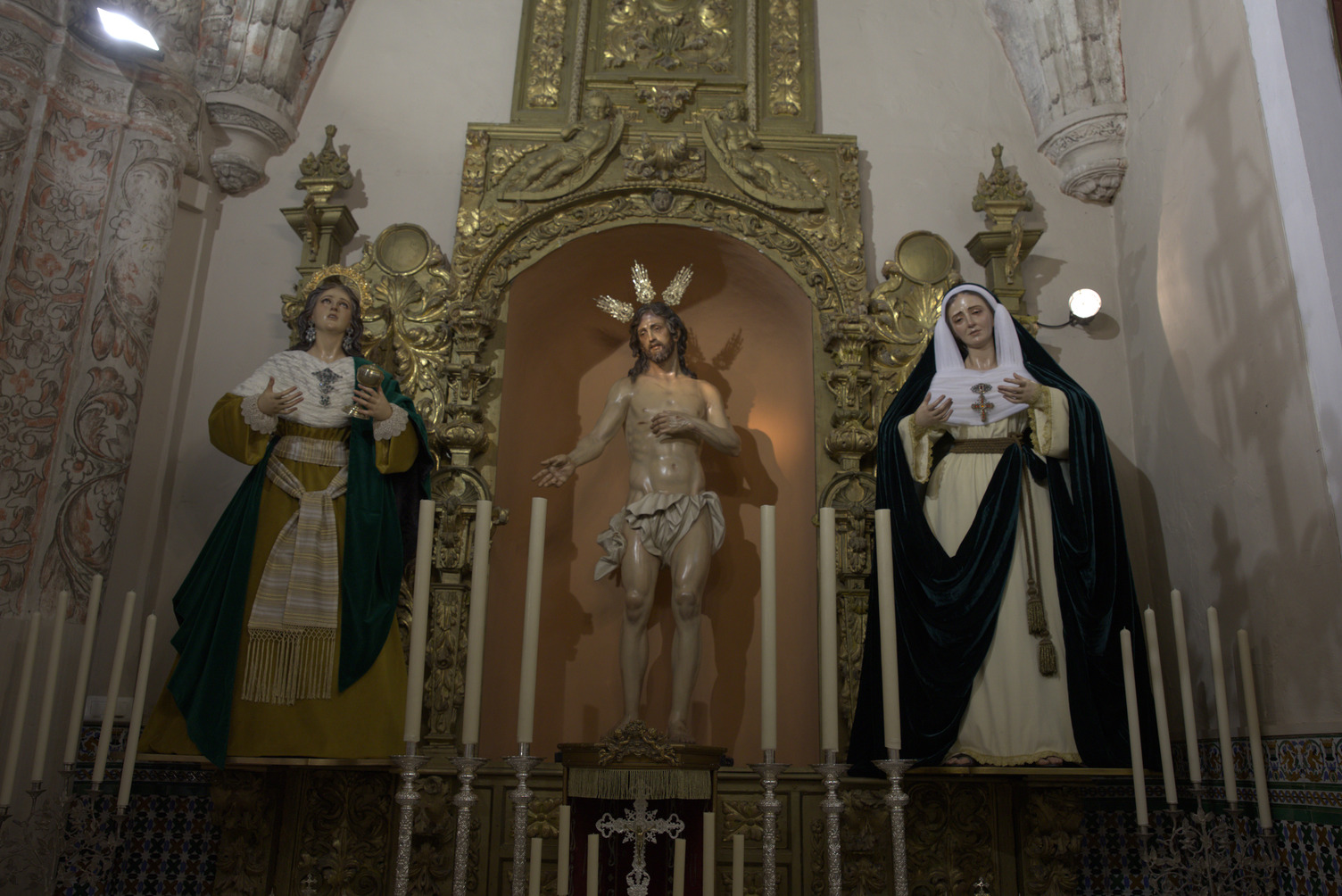
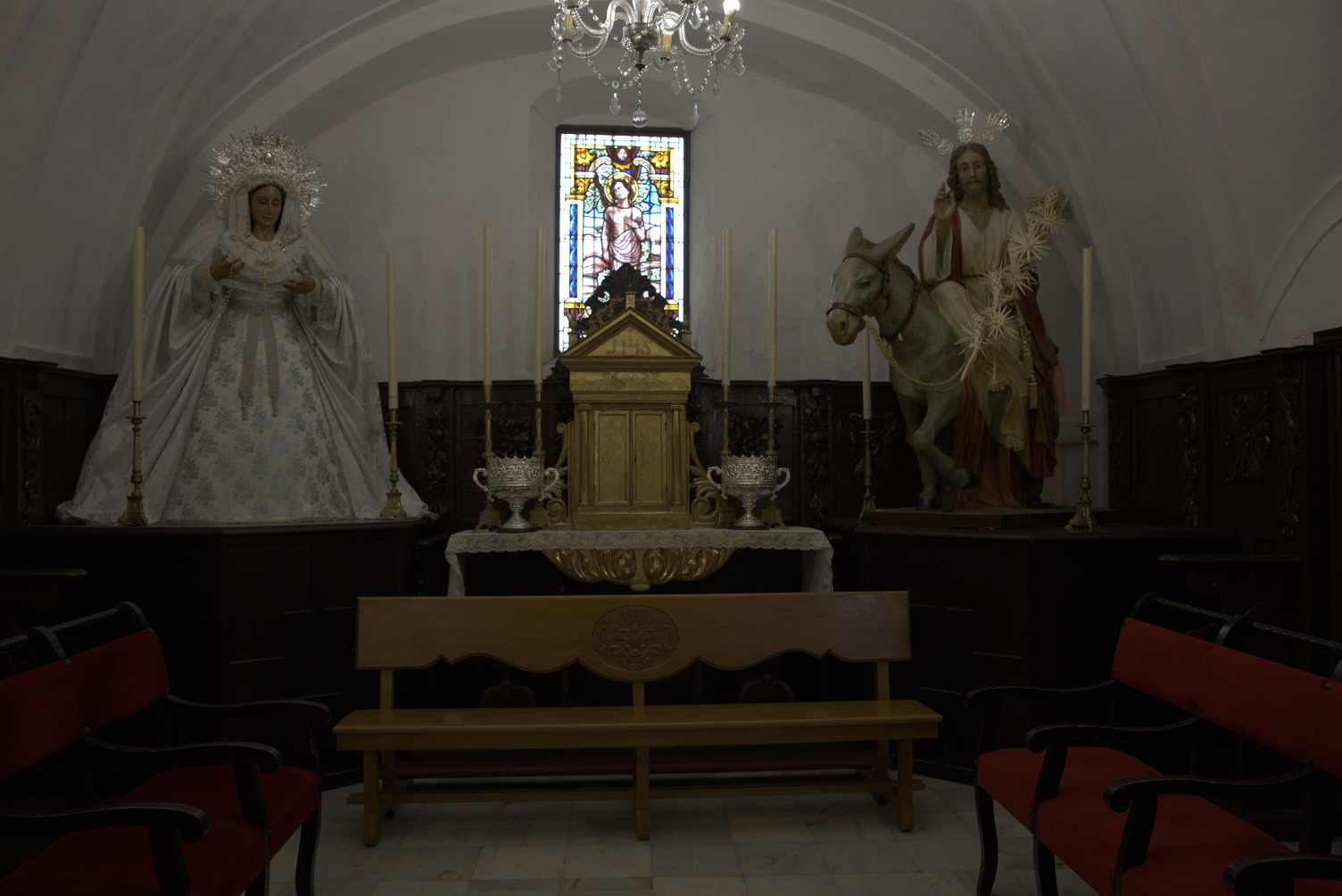
Alongside its architectural interest, its significant artistic heritage is also noteworthy. Inside, the church houses altarpieces, paintings, gold and silverwork, and an outstanding collection of processional statues dating from the 16th century to the present day. Many of these works form part of the Andalusian sculptural tradition and illustrate the evolution of religious imagery across different historical periods, from Mannerism to contemporary sculpture.
The church also plays a vital role as the headquarters of Guadalcanal’s religious brotherhoods. These organisations not only safeguard the main religious images and organise the Holy Week processions, but have also contributed for centuries to preserving the church’s heritage and keeping numerous religious and cultural traditions alive. Thanks to them, the church remains a vibrant space, where historical heritage is closely intertwined with the daily life of the town.
Beyond its religious function, Santa María de la Asunción is a veritable archive of Guadalcanal’s history. Its walls have witnessed baptisms, weddings, patron saint celebrations and events that have shaped the lives of generations of local residents. Every renovation, every altarpiece and every statue added to the church forms part of a collective history that continues to be written today, making this church one of the main symbols of the town’s historical and artistic heritage and its sense of identity.
Videos
Santa María de la Asunción Church
Santa María de la Asunción Church Subtitled
Bibliography
• Andalusian Institute of Historical Heritage (IAPH). Church of Santa María de la Asunción (Guadalcanal). Digital Guide to the Cultural Heritage of Andalusia.
• Archdiocese of Seville. Parish Church of Santa María de la Asunción (Guadalcanal).
• Ministry of Culture. General Inventory of Movable Assets of the Catholic Church.
• Andalusian Immovable Heritage Database (BDI). Church of Santa María de la Asunción (Guadalcanal).
• General Council of Brotherhoods and Confraternities of Guadalcanal. Brotherhoods of the Parish of Santa María de la Asunción.