
- Home
- Interest points
- Escuelas Nuevas Culture Centre
Info
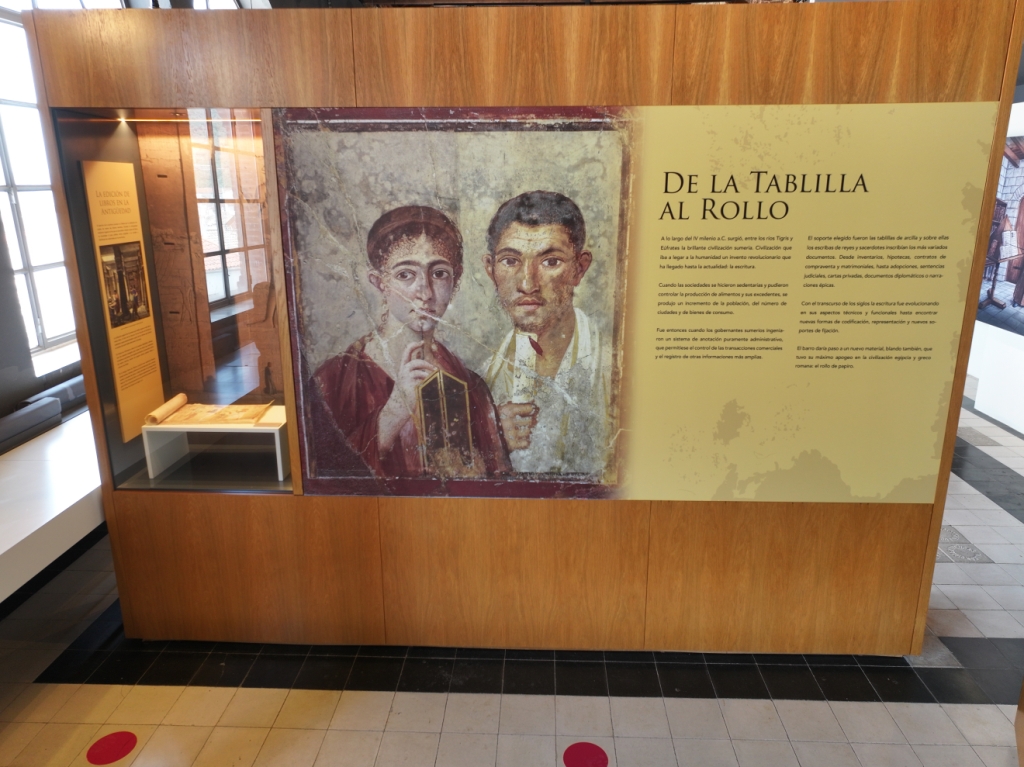
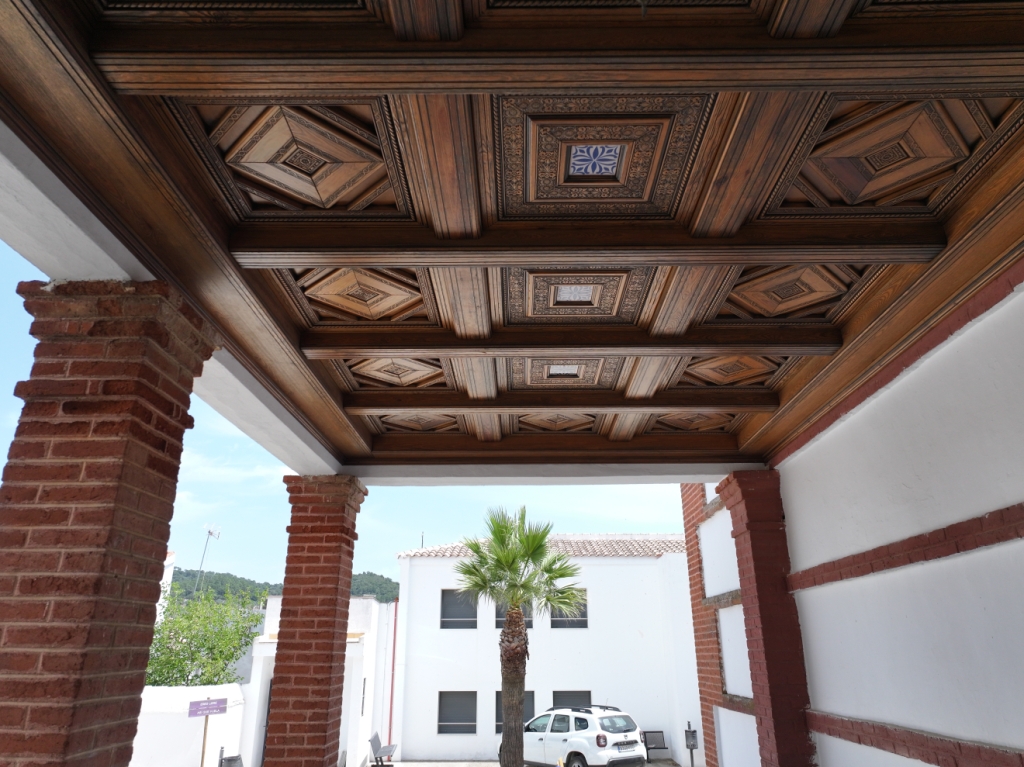
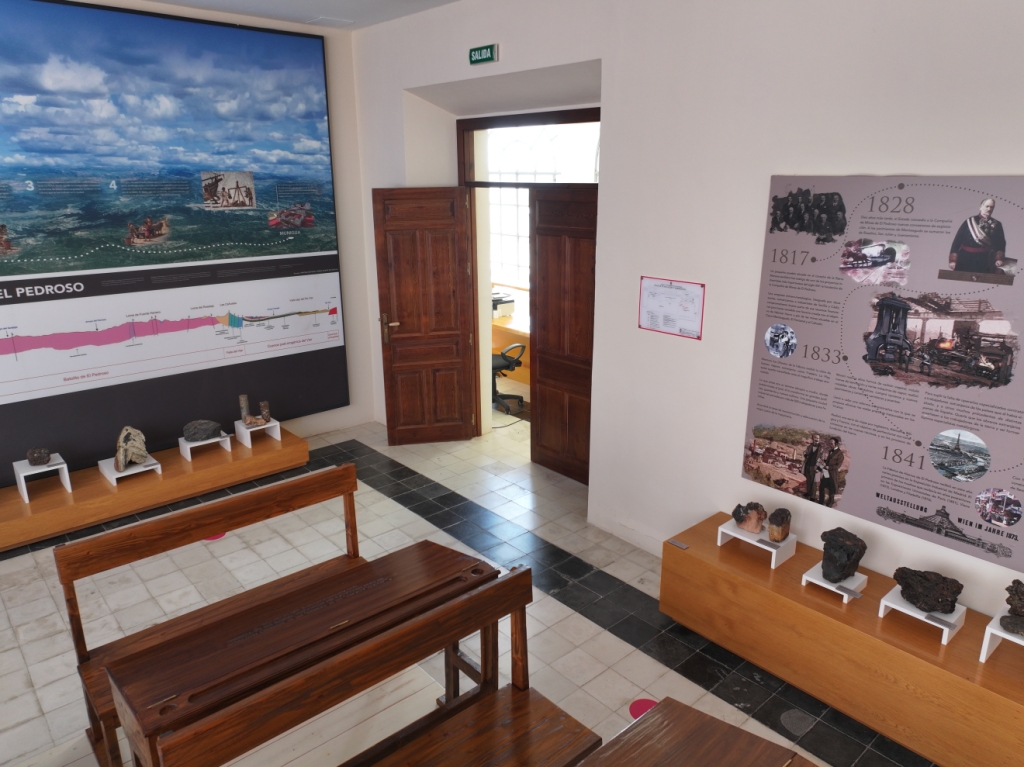
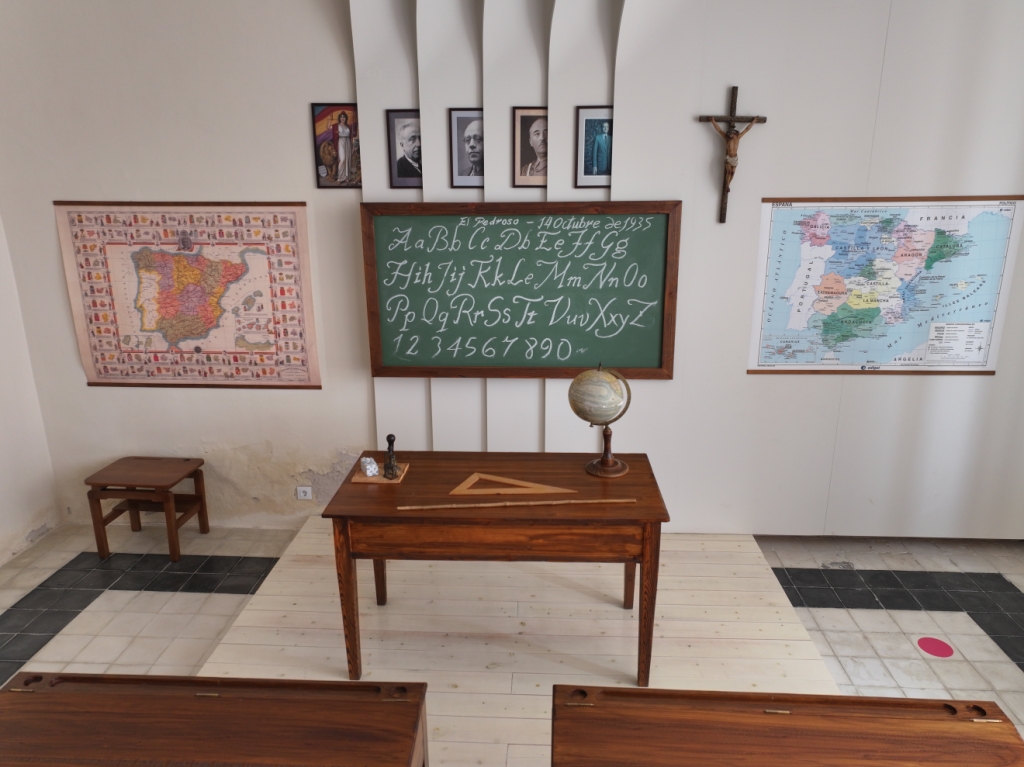
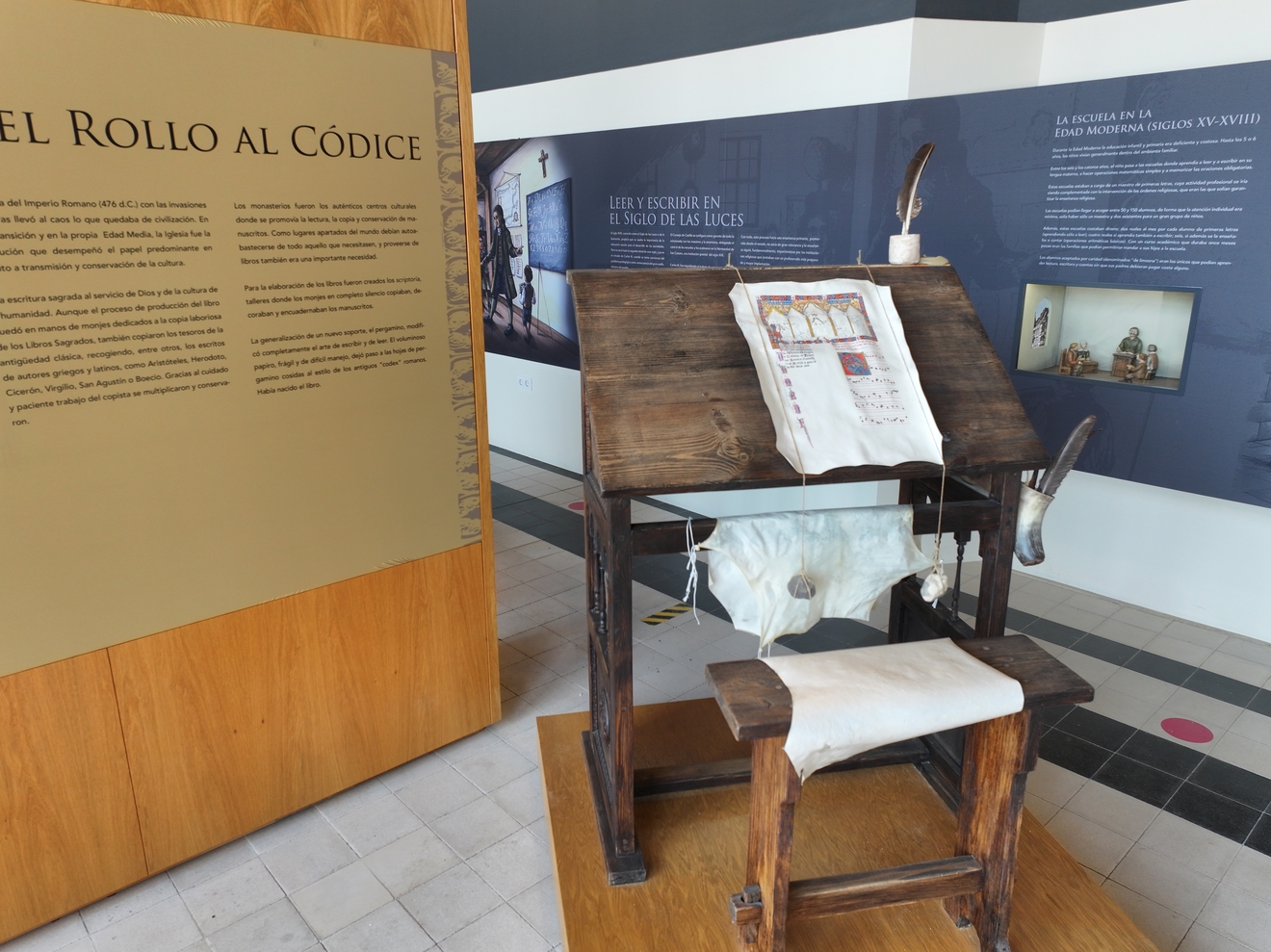
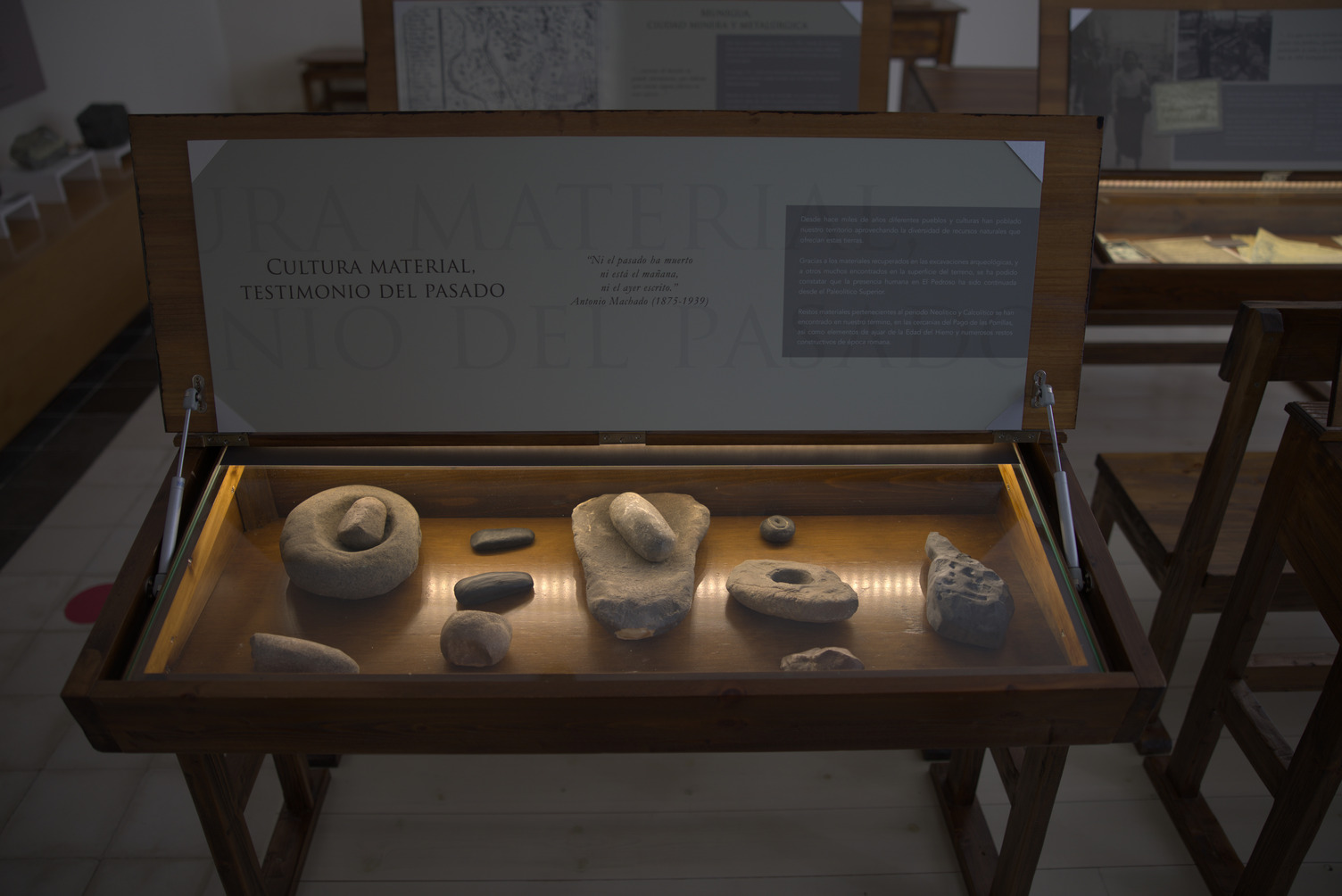
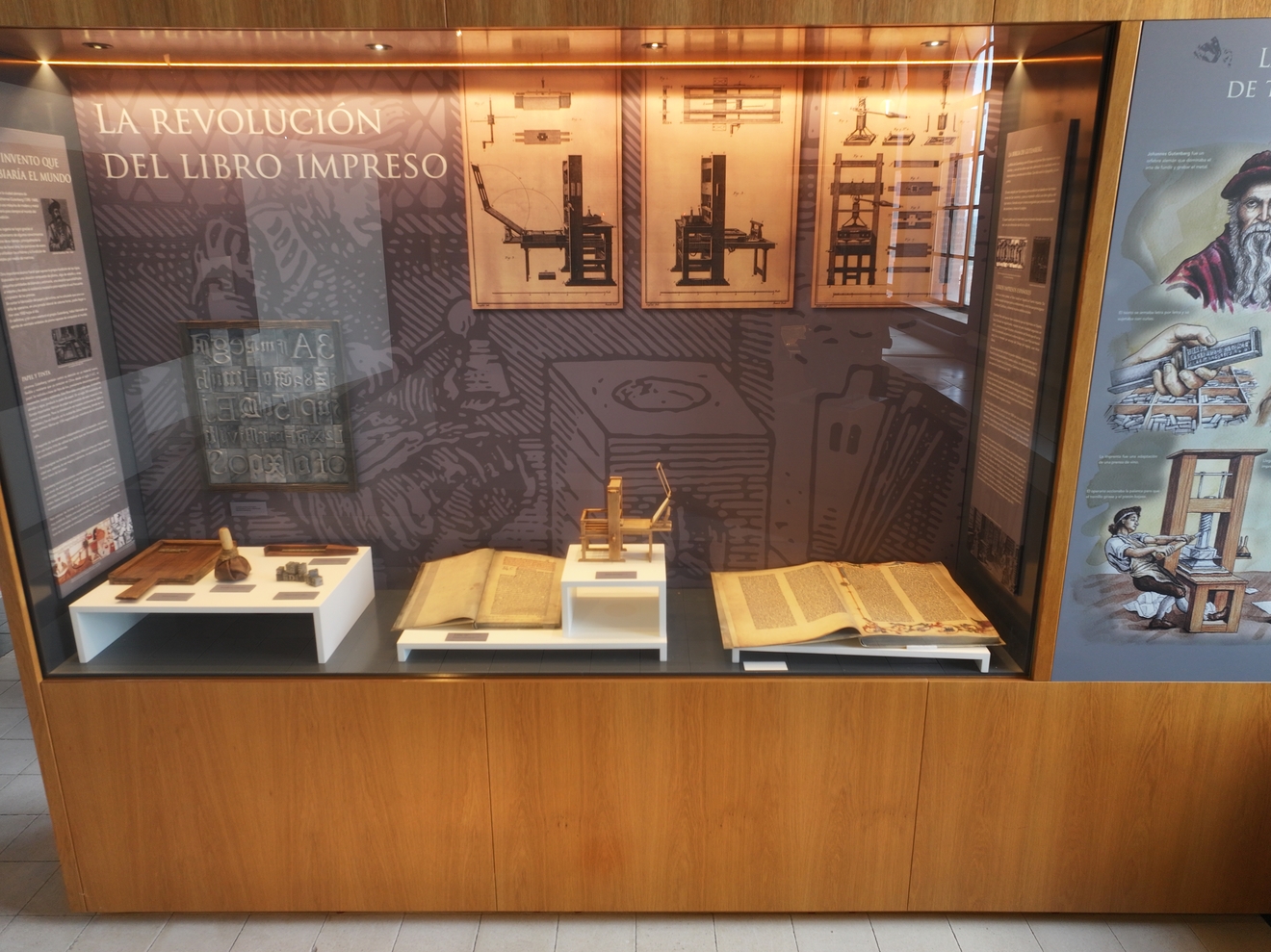
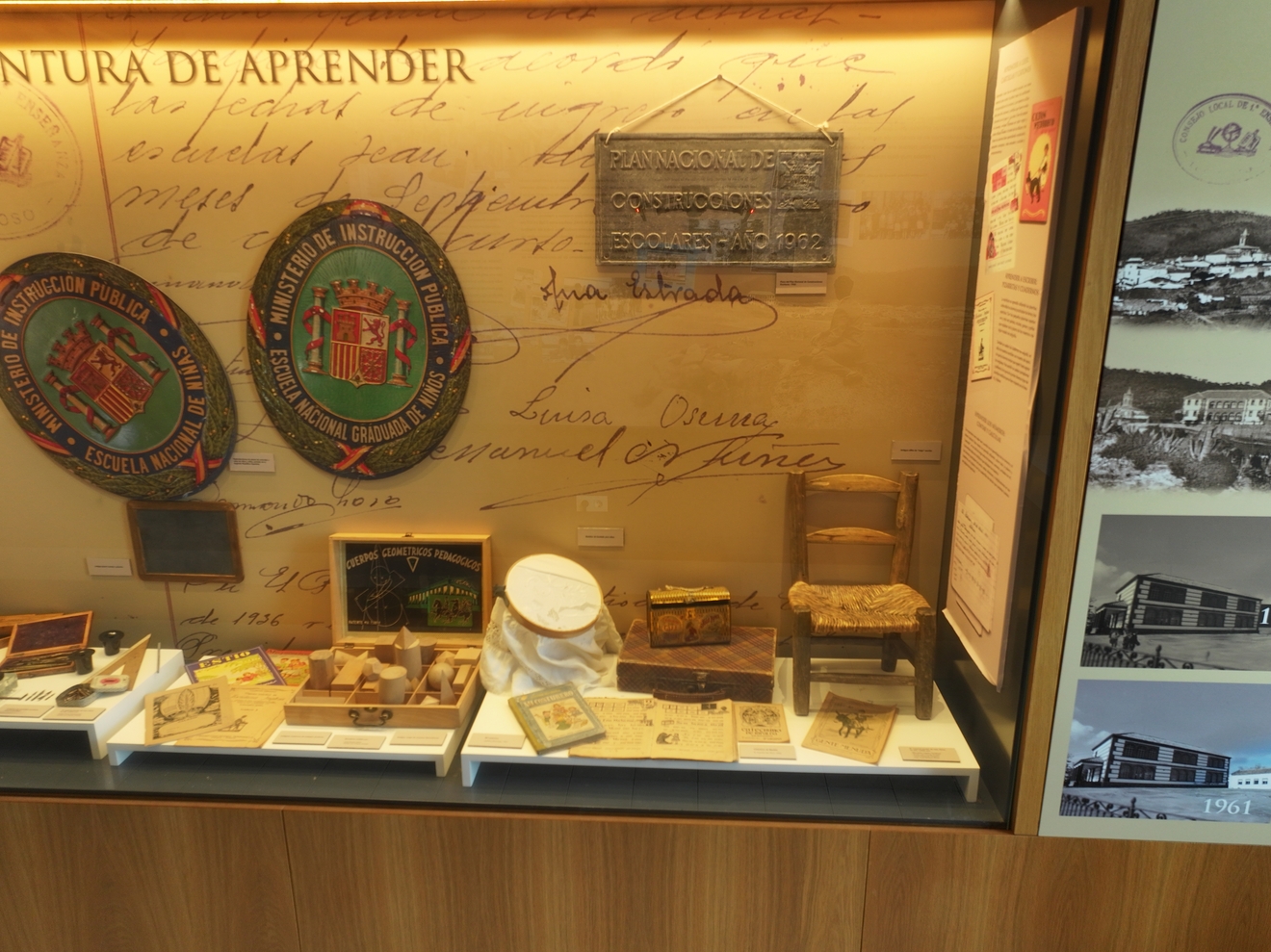
The Escuelas Nuevas Culture Centre occupies the former school of El Pedroso, built in the 1930s and attributed to the architect Aurelio Gómez Millán. Today it houses different exhibition spaces dedicated to history, education, mining and local heritage, keeping alive the cultural and educational vocation with which the building was born.
Know more
The construction of the Escuelas Nuevas responded to a moment of profound transformation in education in Spain. During the first decades of the 20th century, the creation of school buildings specifically designed for education was promoted, replacing the old classrooms improvised in municipal premises or private homes. School architecture began to incorporate hygienist criteria, with spacious areas, good ventilation, natural lighting and a distribution designed to favour learning.
The building of El Pedroso constitutes a good example of this new educational conception. Its design, attributed to the architect Aurelio Gómez Millán, reflects some of the architectural principles developed during those years in Andalusia. A disciple of Aníbal González and the author of numerous public and residential buildings, Gómez Millán combined the regionalist tradition with functional solutions adapted to the needs of each project, becoming one of the most outstanding figures of 20th-century Andalusian architecture.
Education experienced important changes throughout the period in which the Escuelas Nuevas remained in operation. Teaching methods evolved from models based on discipline, memorisation and separation by sex towards increasingly open, participatory and inclusive systems. Despite these transformations, the school continued to perform the same essential function: to transmit knowledge and favour the personal development of several generations of residents.
The building also occupies an enclave of great historical interest. Before the school was built, this place was occupied by an ancient castle of Andalusian origin, related to the defensive system that protected this sector of Sierra Morena during the Middle Ages. Although barely any visible remains are preserved, its location recalls the long historical continuity of a space that has maintained a public function for centuries.
The current transformation of the Escuelas Nuevas into a cultural centre represents an example of reuse of architectural heritage. Instead of losing its usefulness after its closure as a school, the building continues to fulfil a function linked to knowledge, hosting exhibitions, cultural activities and dissemination spaces that keep alive the link between past and present. In this way, the old school continues to be a place where people can learn, preserve memory and transmit the cultural heritage of El Pedroso.