
- Home
- Interest points
- Turdetan Treasure
Info
The Treasure of La Puebla de los Infantes constitutes one of the most outstanding sets of Iberian goldwork preserved in Andalusia. Its pieces, made of gold during the 3rd century BC, reflect the high technical level reached by the workshops of the period and the importance that this territory had in the final moments of Iberian culture.
Know more
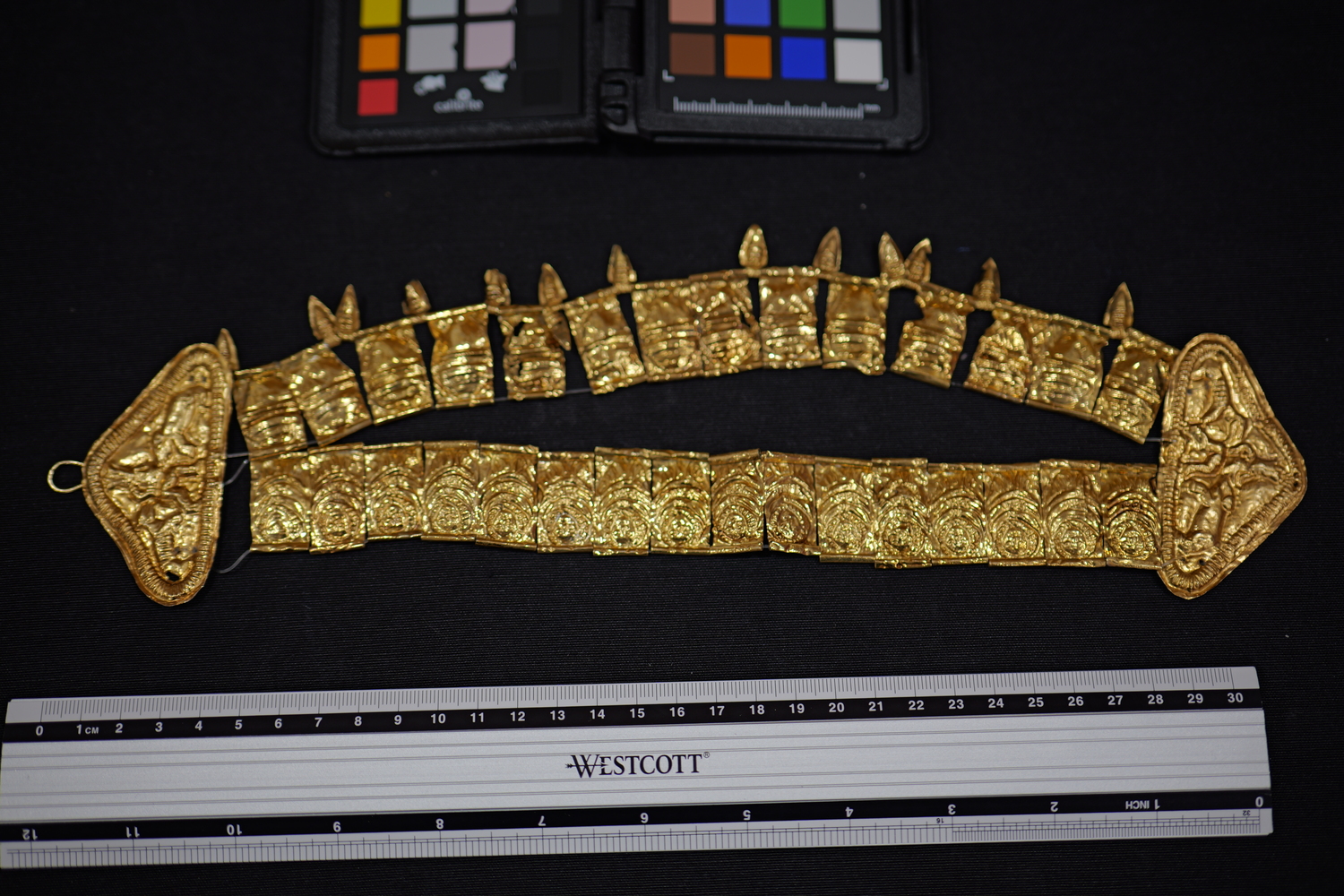
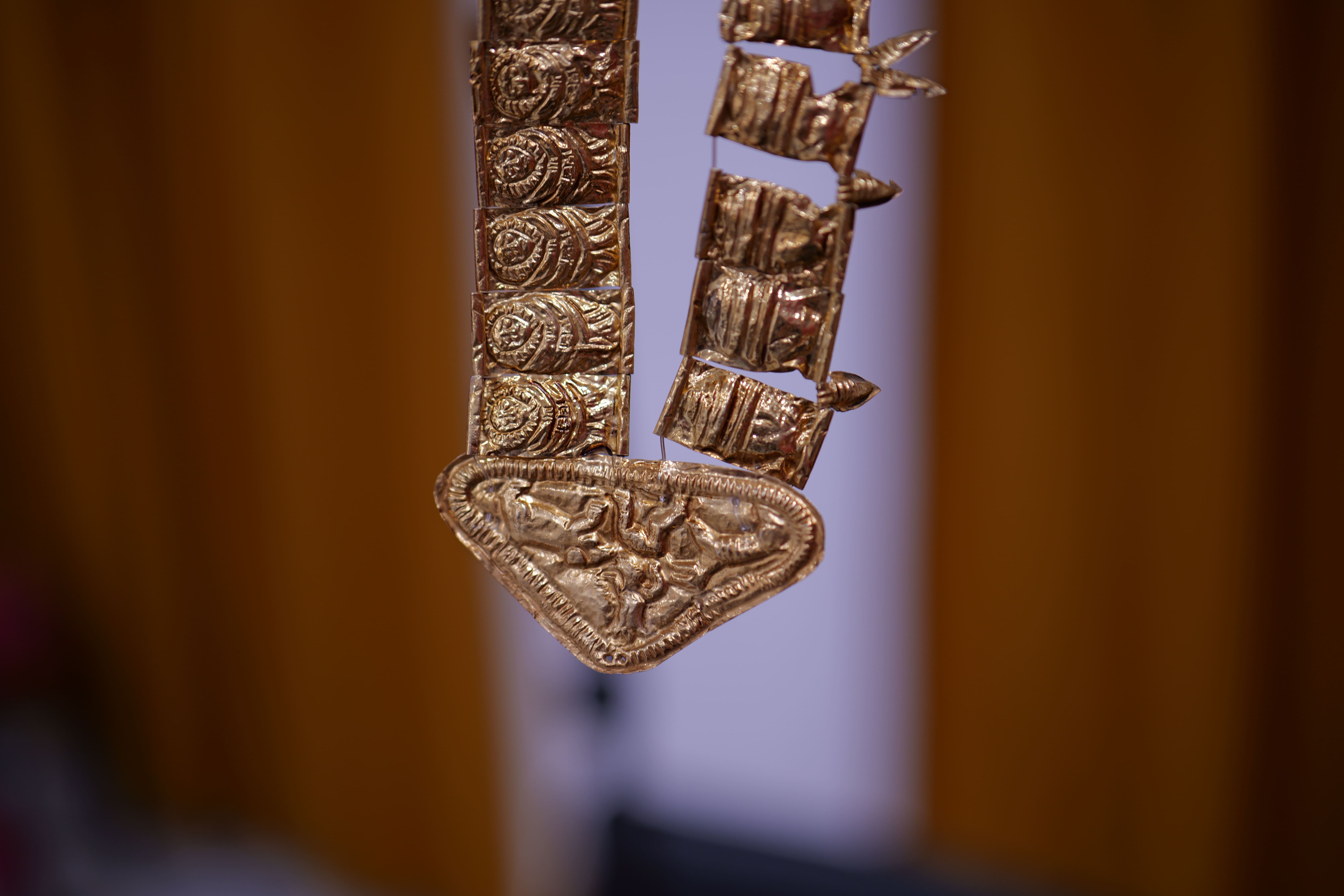
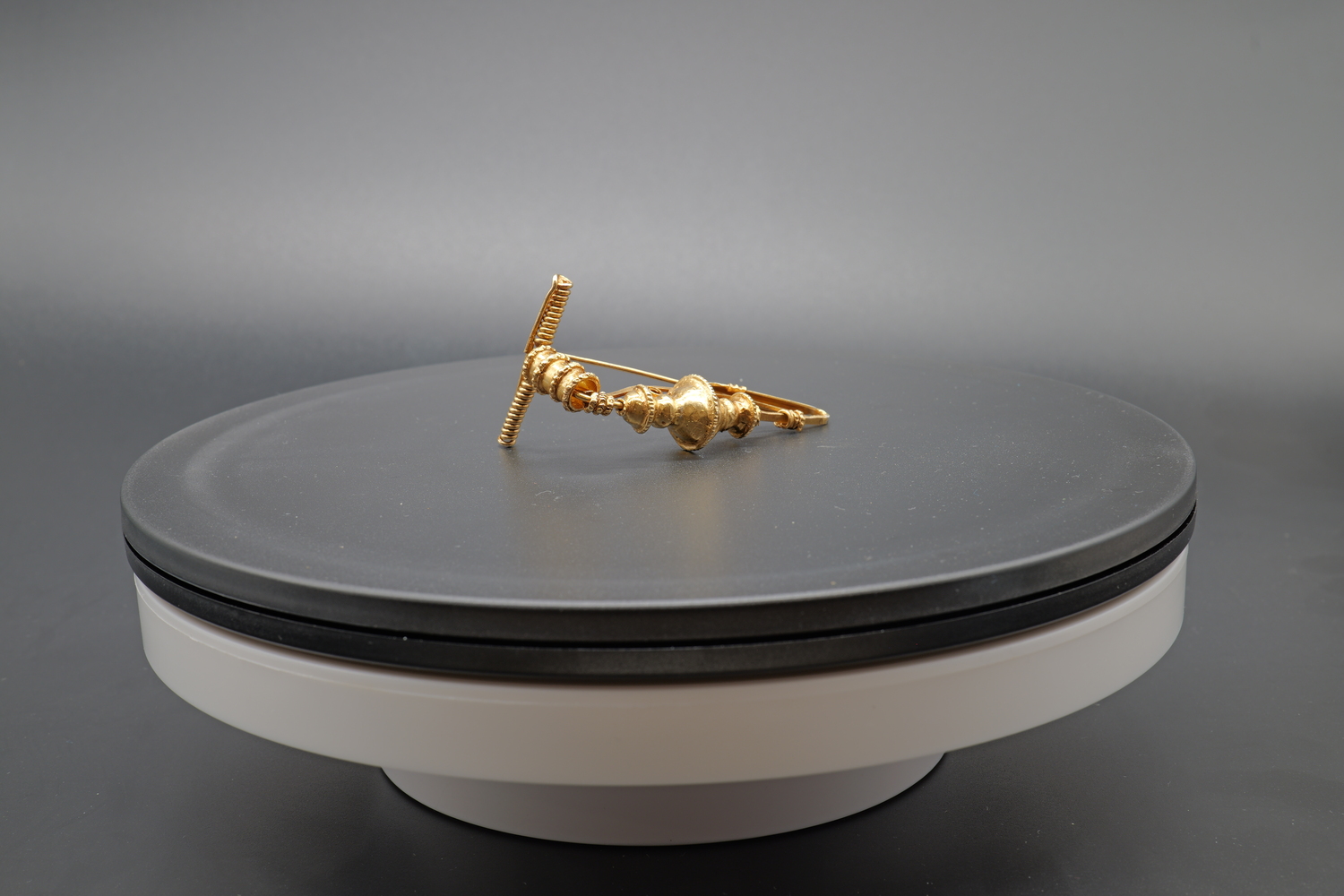
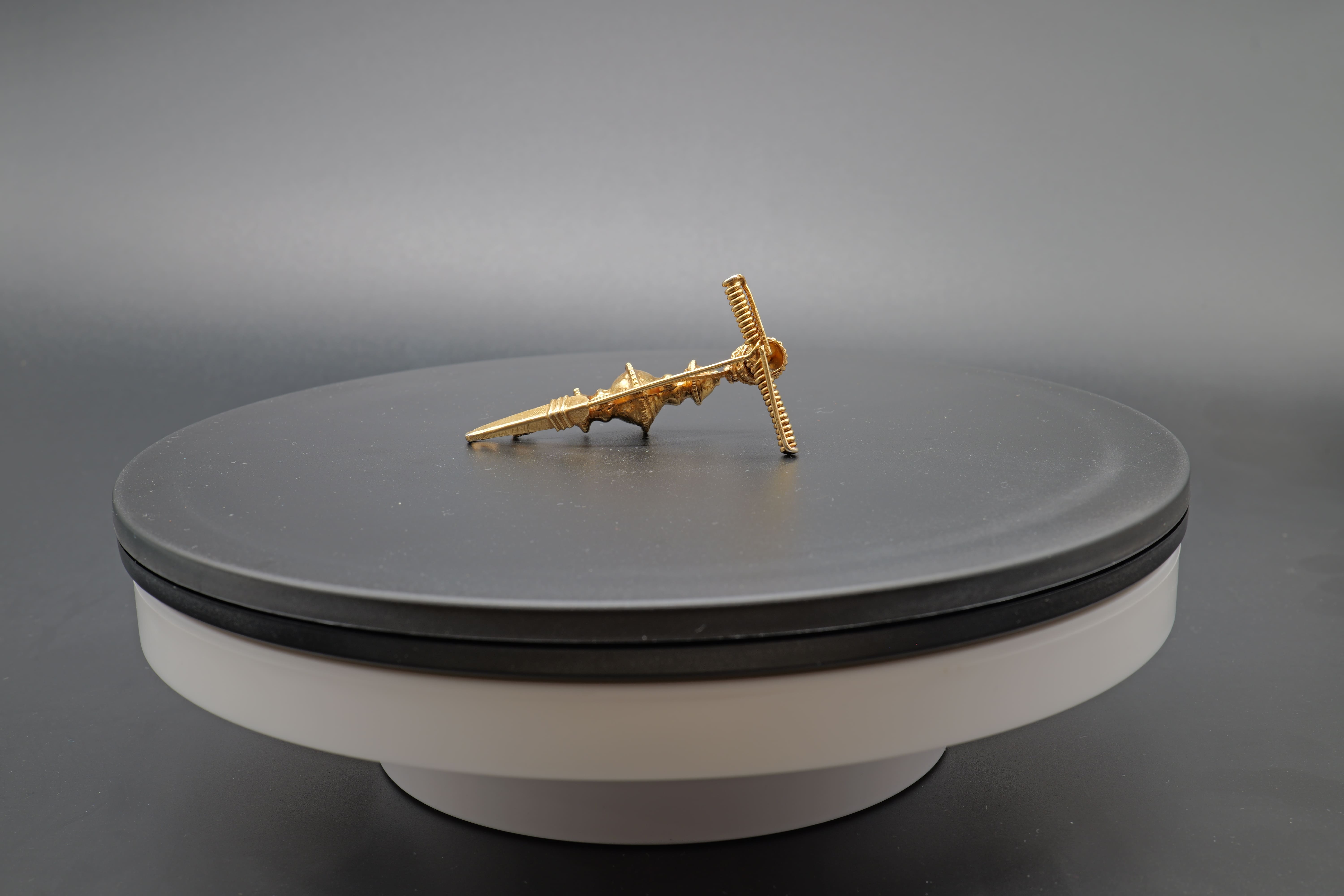
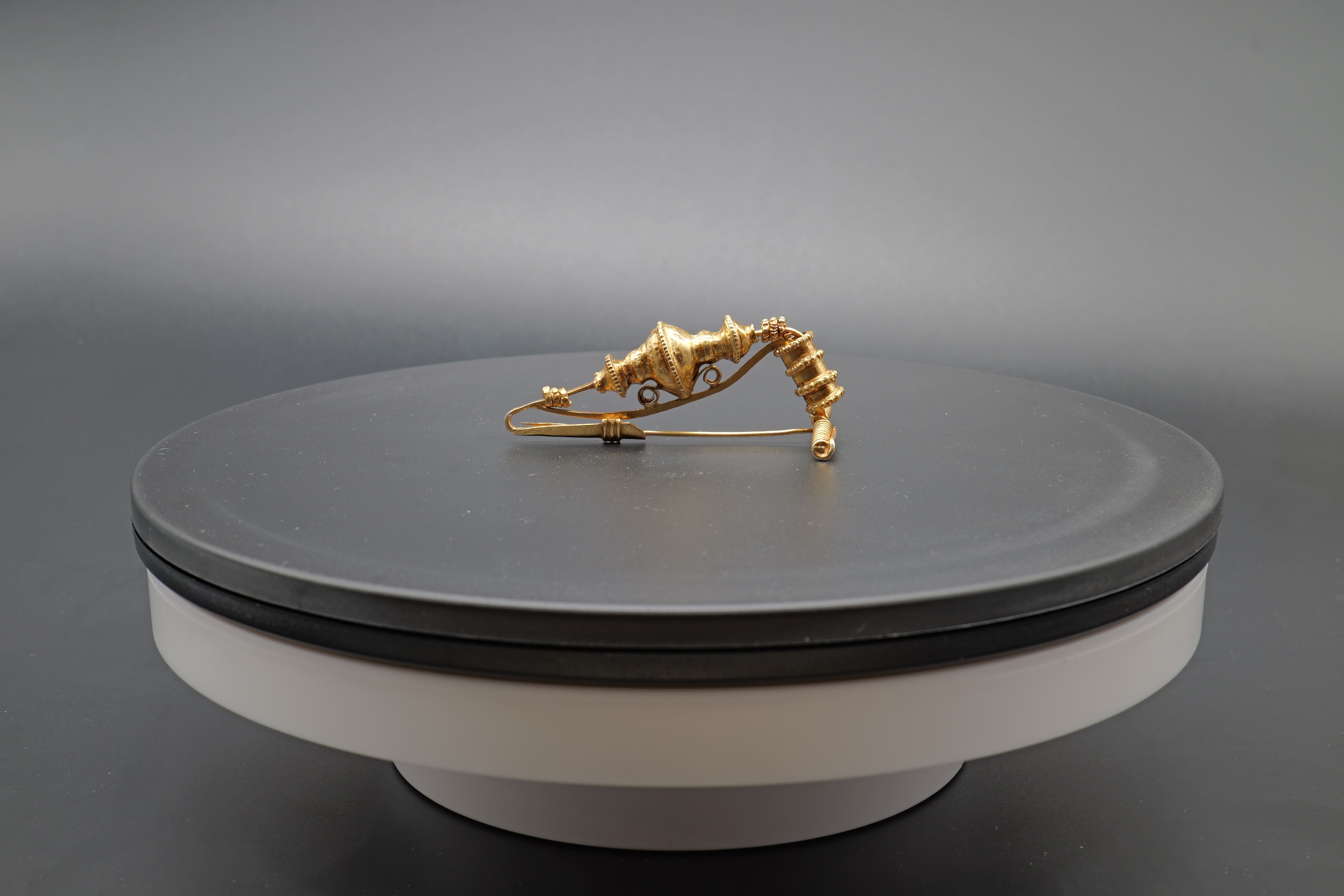
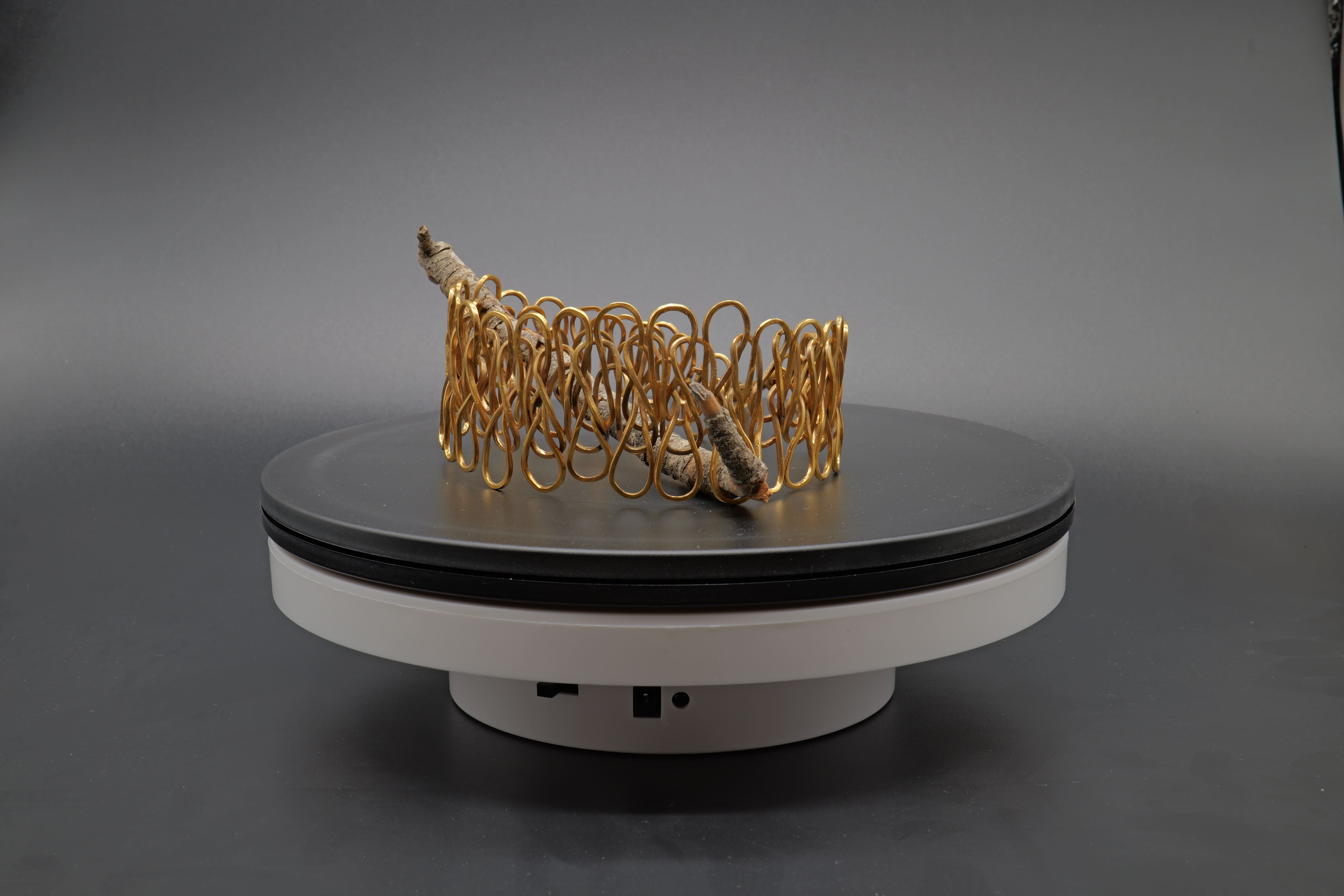
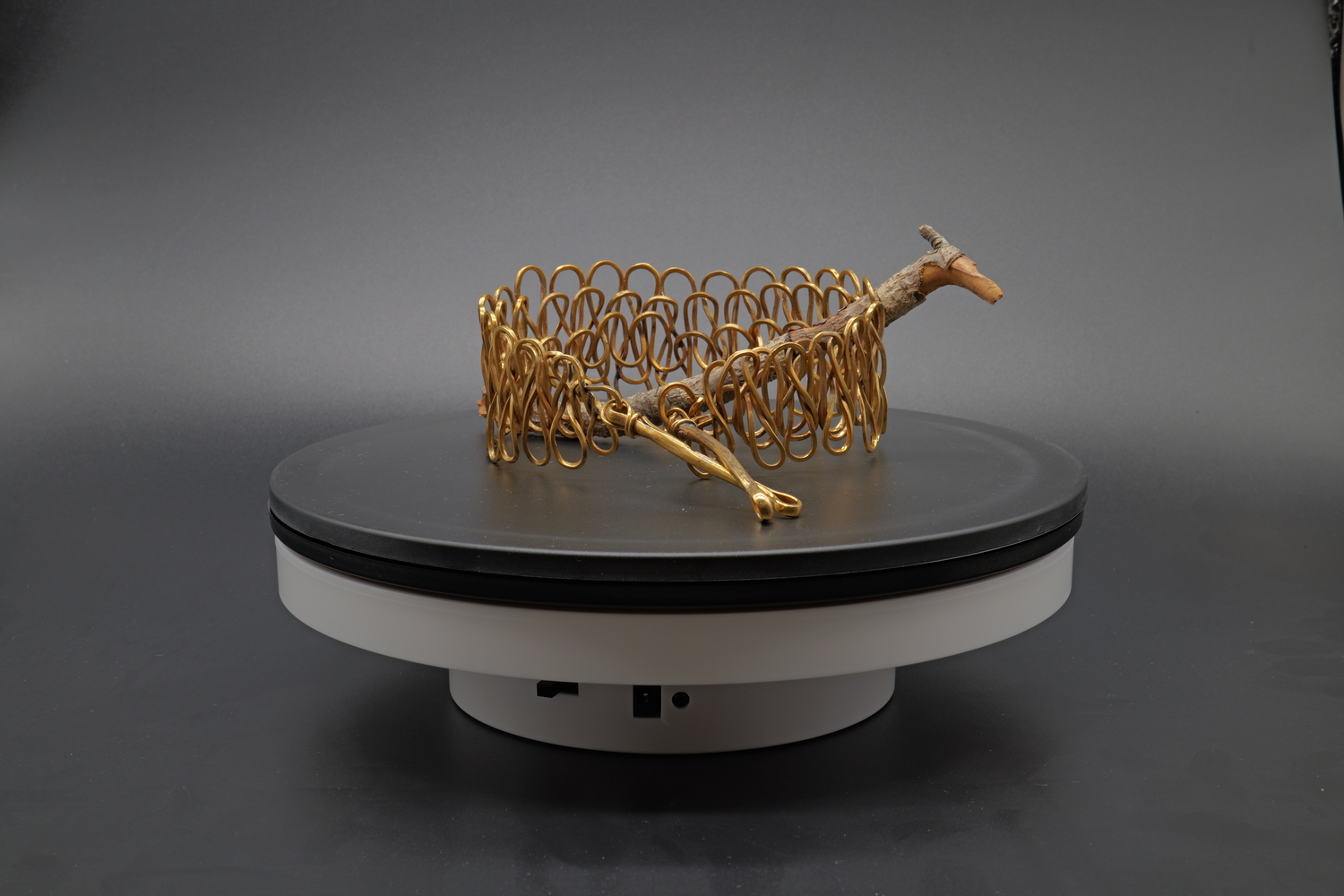
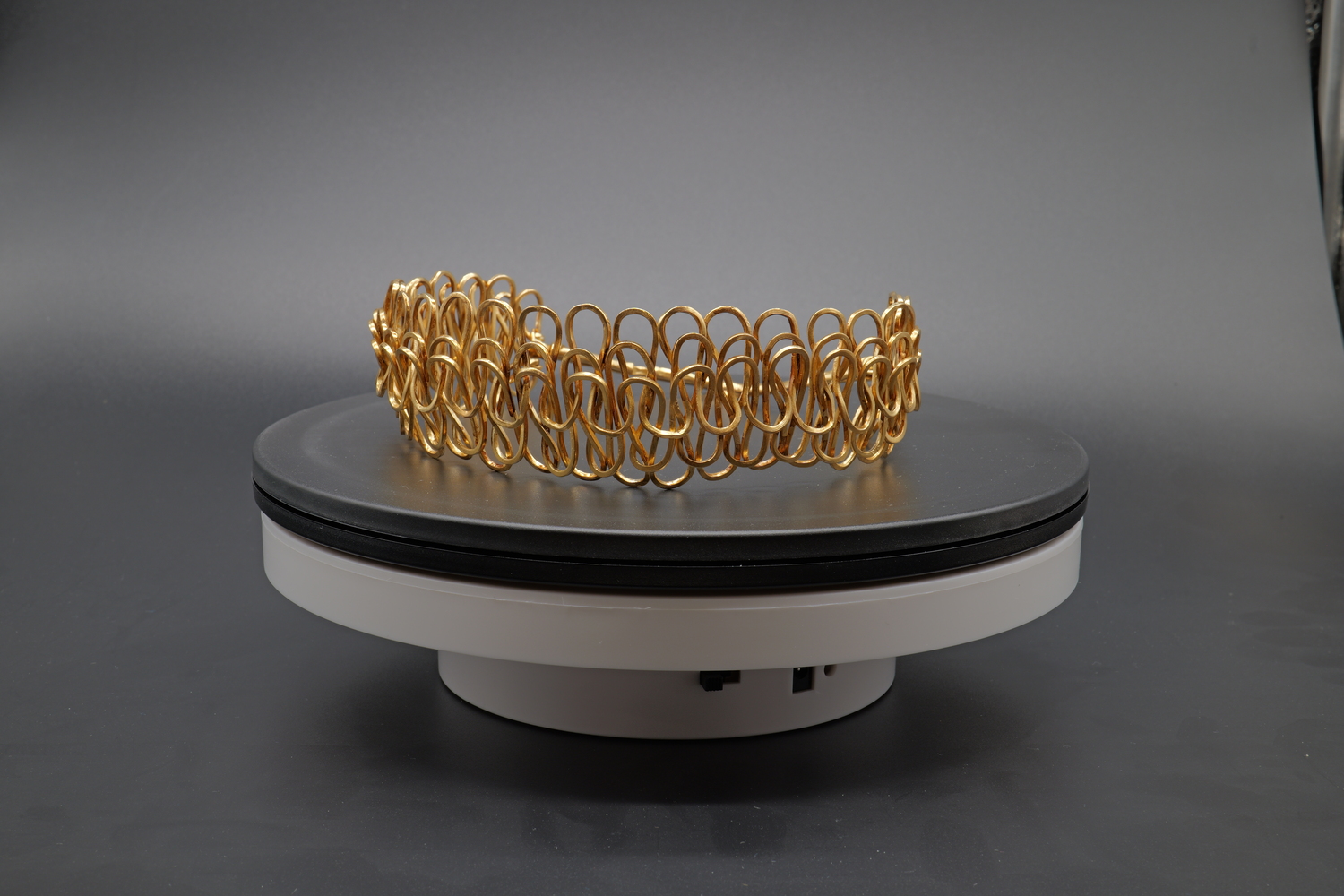
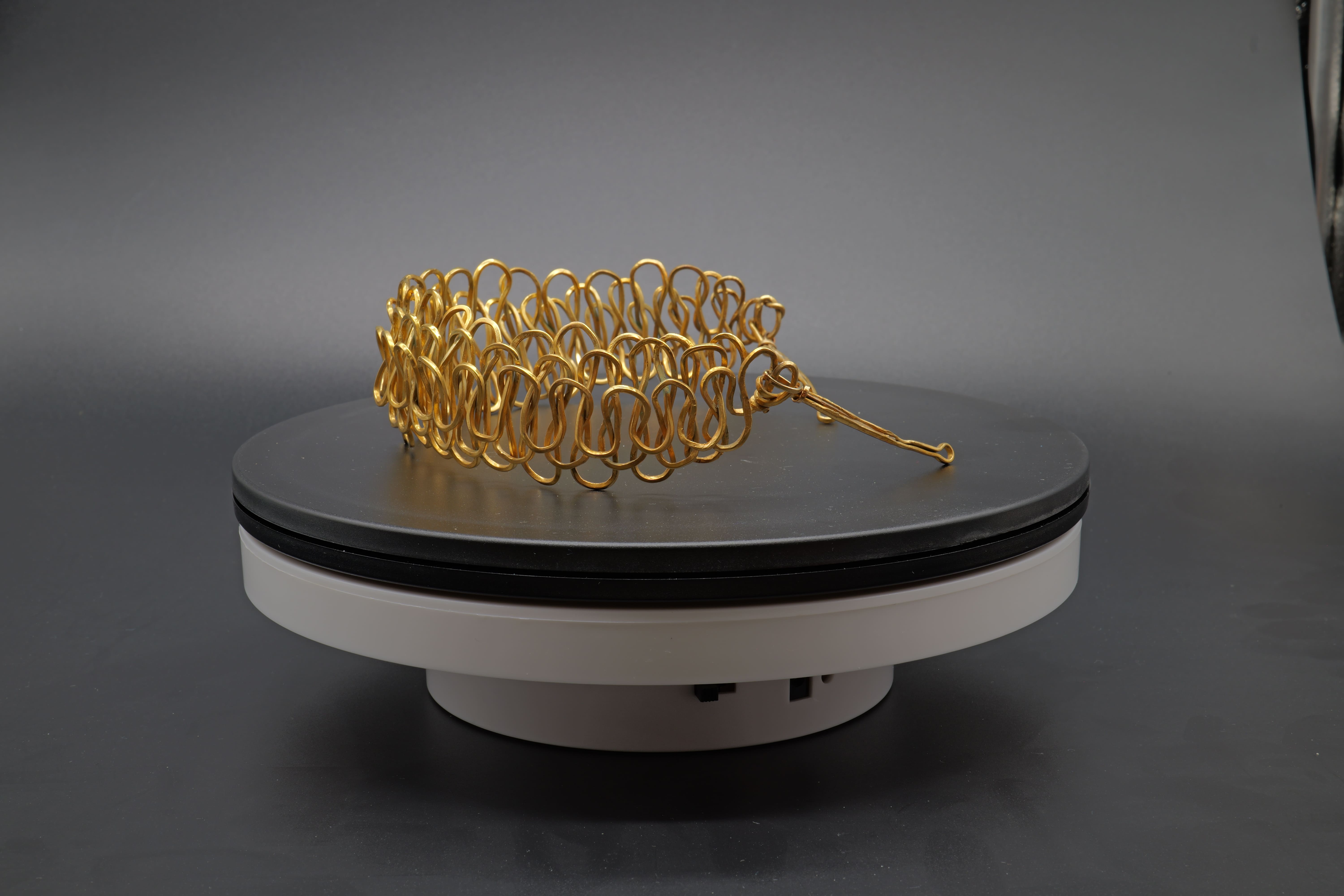
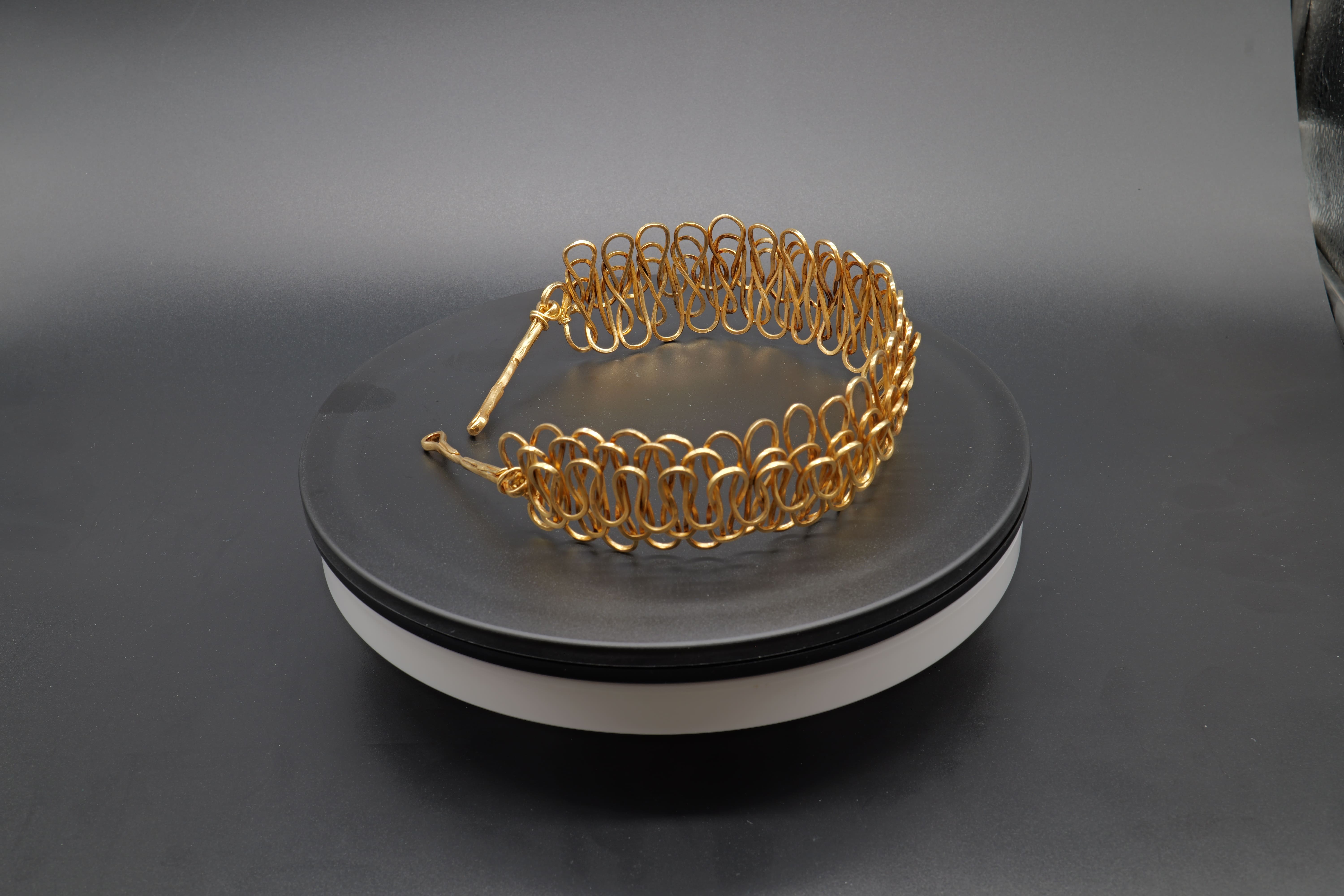
Although today its pieces are preserved in the National Archaeological Museum, the Treasure of La Puebla de los Infantes remains one of the most relevant archaeological finds linked to the municipality. It is made up of an articulated gold diadem, three torcs or rigid braided necklaces, a fibula, a signet ring and various pendants, forming an exceptional set of Iberian goldwork from the end of the 3rd century BC.
Unlike other great peninsular treasures, this set lacks a known archaeological context. The pieces appeared on the antiquities market before being incorporated into the collections of the National Archaeological Museum, which prevents us from knowing with certainty the exact place where they were deposited or the circumstances of their discovery.
The presence of several Carthaginian coins associated with the set has made it possible to date its concealment to around 230 BC, during a period of great instability related to the Punic Wars. Everything suggests that its owners hid these valuable jewels to protect them at a moment of conflict, although they never returned to recover them.
The pieces stand out both for the quality of the goldwork and for the richness of their iconography. The diadem combines small plaques decorated with female representations, plant motifs and acorn-shaped pendants, while at its ends there appear scenes of ritual character with a figure between a wild boar and a canid, images linked to the Mediterranean symbolic world. The torcs show complex braiding of gold threads, and the fibula reproduces in this metal a type widely spread among the elites of Celtic Europe, reflecting the intense circulation of cultural influences in the Iberian Peninsula during this period.
Beyond its extraordinary artistic value, the treasure constitutes an exceptional testimony to the Iberian elites who inhabited this territory. These jewels not only represented wealth, but also prestige, identity and power, becoming one of the best examples for understanding the cultural and commercial relationships that linked the Guadalquivir valley with the Mediterranean in the centuries prior to the Roman conquest.
3D Objects
Bibliography
- Museo Arqueológico Nacional (MAN). Tesoro de La Puebla de los Infantes. Fichas catalográficas de la diadema, torques y fíbula.
- Barril Vicente, M. y Rodero Riaza, A. (2002). Torques. Belleza y Poder. Ministerio de Educación, Cultura y Deporte. Catálogo de la exposición. (Es la bibliografía que cita el propio MAN).
- Galán Domingo, E. (2007). "Fíbula", en Ecos del Mediterráneo. El mundo ibérico y la cultura vettona. Museo Arqueológico Nacional.
- Almagro-Gorbea, M. (dir.). Diversas publicaciones sobre la orfebrería orientalizante e ibérica y los tesoros prerromanos de la Península Ibérica.
- Quesada Sanz, F. Trabajos sobre la cultura ibérica, las élites y el armamento en la Segunda Edad del Hierro.