
- Home
- Interest points
- The Way of St James
Info
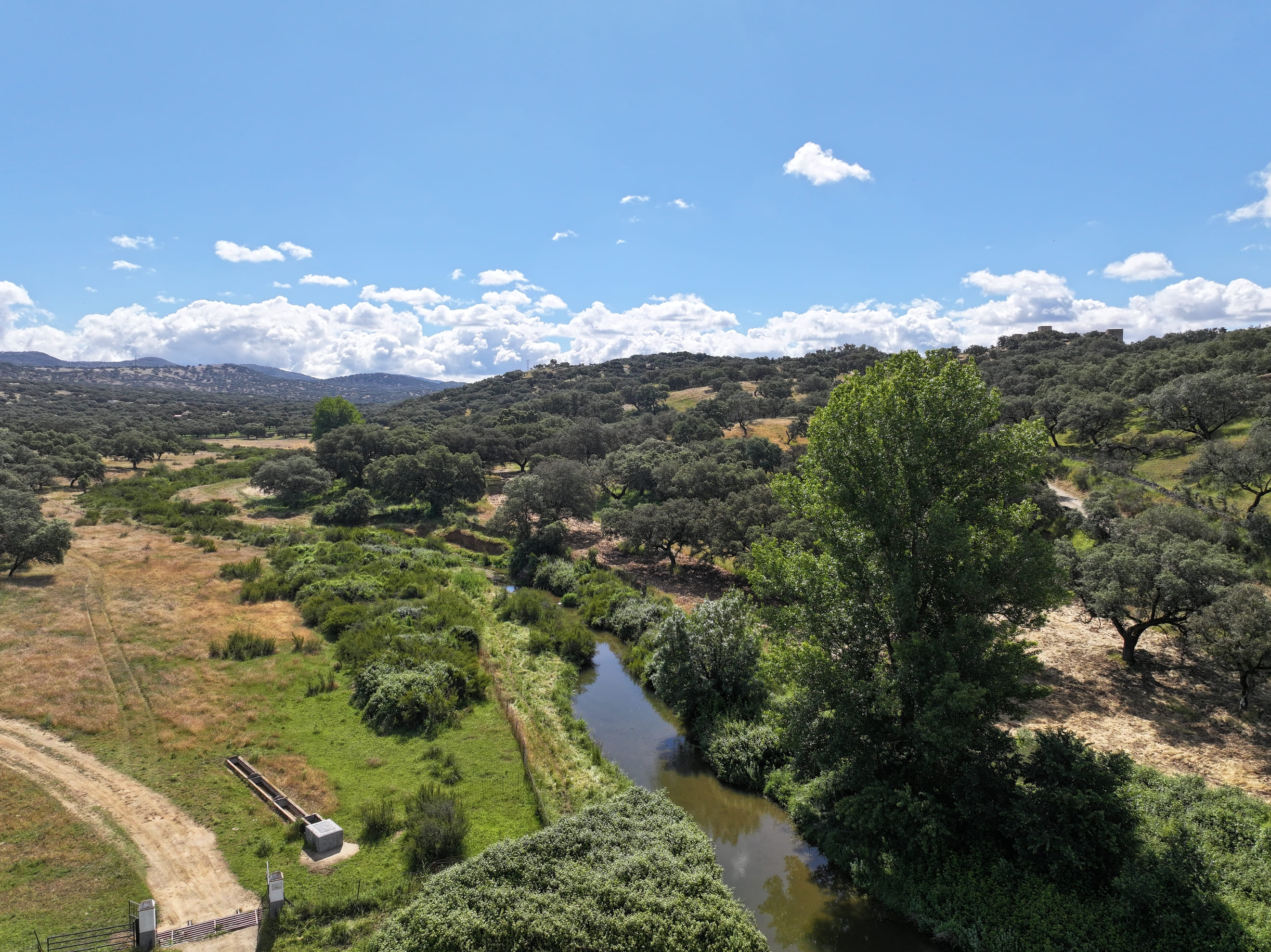
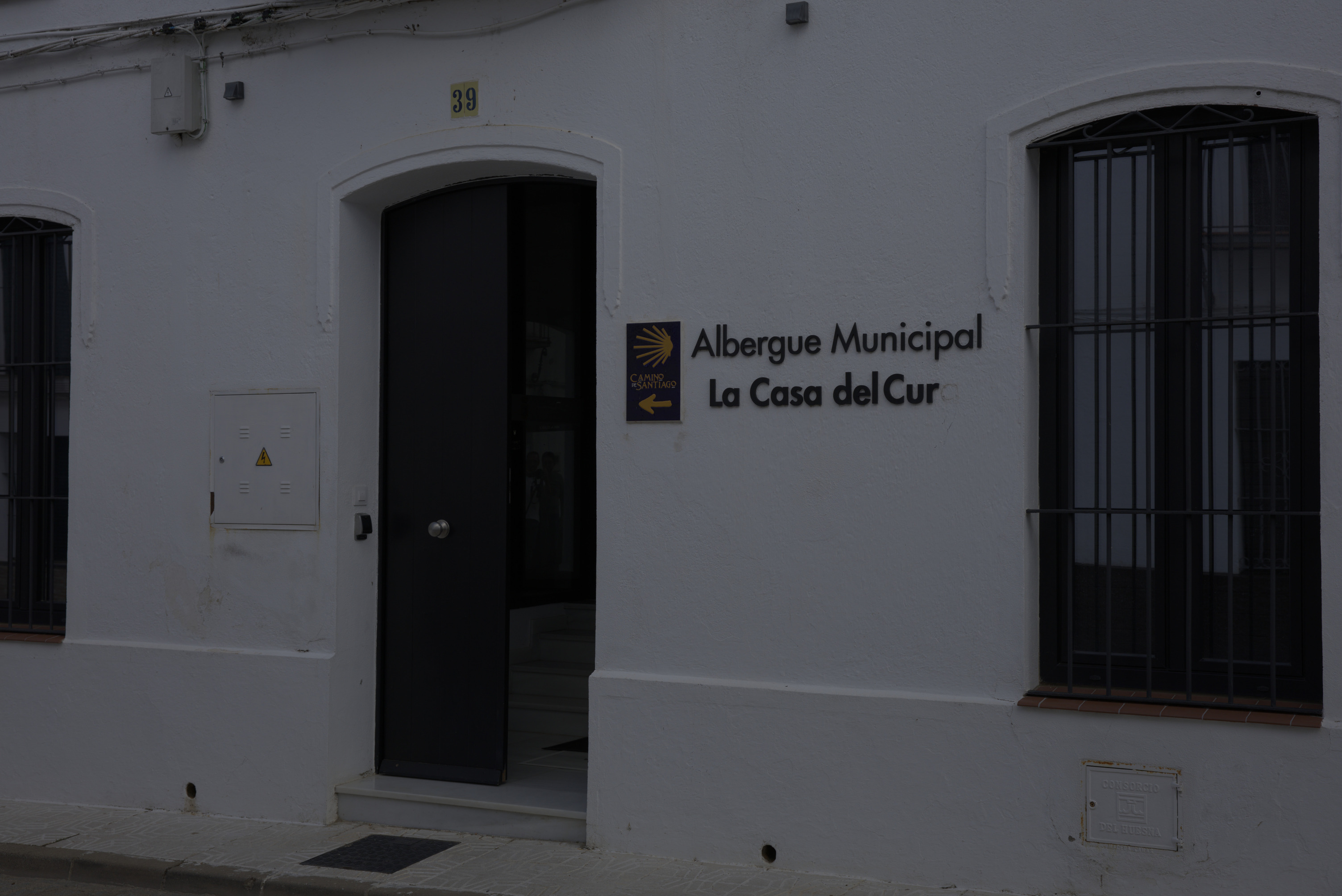
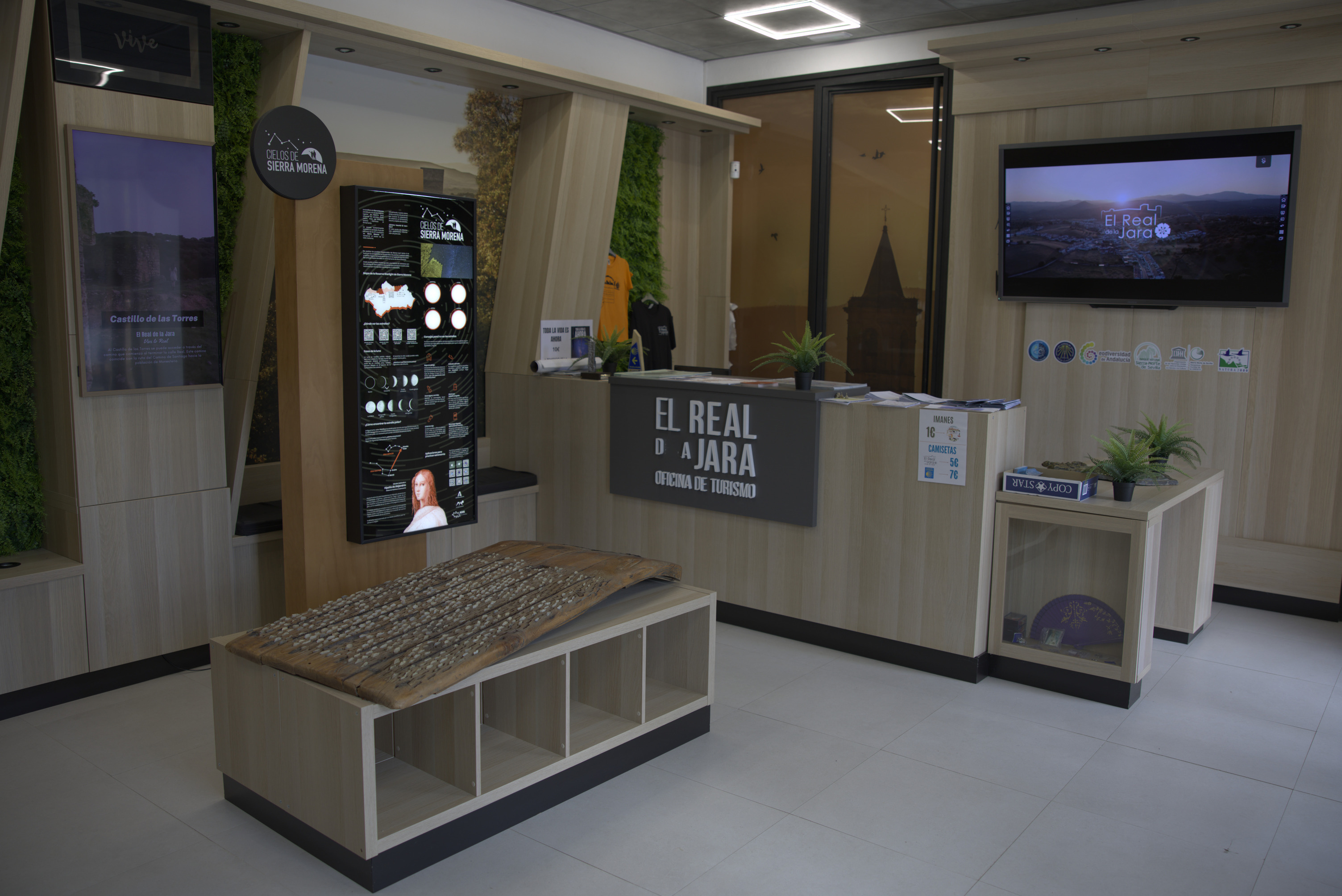
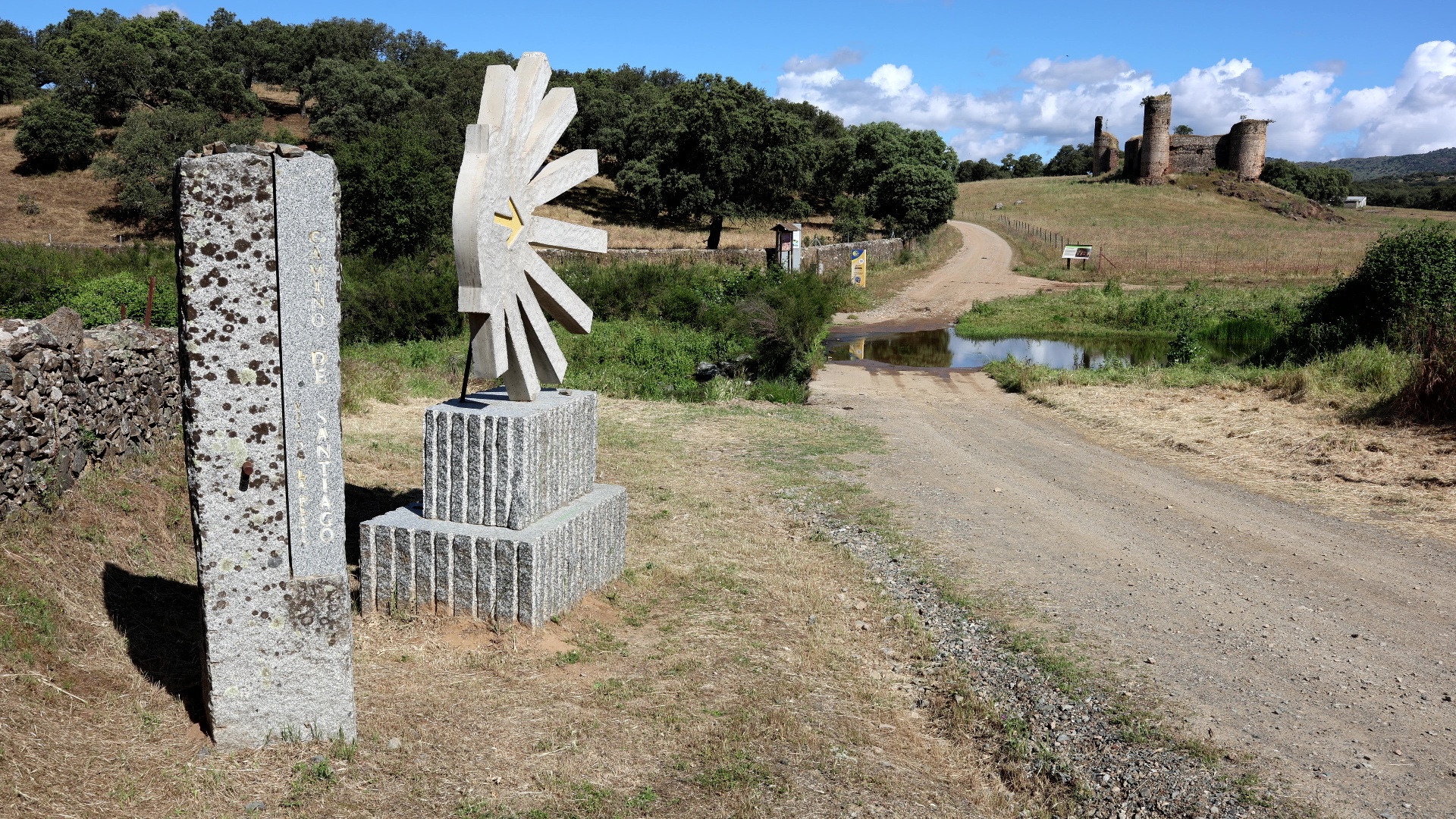
El Real de la Jara constitutes one of the most representative stages of the Way of Saint James along the Vía de la Plata. Its location, next to the boundary between Andalusia and Extremadura, has historically turned the municipality into a place of passage, welcome and encounter for travellers, merchants and pilgrims.
Today, this route makes it possible to discover a landscape where history, nature and heritage preserve the legacy of one of the great historical routes of the Iberian Peninsula.

Know more
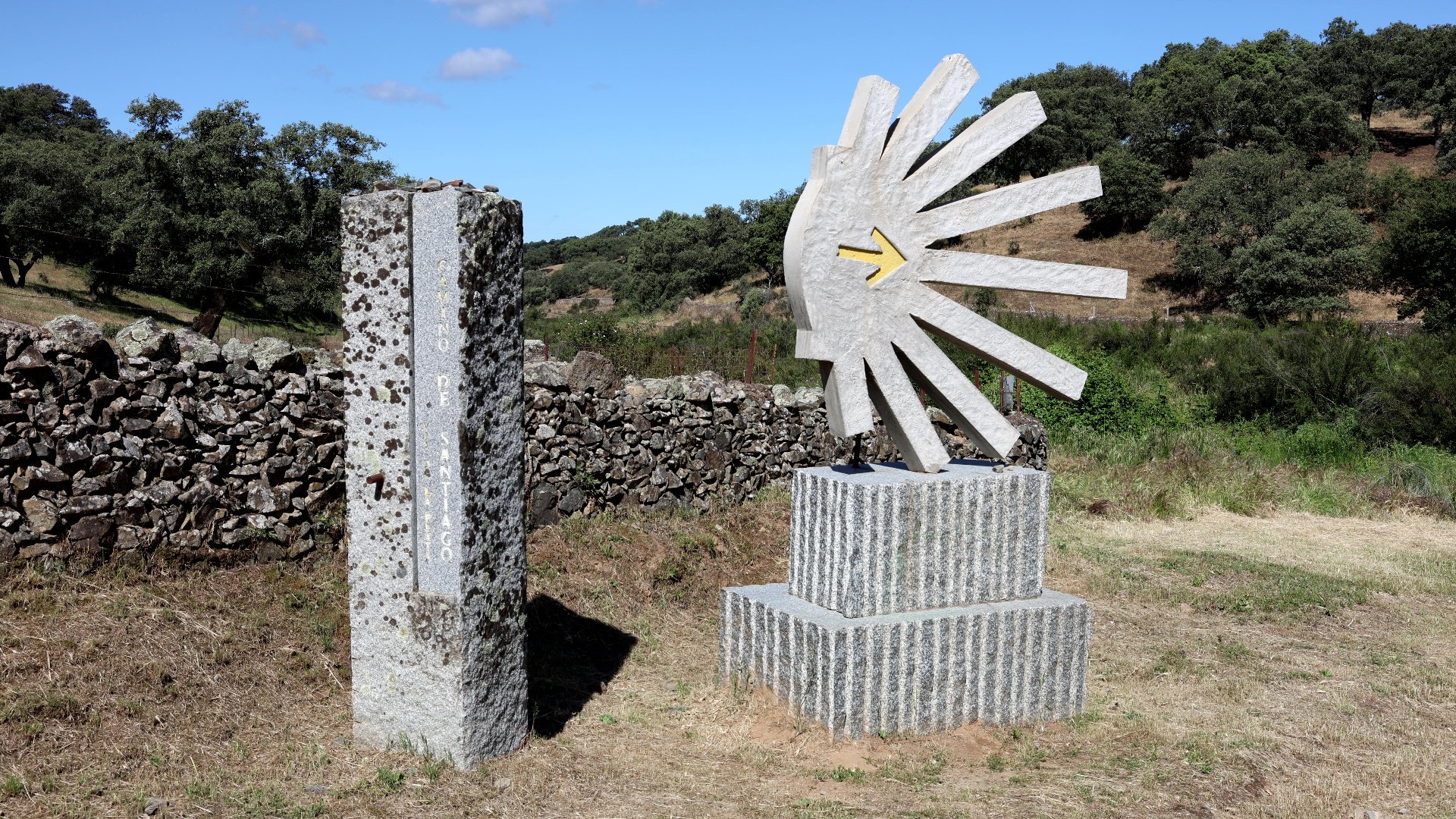
The Vía de la Plata is one of the most important historical routes of the Iberian Peninsula. Although it has traditionally been related to the transport of this metal, most specialists consider that its name probably derives from the Arabic term al-Balāṭ, which means paved road. Its origin dates back to the Roman period, when it linked Emerita Augusta, Mérida, with Hispalis, Seville, articulating an extensive communication network that favoured the movement of people, goods and armies for centuries.
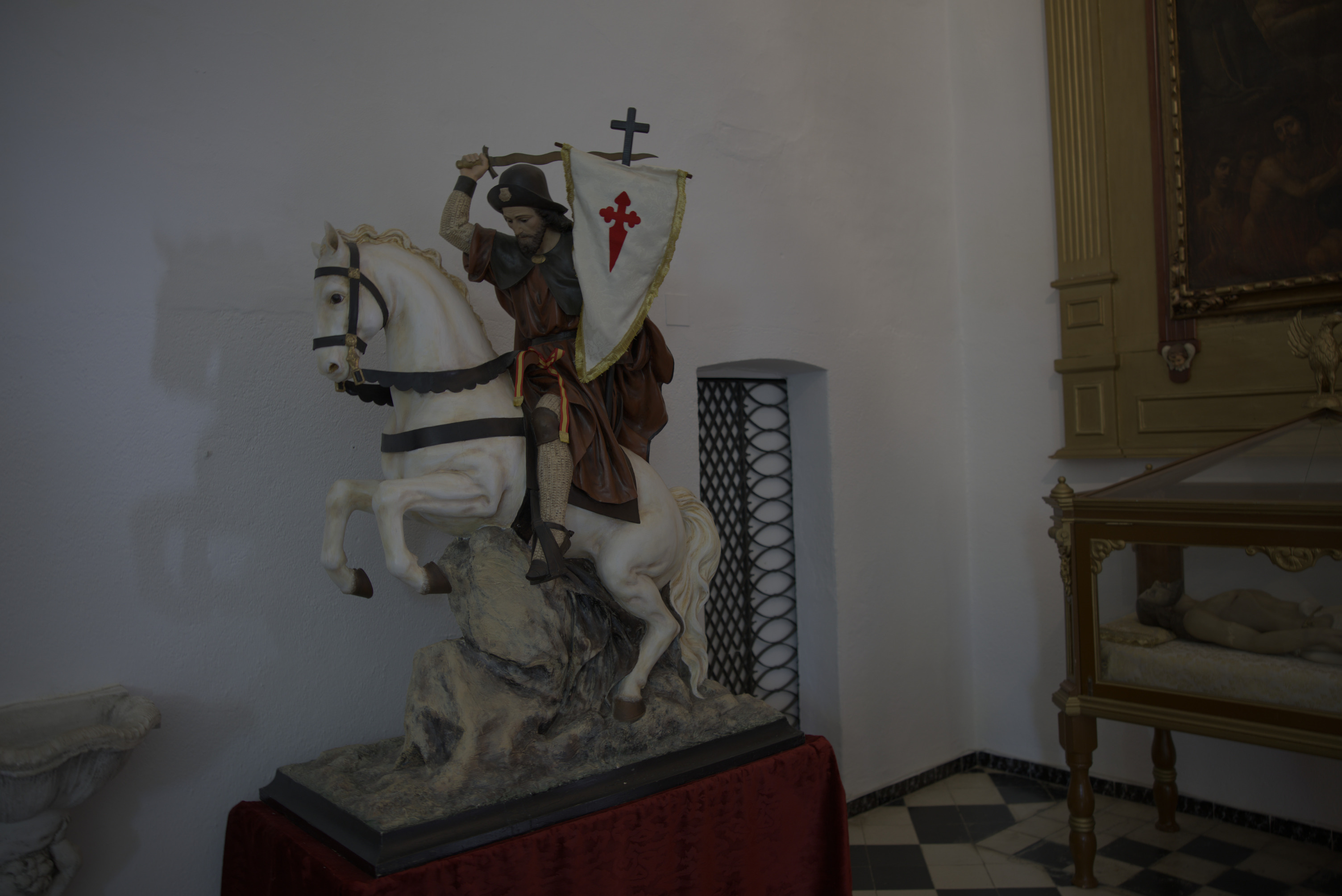
After the Middle Ages, this ancient communication axis acquired a new meaning when it became integrated into the Jacobean routes. Thousands of pilgrims began to travel the Vía de la Plata in the direction of Santiago de Compostela, turning it into one of the great historical pilgrimage itineraries of Europe. Unlike the French Way, this route crosses wide rural landscapes where it is still possible to recognise a large part of its traditional layout.
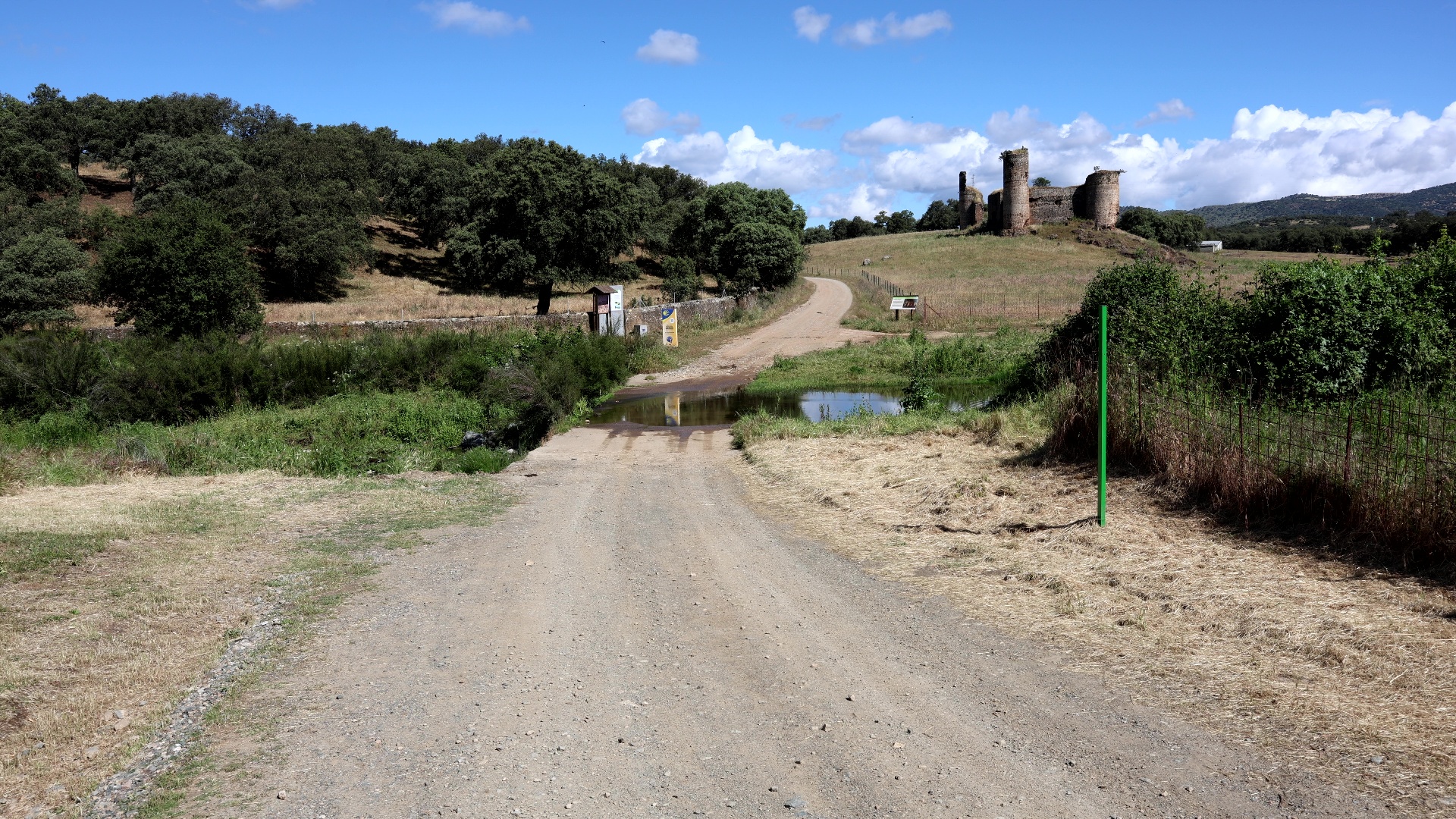
The position of El Real de la Jara gave the municipality special relevance during the Reconquista. Located in a border territory between the Christian kingdoms and al-Andalus, the control of this passage proved strategic from both the military and the economic point of view. The medieval fortress, linked to the Order of Santiago, formed part of a defensive system intended to protect the roads and guarantee the safety of travellers and populations in a territory that was still unstable.
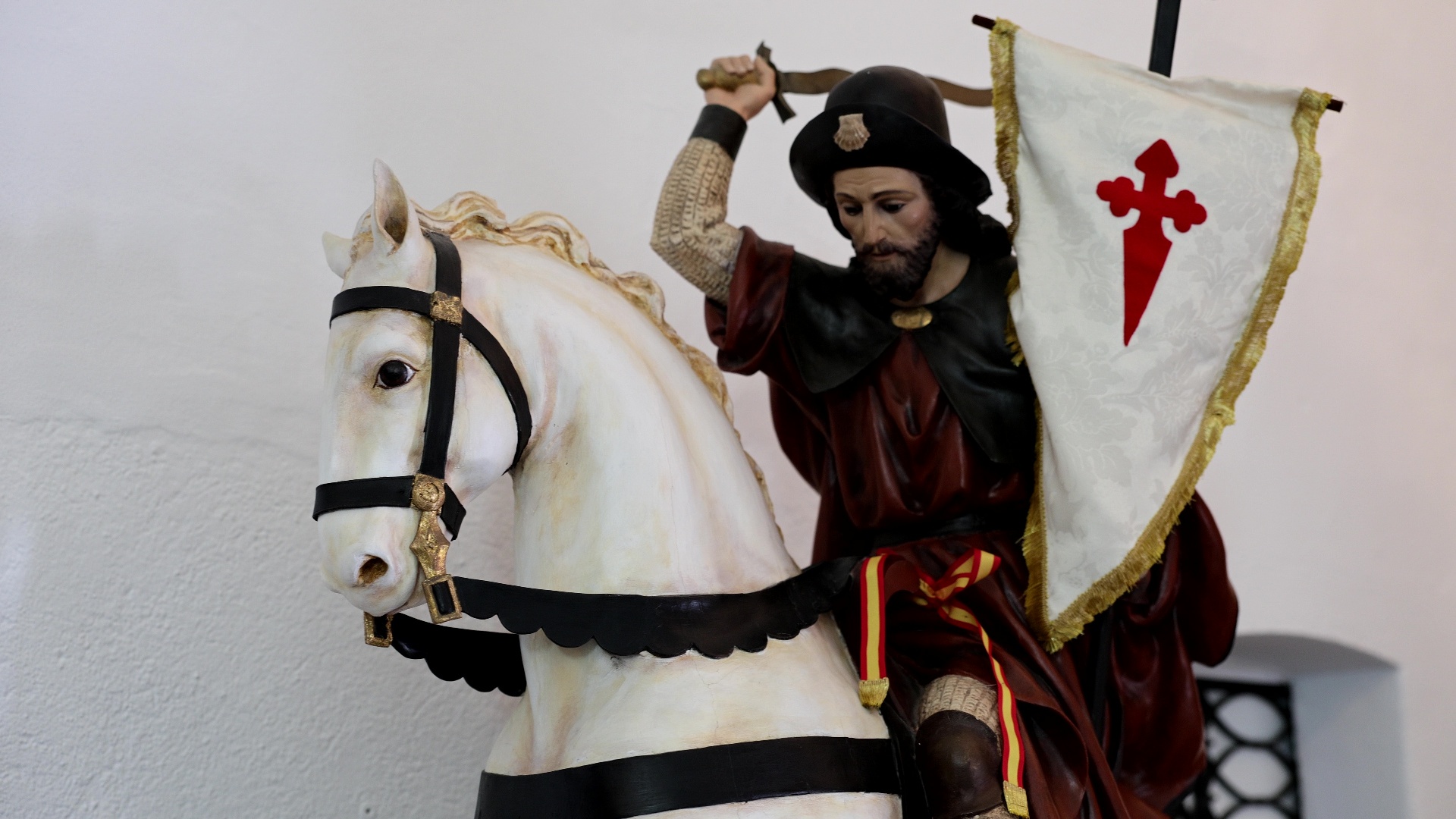
The Order of Santiago, founded in the 12th century, played an essential role in the defence of these territories and in the protection of pilgrims. In addition to its military functions, it administered extensive properties, promoted the repopulation of the conquered areas and favoured the development of numerous population centres linked to the way.
The Way of Saint James was also a route of cultural exchange. Through it circulated new construction techniques, artistic manifestations, knowledge and ways of life that contributed to shaping the identity of a large part of the western peninsula. That character as a space of encounter remains in force today, when thousands of pilgrims travel the Vía de la Plata each year in search of an experience that combines heritage, nature and history.
El Real de la Jara keeps that legacy alive as one of the gateways into Extremadura and one of the last Andalusian municipalities of the Way. Its landscapes, its heritage and the conservation of this historical itinerary make it possible to understand the importance that the ancient communication routes had in the construction of the territory and of the shared history of the Peninsula.
Videos
Way of Saint James
Way of Saint James Subtitled
Bibliography
· Instituto Geográfico Nacional (IGN). Vía de la Plata. Itinerario histórico.
· Ministerio de Cultura. Camino de Santiago – Itinerarios Culturales.
· UNESCO. Routes of Santiago de Compostela.
· Junta de Andalucía. Camino de Santiago – Vía de la Plata en Andalucía.
· Instituto Andaluz del Patrimonio Histórico (IAPH). Castillo de El Real de la Jara.
· Gonzalo Arias. La Vía de la Plata. Estudio histórico del itinerario romano.
· Manuel Ríos Mazcarelle. La Orden de Santiago y la repoblación del sur peninsular.