
- Home
- Interest points
- Source of the River Huéznar
Info
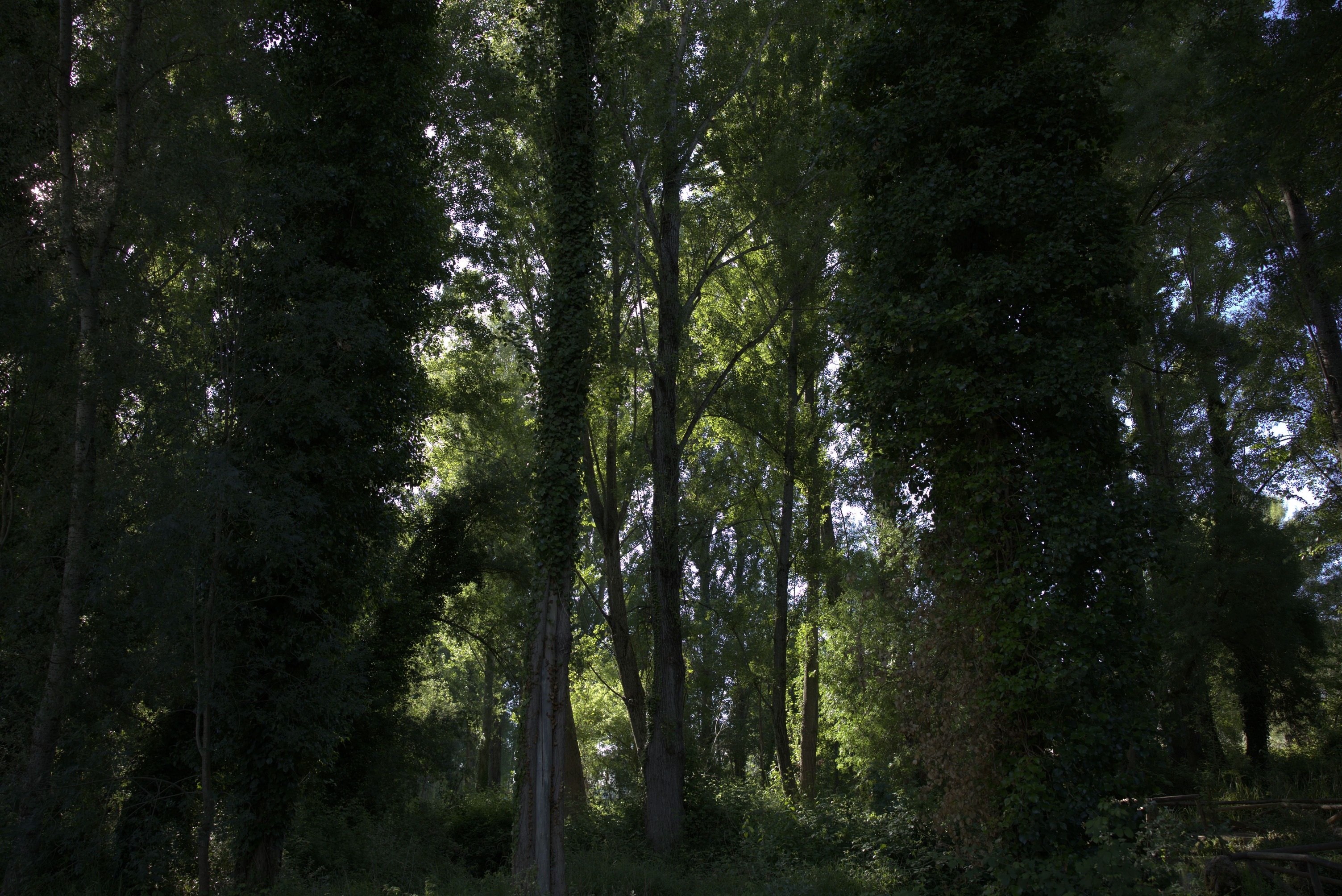
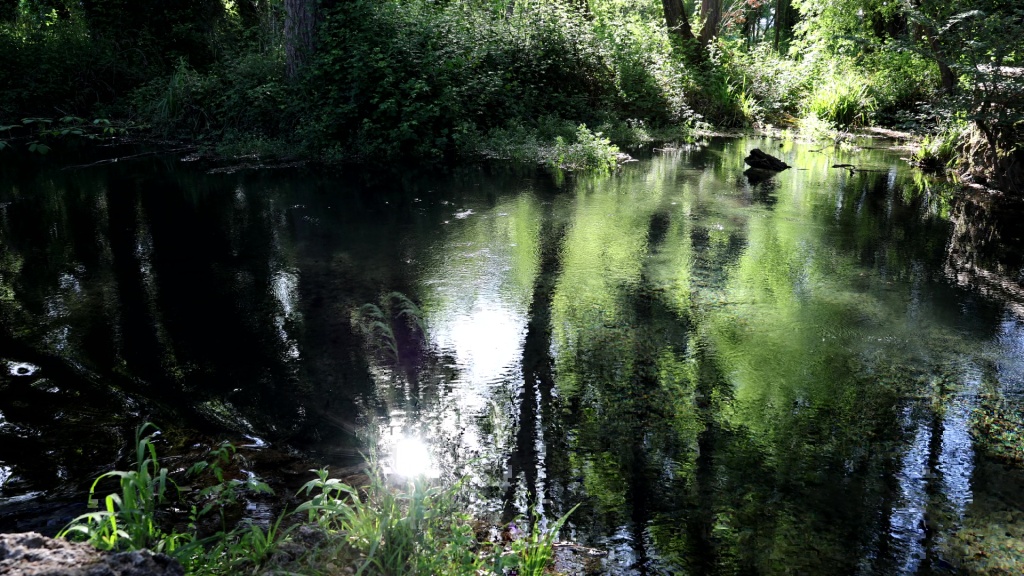
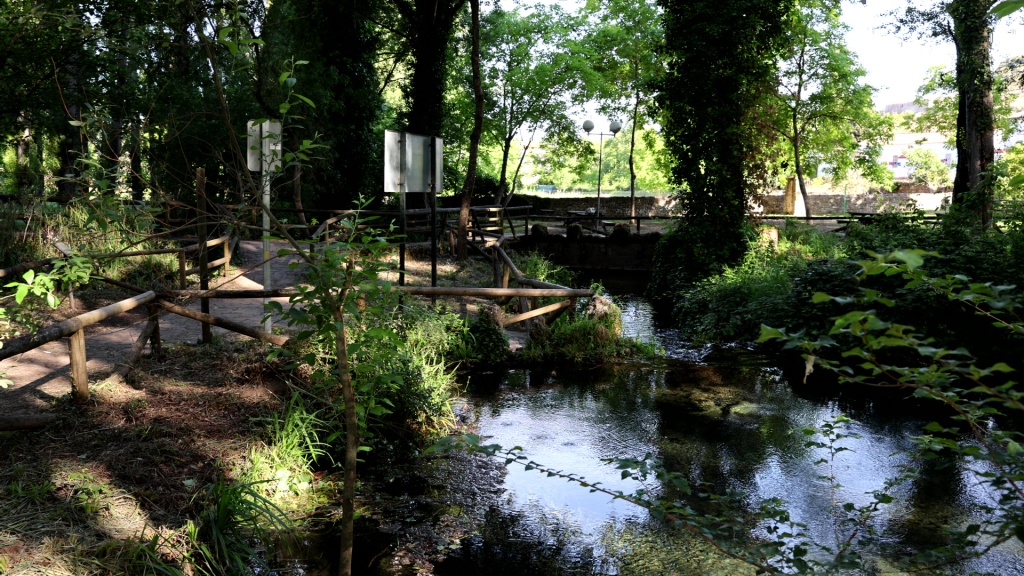
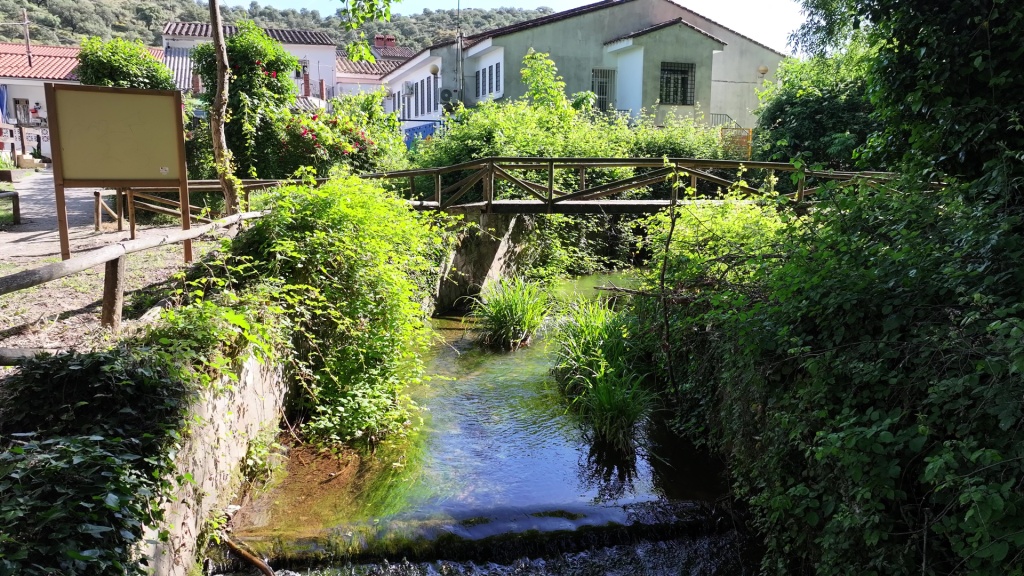
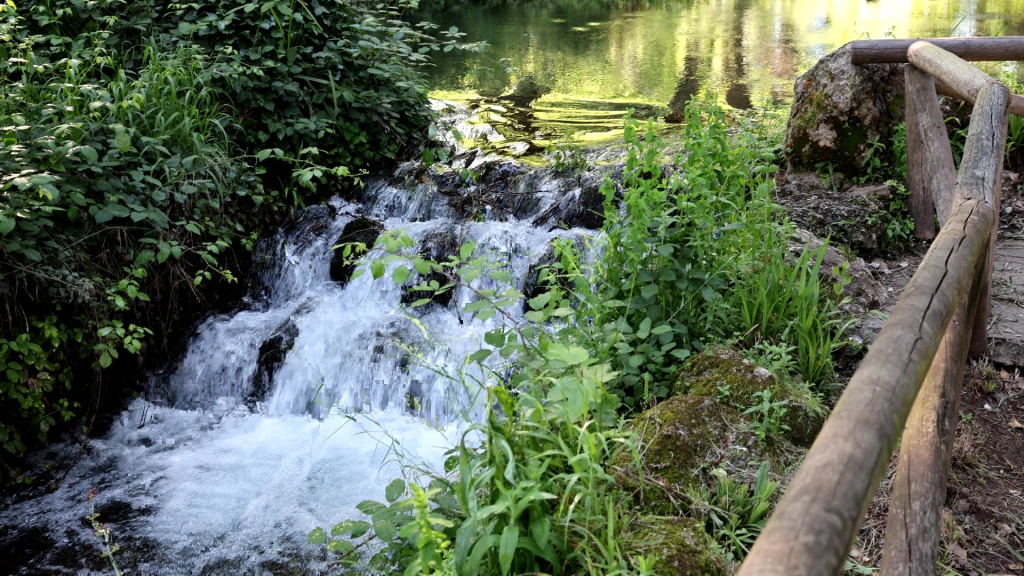
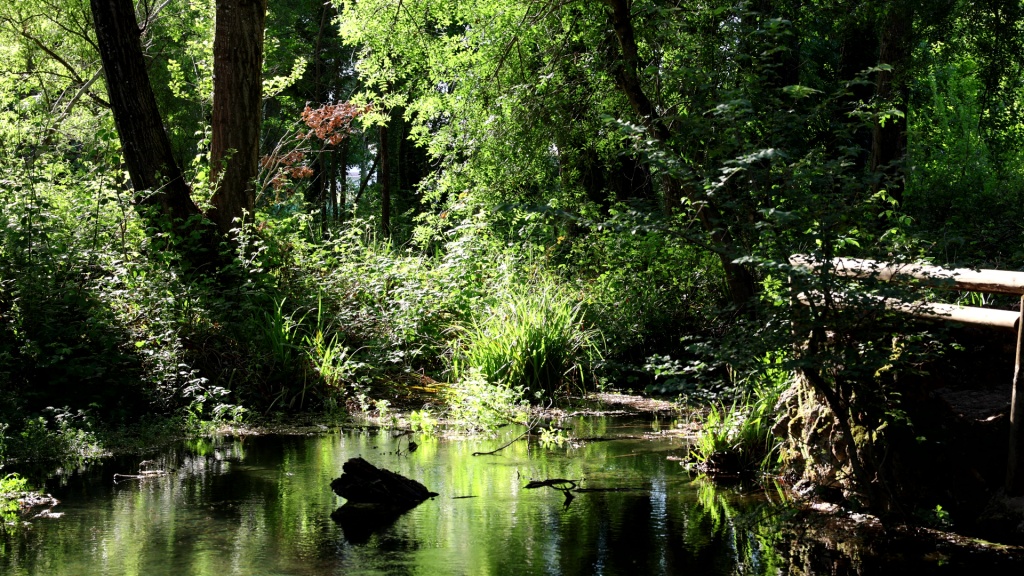
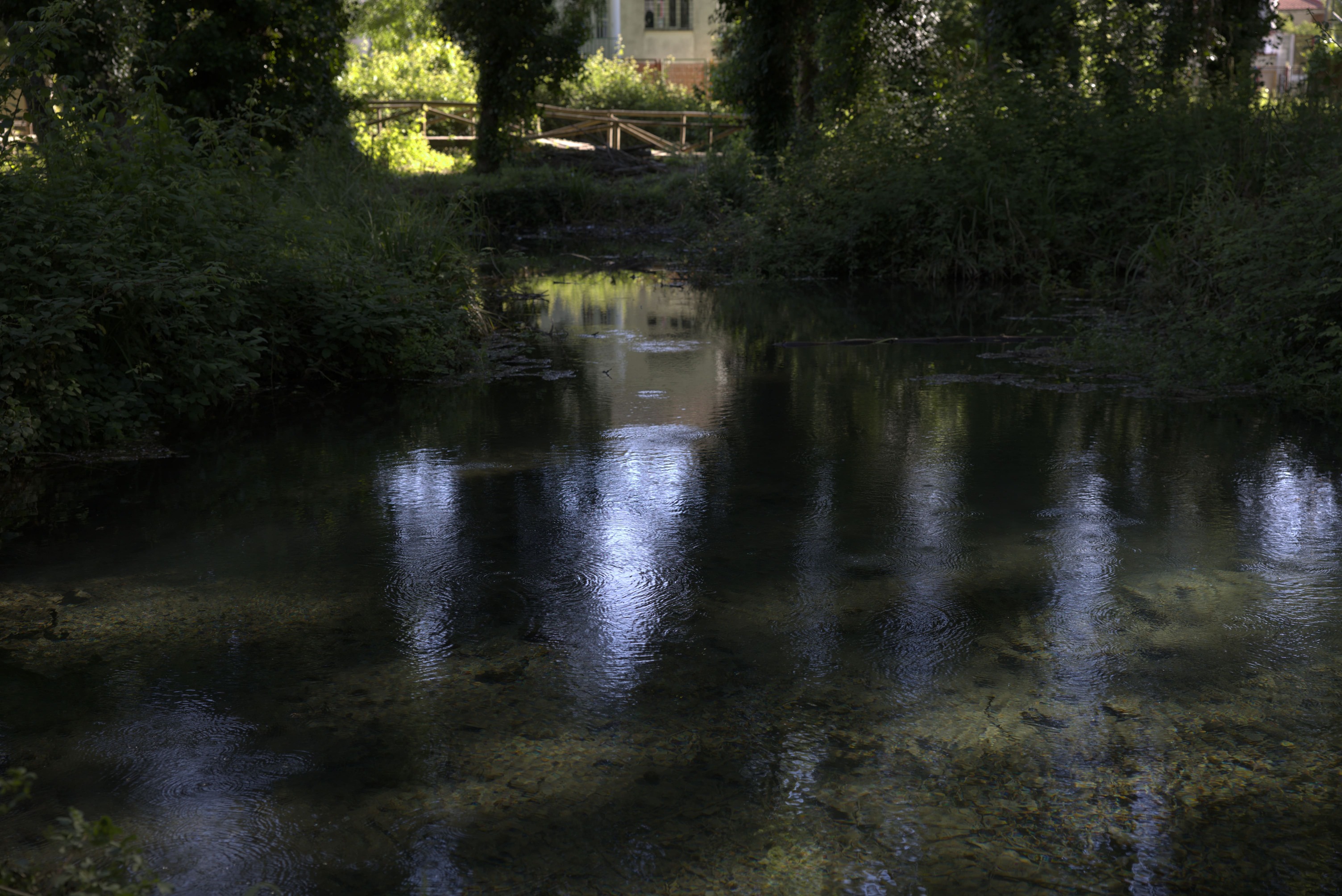
The source of the River Huéznar is one of the most unique natural sites in the Sierra Norte de Sevilla. This spring gives rise to a river of crystal-clear waters that has shaped a landscape of great ecological value, characterised by its riverside forests, travertine formations and waterfalls.
Know more
The source of the River Huéznar is one of the most unique hydrogeological systems in the western Sierra Morena and one of the main natural springs in the province of Seville. Its origin is linked to the Guadalcanal–San Nicolás aquifer, an extensive karst system developed on limestone and marble formed over five hundred million years ago, during the Cambrian period. These rocks contain numerous fractures and cavities that allow rainwater to seep in, storing it for long periods before it re-emerges naturally.
This process makes the source of the Huéznar a karst spring – that is, a point where groundwater re-emerges after travelling through a complex network of galleries and fissures beneath the surface. Although the flow rate may vary depending on rainfall, the large volume of water stored in the aquifer ensures that the spring remains remarkably stable for much of the year, even during dry periods.
The waters of the Huéznar also contain a high concentration of calcium bicarbonate, which is acquired as the water flows through limestone rocks. When the water rises to the surface and comes into contact with the atmosphere, some of the dissolved carbon dioxide is released and the calcium carbonate slowly precipitates, forming deposits known as travertine or calcareous tuff. Mosses, algae and other aquatic organisms aid this process by acting as a substrate to which the carbonate attaches, giving rise to small natural weirs, steps and terraces that are constantly evolving.
These formations make the Huéznar one of the finest examples of active travertine landform development in Andalusia. Unlike other geological landscapes considered to be ‘fossilised’, here the process is still ongoing, so that the river continues to slowly reshape its own course through the formation and erosion of these natural barriers.
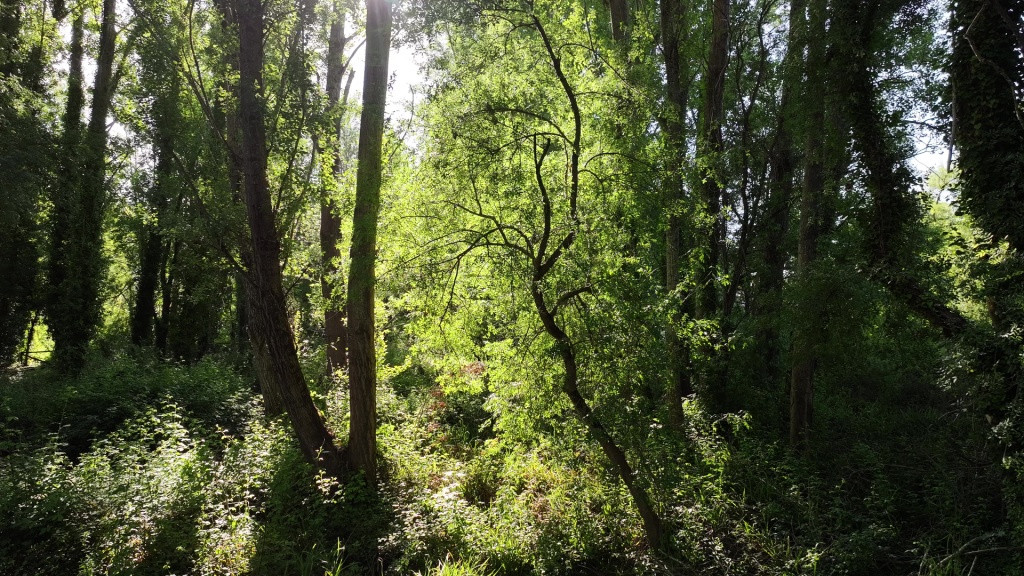
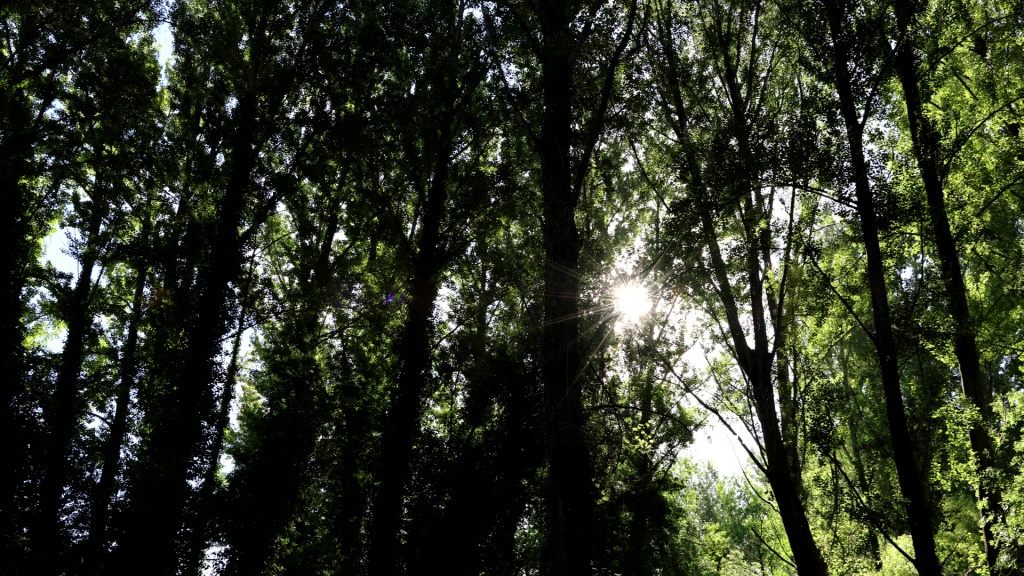
The constant presence of water has also encouraged the formation of an exceptional riparian forest within the Mediterranean context. Alders, ash trees, willows, oleanders and numerous species of ferns find here conditions of humidity that are unusual in the Sierra Morena. This green corridor is home to significant biodiversity, providing a refuge for amphibians, fish, birds and small mammals closely linked to river ecosystems.
Owing to its extraordinary scientific and environmental importance, the source of the Huéznar is listed in the National Catalogue of Hydrological Reserves, a conservation status designed to protect aquatic systems whose functioning remains virtually unaffected by human activity. As a result, this site now serves as a valuable natural laboratory for the study of hydrogeological processes and the evolution of freshwater ecosystems.
Videos
Source of the River Huéznar
Source of the River Huéznar Subtitled
Bibliography
• Ministry for Ecological Transition and the Demographic Challenge (MITECO). Nacimiento del Huéznar Underground Nature Reserve (San Nicolás del Puerto Spring).
• Geological and Mining Institute of Spain (IGME). Plan for the conservation, restoration and enhancement of springs and sites of hydrogeological interest in Andalusia.
• Conoce Tus Fuentes (IGME, Regional Government of Andalusia and University of Granada). Source of the River Huéznar.
• Seville Provincial Council. Water Routes. Source of the Huéznar.