
- Home
- Interest points
- Historical and artistic heritage of Isla Mayor
Info
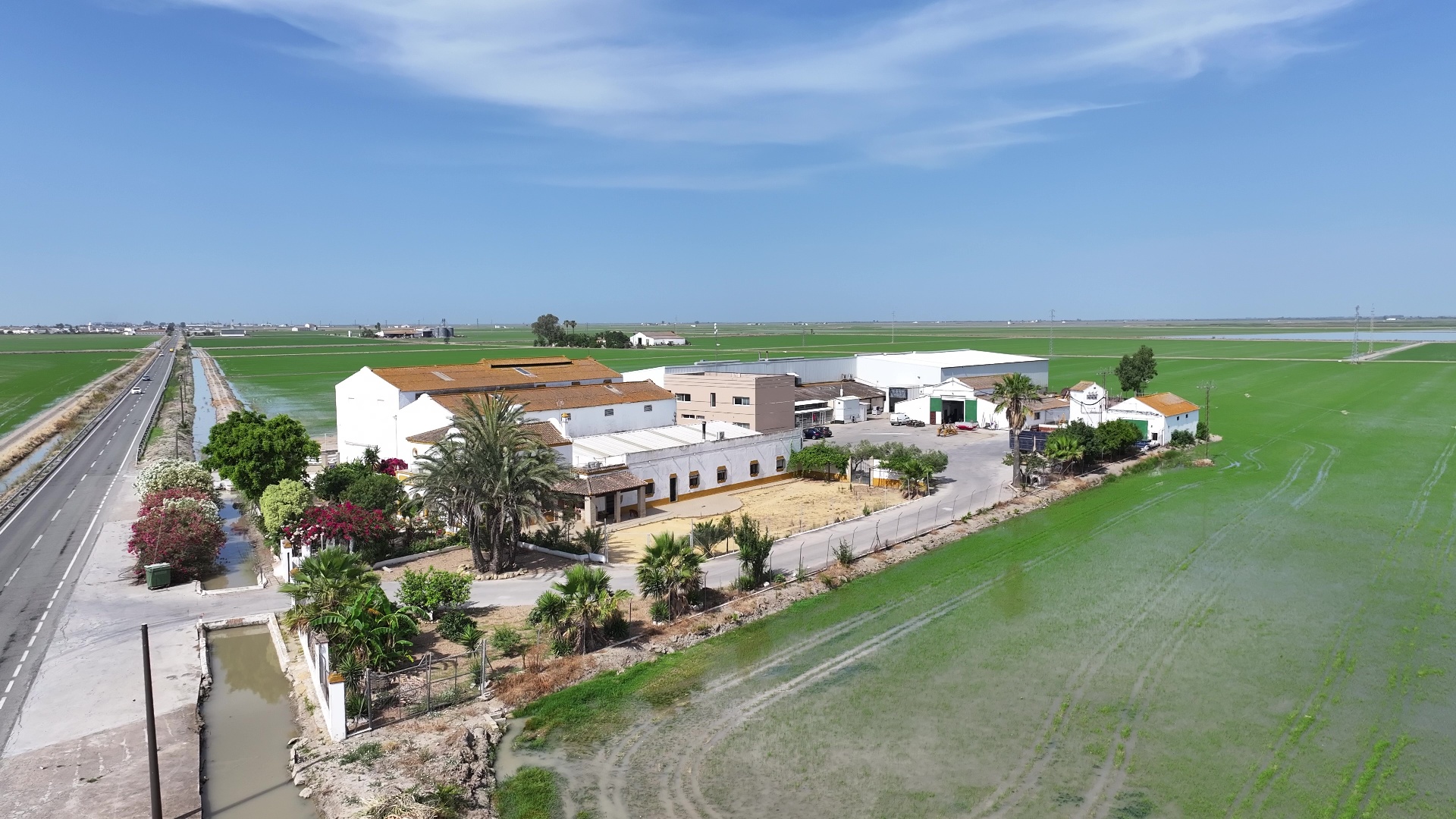
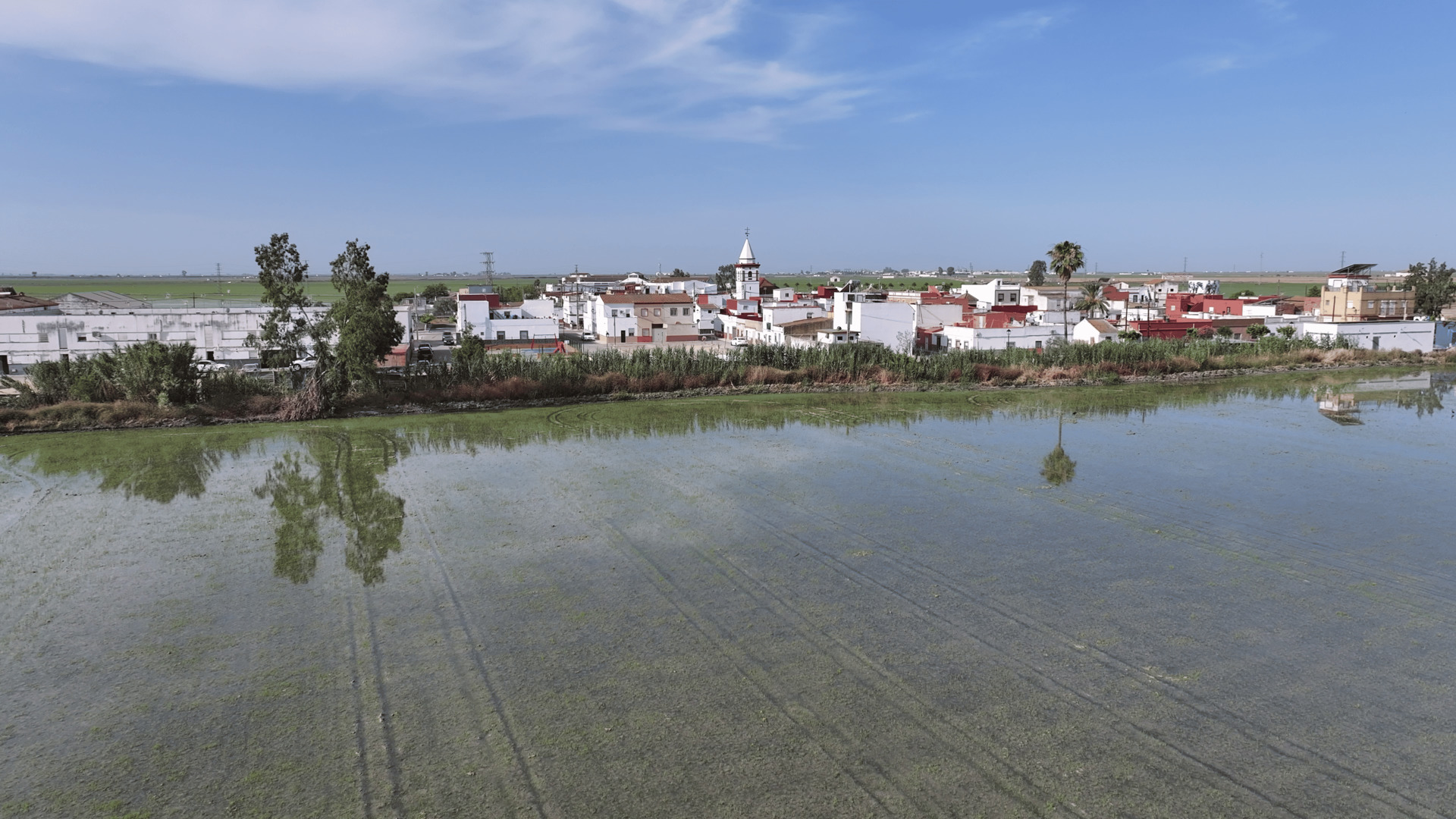
Isla Mayor is a municipality located in the marshes of the Guadalquivir, whose development has been linked to the transformation of this territory and to the cultivation of rice. Its history is relatively recent and constitutes a good example of how human intervention modified one of the most characteristic landscapes of the surroundings of Doñana.
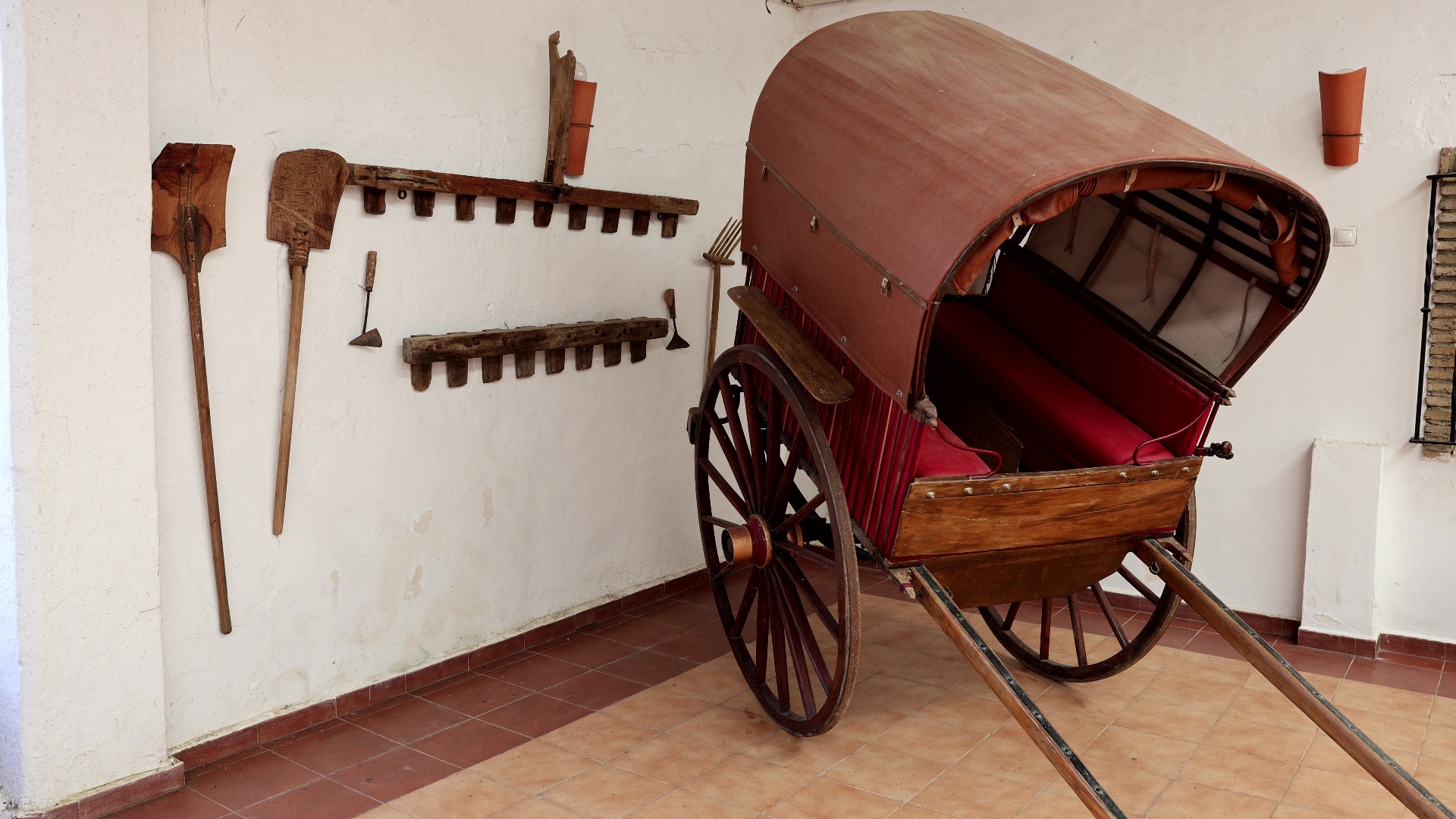
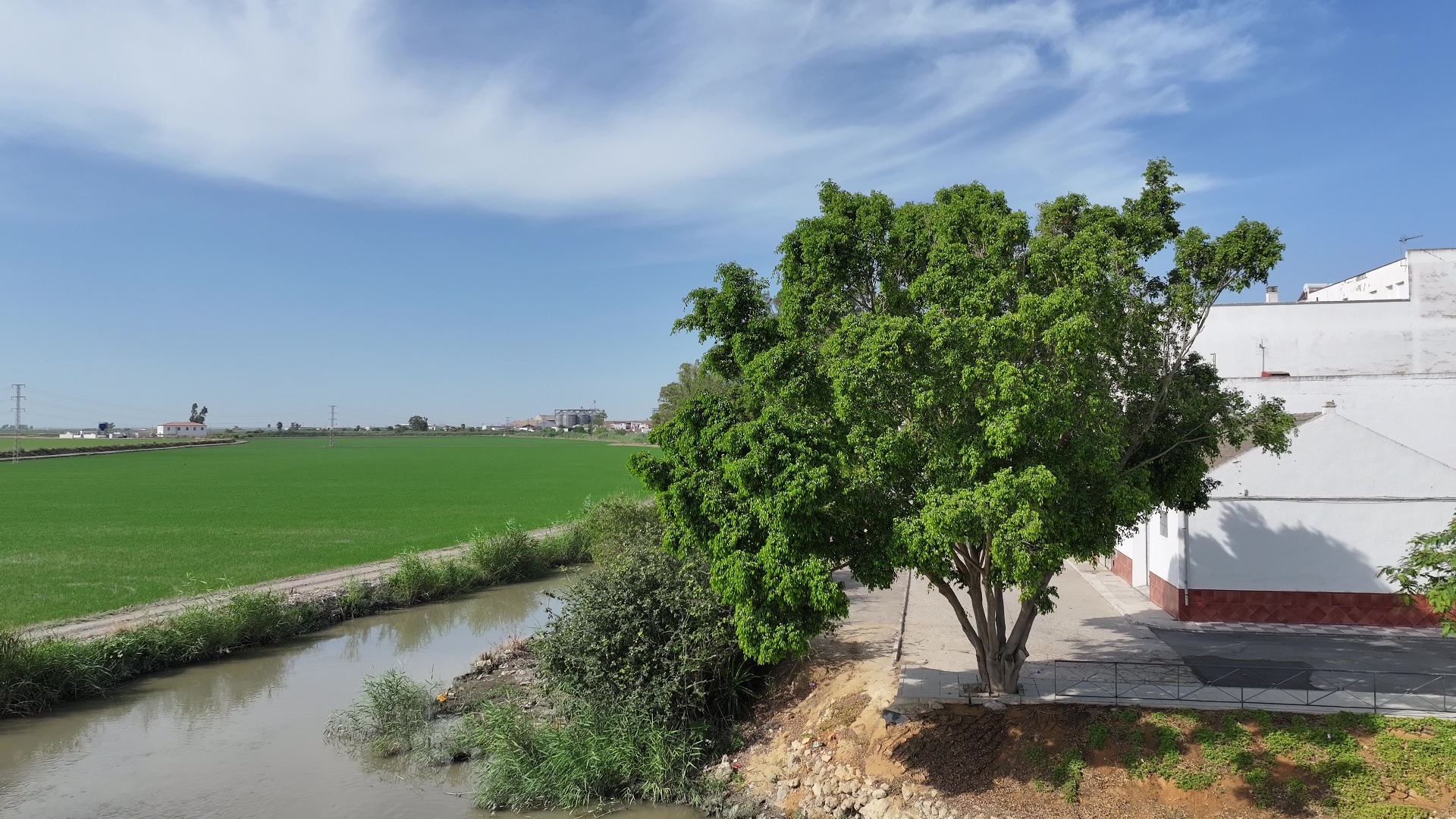
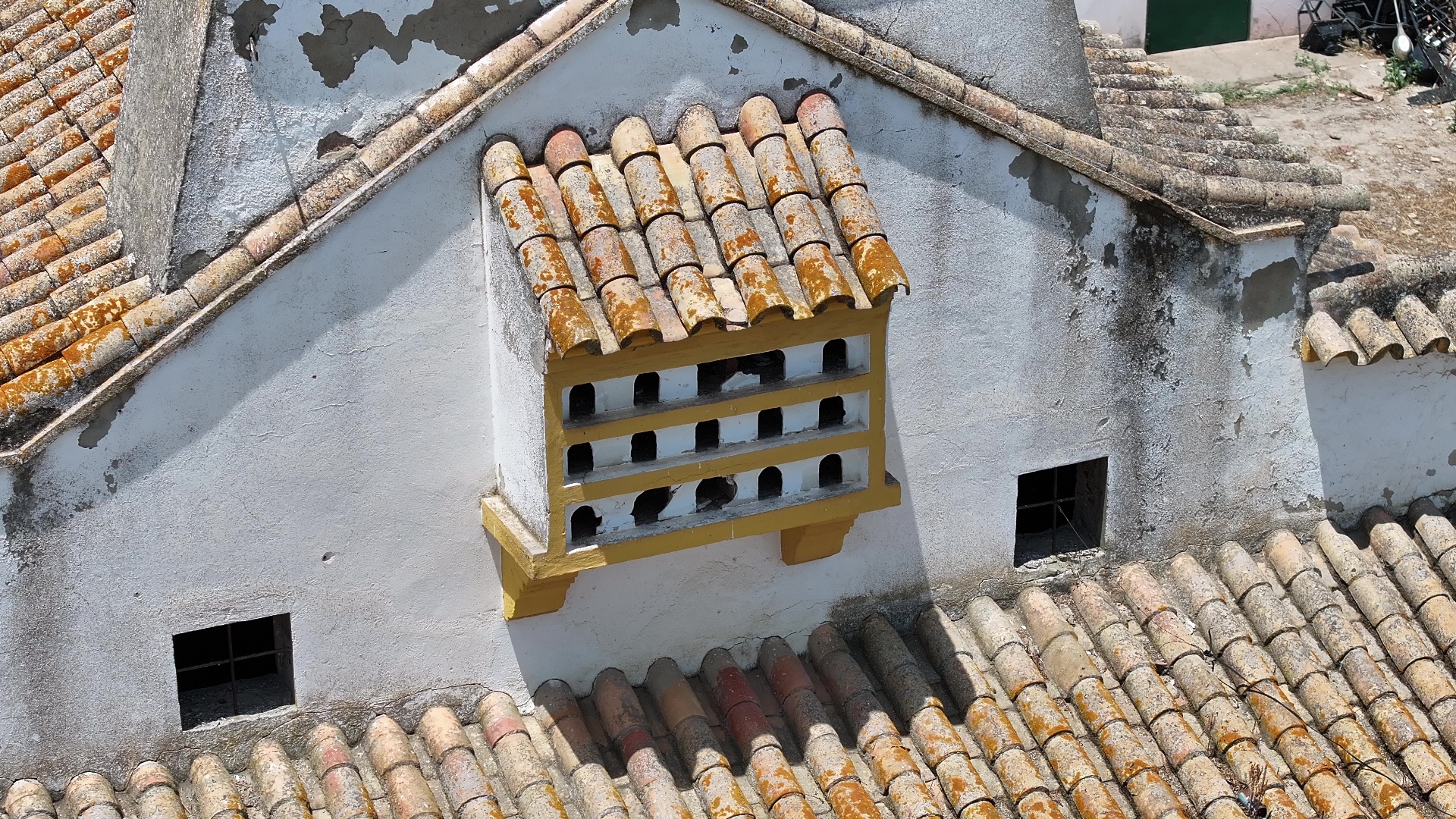
Know more
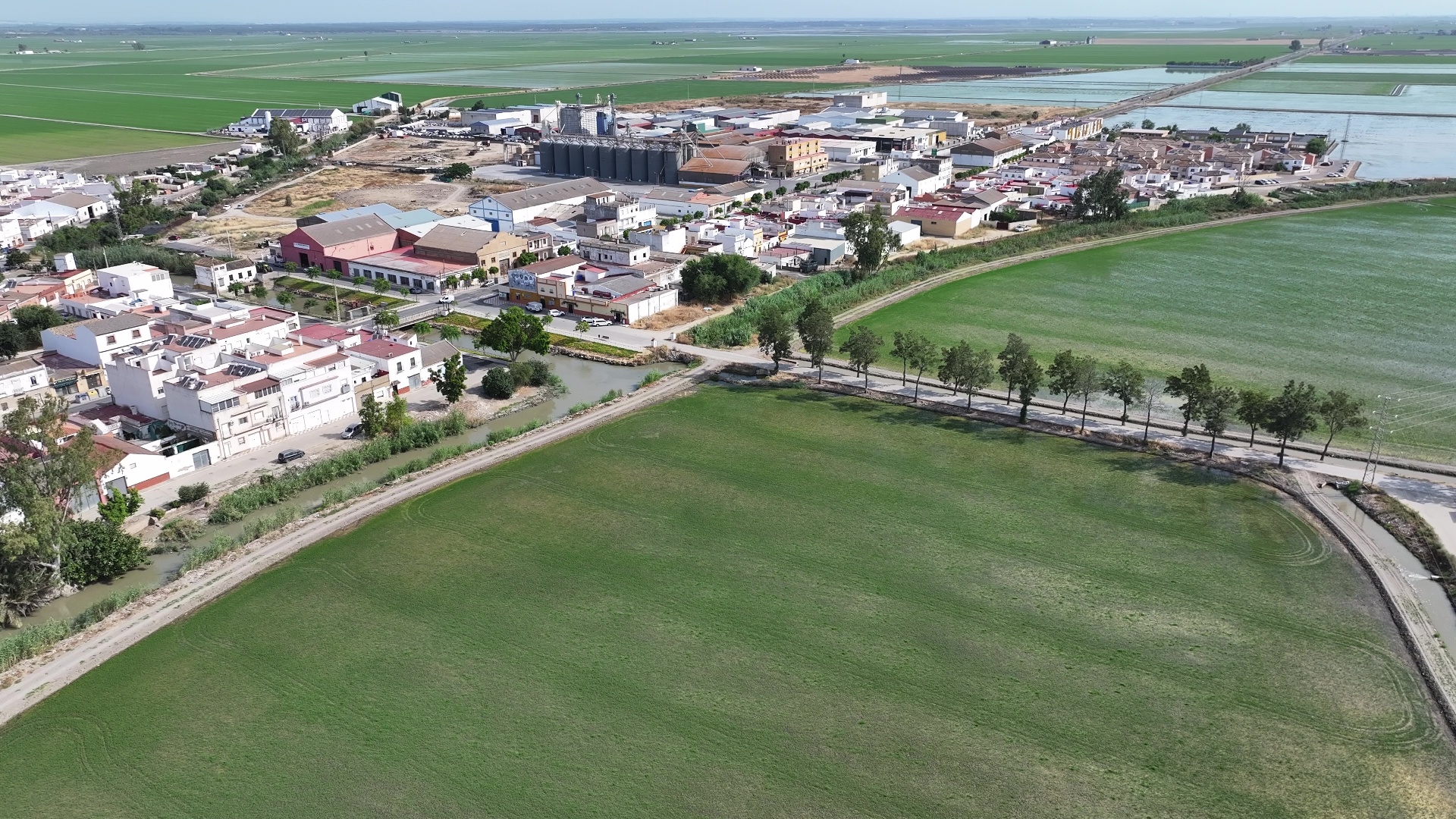
The history of Isla Mayor is very different from that of most Andalusian towns. While many municipalities have a medieval or even Roman origin, Isla Mayor was born from the transformation of the marshes of the Guadalquivir during the 20th century. Until then, this territory remained flooded for much of the year and was used mainly for extensive livestock farming, fishing, hunting and the use of natural resources.
The first projects to transform the marshes began at the end of the 19th century, although it would be during the first decades of the 20th century that the great hydraulic works were undertaken. The construction of dikes, embankments, irrigation and drainage canals, pumping stations and roads made it possible to control the water and convert thousands of hectares of marshland into agricultural land.
One of the main driving forces behind this process was the company Islas del Guadalquivir S.A., created in the 1920s, which promoted the agricultural colonisation of the area. Shortly afterwards, Valencian farmers specialised in rice cultivation arrived, contributing technical knowledge that would prove decisive for the success of this crop. Many families settled permanently, giving rise to a population formed by people from different parts of Spain.
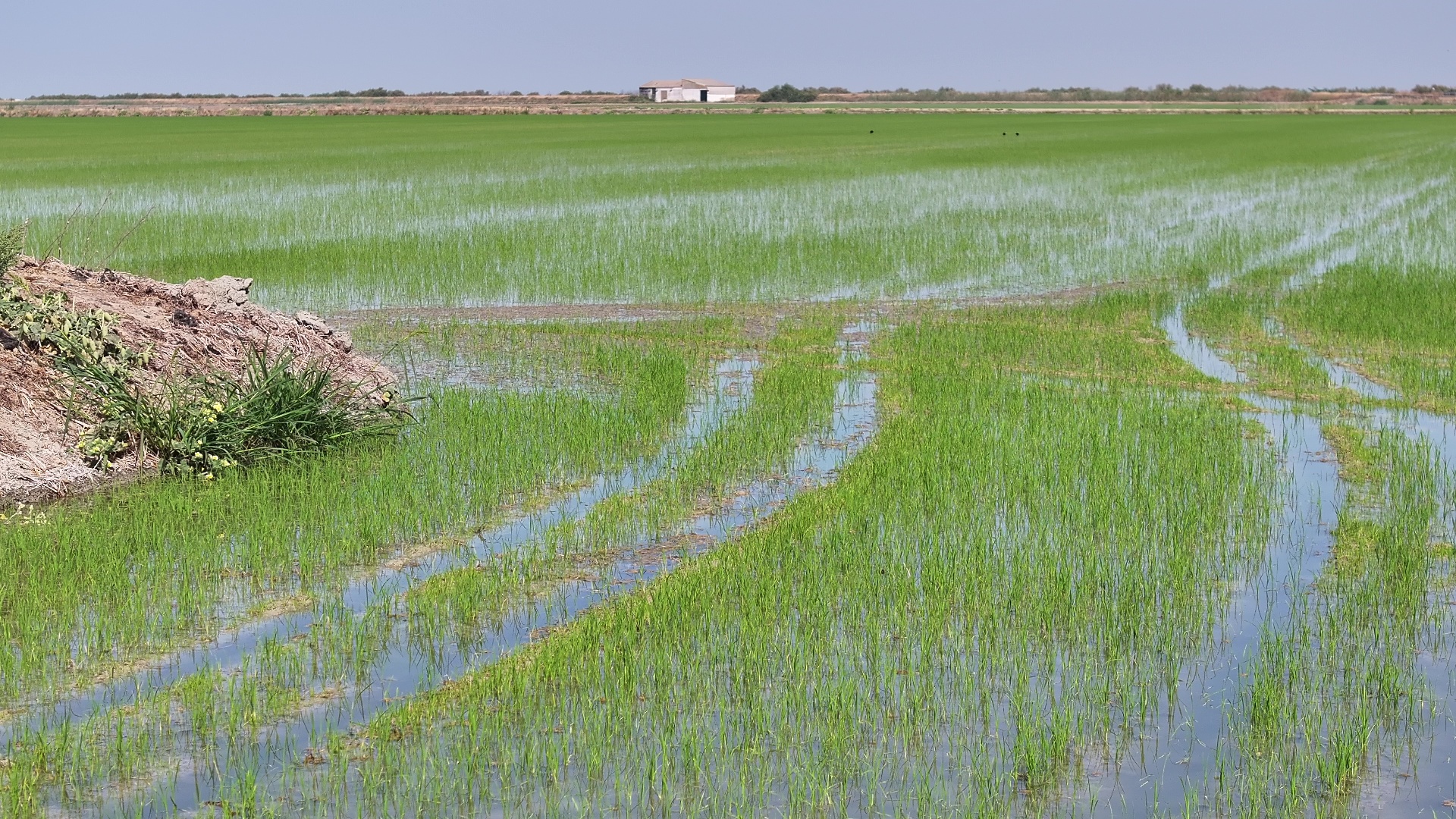
Rice found exceptional conditions in these marshes. The abundance of water, the slight slope of the terrain and the clayey nature of the soils favoured the development of a crop that, over the decades, would eventually turn this district into the main rice-growing area of Spain. At present, the marshes of the Guadalquivir produce a very important part of the national rice crop and represent one of the largest rice-growing surfaces in Europe.
The transformation of the territory profoundly modified the landscape, but it also generated a new ecological balance. During the winter, many plots remain flooded after the harvest and offer food and refuge to thousands of aquatic birds, partially reproducing the natural conditions of the ancient marshes. This circumstance explains the close relationship that exists today between agriculture and the conservation of biodiversity in the surroundings of Doñana.
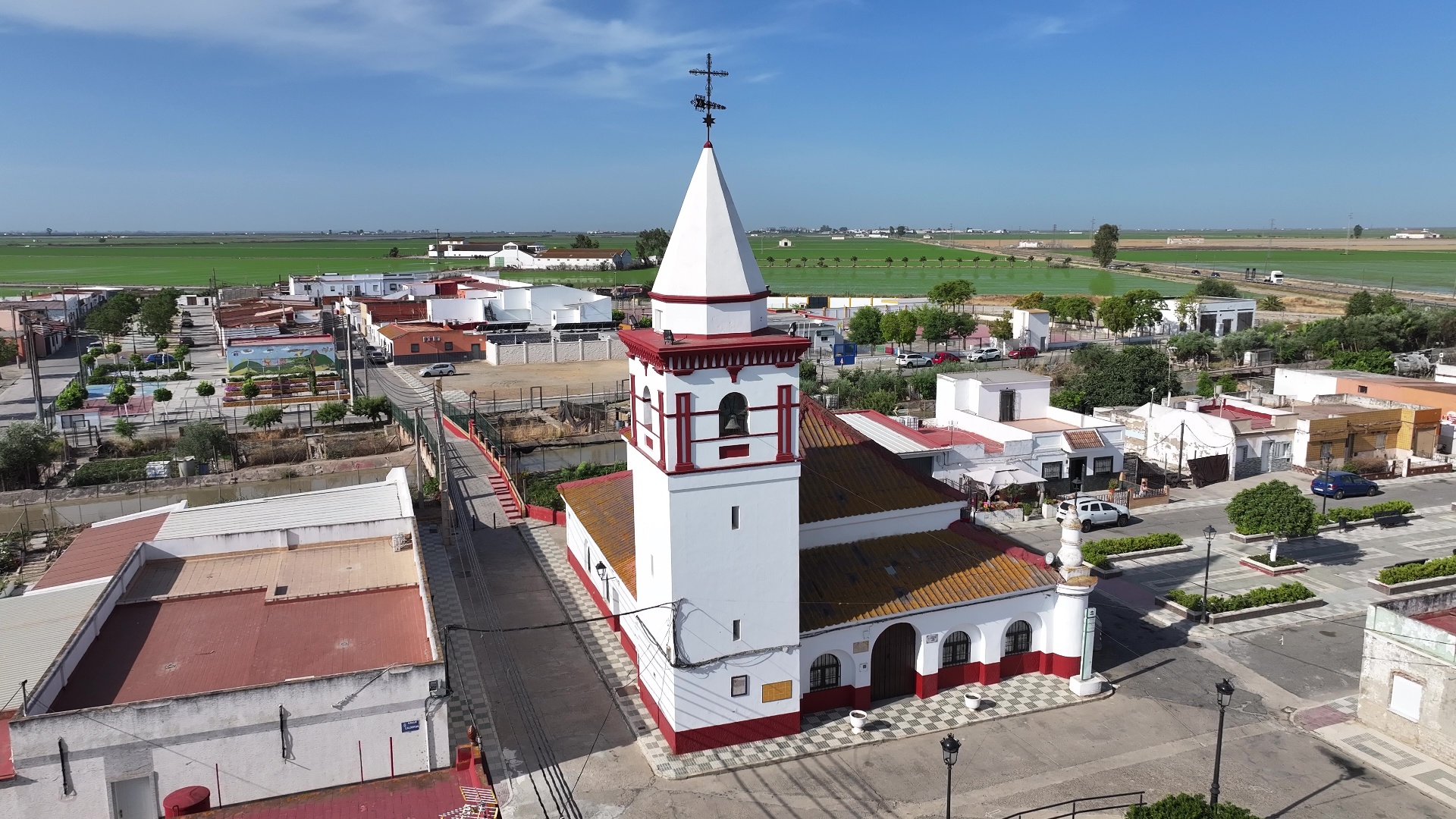
Administratively, Isla Mayor belonged for decades to the municipality of La Puebla del Río. It was not until 1994 that it obtained its municipal independence, also incorporating the settlement of Poblado Alfonso XIII, originally built to house the workers of the agricultural estates. This growth reflects an unusual reality in Andalusia: a municipality whose history can be followed practically from its origins to the present day.
Today, Isla Mayor maintains an identity deeply linked to rice and to the marshes. Its landscape, its ways of life and a large part of its traditions are the result of a century of coexistence between hydraulic engineering, agricultural work and one of the most important natural spaces in Europe.
Videos
Isla Mayor
Isla Mayor Subtitled