
- Home
- Interest points
- La Puebla del Río Virtual Viewpoint
Info
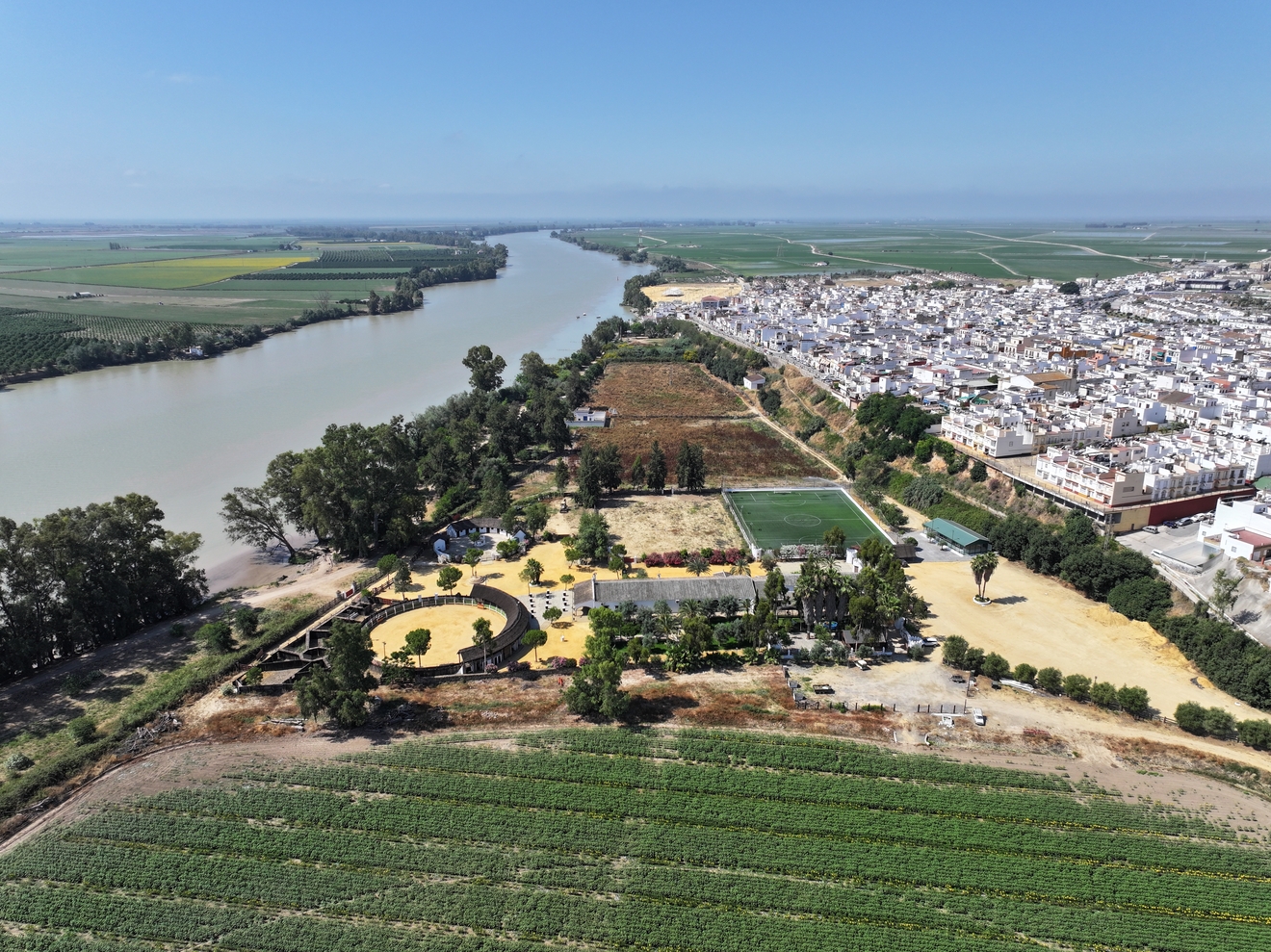
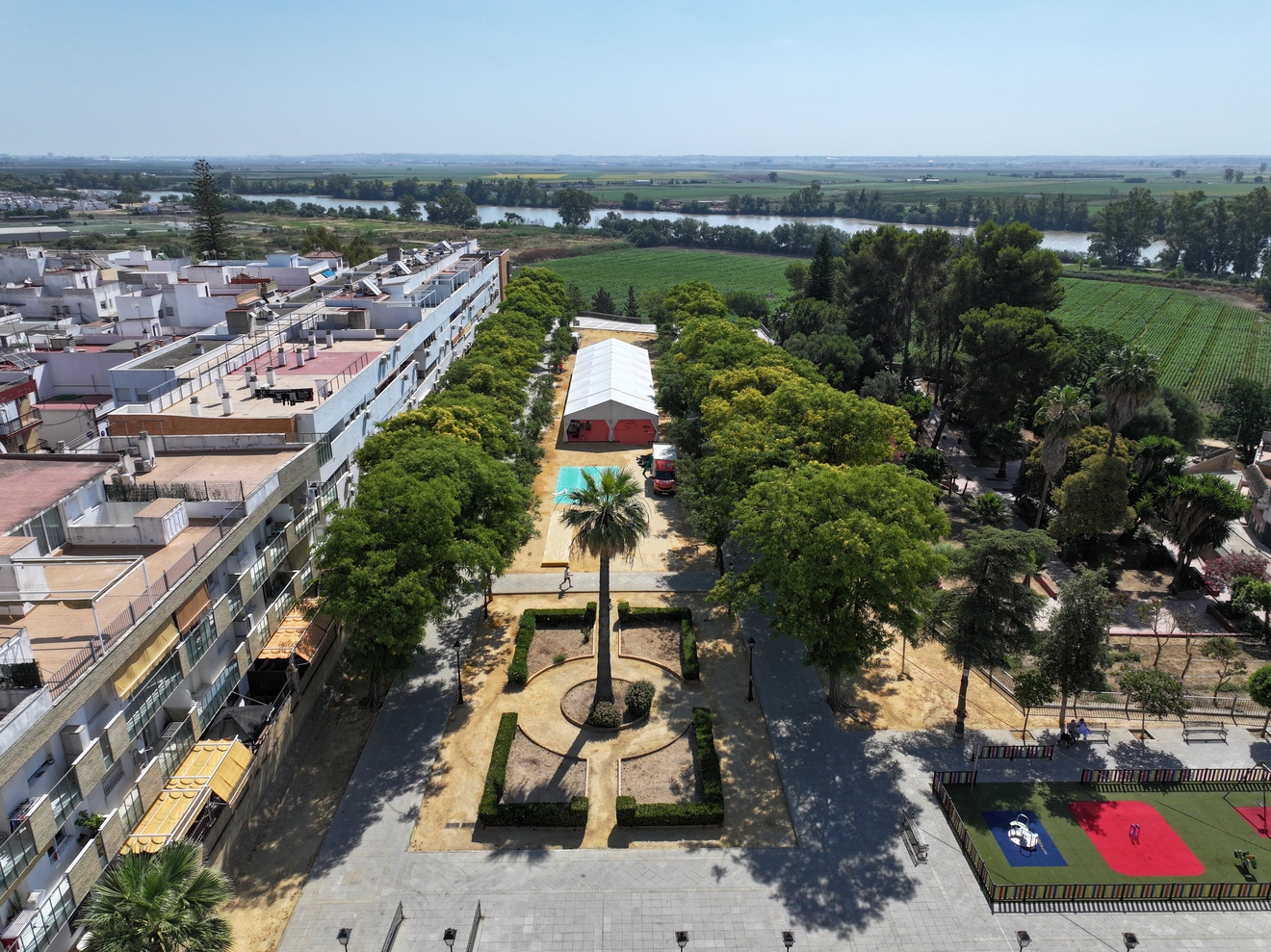
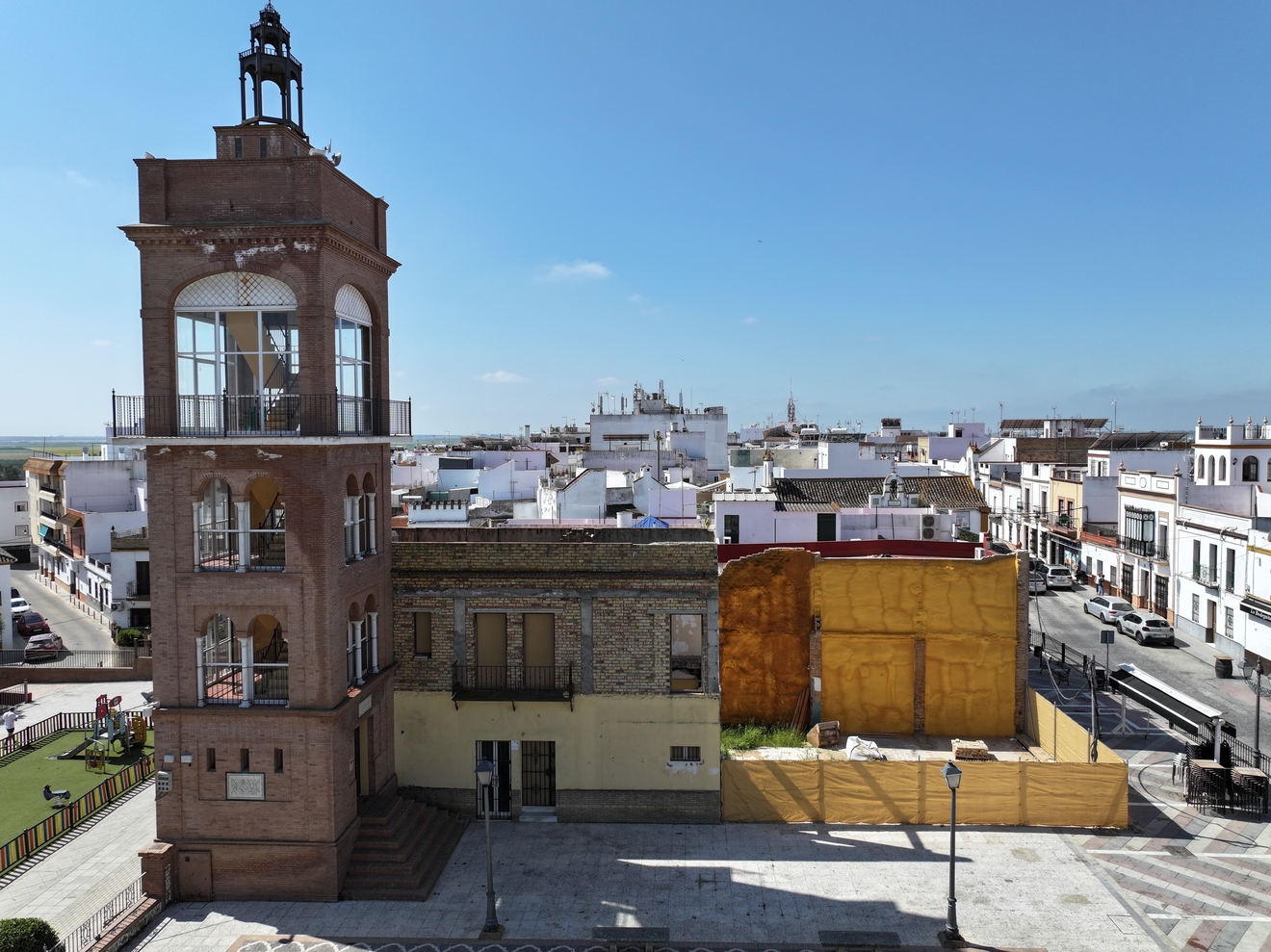
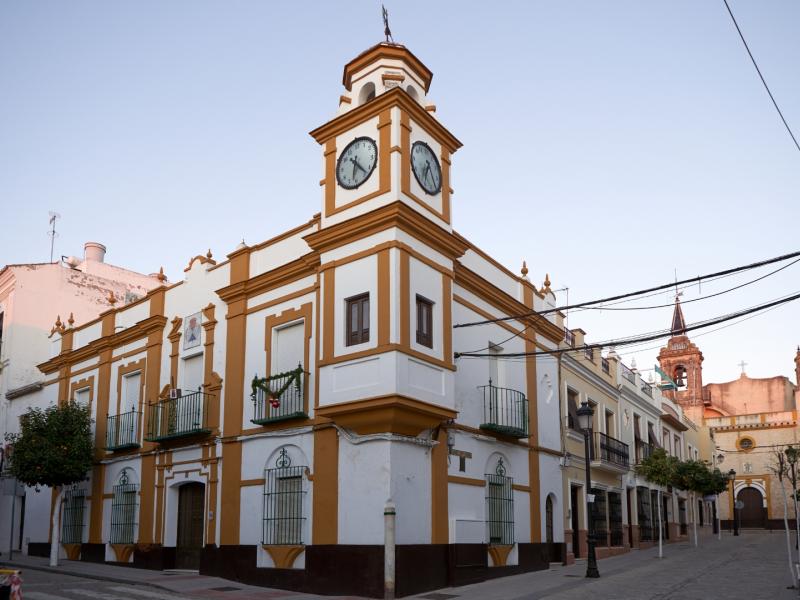
Located in the heart of the Lower Guadalquivir, La Puebla del Río is a municipality where history, culture and nature have evolved in an inseparable way. Its close connection with the river and the marshes has given rise to its own identity, reflected in its heritage, its traditions and its way of understanding the territory.
Know more
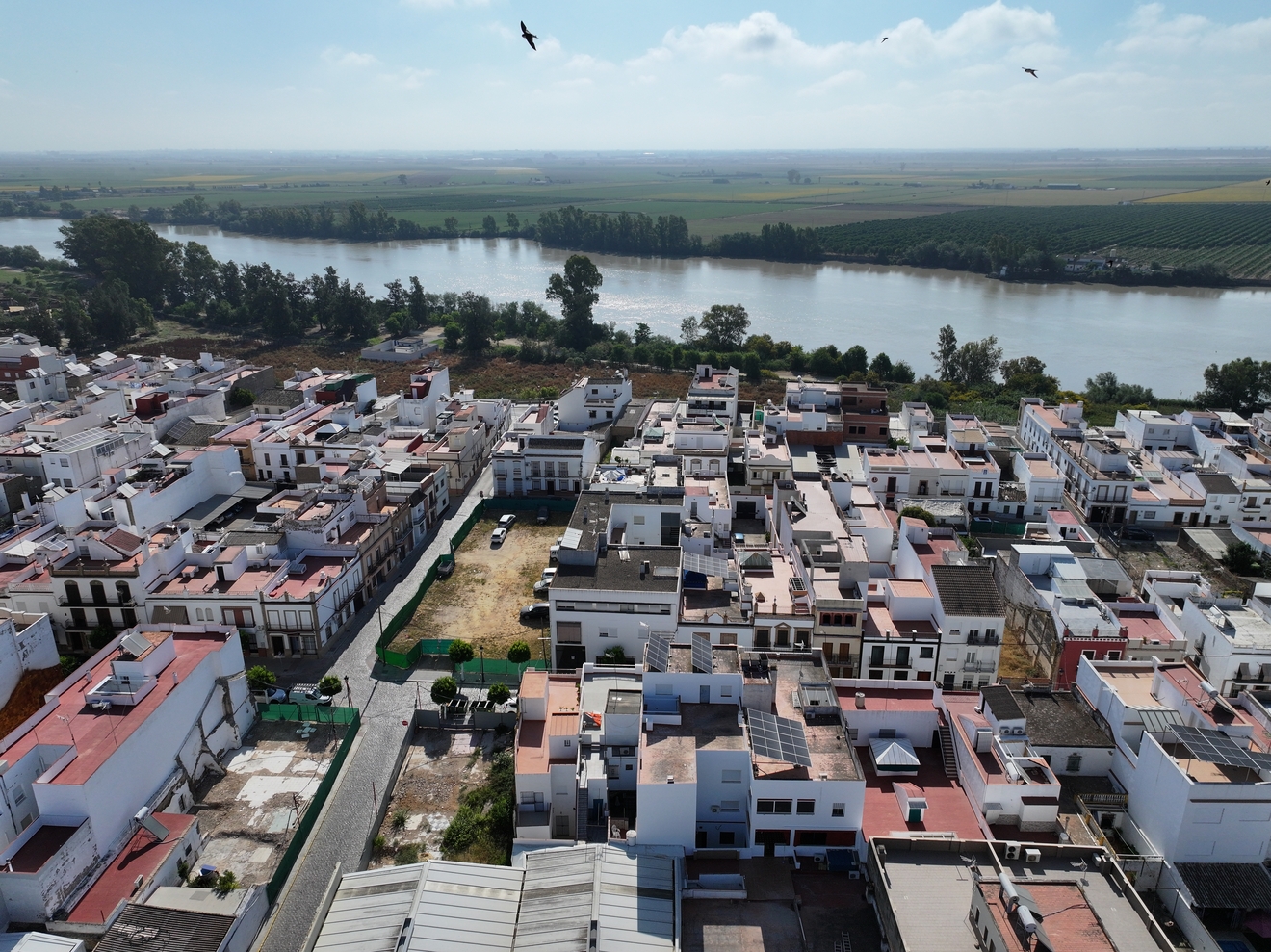
La Puebla del Río occupies a strategic territory in the final stretch of the Guadalquivir, one of the most dynamic spaces of the south of the peninsula since Antiquity. The proximity of the river, the fertile alluvial lands and the closeness to Seville favoured, from a very early period, the establishment of communities dedicated to agriculture, fishing and the use of the resources of the marshes. Although the current settlement is of medieval origin, the territory preserves evidence of occupation from the Protohistoric and Roman periods, integrated into a district where the Guadalquivir constituted the main communication route between the interior of Hispania and the Atlantic.
After the Castilian conquest of the 13th century, the municipality began to consolidate itself as a small agricultural settlement linked to the Kingdom of Seville. For centuries its development was conditioned by the behaviour of the river and by the exploitation of a changing territory, where floods, marshes and floodable areas forced crops and ways of life to be continually adapted.
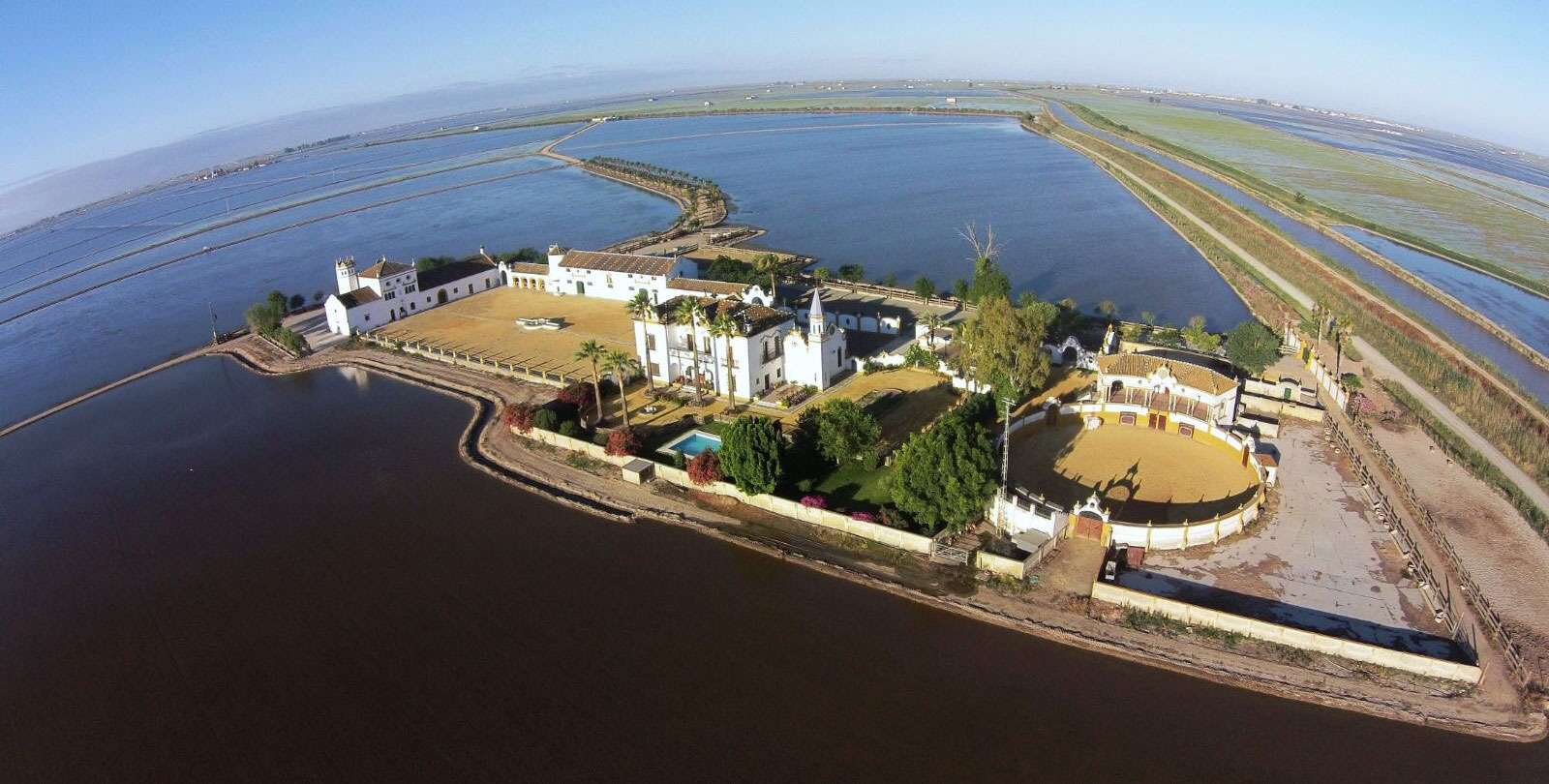
One of the processes that most transformed La Puebla del Río was the progressive drainage and organisation of the marshes between the end of the 19th century and, above all, during the 20th century. The construction of canals, embankments and hydraulic regulation systems made it possible to turn thousands of hectares into farmland. This process gave rise to the development of one of the largest rice-growing areas in Europe, an activity that continues to be one of the economic pillars of the municipality and that has shaped a large part of the current landscape.
But the identity of La Puebla del Río cannot be understood solely from agriculture. The Guadalquivir River has been for centuries a transport route, a space of commercial exchange and an essential resource for traditional fishing. At the same time, the marshes have provided pastures, hunting, salt pans, forest uses and numerous natural resources that marked the local economy for generations.
Its privileged position, next to one of the natural accesses to Doñana, has also turned the municipality into a meeting place between different landscapes and ways of life. Here converge the riverside culture of the Guadalquivir, the agricultural world of the marshes, the livestock tradition and an intense cultural activity that has given rise to numerous relevant figures in fields as diverse as music, bullfighting, the horse or Andalusian thought.
Today, La Puebla del Río represents one of the best examples of the close relationship between human beings and the great Andalusian river. Its evolution demonstrates how the use of the territory has been capable of generating a unique cultural landscape, where nature, history and human activity continue to form an inseparable reality.