
- Home
- Interest points
- Villamanrique de la Condesa Natural Heritage
Info
Villamanrique de la Condesa occupies a transitional space between the Aljarafe, the Sevillian countryside and the natural surroundings of Doñana. The close relationship between nature and human activity has shaped a landscape that still preserves a large part of its ecological and cultural values.
Know more
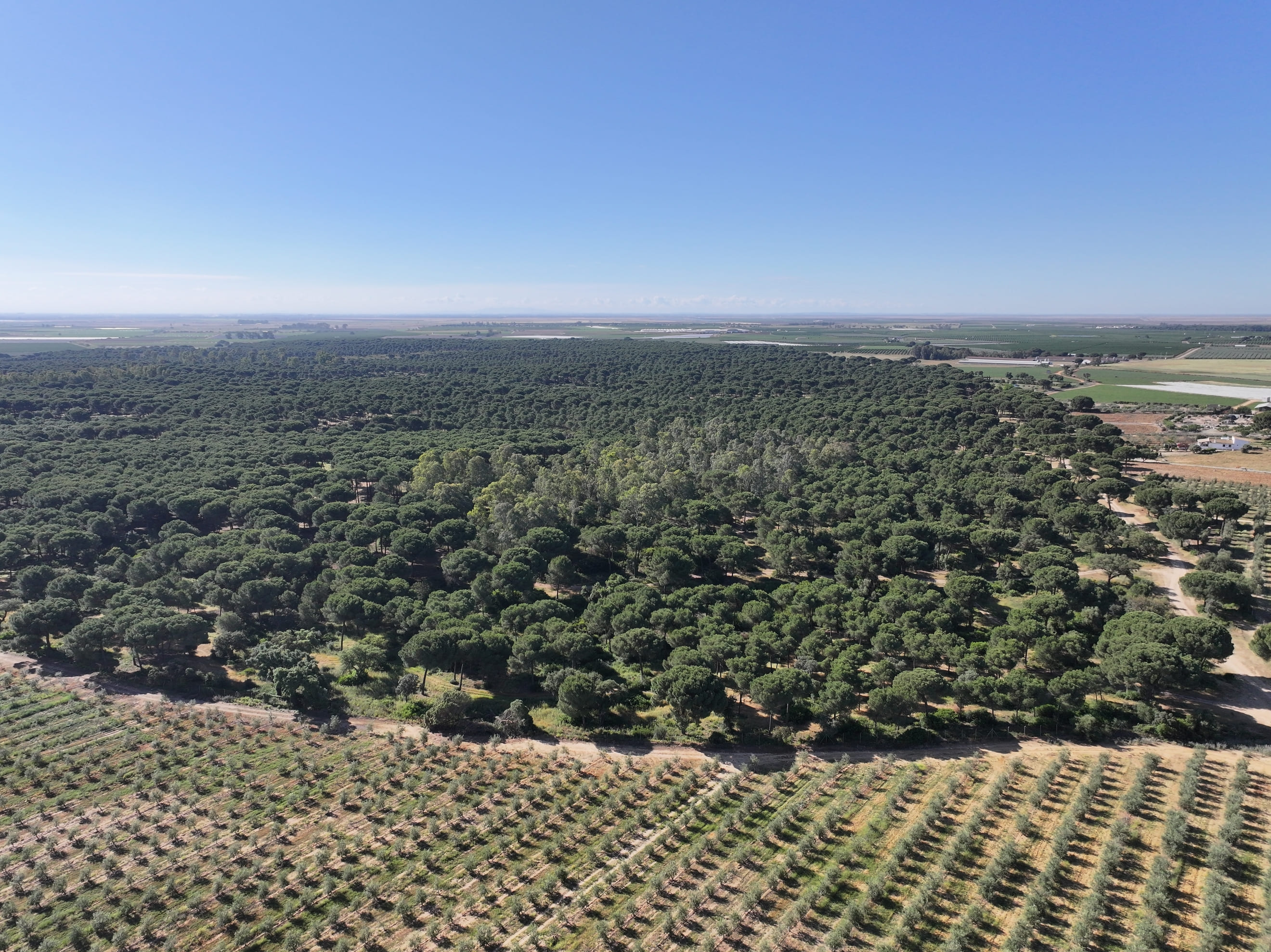
The natural richness of Villamanrique de la Condesa is explained by its geographical location. The municipality occupies a transitional space between the countryside of the Guadalquivir and the great ecological system of Doñana, where different natural environments converge, favouring a high diversity of animal and plant species. This variety of landscapes turns the municipal area into an important connection zone between the ecosystems of inland Andalusia and the Atlantic marshes.
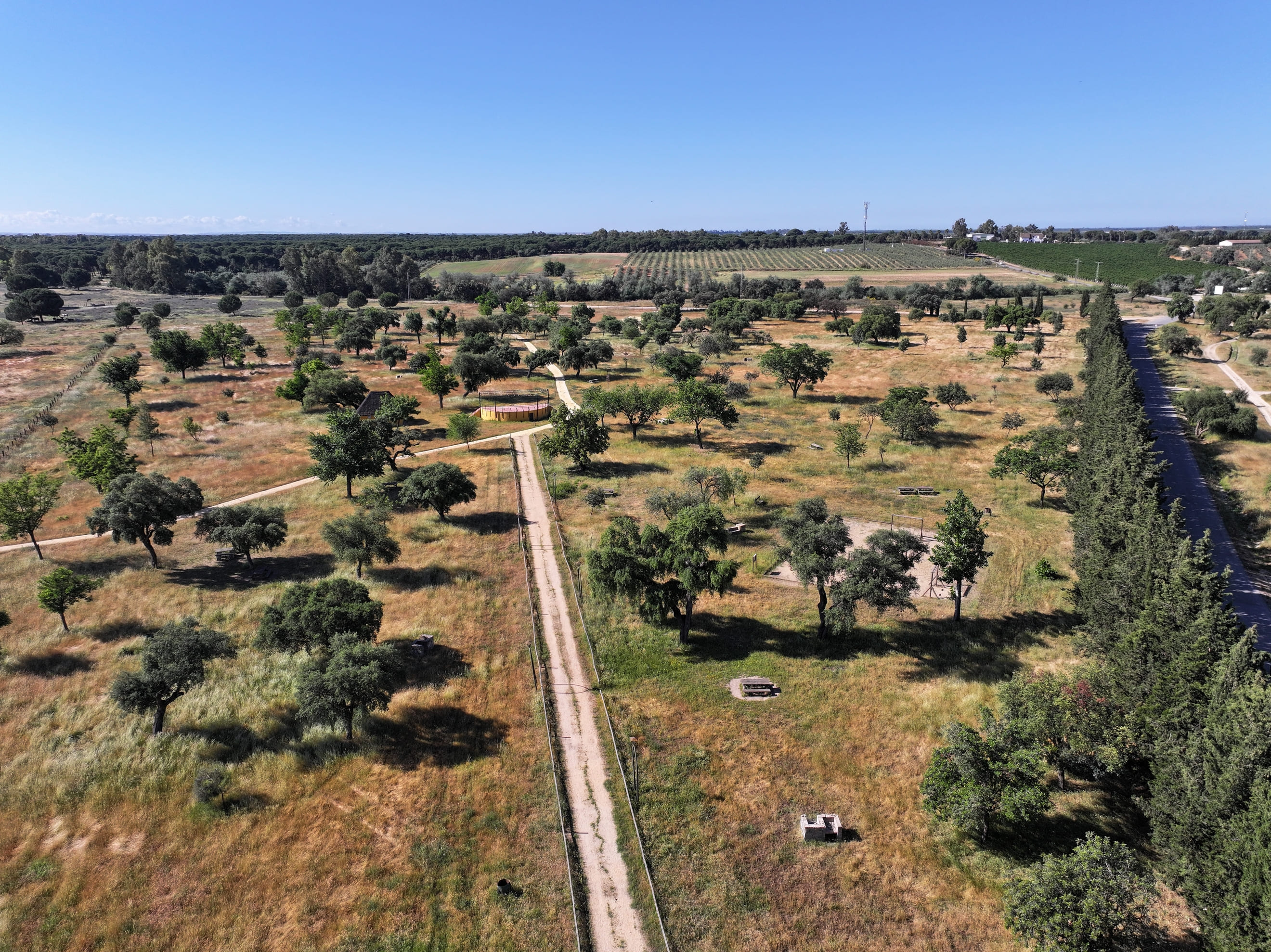
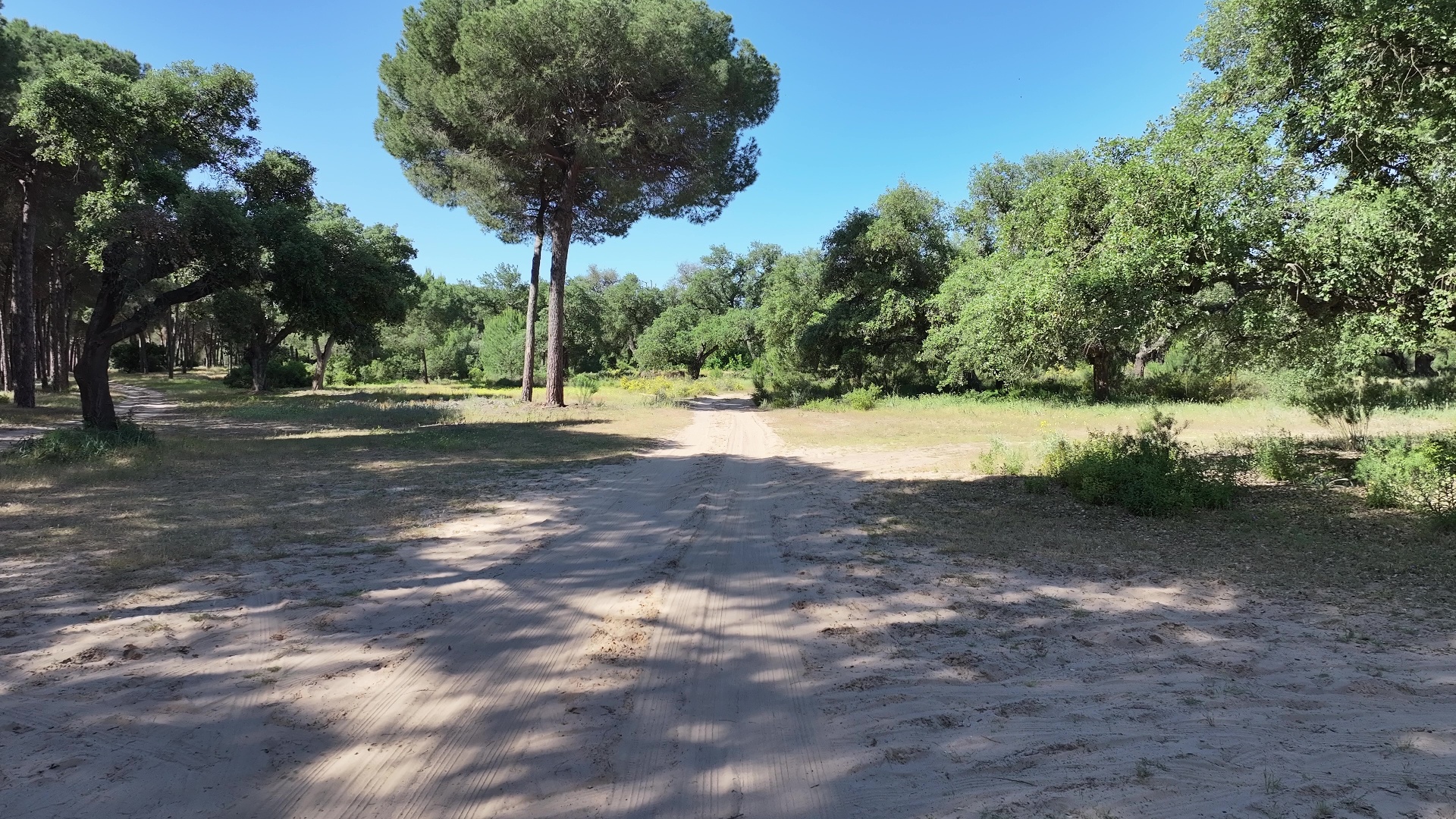
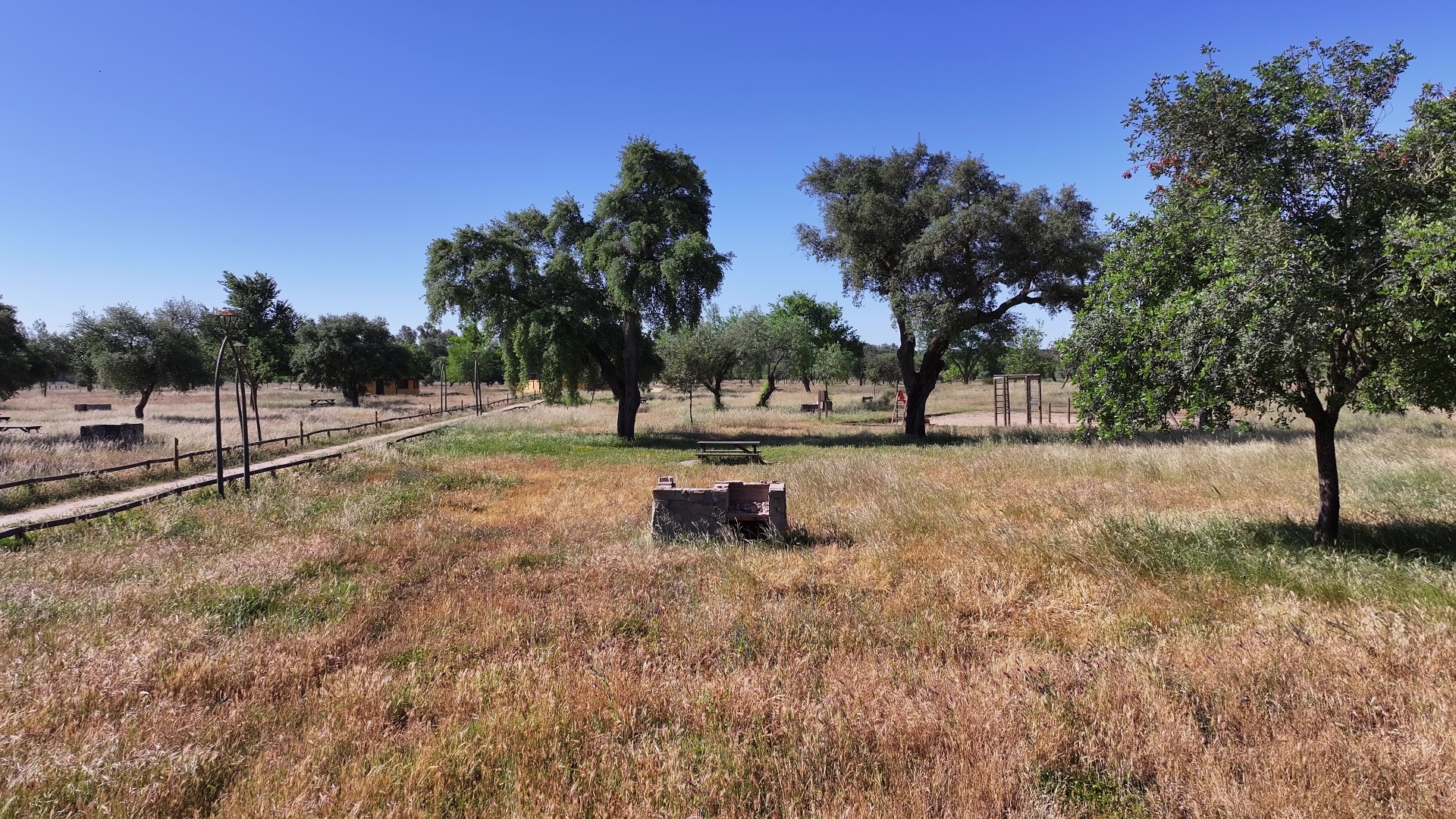
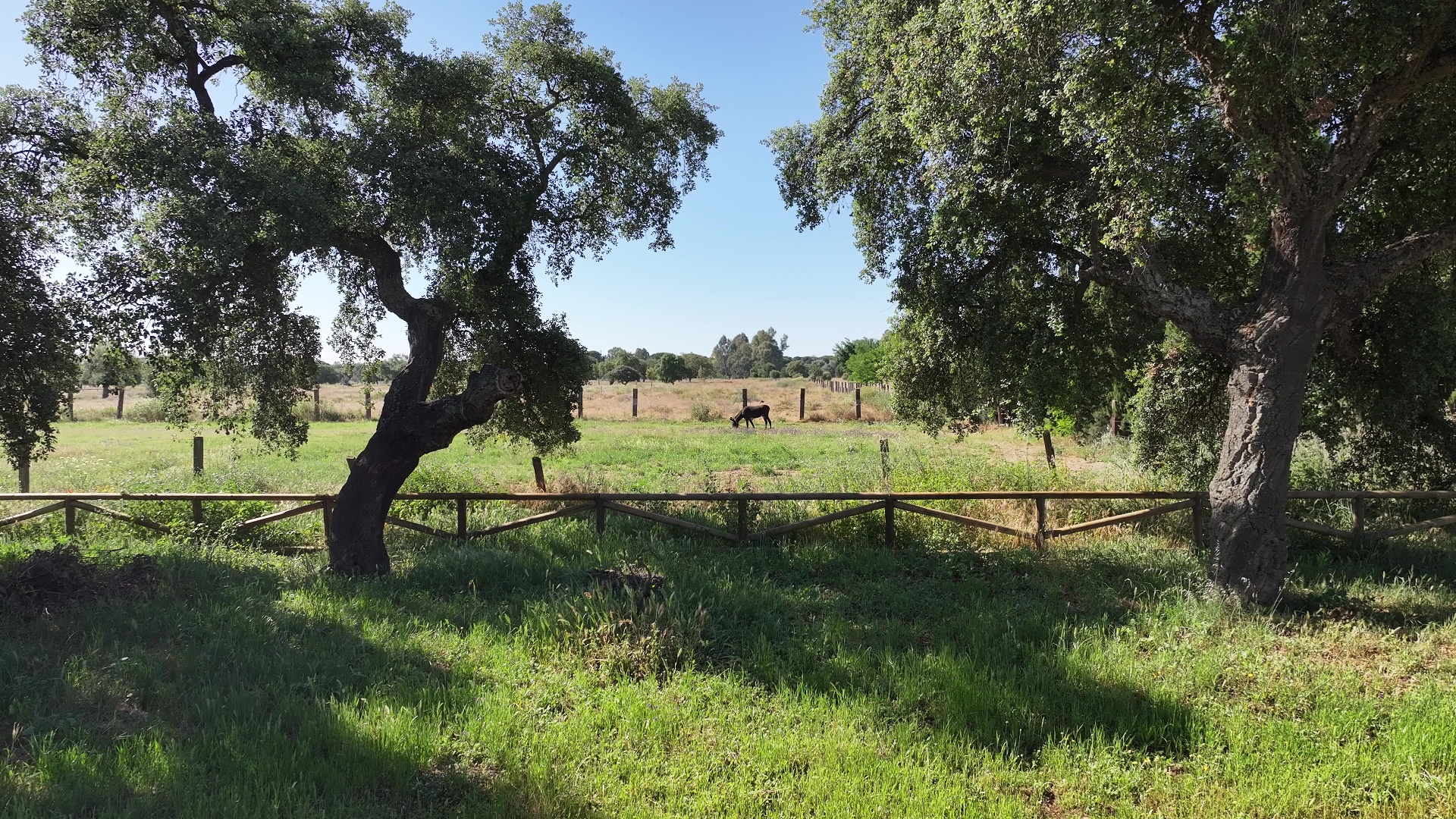
One of the most representative elements is the dehesa, a landscape created over centuries through the sustainable use of the Mediterranean forest. Far from being a completely natural environment, the dehesa is the result of a close relationship between human beings and the environment, where holm oaks and cork oaks coexist with pastures used for extensive livestock farming. This traditional model favours high biodiversity and constitutes one of the most valuable agroforestry systems in Europe.
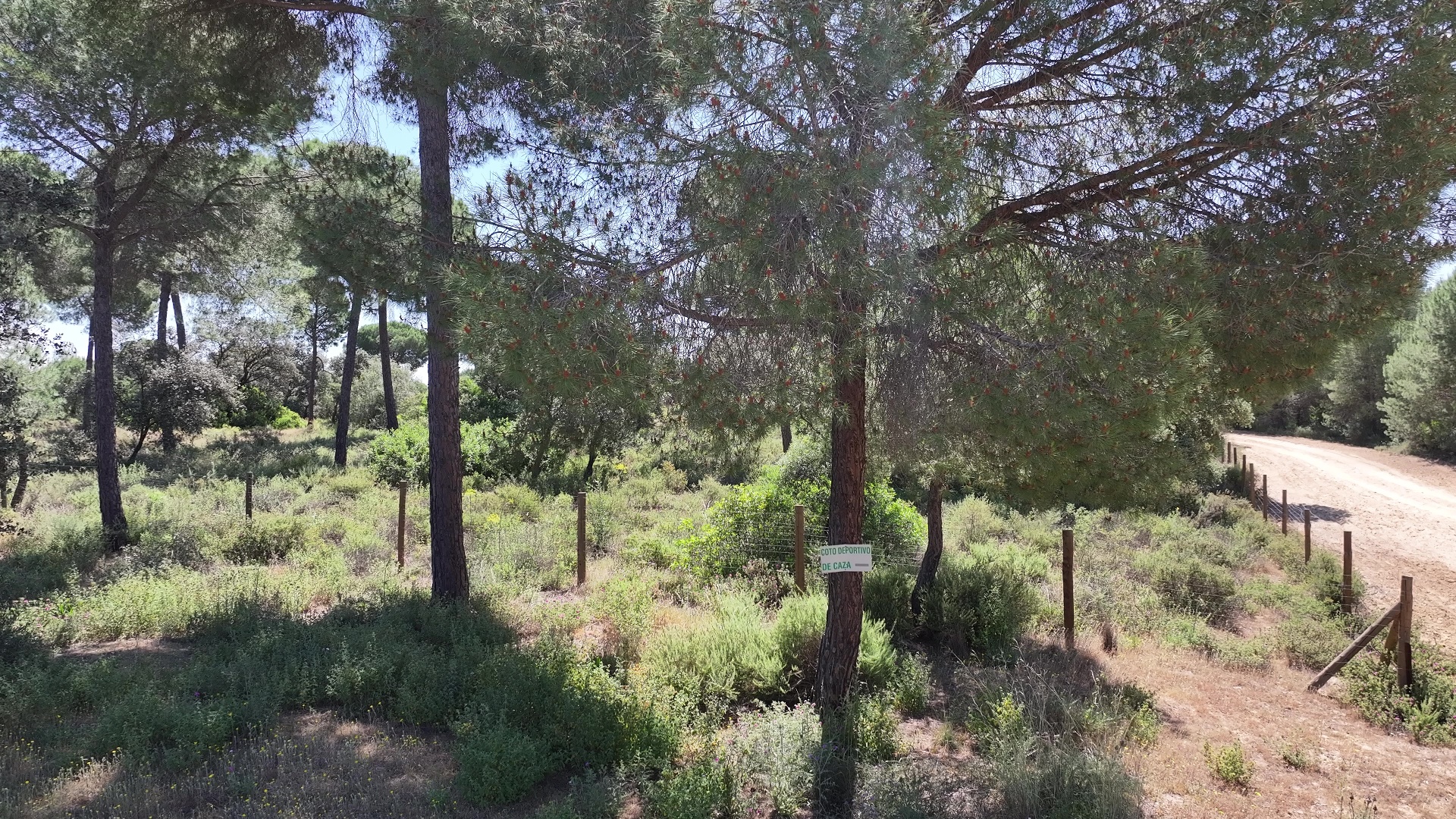
Alongside the dehesas appear extensive areas of Mediterranean scrubland, dominated by species such as rockroses, mastic trees, wild olive trees or dwarf palms. These environments play a fundamental role as a refuge for numerous birds, small mammals, reptiles and insects, as well as acting as transition zones towards the ecosystems characteristic of Doñana.
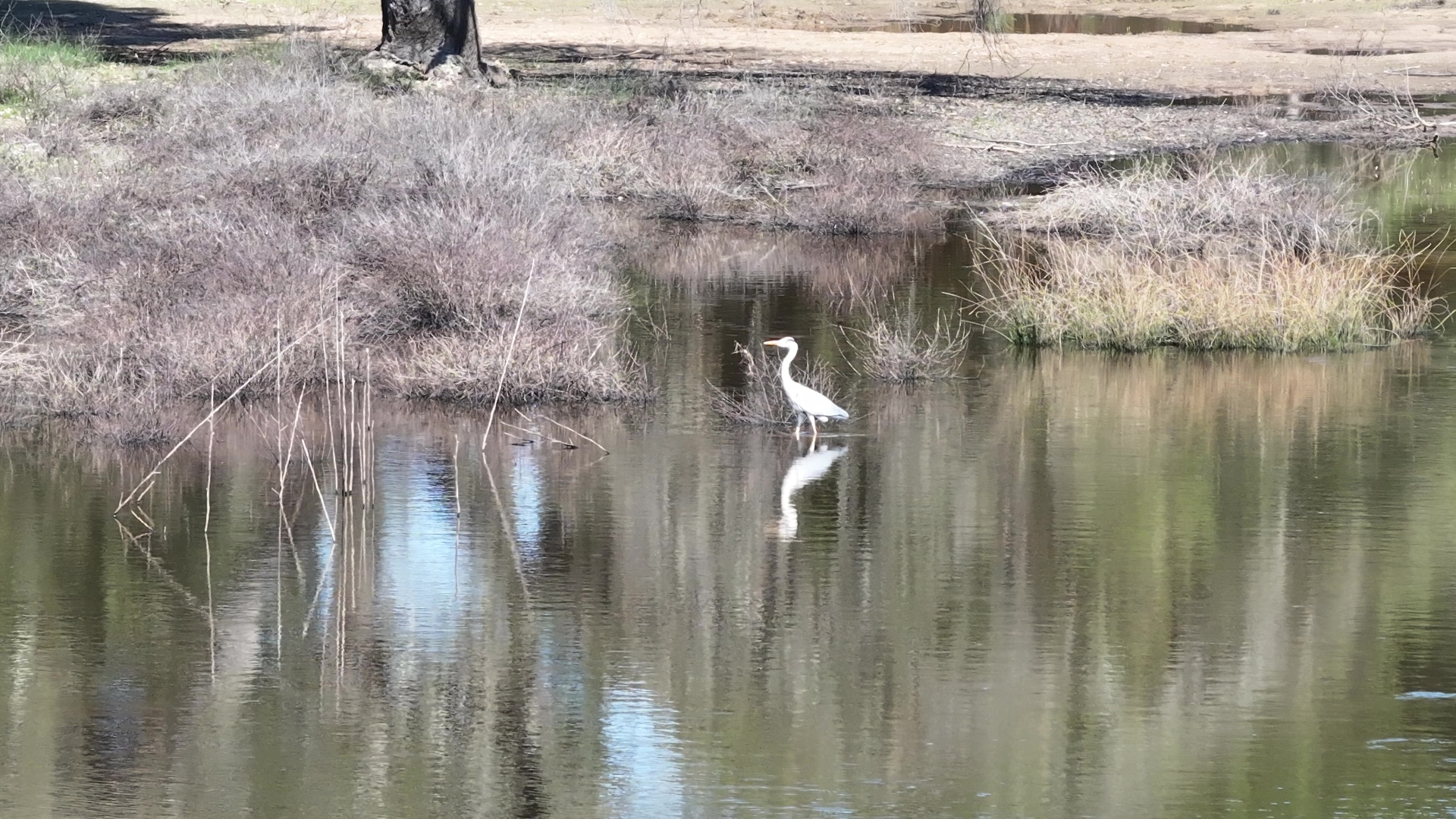
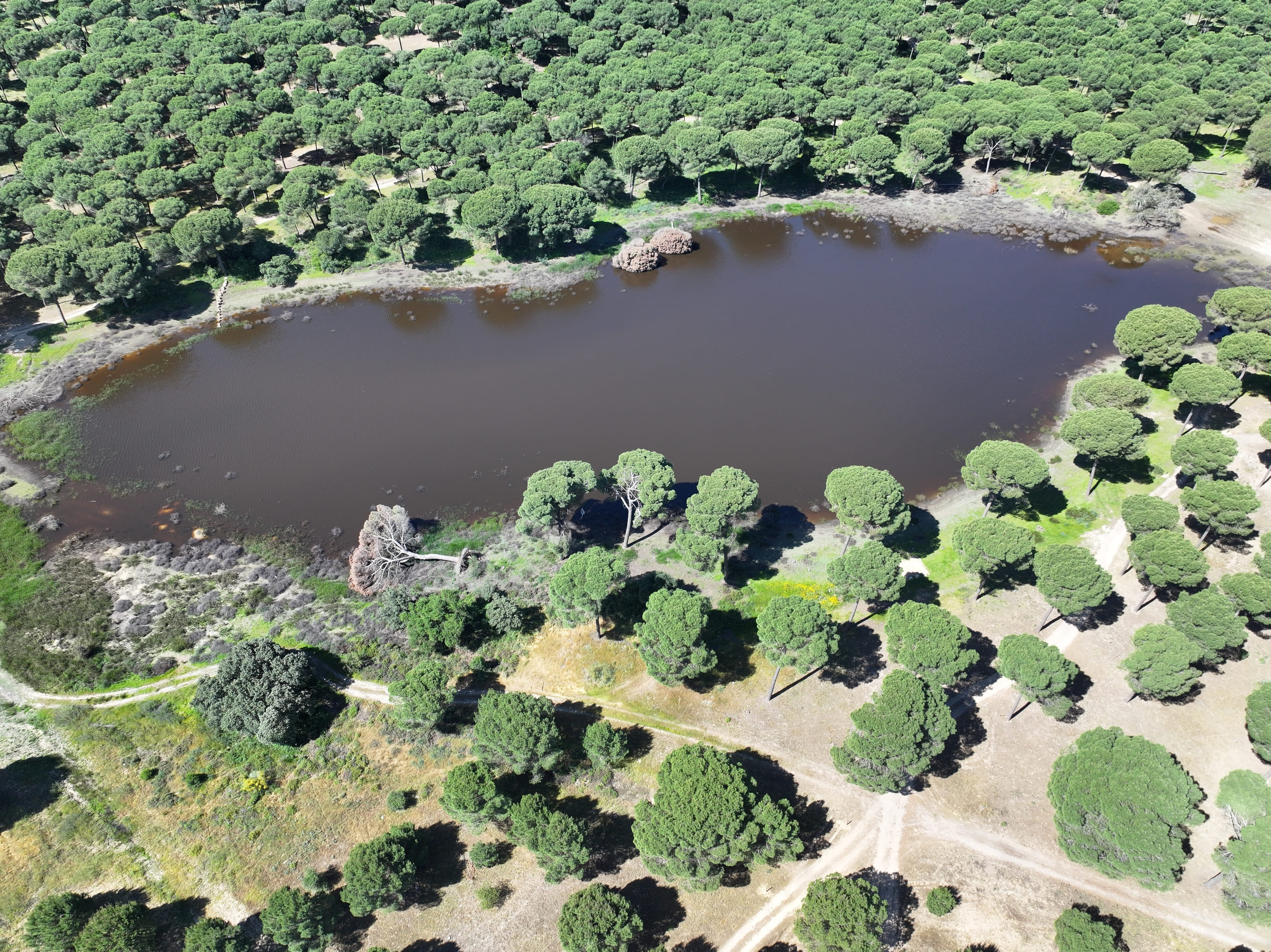
Although smaller in size, wetlands such as the Laguna de San Lázaro acquire great ecological importance. These enclaves provide water and food for numerous species, especially during the driest periods, becoming strategic points for amphibians, aquatic birds and migratory fauna.
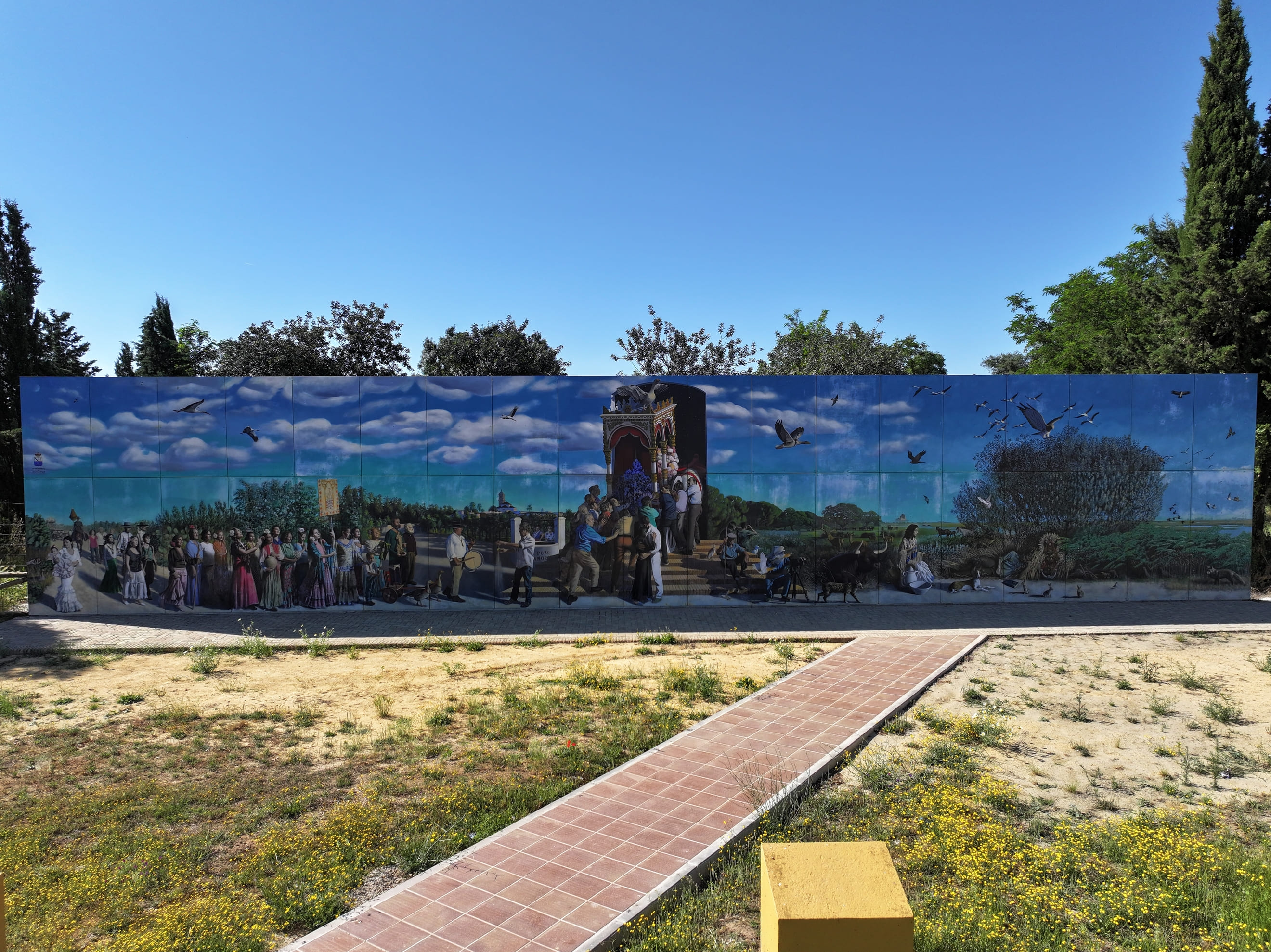
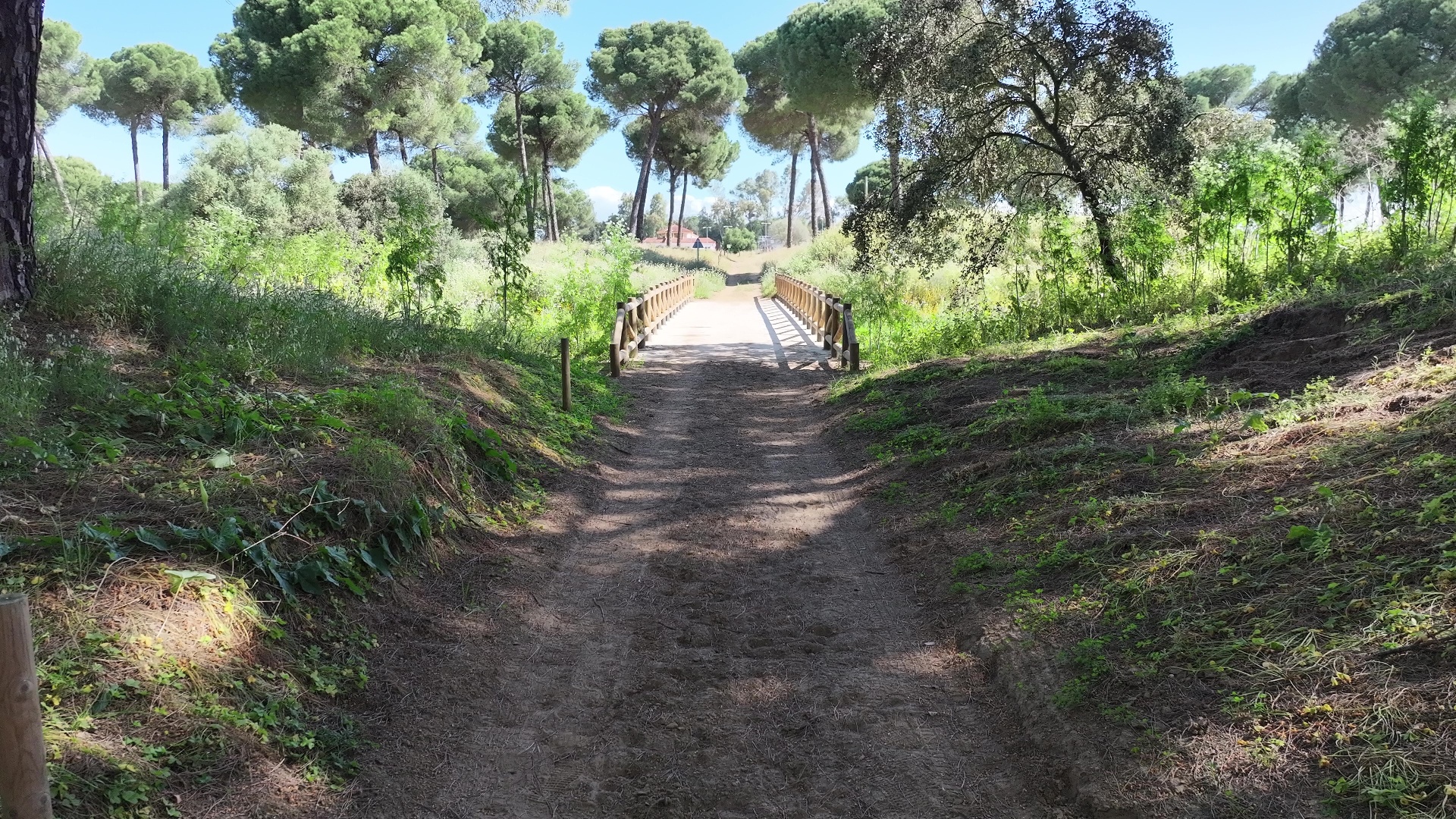
The presence of ancient livestock routes and historic paths recalls that this landscape has also been shaped by human activity. For centuries they served to connect agricultural and livestock farms and to facilitate the movement of livestock, while today they continue to form part of the traditional routes towards the Pilgrimage of El Rocío, integrating nature, heritage and culture in the same territory.
The combination of all these elements turns Villamanrique into one of the municipalities where the balance between conservation and traditional use of the environment can best be understood. A landscape that continues to evolve, but that maintains many of the characteristics that have defined this territory for generations.
Videos
Villamanrique Natural Heritage
Villamanrique Natural Heritage Subtitled