
- Home
- Interest points
- Historical and Artistic Heritage of Villamanrique de la Condesa
Info
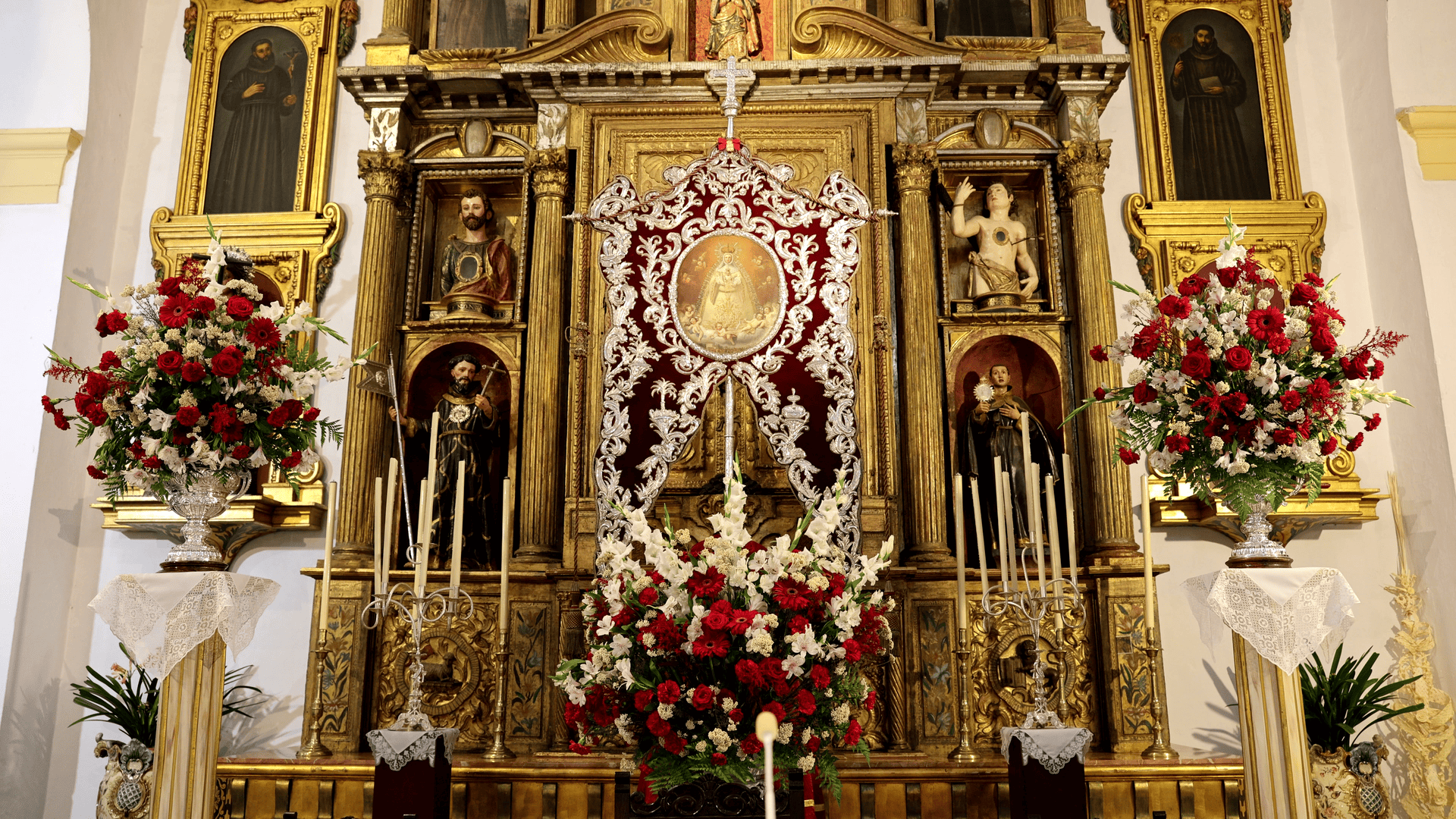
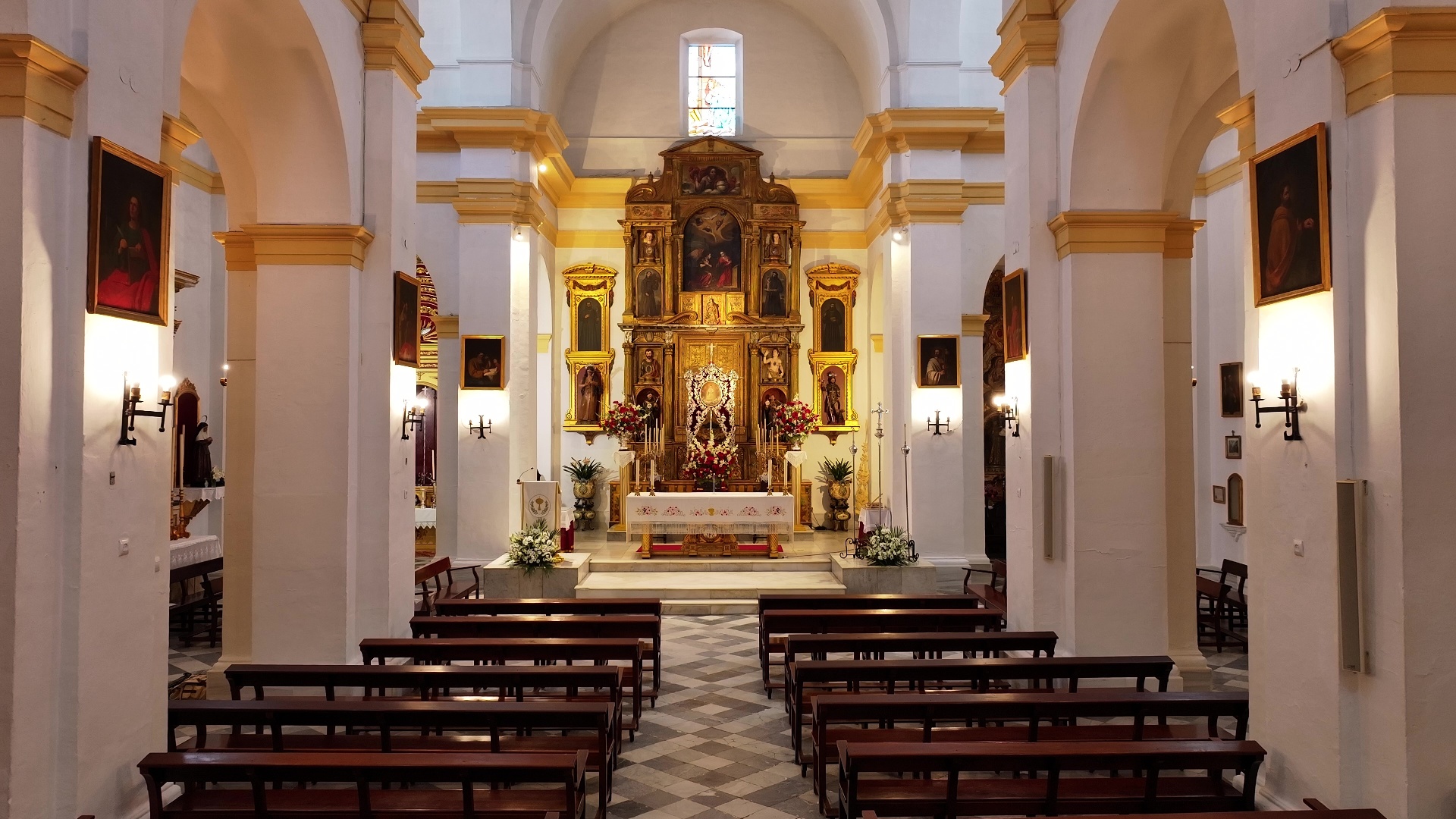
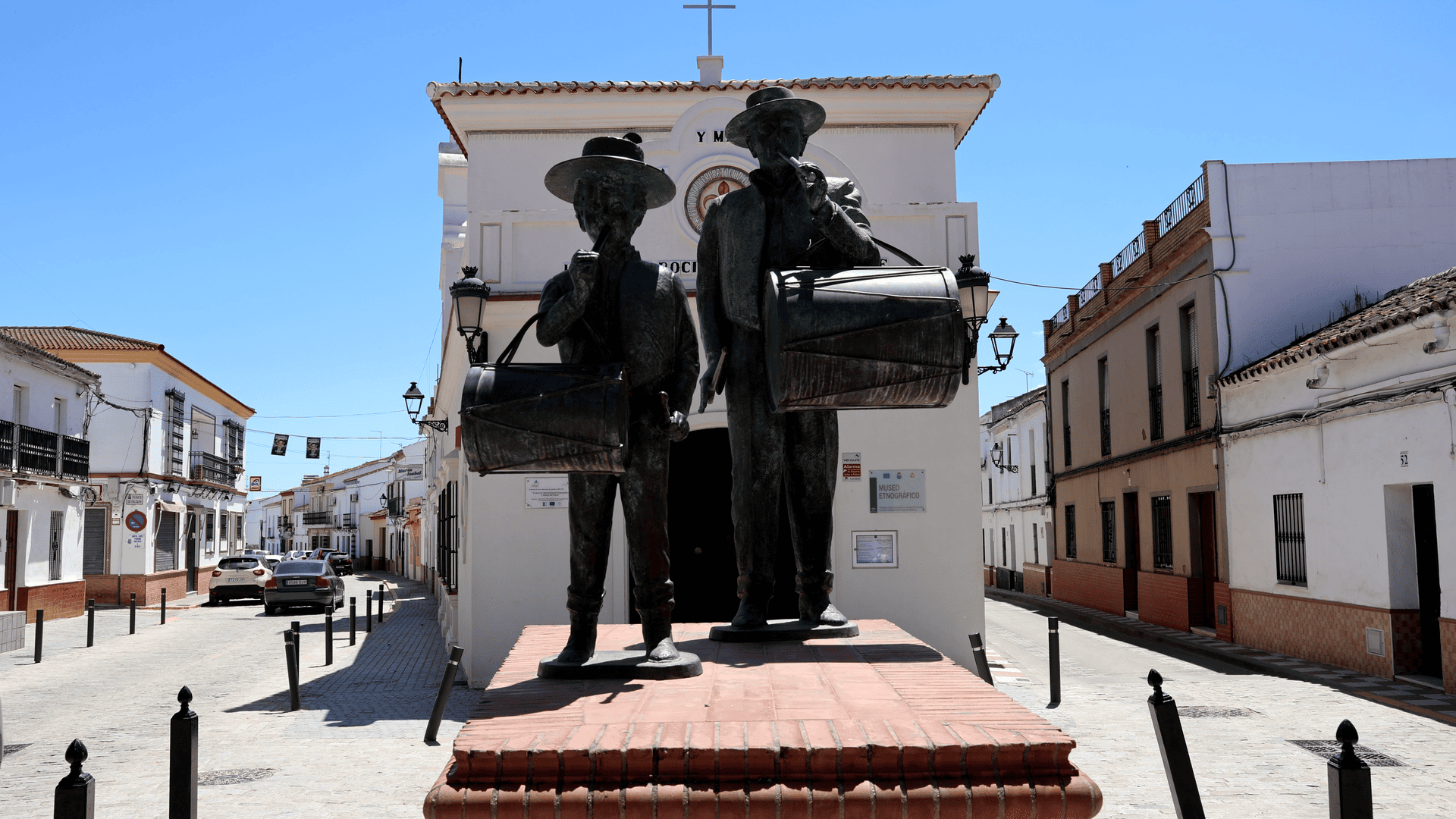
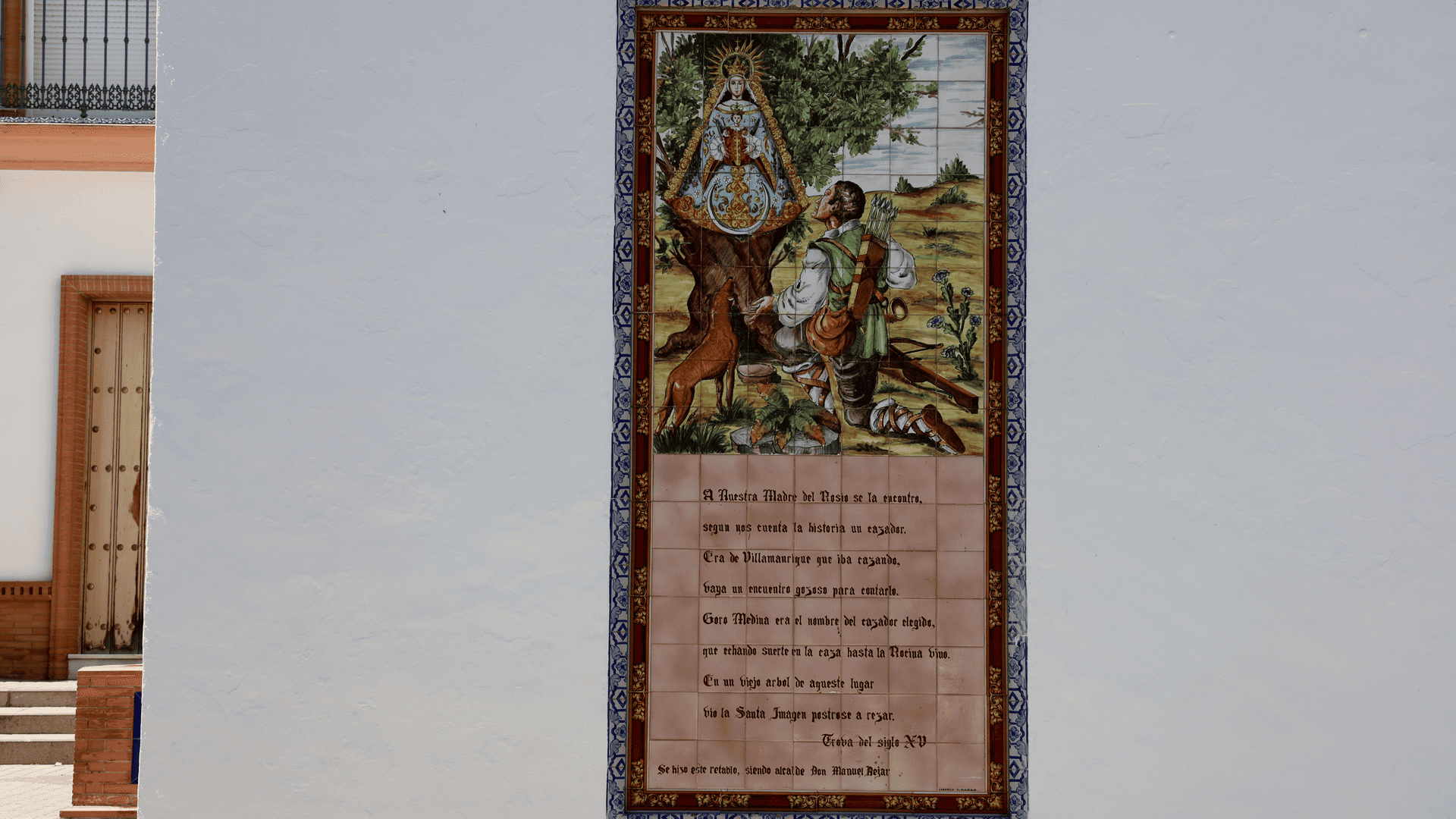
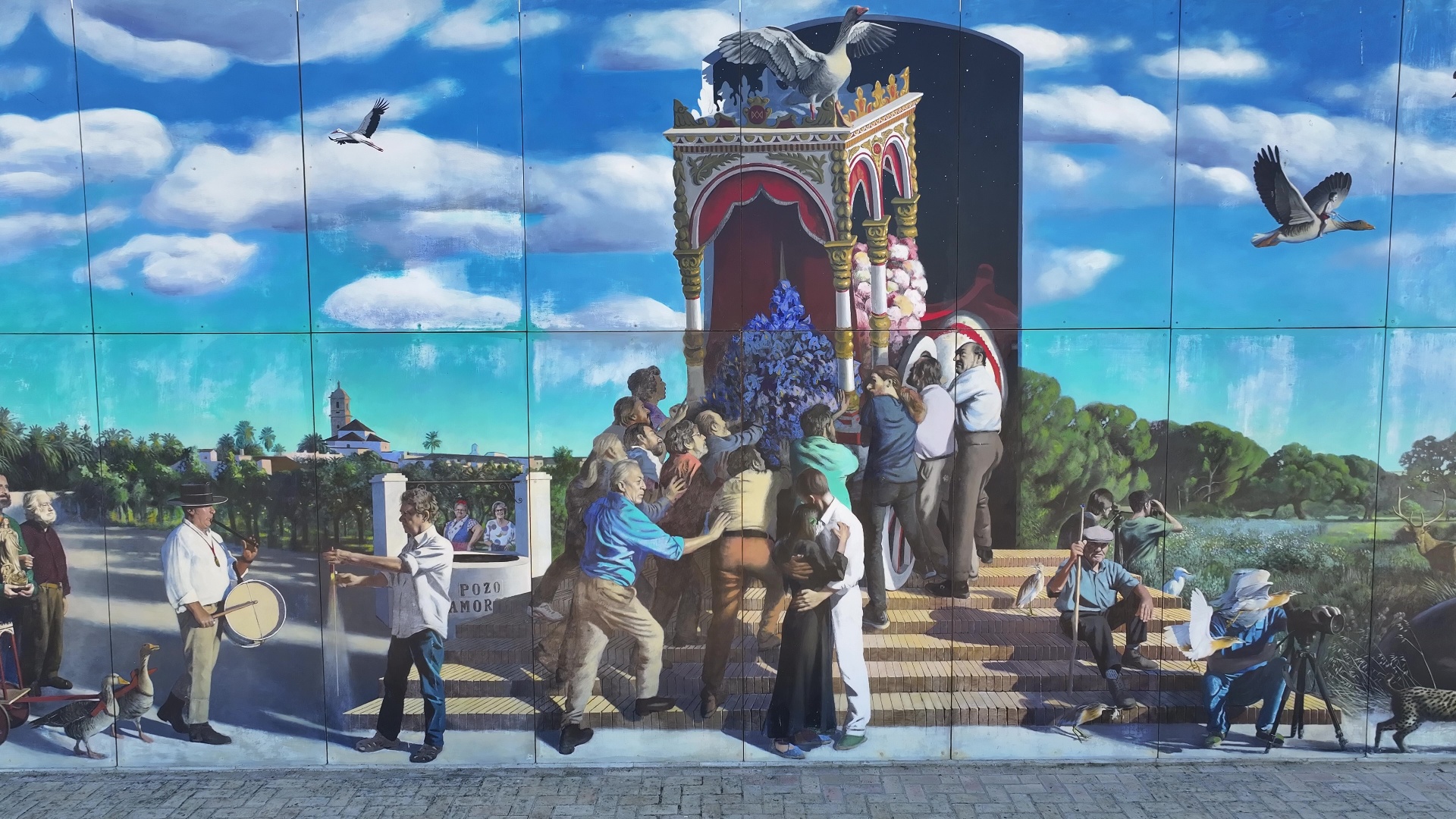
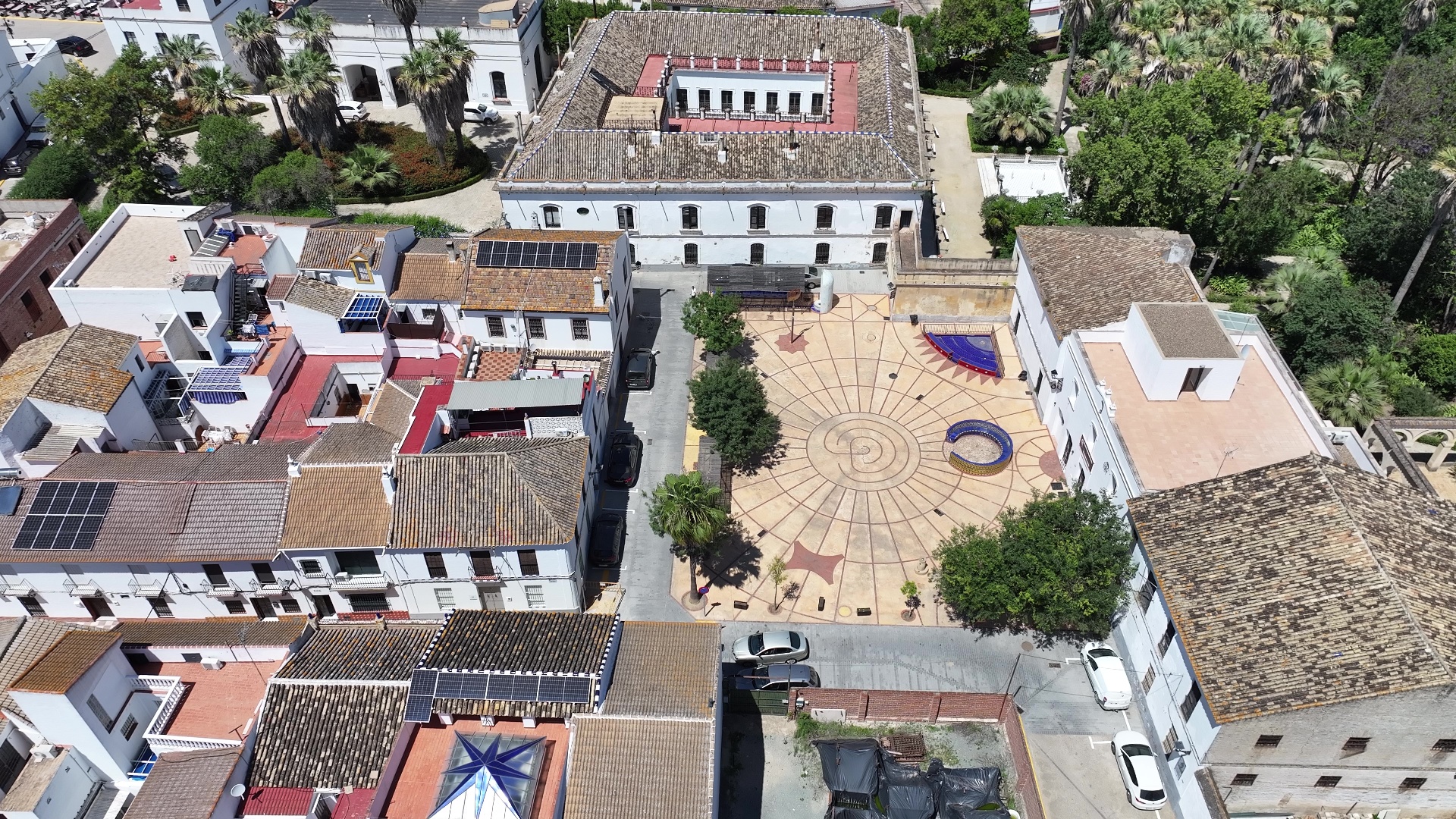
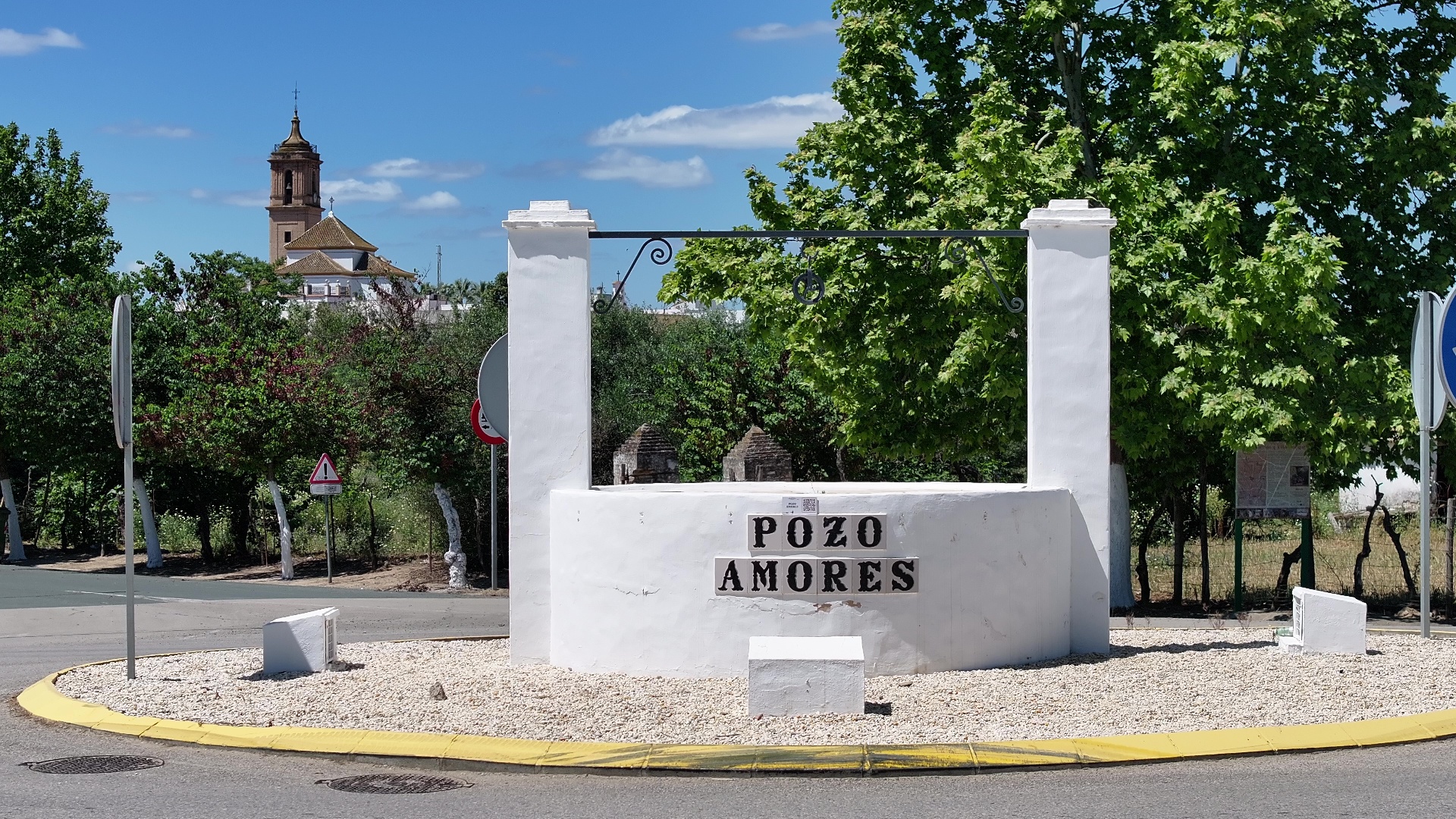
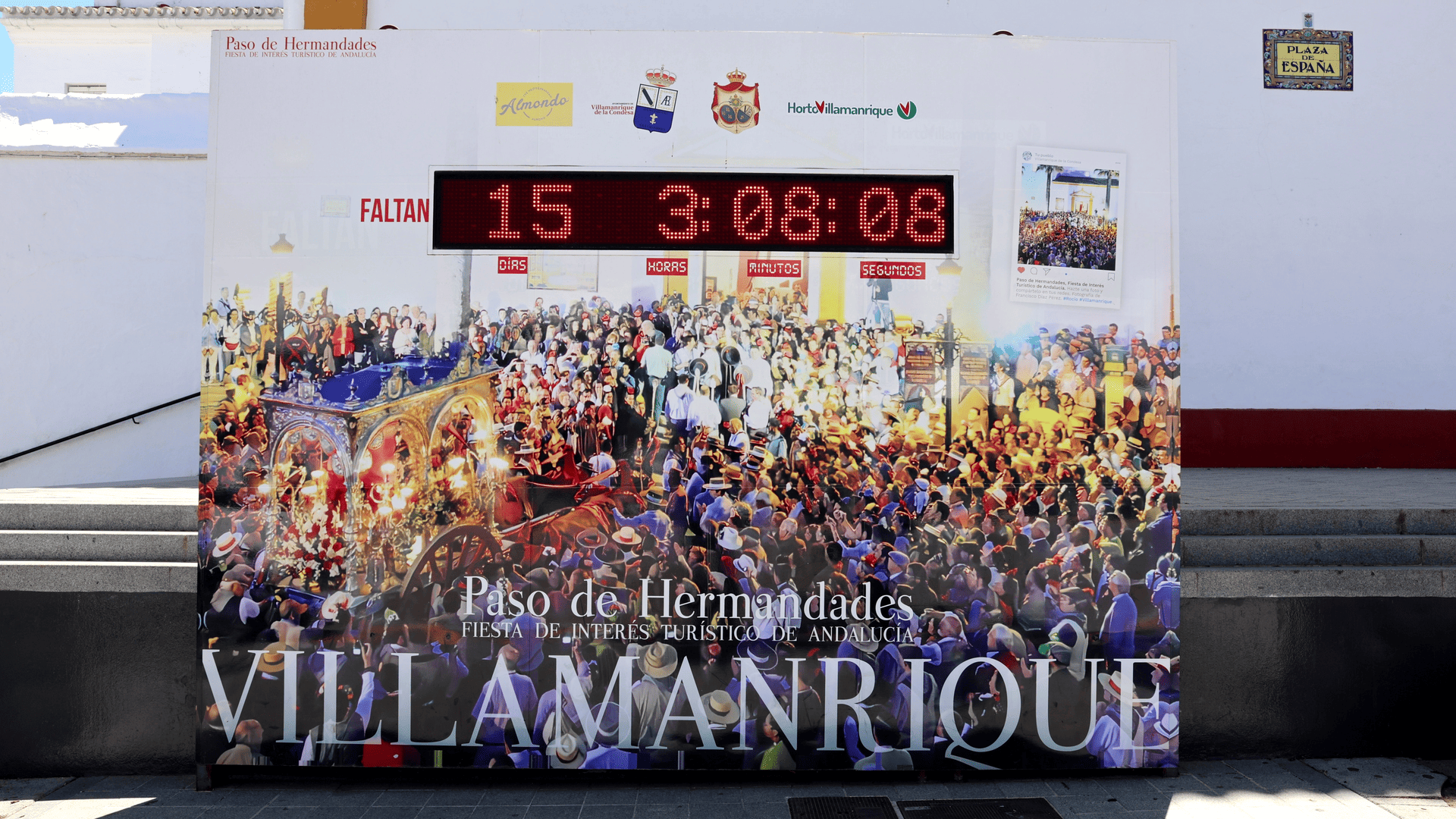
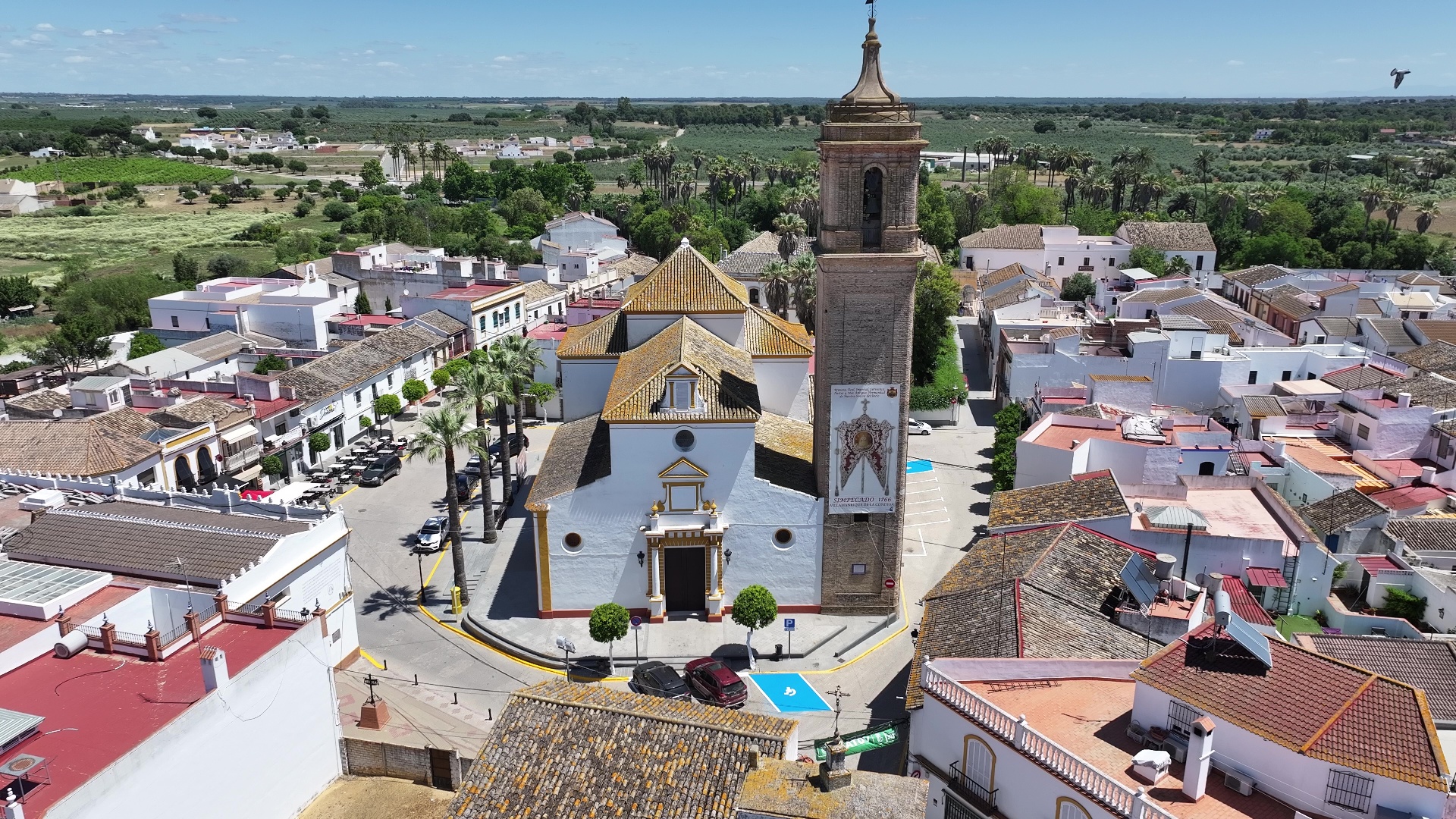
Villamanrique de la Condesa preserves a valuable heritage ensemble in which architecture, tradition and history form a single reality. Its streets reflect the close relationship between the municipality and the Way of El Rocío, while buildings such as the church of Santa María Magdalena, the Royal Palace or the Ethnographic Interpretation Centre make it possible to understand the historical and cultural evolution of the locality.
Know more
The history of Villamanrique de la Condesa goes back to long before the foundation of the present-day settlement. The municipality occupies a territory inhabited since Prehistory and known for centuries as Mures, a name by which it appears cited in different historical periods. Its privileged location, between the Aljarafe, the ancient estuary of the Guadalquivir and the marshes of Doñana, favoured the settlement of different cultures, from Bronze Age communities to Phoenicians, Romans, Andalusians and Castilians. Various archaeological finds, such as those of Cerro del Chillar or the remains related to ancient Phoenician factories, reflect the importance of this enclave from a very early period.
After the Castilian conquest of the 13th century, the ancient settlement of Mures became part of the Order of Santiago and, later, of the lordship of the Zúñiga. It was precisely during the reign of Philip II that the town adopted the name of Villamanrique de Zúñiga, the origin of the current denomination. Over the centuries, the lordship passed to different noble houses until, in the 19th century, the acquisition of the estate and the palace by the Dukes of Montpensier, belonging to the House of Orleans and Bourbon, marked a new stage in local history. In 1916 the municipality officially adopted the name of Villamanrique de la Condesa, in honour of María Isabel de Orleans, Countess of Paris.
This historical evolution explains a large part of the heritage that the locality preserves today. The Palace of Orleans and Bourbon, declared an Asset of Cultural Interest, constitutes one of the best examples of noble residential architecture in the surroundings of Doñana. Its current appearance combines the tradition of Andalusian rural architecture with reforms of French influence carried out during the 19th century, while its gardens respond to the Romantic landscape taste of the period. The building also played an important role in the urban development of the municipality, favouring the growth of a settlement that until then had maintained reduced dimensions.
However, the heritage of Villamanrique is not limited to its monuments. A large part of its identity is preserved in traditions, in popular language and in the close relationship maintained for centuries with the Way of El Rocío and the surroundings of Doñana. This combination of historical heritage, collective memory and landscape turns the municipality into one of the most representative examples of how the history of a territory can remain present not only in its buildings, but also in its customs, in its paths and in the way of understanding the space that surrounds it.
Videos
Historical and Artistic Heritage of Villamanrique
Historical and Artistic Heritage of Villamanrique Subtitled
Bibliography
· Ayuntamiento de Villamanrique de la Condesa. Historia del municipio.
· Ayuntamiento de Villamanrique de la Condesa. "De Mures a Villamanrique de Zúñiga".
· BOE. Decreto 98/1998, de declaración como Bien de Interés Cultural del Palacio de Villamanrique de la Condesa de París y su jardín.