
- Home
- Interest Points
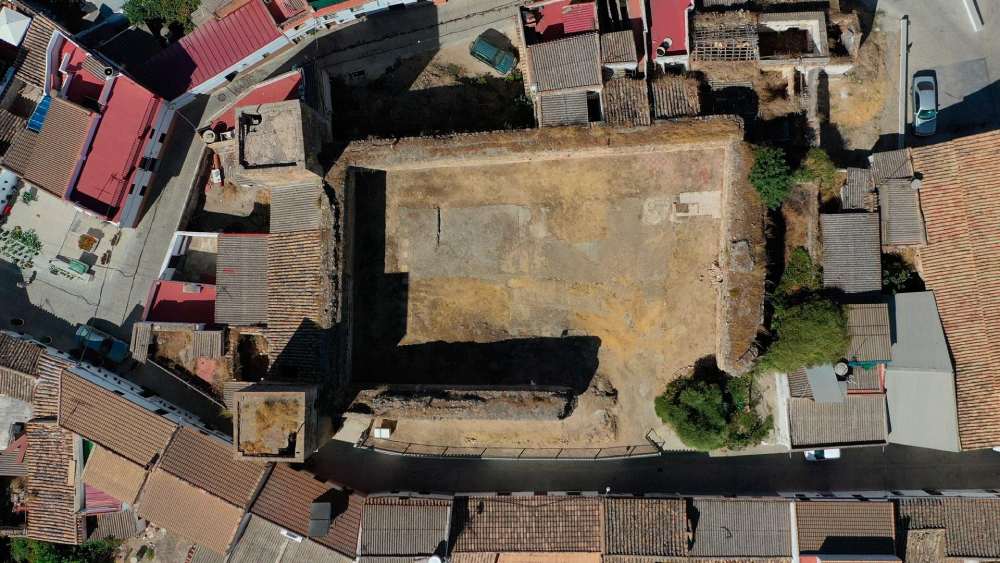
Castle of La Puebla de los Infantes
Castle located at about 231 m above sea level on a platform surrounded by two ravines. It is located in a contact zone between the Sierra and the Campiña, between Sierra Morena and the Guadalquivir valley. In its surroundings there are important fortifications such as Almenara, Toledillo, Peñaflor, Palma del Río, Lora del Río. However, this fortress was linked to Constantina, as the head town of Sierra Morena in this territory that we now call the Sierra Norte of Seville.
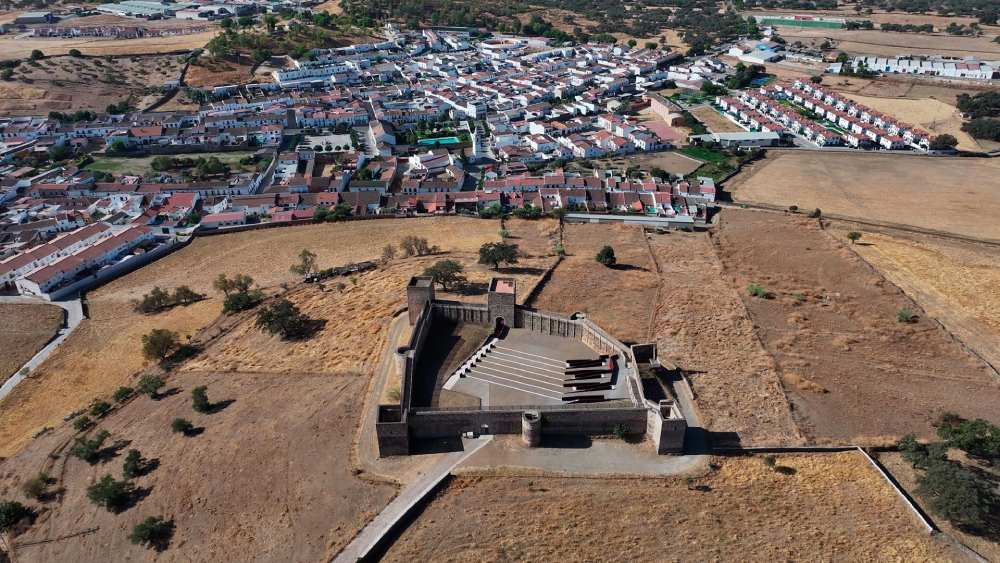
Castle of El Real de la Jara
The Castle of Real de la Jara, built in the 14th century, is strategically located on a hill to control the Vía de la Plata and defend the Seville district against Portugal. Its semi-drangular masonry enclosure has eight towers, two gates (a main gate in the keep and an escape gate) and a parade ground with a cistern.
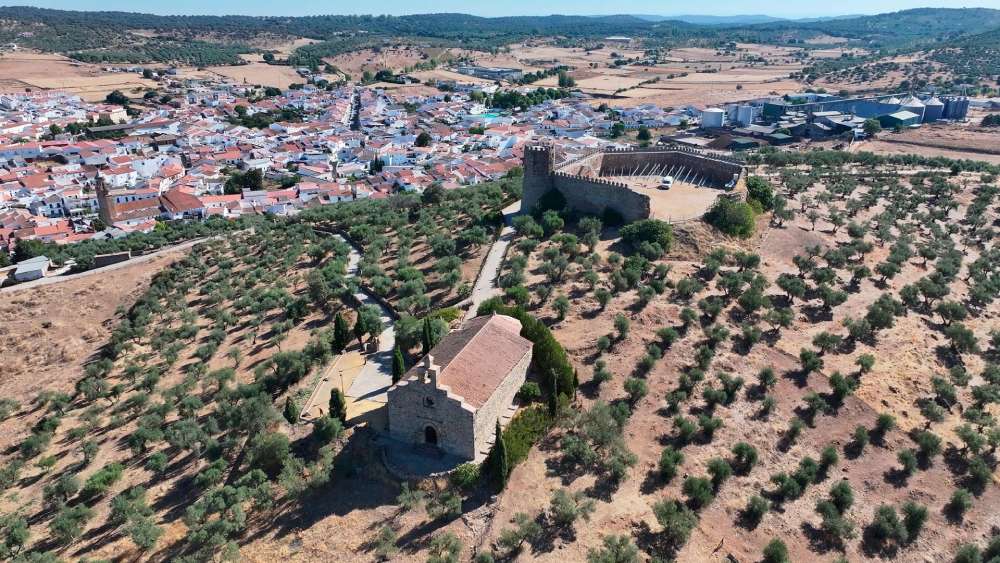
Castle of Alanís
A castle on the defensive line, which protected the northern border of the Kingdom of Seville. It consists of an irregular hexagonal enclosure with a tower and a barbican. It was built in the late 14th century – the period to which most of the building dates – but the tower chamber and the double-flight staircase were added during the second half of the 15th century.
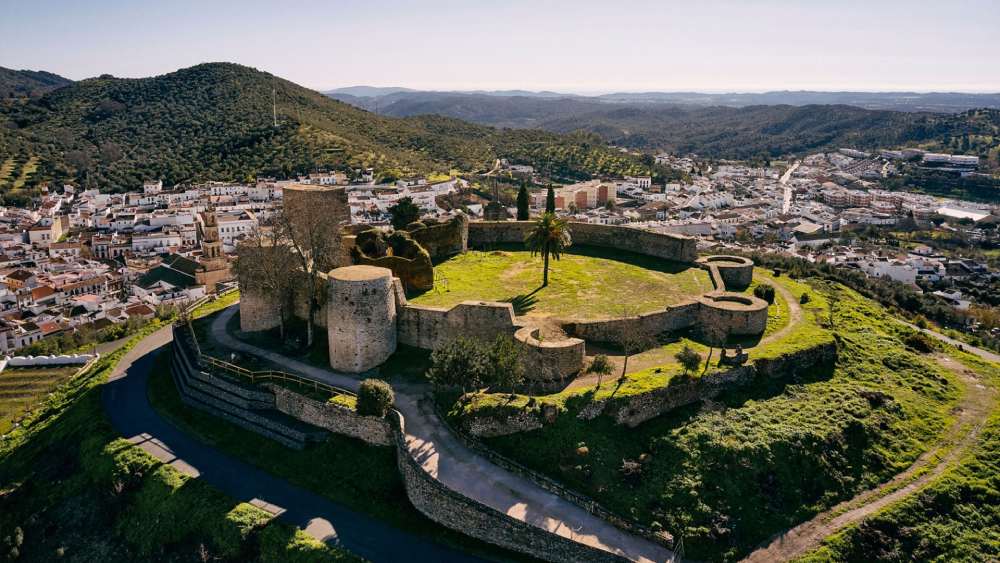
Castle of Constantina
The Castle hill in Constantina was fortified for the first time in the 14th century with an oval-shaped wall to which a cistern was added. The building that we see today, oval in plan and flanked by towers of circular and ultra-semicircular plan, dates from the end of the 15th century and its builder was Rodrigo Ponce de León, at that time governor of the fortress appointed by the council (town council) of Seville. The old enclosing wall of the 14th century became the outer wall of the new castle.
Constantina was the main town of the Sierra de Constantina district, a district rich in hunting, in mines (Cerro del Hierro) and in oak, chestnut, holm oak, alder, ash and cork oak woods. Communal forests or property of the Royal Shipyards of Seville.
Monasterio San Isidoro del Campo
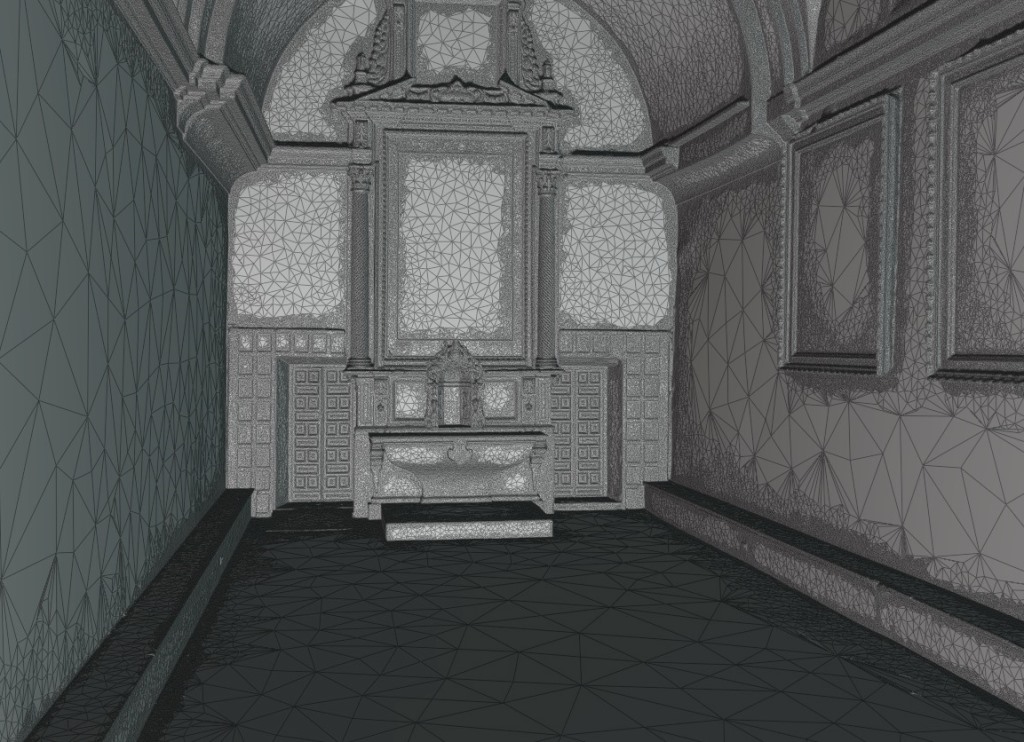
This former convent of the Hieronymites was founded by Guzmán el Bueno in 1301 as a family pantheon over a Mozarabic hermitage where, according to tradition, the body of San Isidoro was buried.
The Chapter House is a place that has undergone numerous alterations from the 14th to the 17th century and where its pictorial decoration stands out.
The Way of St James
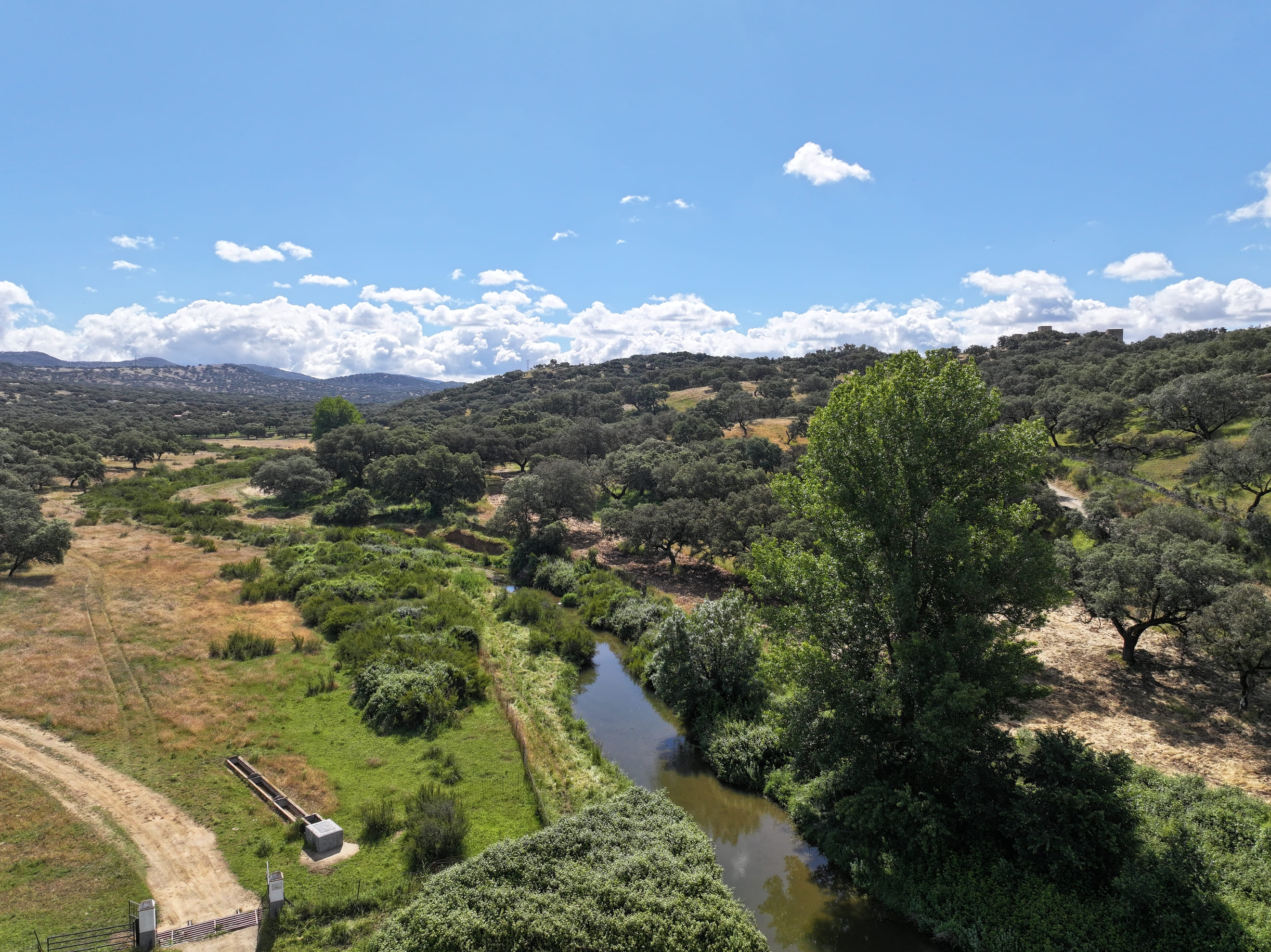
El Real de la Jara constitutes one of the most representative stages of the Way of Saint James along the Vía de la Plata. Its location, next to the boundary between Andalusia and Extremadura, has historically turned the municipality into a place of passage, welcome and encounter for travellers, merchants and pilgrims.
Today, this route makes it possible to discover a landscape where history, nature and heritage preserve the legacy of one of the great historical routes of the Iberian Peninsula.
Nuestra Señora de Belén Hermitage
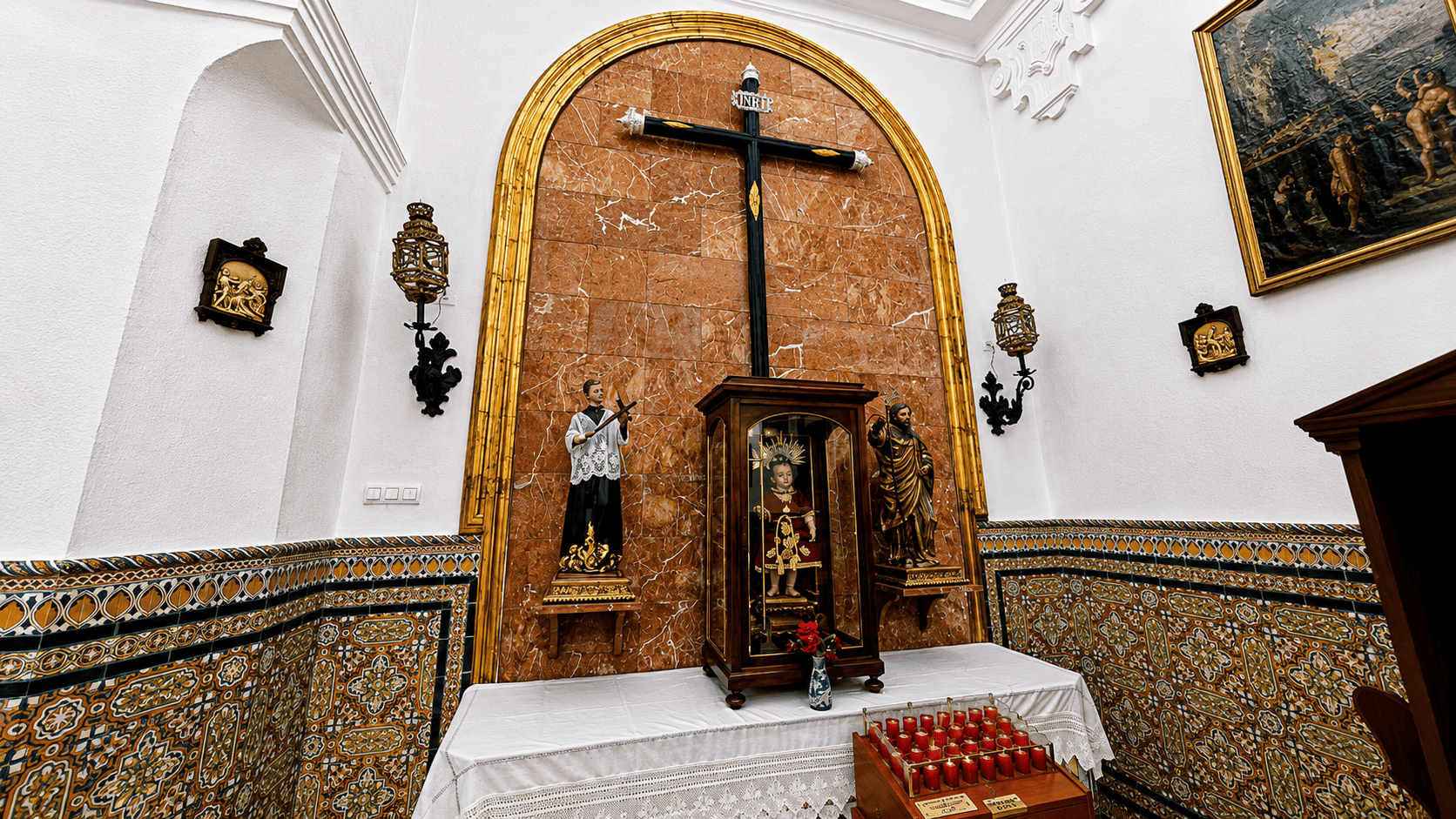
The Chapel of Our Lady of Bethlehem is one of the oldest and most iconic buildings in Pilas, and is considered the original centre around which the town began to develop. Built on the site of a unique 14th-century Gothic-Mudejar building and extended over the centuries, it preserves a remarkable architectural and artistic ensemble, presided over by the image of the town’s patron saint. Its history and the works it houses offer an insight into the evolution of Pilas from its medieval origins to the present day.