
- Home
- Interest Points
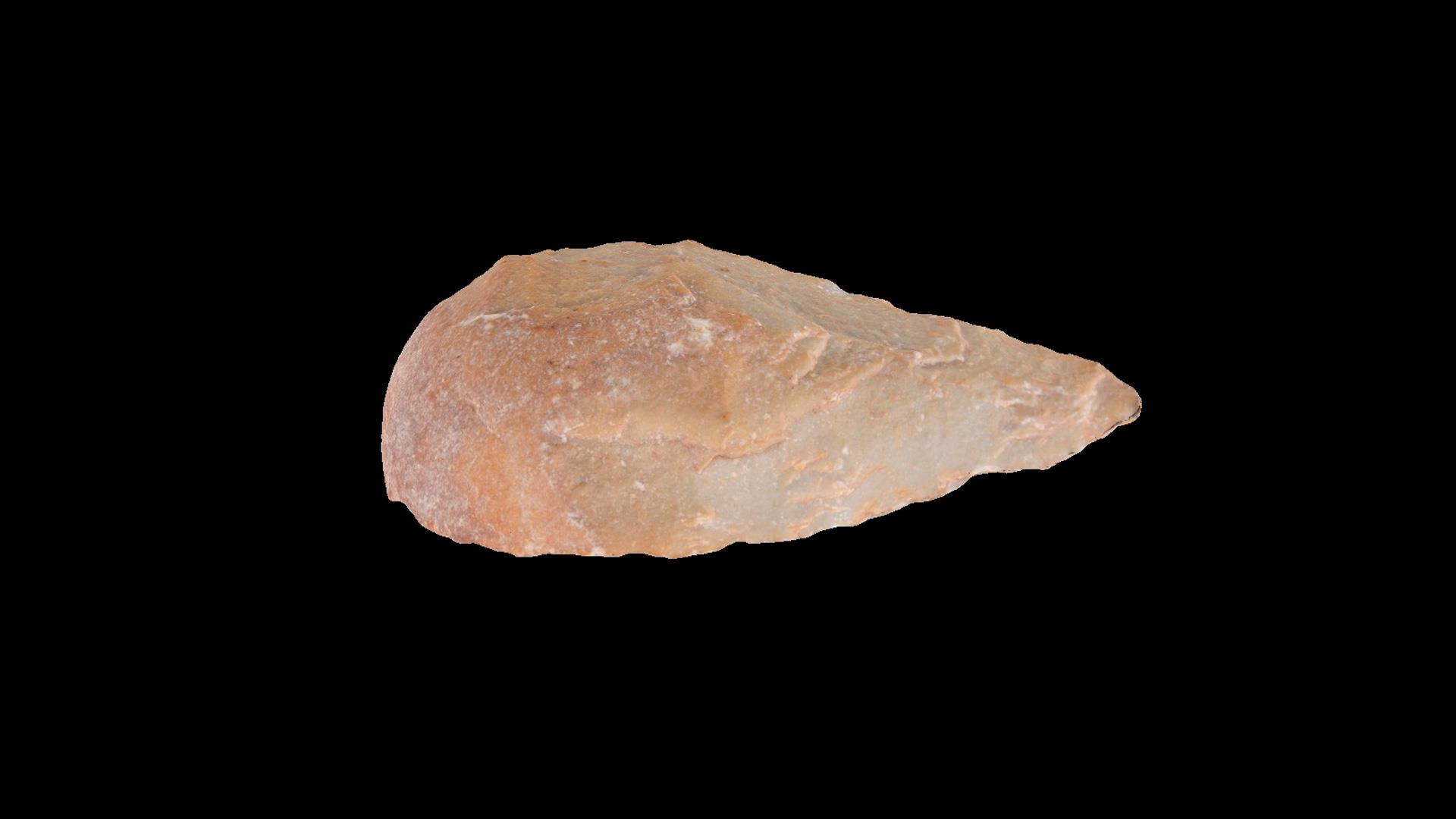
Museum of the City of Carmona
The Museum of the City of Carmona offers a journey through the history of the town, from the first settlements in the Palaeolithic period to medieval times, with an outstanding collection of archaeological remains and works of art. Housed in the Casa Palacio del Marqués de las Torres, the building is an example of 16th and 18th century Sevillian architecture.
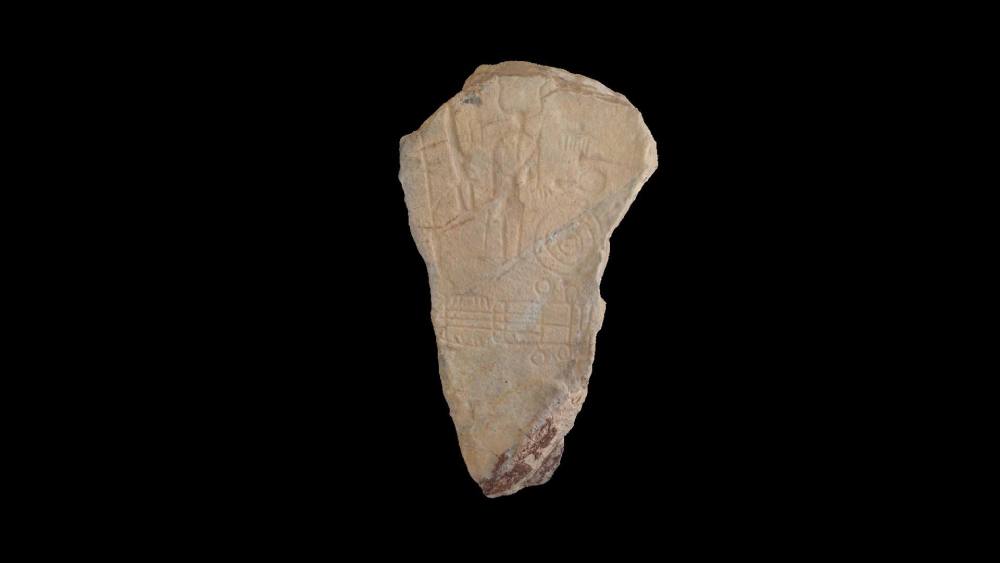
Museo Histórico Municipal de Écija
The Municipal Historical Museum of Ecija, located in the Benamejí Palace, offers a journey through the history of the city, from Prehistoric times to the Modern Age, highlighting its Roman and Andalusian past. Among its most important pieces are the Wounded Amazon and a rich collection of mosaics and archaeological artefacts that reflect the importance of Ecija in the Roman province of Baetica.
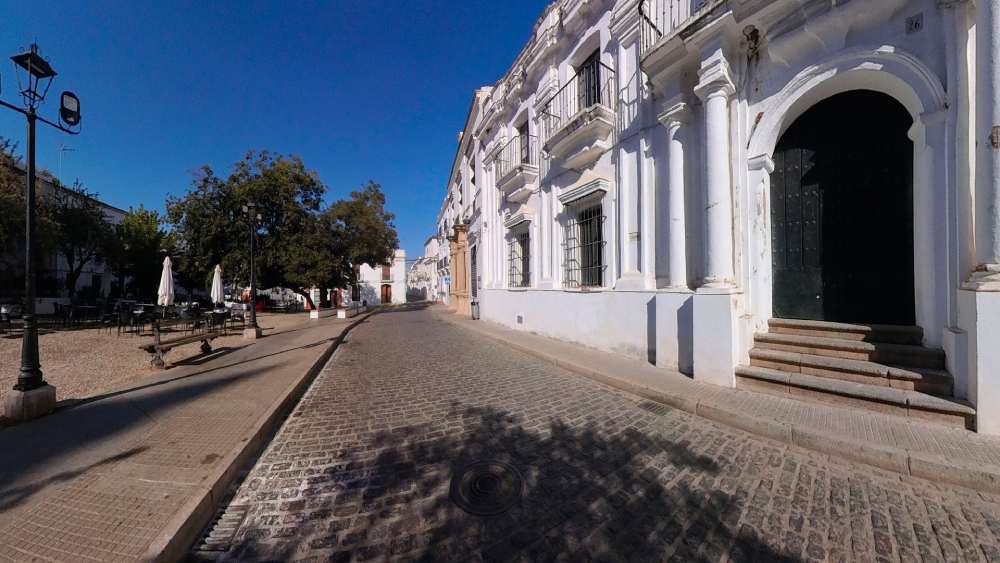
Plaza Mayor
Located in the north of the province of Seville, Cazalla de la Sierra lies within the Sierra Morena Natural Park, an area of great natural and historical value. The origins of the urban centre date back at least to Roman times, the period when the first documented archaeological remains date from. With a richly preserved architectural heritage, the historic centre of Cazalla de la Sierra has been declared an Asset of Cultural Interest for its beauty and monumentality.
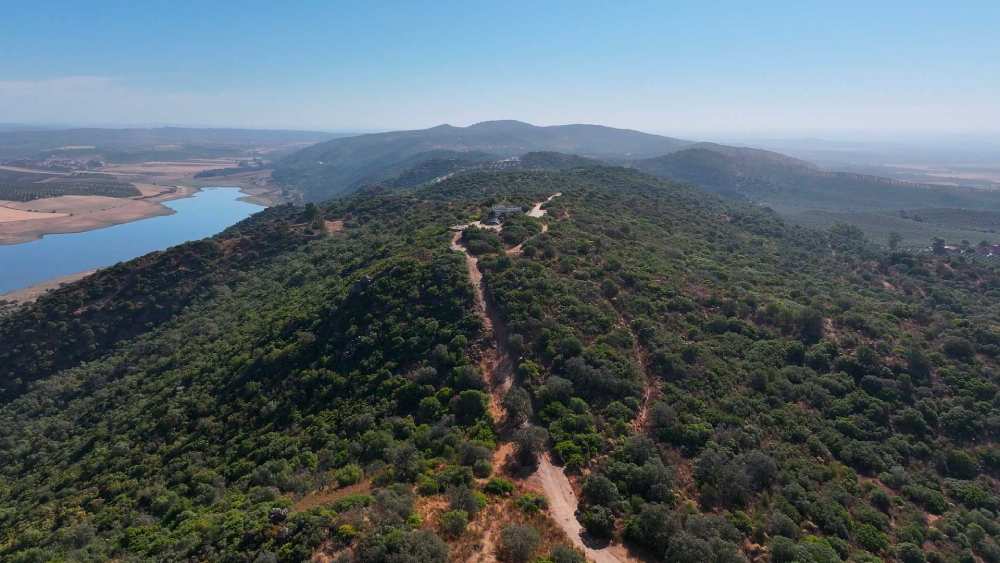
Route of Mirador de la Vera
The Ruta del Mirador de la Vera, in La Puebla de los Infantes, offers a route through impressive landscapes of the Sierra Norte de Sevilla, where nature and tranquillity combine with views of the José Torán reservoir.
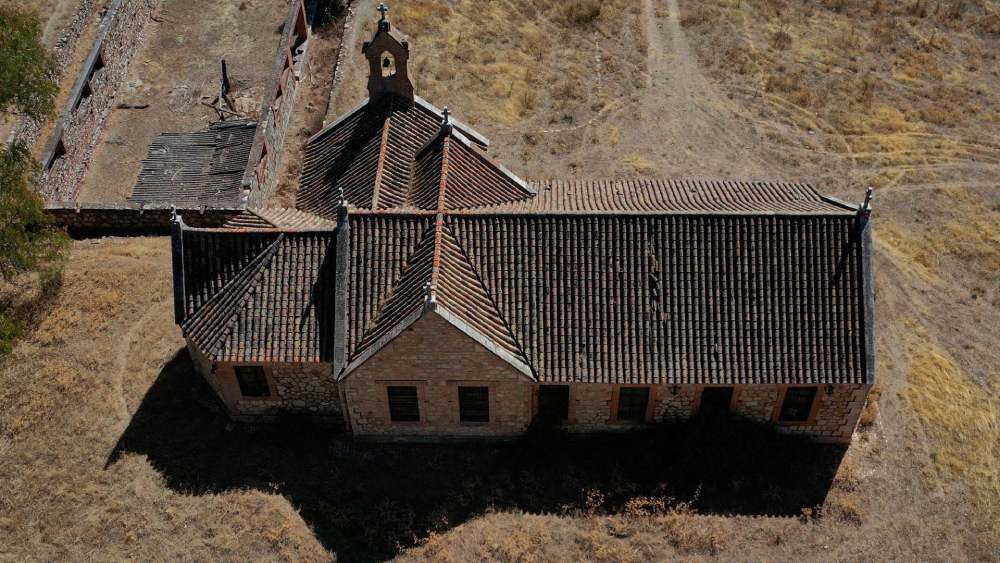
Cerro del Hierro
Cerro del Hierro, in Seville's Sierra Morena, is a unique landscape that combines karst rock formations with a rich mining heritage, where iron has been mined since pre-Roman times. Today, this former centre of industrial activity is a protected natural area that attracts hikers and geology lovers, offering a fascinating blend of history and nature.
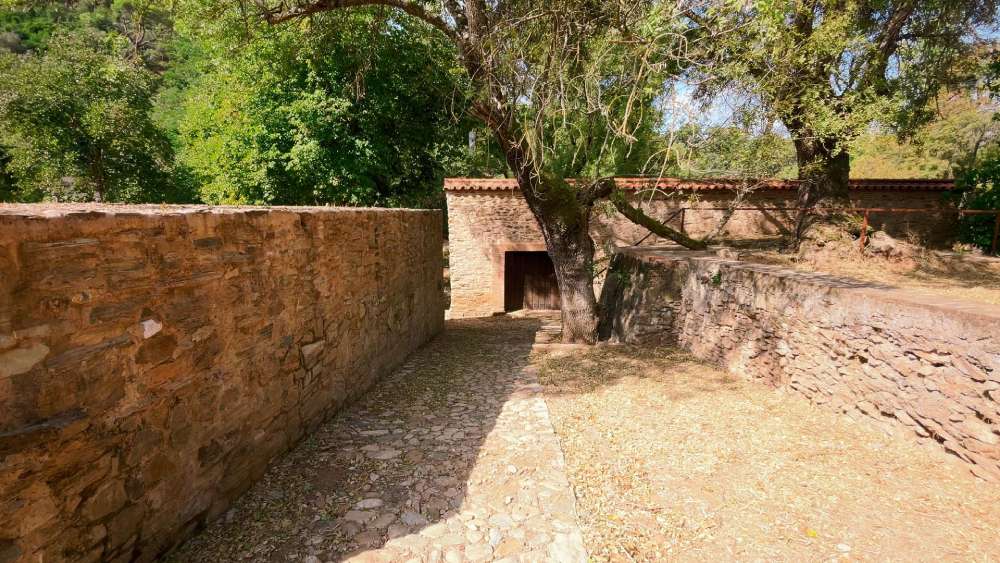
The Ciudadeja Mills Route
The "Los Molinos del Ciudadeja" trail combines history and nature, crossing landscapes of pastures, Mediterranean forests and old hydraulic mills. This circular trail, full of biodiversity, invites you to explore from the Hermitage of Nuestra Señora de Belén to the emblematic Molino del Francés, in an environment that intertwines the historical legacy with the natural beauty of the region.
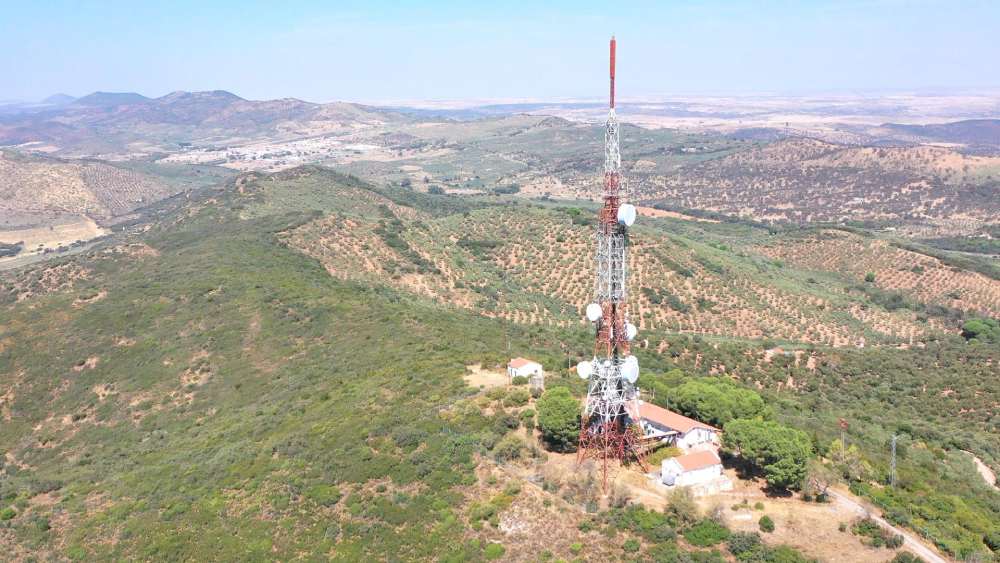
Ruta de Senderismo
Guadalcanal offers several hiking routes that allow you to discover spectacular landscapes and rich biodiversity, from challenging climbs such as La Capitana to more peaceful walks such as the Sendero del Cerro del Hierro. The trails run through forests, valleys and pastures, offering a unique experience in contact with nature, as well as historical vestiges of traditional rural life.
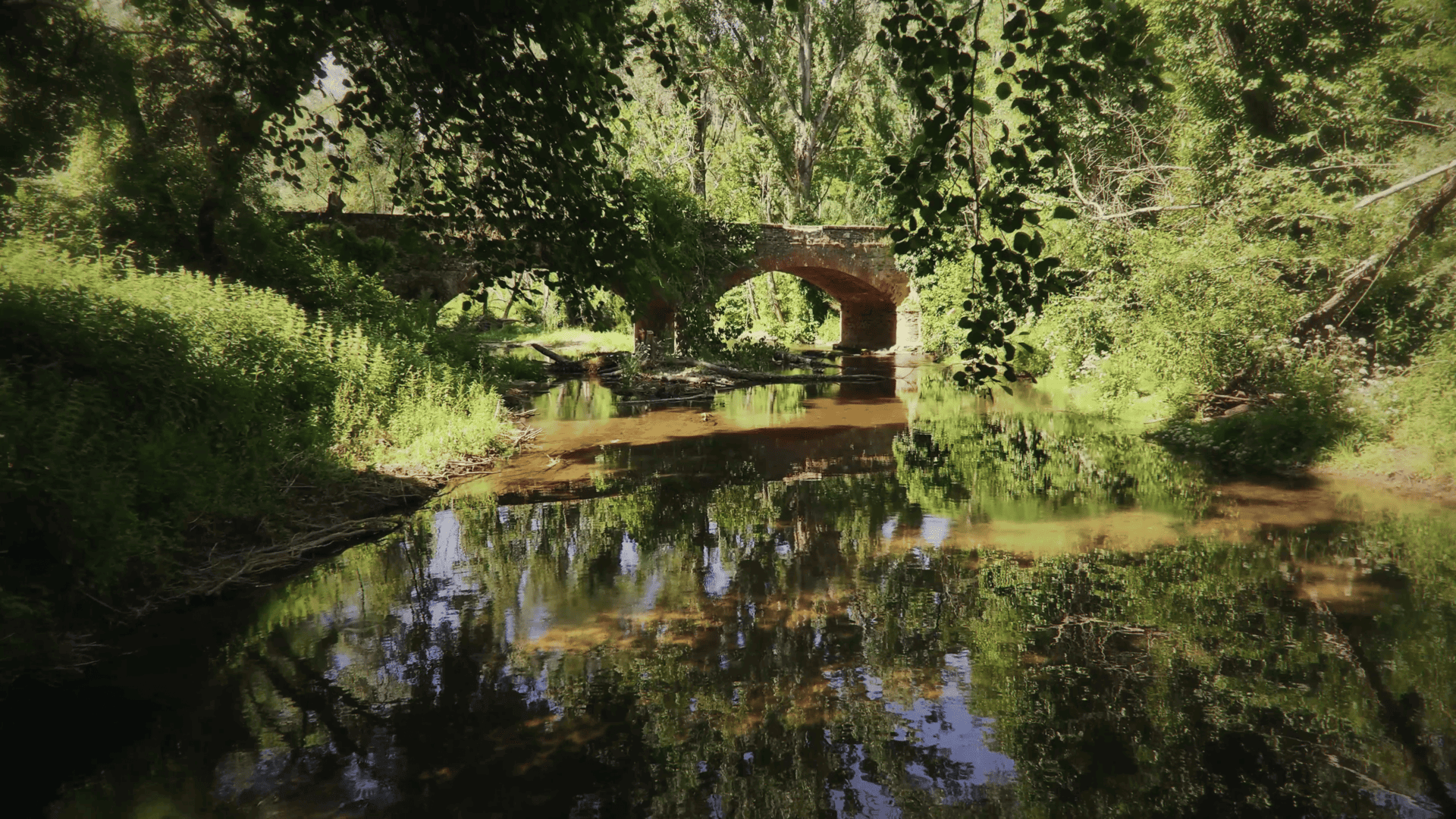
Camino Viejo Path
The Camino Viejo is one of the historic routes into Cazalla de la Sierra and a trail that allows visitors to discover the transition between the town centre, the traditional agricultural landscape and the banks of the River Huéznar, one of the most valuable natural areas in the Sierra Norte de Sevilla.
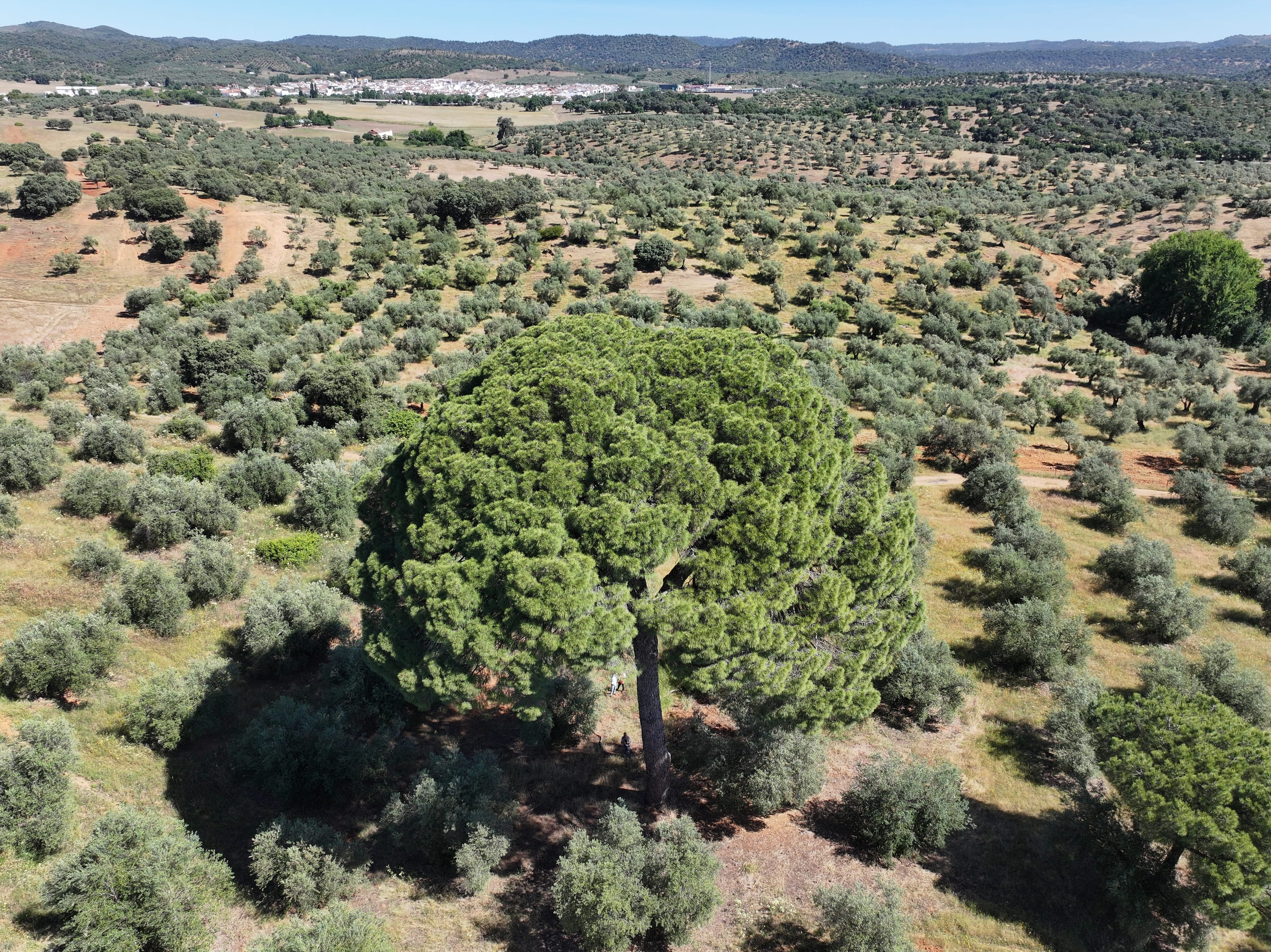
Virtual Viewpoint Las Navas de la Concepción
From this viewpoint it is possible to understand the evolution of Las Navas de la Concepción, a municipality that emerged in the 16th century around the agricultural estates promoted by the Basilian monks of the monastery of San Antonio del Valle. Its privileged location makes it possible to contemplate some of the main historical and landscape landmarks that have marked the development of the locality.
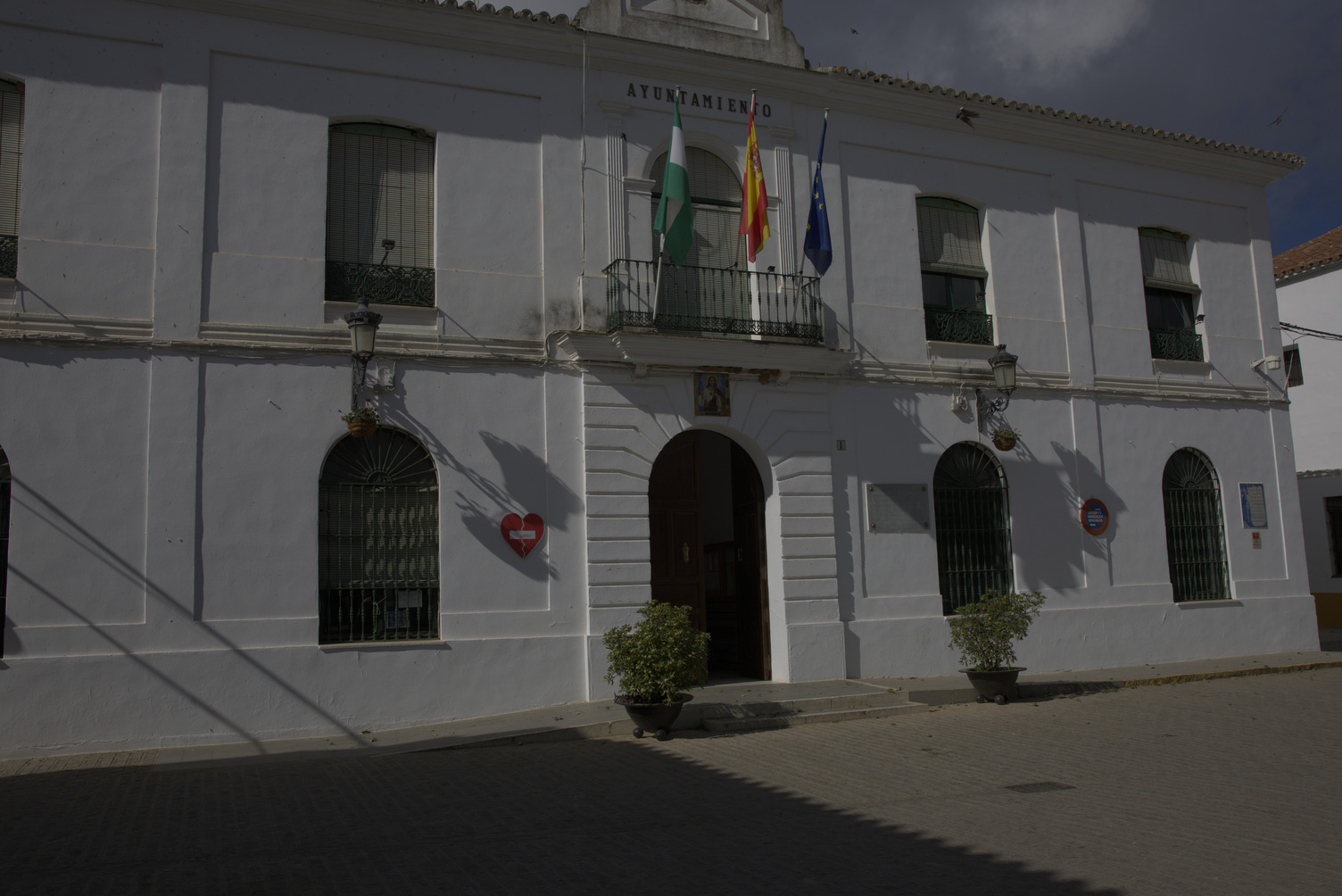
Heritage, History and Cultural Landscape
Situated between the Sierras del Viento and del Agua, in the far north of the province of Seville, Guadalcanal preserves a rich architectural heritage, the result of its historical significance and the prosperity it has enjoyed over the centuries. Its town layout, dominated by notable religious and civil buildings, together with the chapels scattered throughout the area, offers a journey through the town’s history in a setting of great scenic beauty.
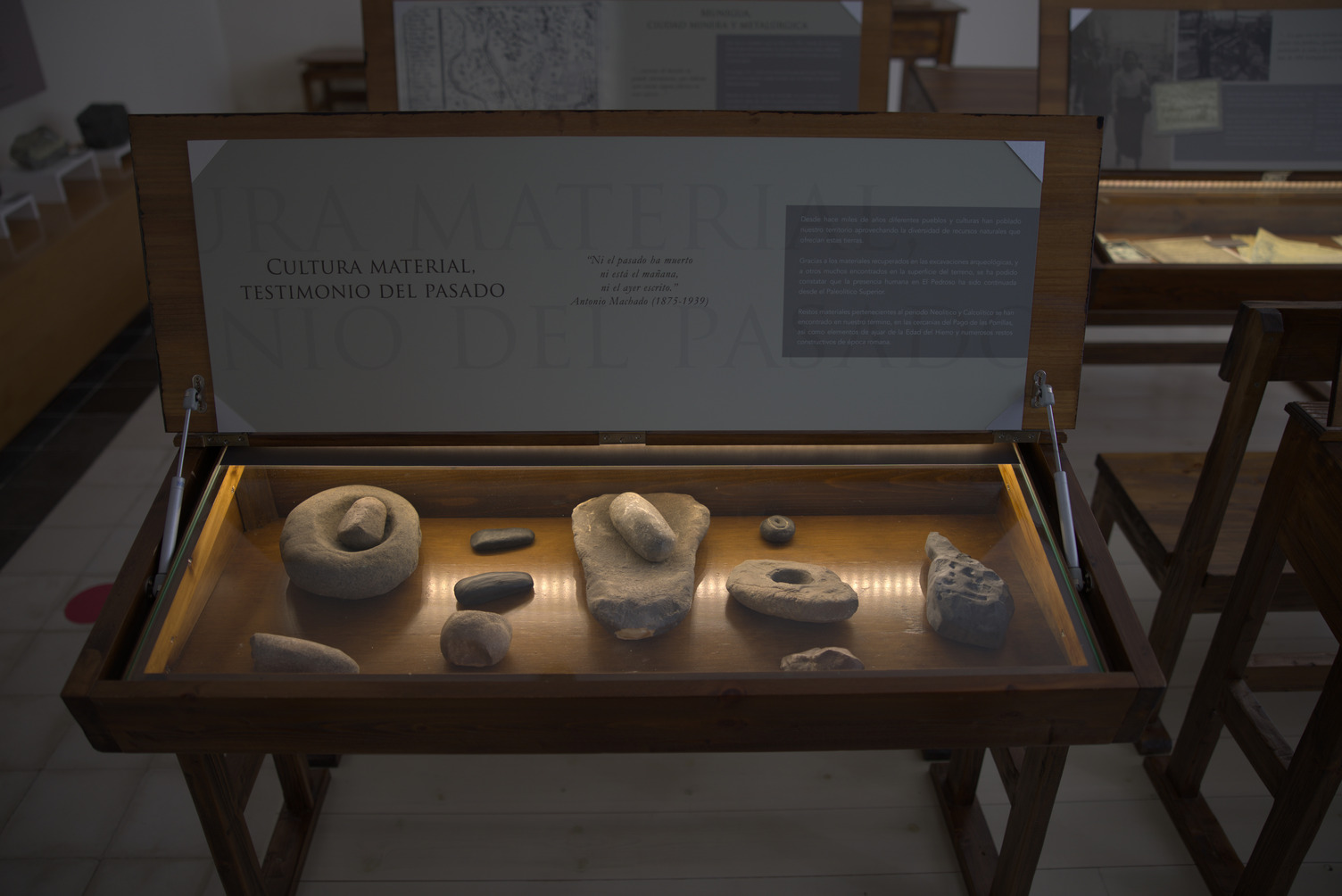
Escuelas Nuevas Culture Centre
The Escuelas Nuevas Culture Centre occupies the former school of El Pedroso, built in the 1930s and attributed to the architect Aurelio Gómez Millán. Today it houses different exhibition spaces dedicated to history, education, mining and local heritage, keeping alive the cultural and educational vocation with which the building was born.
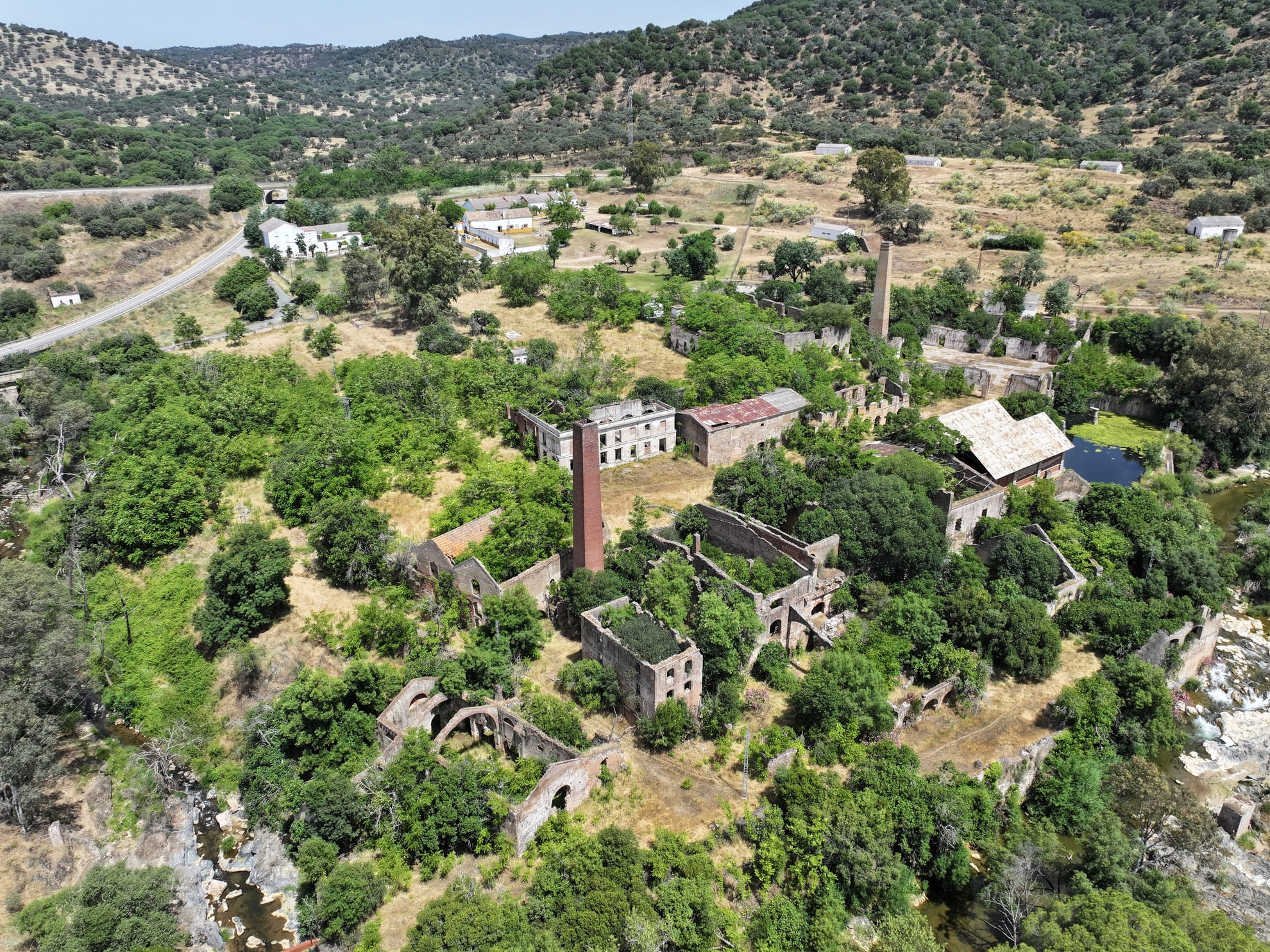
Estaciones del Huéznar Trail
The Sendero de las Estaciones del Huéznar makes it possible to discover one of the most singular landscapes of the Sierra Norte of Seville. The route follows the course of the Huéznar River between the former railway stations of El Pedroso and Cazalla-Constantina, crossing an environment where nature and industrial history coexist in an exceptional way.
Along the way, riverside forests, dehesas and pine forests follow one another, while the ruins of the former Iron Factory of El Pedroso recall the importance that this district reached during the industrialisation of the 19th century.
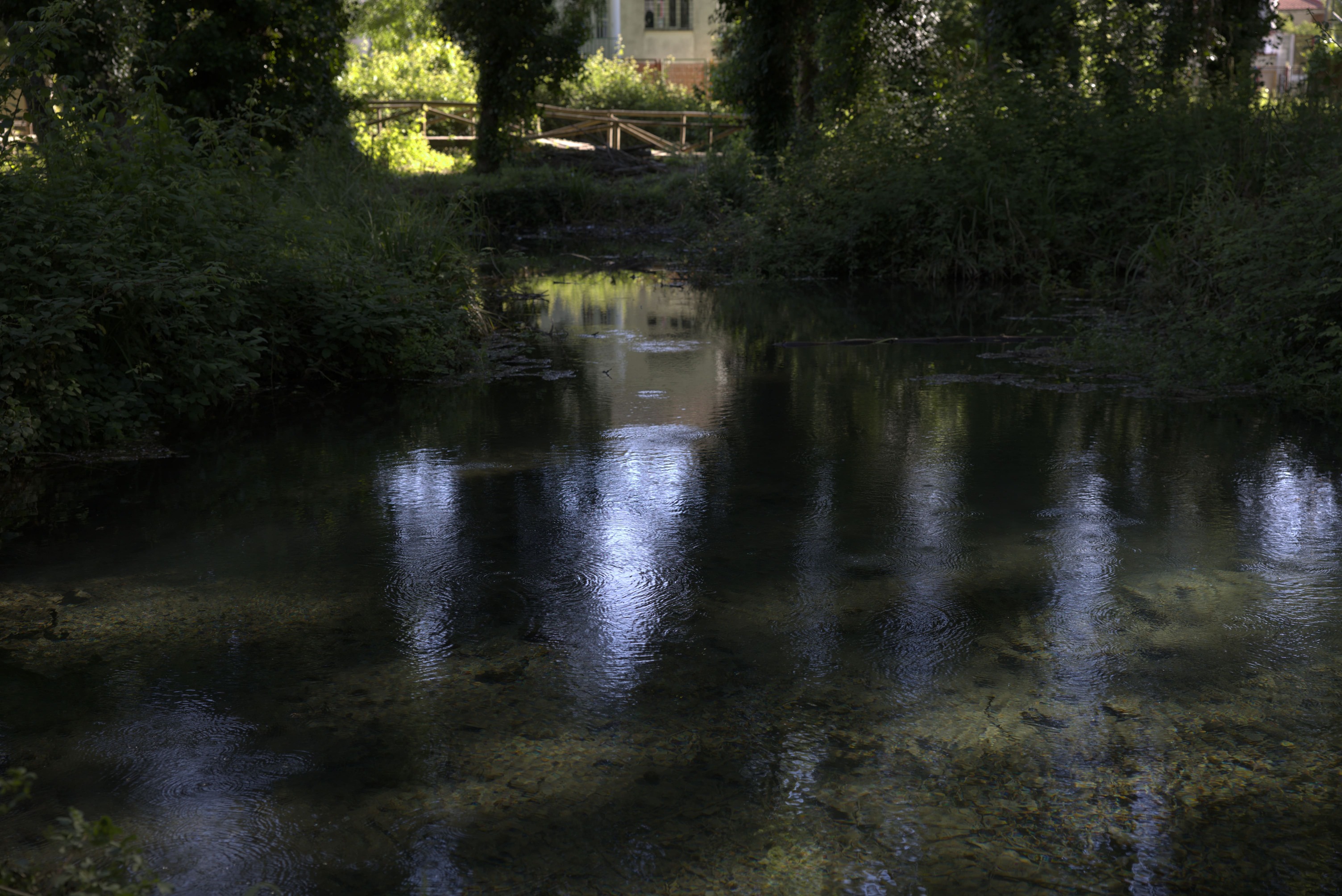
Source of the River Huéznar
The source of the River Huéznar is one of the most unique natural sites in the Sierra Norte de Sevilla. This spring gives rise to a river of crystal-clear waters that has shaped a landscape of great ecological value, characterised by its riverside forests, travertine formations and waterfalls.
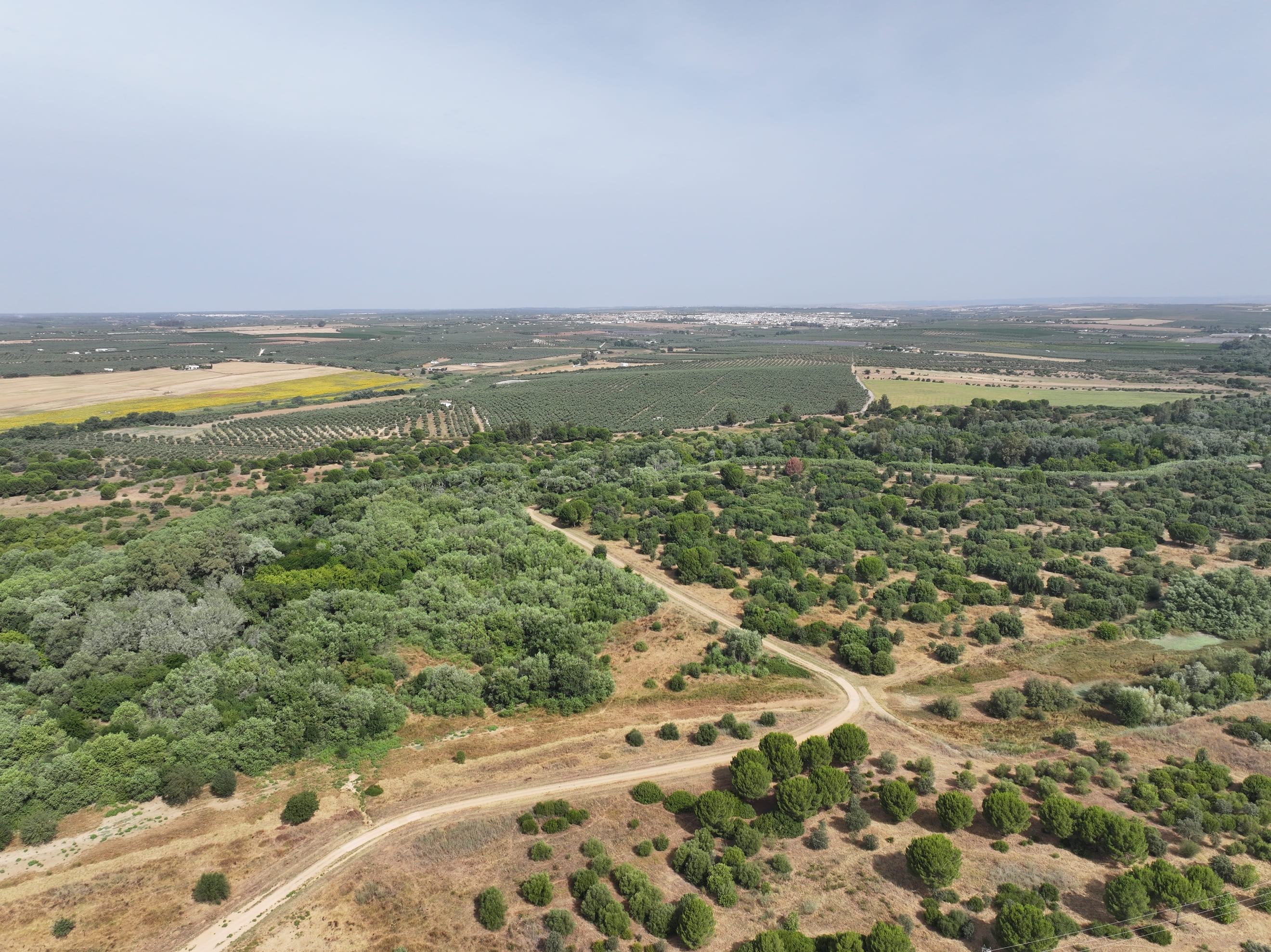
Natural Heritage
Aznalcázar occupies a privileged position between the Green Corridor of the Guadiamar and the Doñana Natural Area. The diversity of landscapes and ecosystems present in its municipal area turns this locality into one of the enclaves of greatest ecological value in the south of the peninsula.
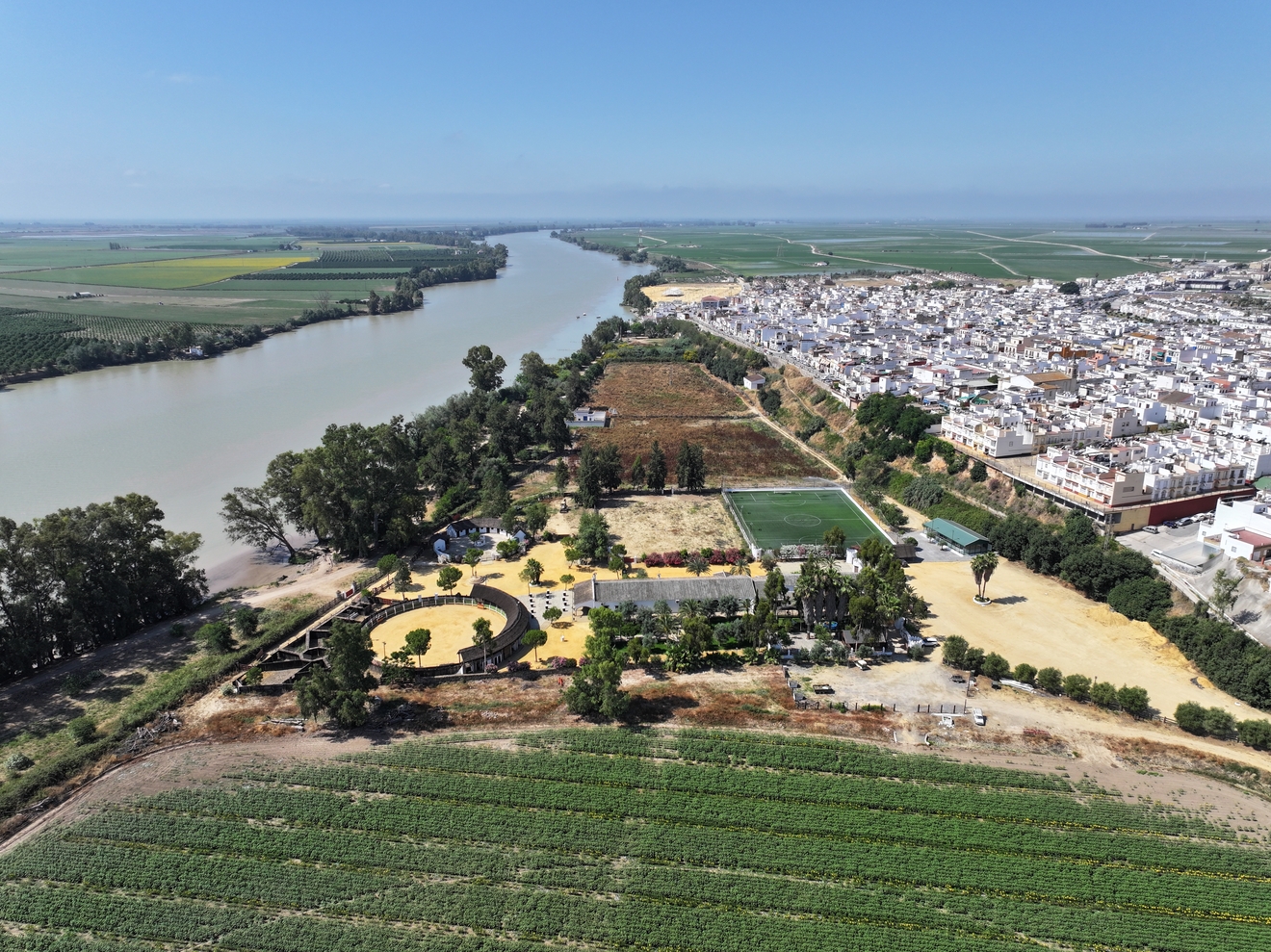
La Puebla del Río Virtual Viewpoint
Located in the heart of the Lower Guadalquivir, La Puebla del Río is a municipality where history, culture and nature have evolved in an inseparable way. Its close connection with the river and the marshes has given rise to its own identity, reflected in its heritage, its traditions and its way of understanding the territory.
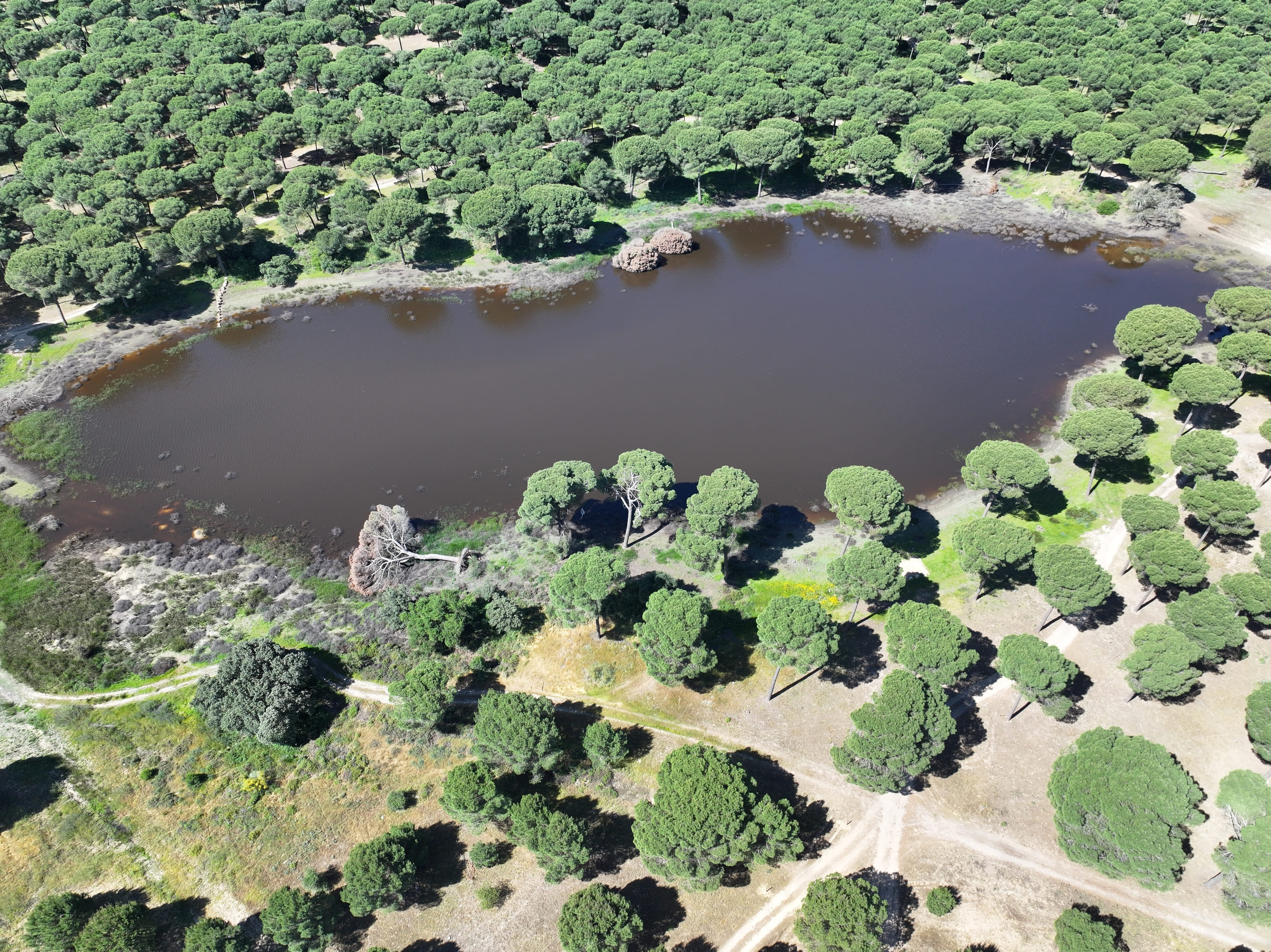
Villamanrique de la Condesa Natural Heritage
Villamanrique de la Condesa occupies a transitional space between the Aljarafe, the Sevillian countryside and the natural surroundings of Doñana. The close relationship between nature and human activity has shaped a landscape that still preserves a large part of its ecological and cultural values.