
- Home
- Interest Points
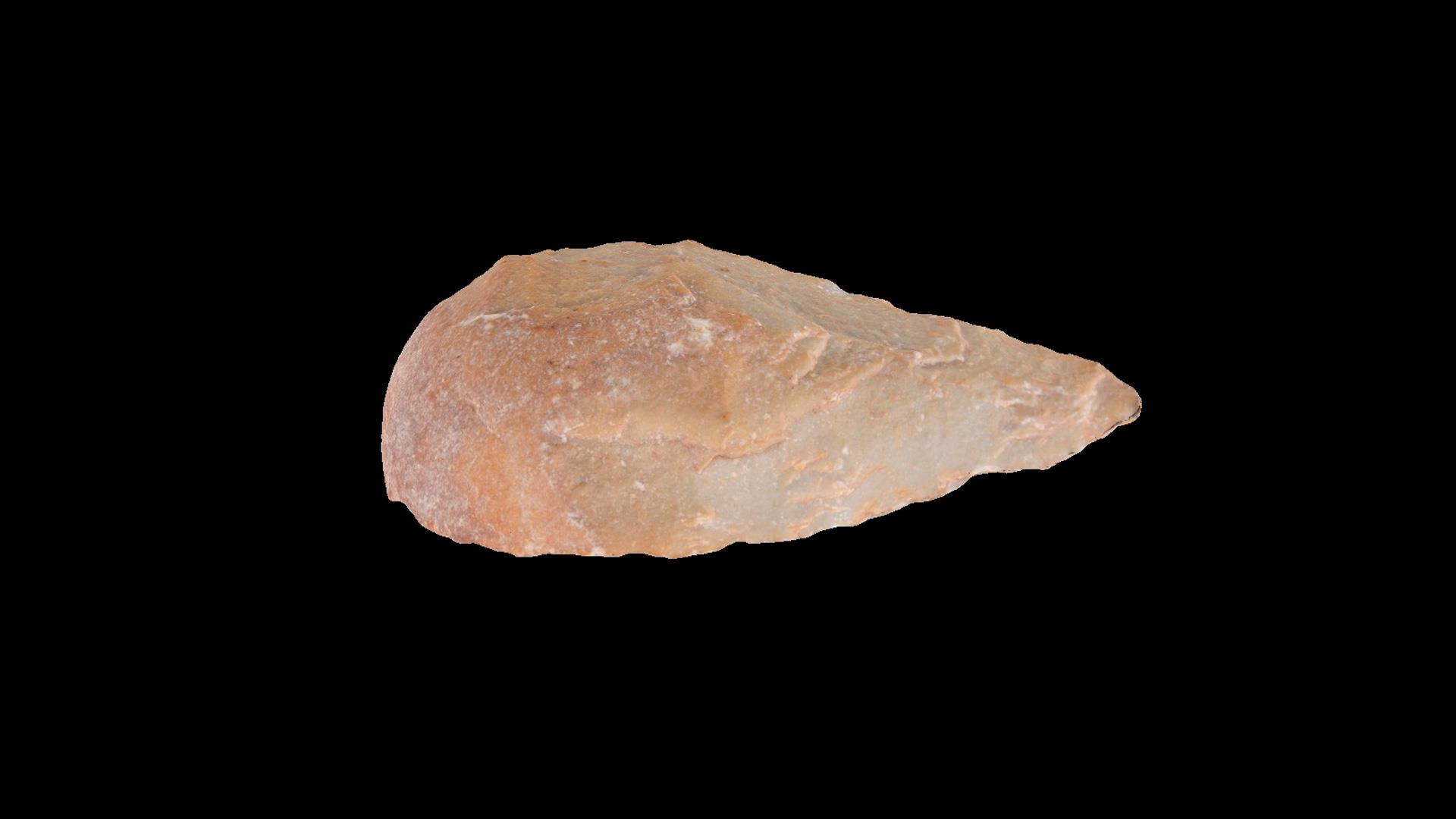
Museum of the City of Carmona
The Museum of the City of Carmona offers a journey through the history of the town, from the first settlements in the Palaeolithic period to medieval times, with an outstanding collection of archaeological remains and works of art. Housed in the Casa Palacio del Marqués de las Torres, the building is an example of 16th and 18th century Sevillian architecture.
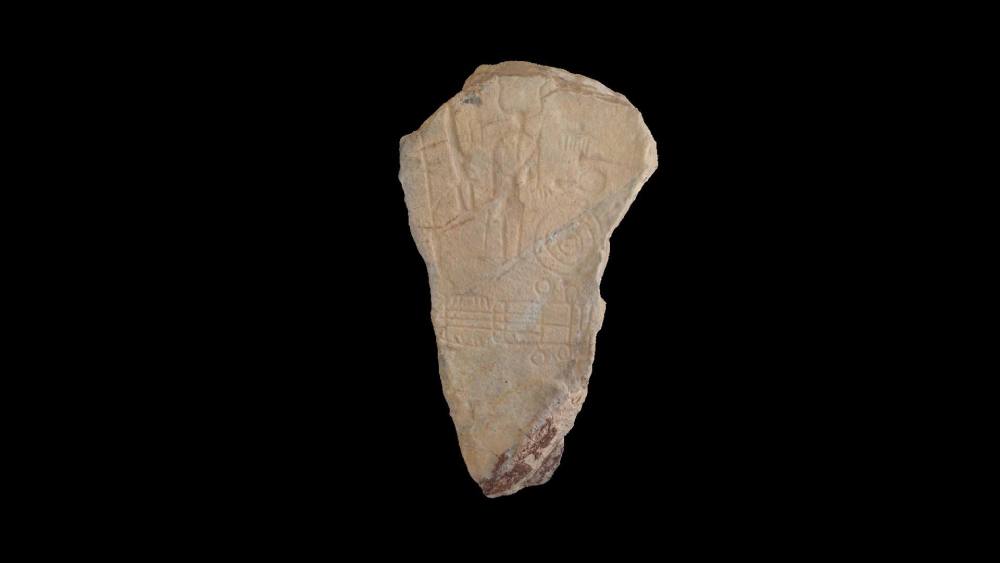
Museo Histórico Municipal de Écija
The Municipal Historical Museum of Ecija, located in the Benamejí Palace, offers a journey through the history of the city, from Prehistoric times to the Modern Age, highlighting its Roman and Andalusian past. Among its most important pieces are the Wounded Amazon and a rich collection of mosaics and archaeological artefacts that reflect the importance of Ecija in the Roman province of Baetica.
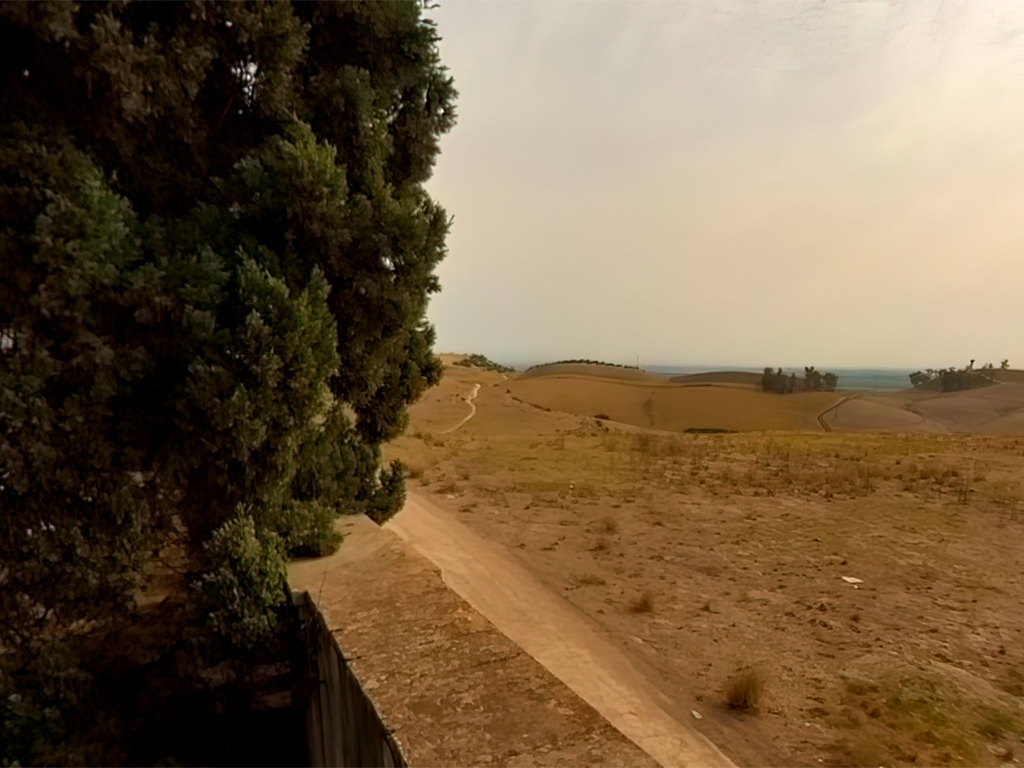
Jardines de Forestier
The Forestier Gardens are located at one of the highest points in the Aljarafe area of Seville. They are the last gardens designed and created outside France by Jean Claude Nicolas de Forestier.
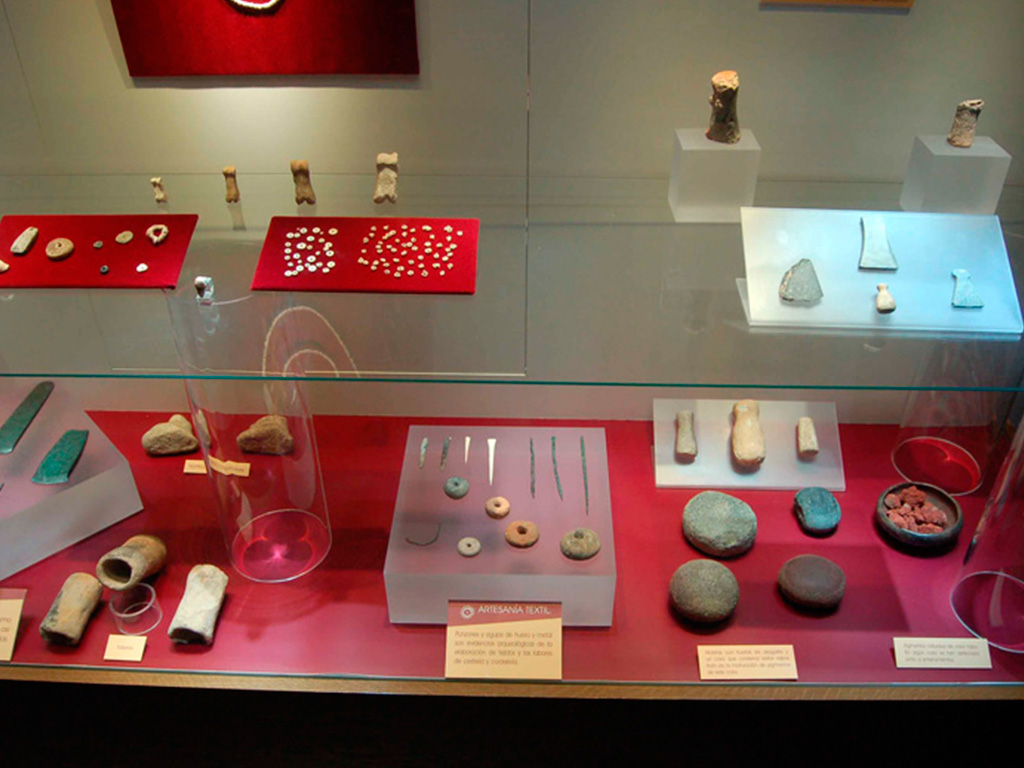
Museo de Valencina de la Concepción
The Museum of Valencina de la Concepción is dedicated to the dissemination of the great and interesting heritage found in this great prehistoric site. Here we can find pieces of incalculable value.
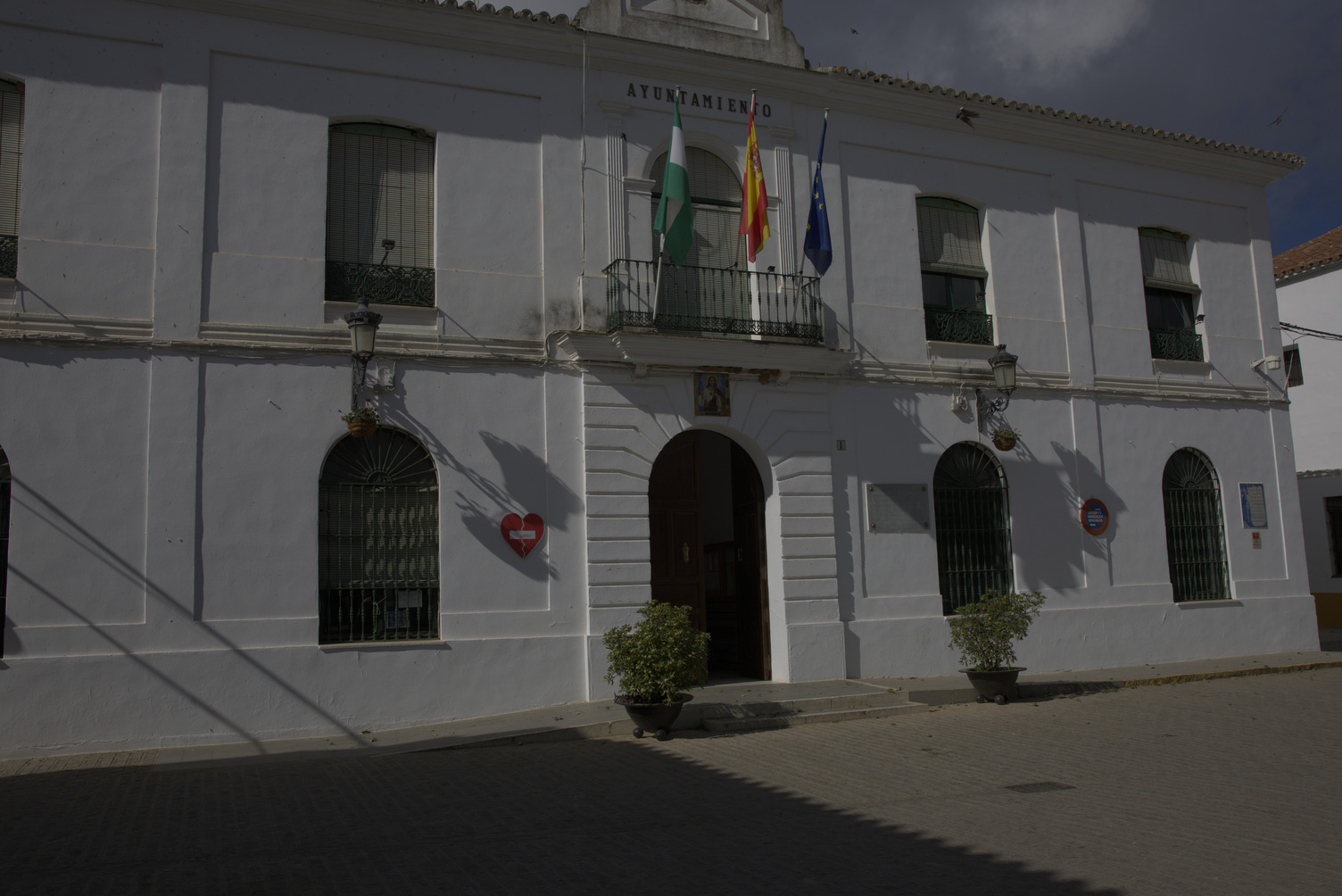
Heritage, History and Cultural Landscape
Situated between the Sierras del Viento and del Agua, in the far north of the province of Seville, Guadalcanal preserves a rich architectural heritage, the result of its historical significance and the prosperity it has enjoyed over the centuries. Its town layout, dominated by notable religious and civil buildings, together with the chapels scattered throughout the area, offers a journey through the town’s history in a setting of great scenic beauty.
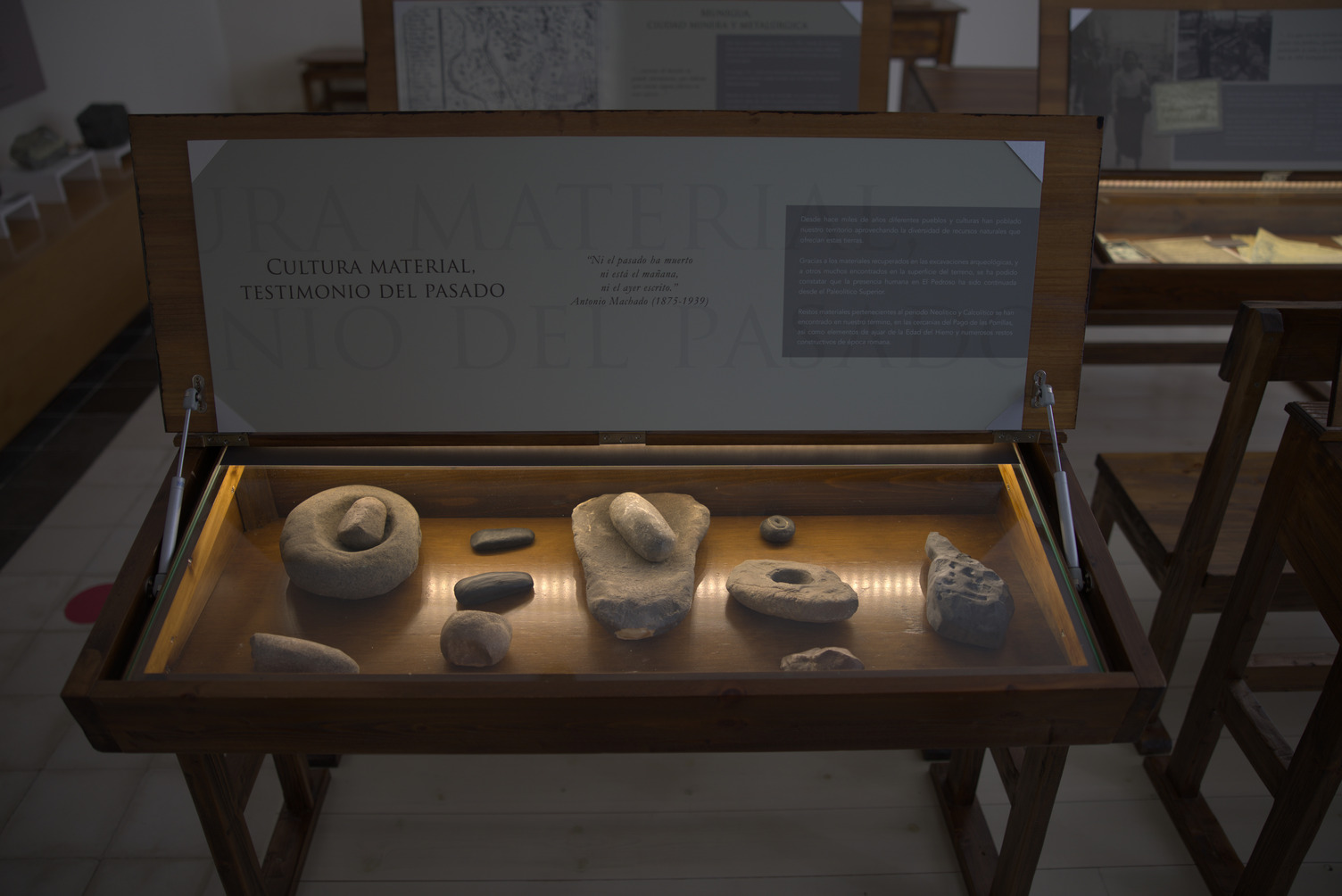
Escuelas Nuevas Culture Centre
The Escuelas Nuevas Culture Centre occupies the former school of El Pedroso, built in the 1930s and attributed to the architect Aurelio Gómez Millán. Today it houses different exhibition spaces dedicated to history, education, mining and local heritage, keeping alive the cultural and educational vocation with which the building was born.
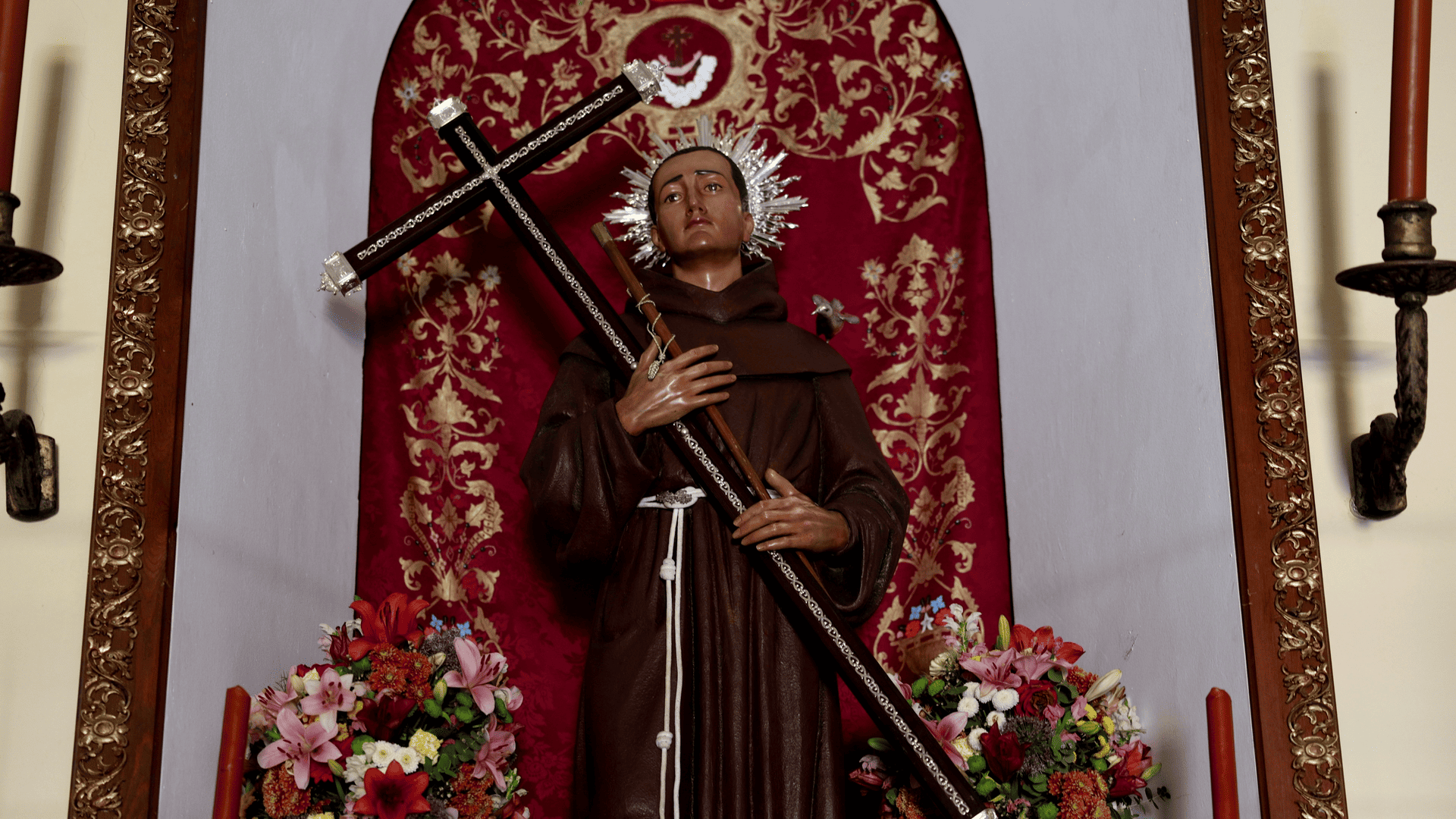
The Life of Saint Diego de Alcalá
The Chapel of San Diego and the centuries-old holm oak associated with the saint are among the most iconic landmarks in San Nicolás del Puerto. This site preserves the memory of the most renowned Franciscan born in the town and one of the most deeply-rooted traditions of the Sierra Norte de Sevilla.
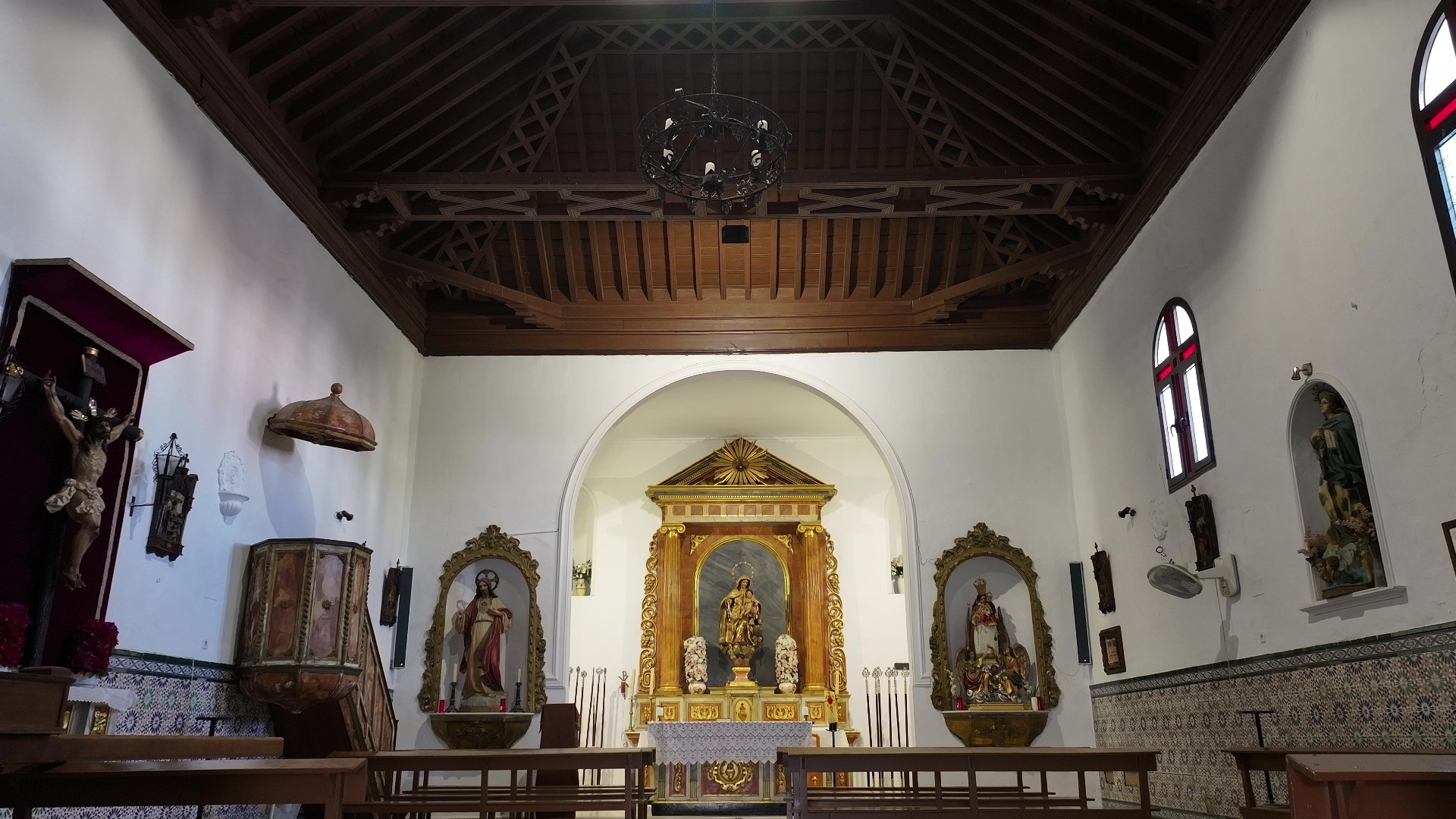
Historical and artistic heritage of Isla Mayor
Isla Mayor is a municipality located in the marshes of the Guadalquivir, whose development has been linked to the transformation of this territory and to the cultivation of rice. Its history is relatively recent and constitutes a good example of how human intervention modified one of the most characteristic landscapes of the surroundings of Doñana.
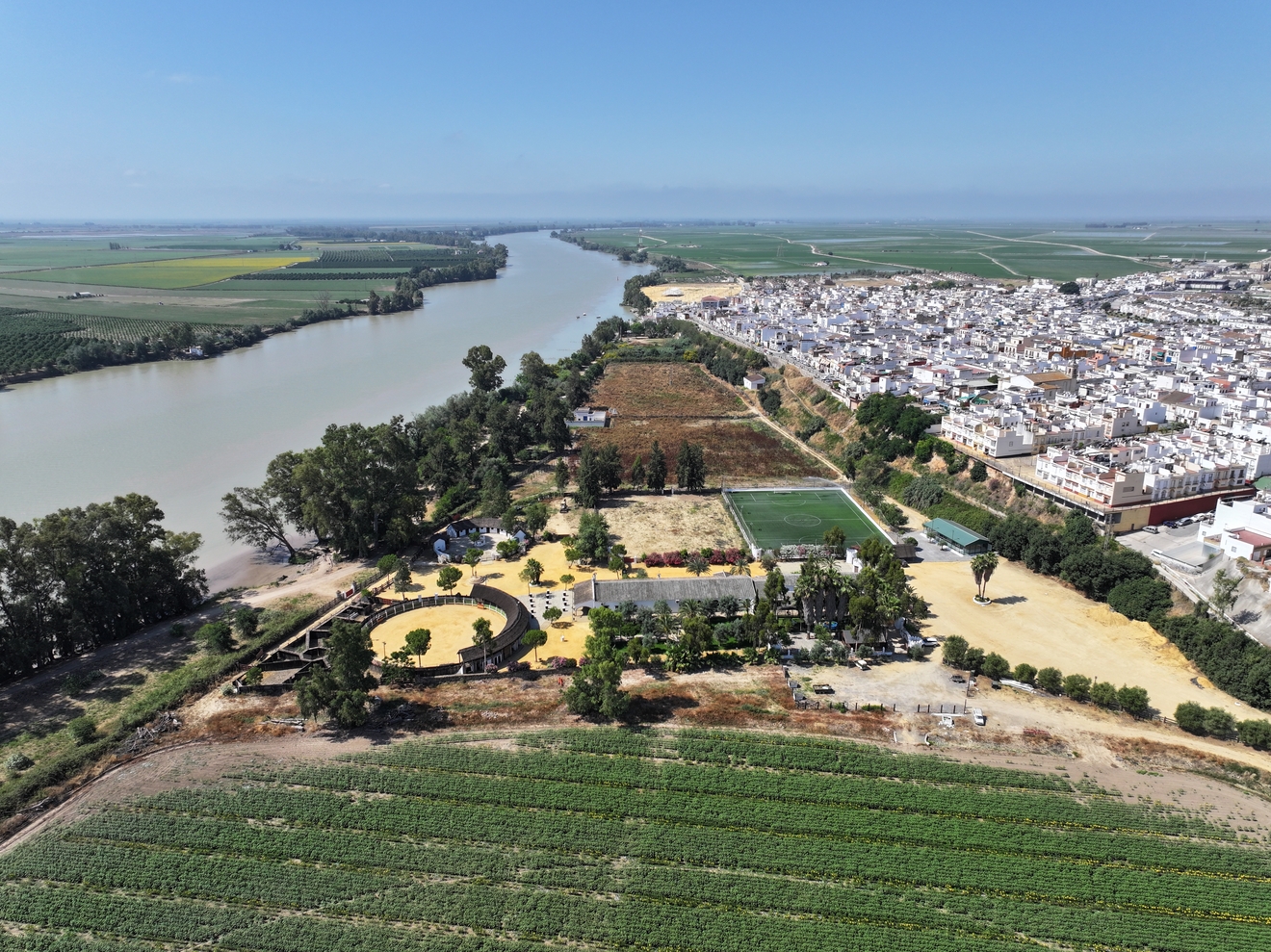
La Puebla del Río Virtual Viewpoint
Located in the heart of the Lower Guadalquivir, La Puebla del Río is a municipality where history, culture and nature have evolved in an inseparable way. Its close connection with the river and the marshes has given rise to its own identity, reflected in its heritage, its traditions and its way of understanding the territory.
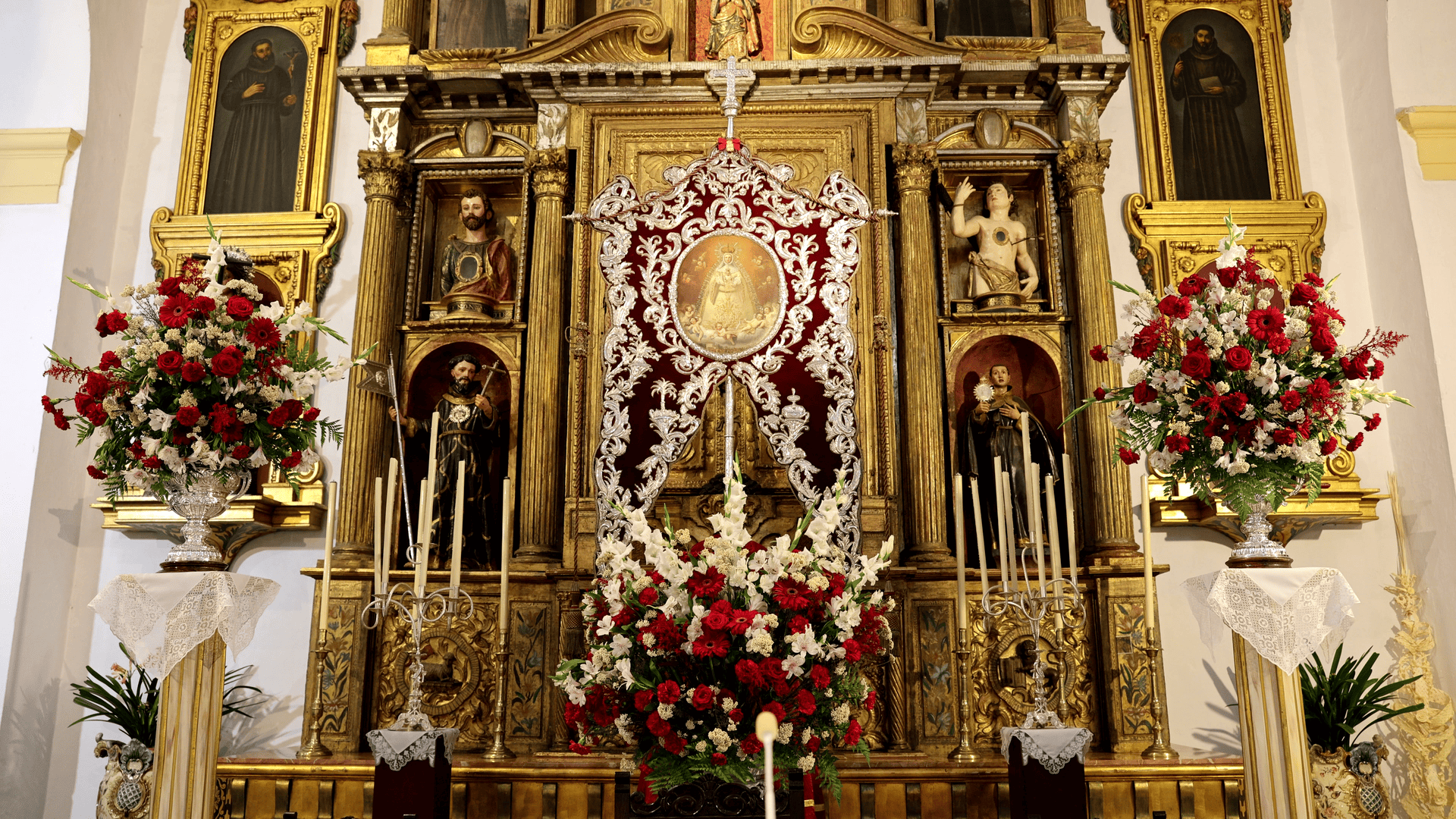
Historical and Artistic Heritage of Villamanrique de la Condesa
Villamanrique de la Condesa preserves a valuable heritage ensemble in which architecture, tradition and history form a single reality. Its streets reflect the close relationship between the municipality and the Way of El Rocío, while buildings such as the church of Santa María Magdalena, the Royal Palace or the Ethnographic Interpretation Centre make it possible to understand the historical and cultural evolution of the locality.