
- Home
- Interest Points
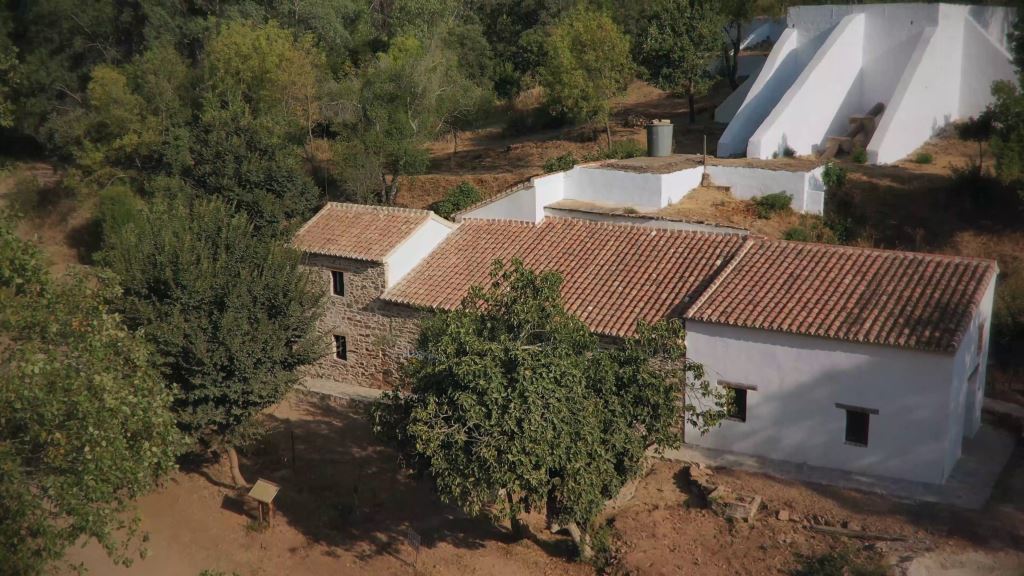
Molino del Francés
The Molino del Francés is part of the Route of the Ciudadeja Mills, a route that shows the remains of old mills and a landscape that is characteristic of the Sierra Morena in Seville. Although some of the mills in the area have fallen into disrepair, this one has been restored by the Town Council and today its structure allows us to appreciate a complete view of the area's industrial past.
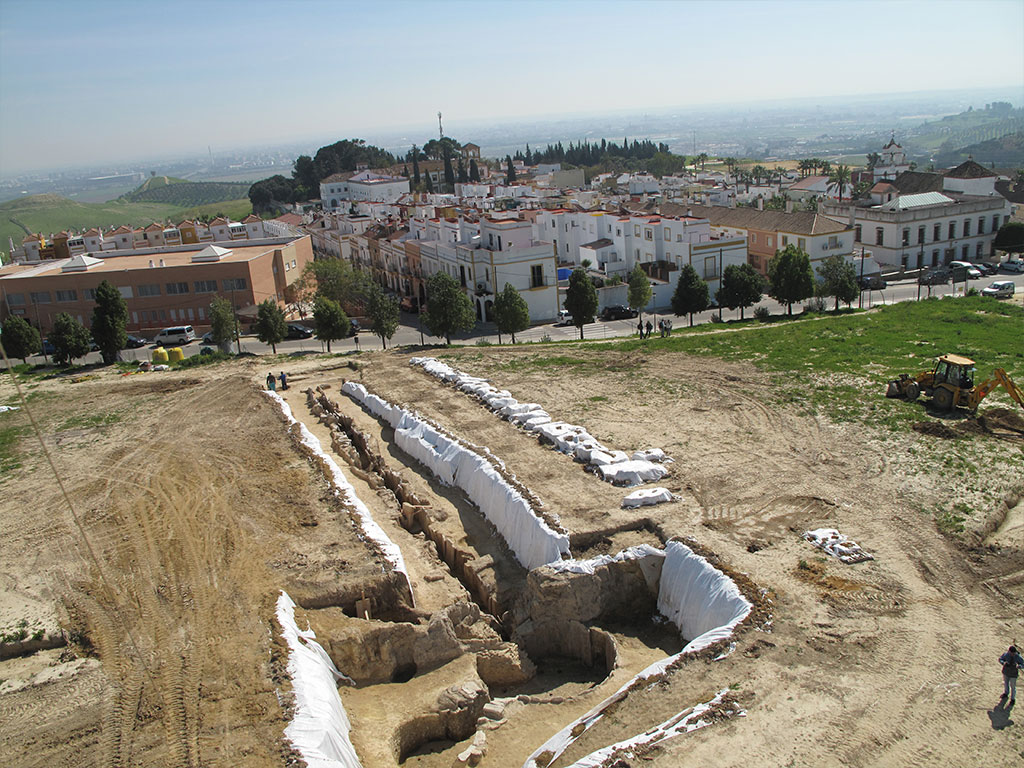
Dolmen de Montelirio
The Montelirio Dolmen is a prehistoric funerary monument consisting of a long underground corridor and two circular chambers linked by a short corridor. Twenty-six burials have been found there.
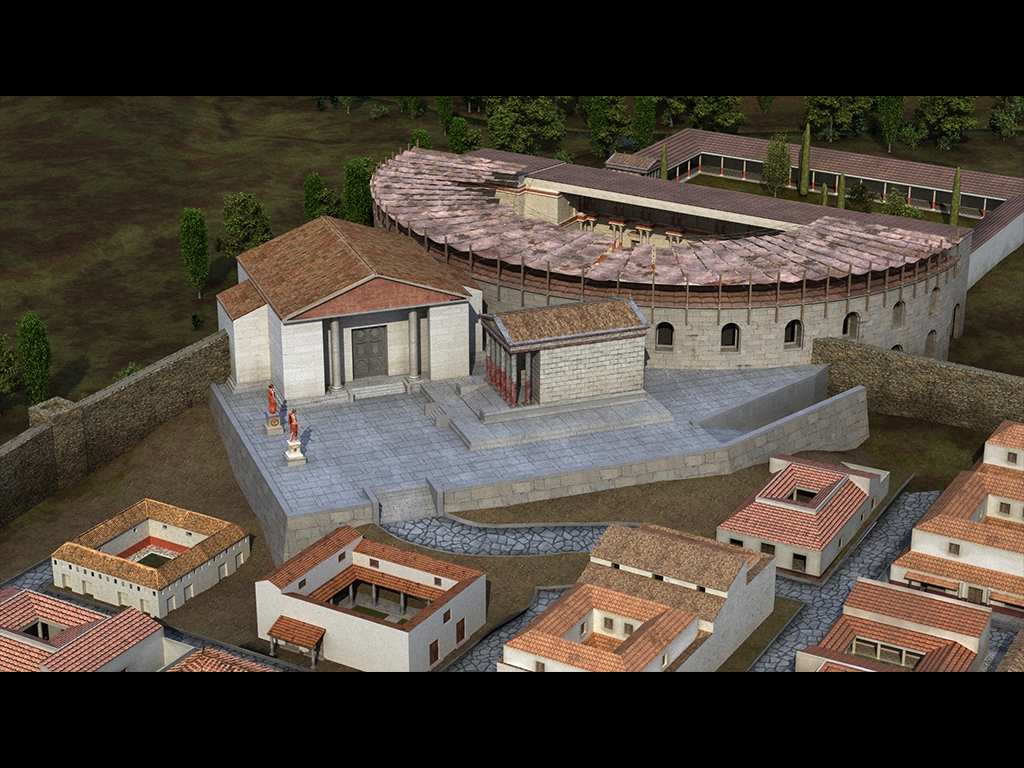
Vetus Urbs (ciudad antigua de Itálica)
The Itálica Archaeological Site of Cultural Interest Zona Arqueológica Itálica is a Roman settlement from the 3rd century BC divided into two areas: the Vetus Urbs (located under the village of Santiponce) and the Nova Urbs (visitable area of the site).
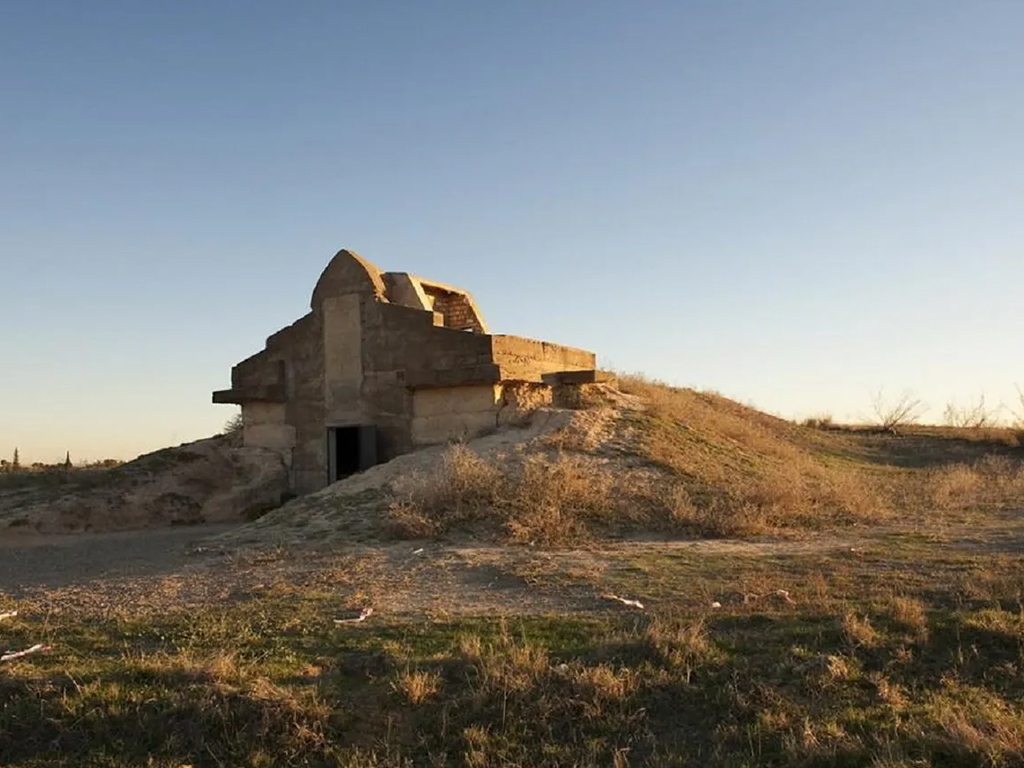
Dolmen of the Pastora
The dolmen of La Pastora is the most important construction in the Chalcolithic archaeological site of Valencia de la Concepción.
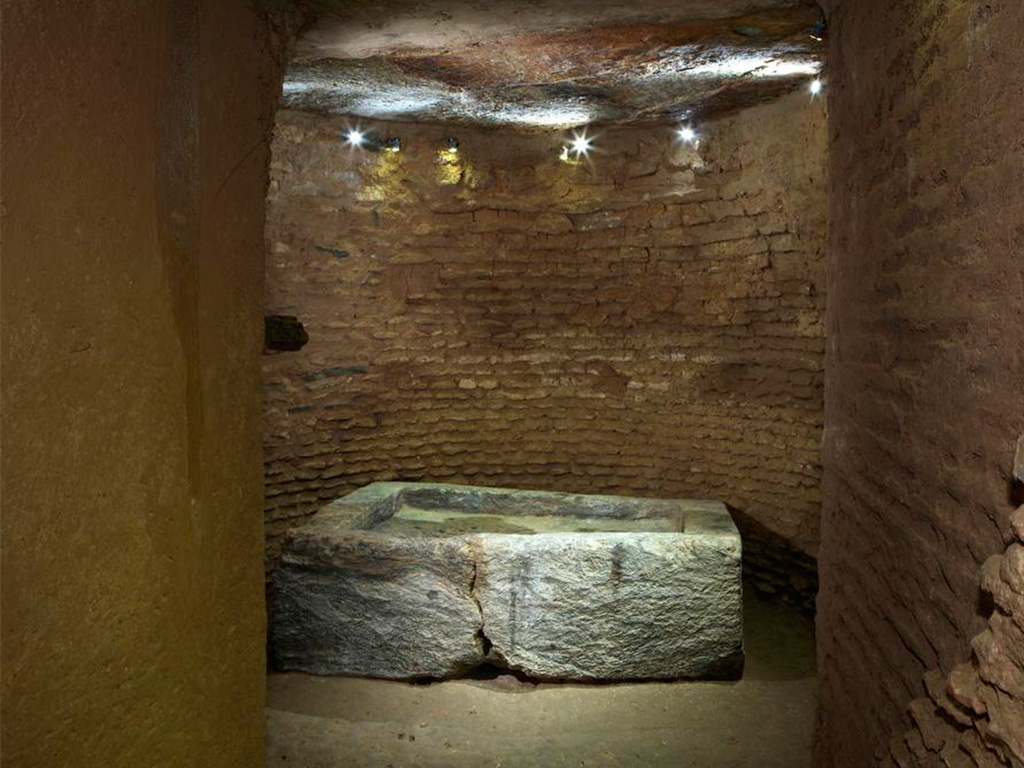
Dolmen de Matarrubilla
The dolmen of Matarrubilla is one of the most spectacular tombs in the area, although its burial mound has yet to be explored. It dates from the beginning of the 3rd millennium BC to the middle of the 2nd millennium BC.
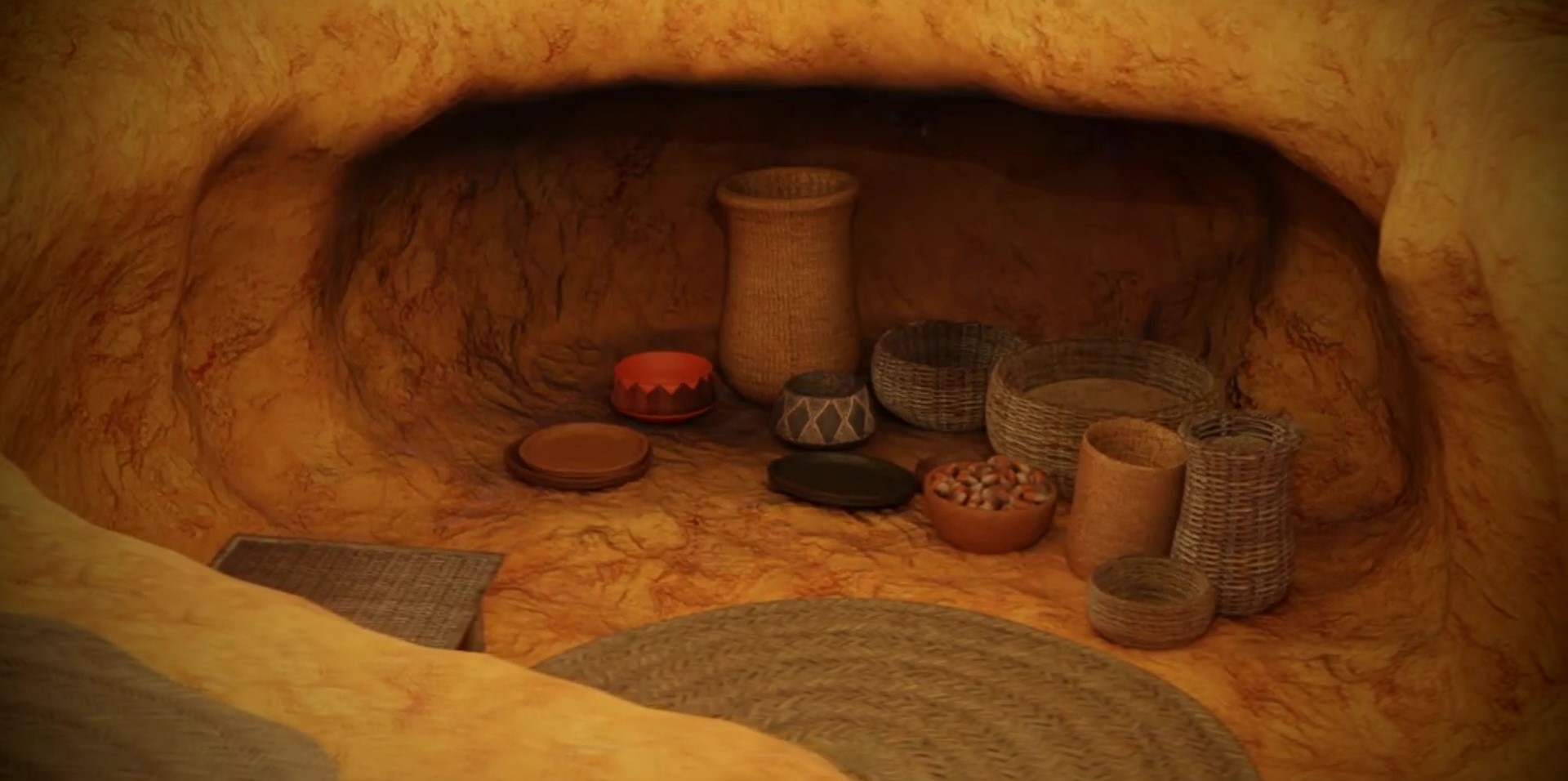
Área adyacente de la Pastora
The area adjacent to the dolmen of La Pastora is one of the main focal points of megalithism on the Iberian Peninsula due to the constructions of the primitive settlement and the monumental funerary constructions.
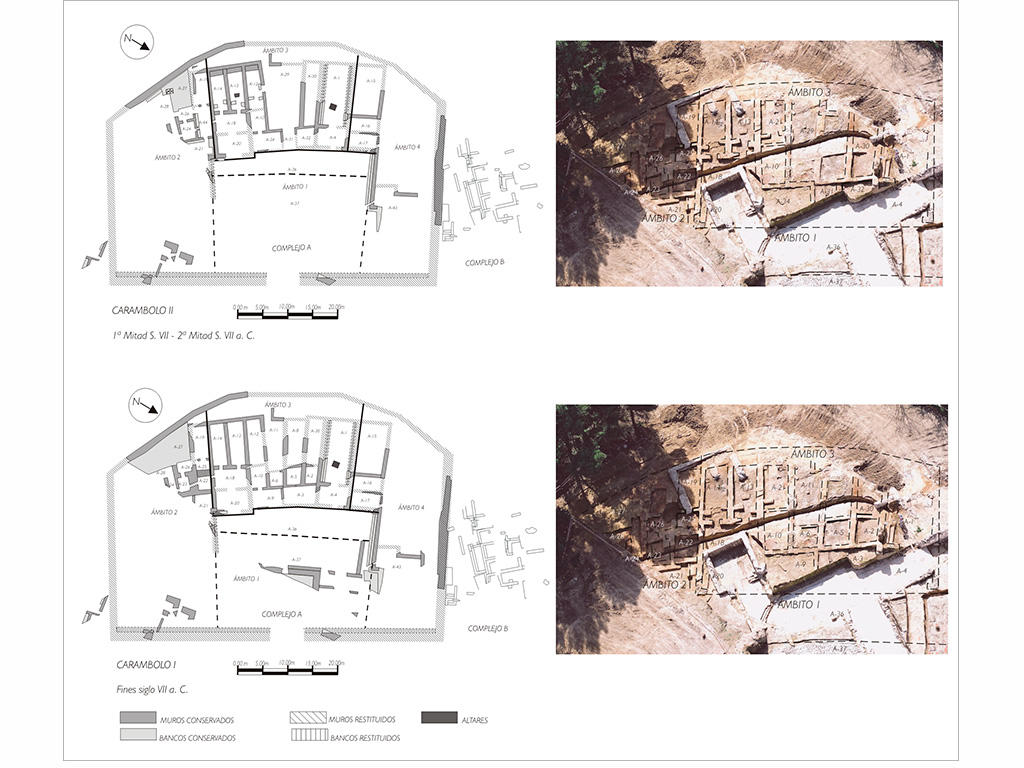
Santuario de El Carambolo
Iron Age sanctuary located on the Cerro de El Carambolo.
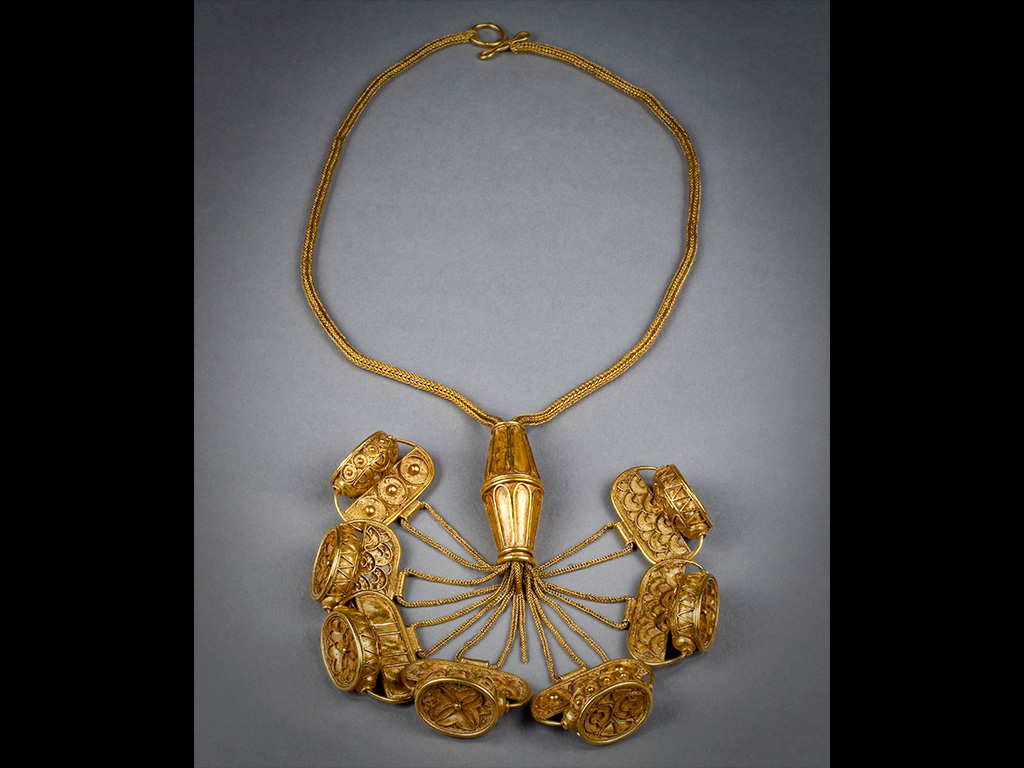
Tesoro de El Carambolo
A set of 21 pieces of protohistoric jewellery found inside a large ceramic vessel at Cerro de El Carambolo.
La Traviesa Estate and Necropolis
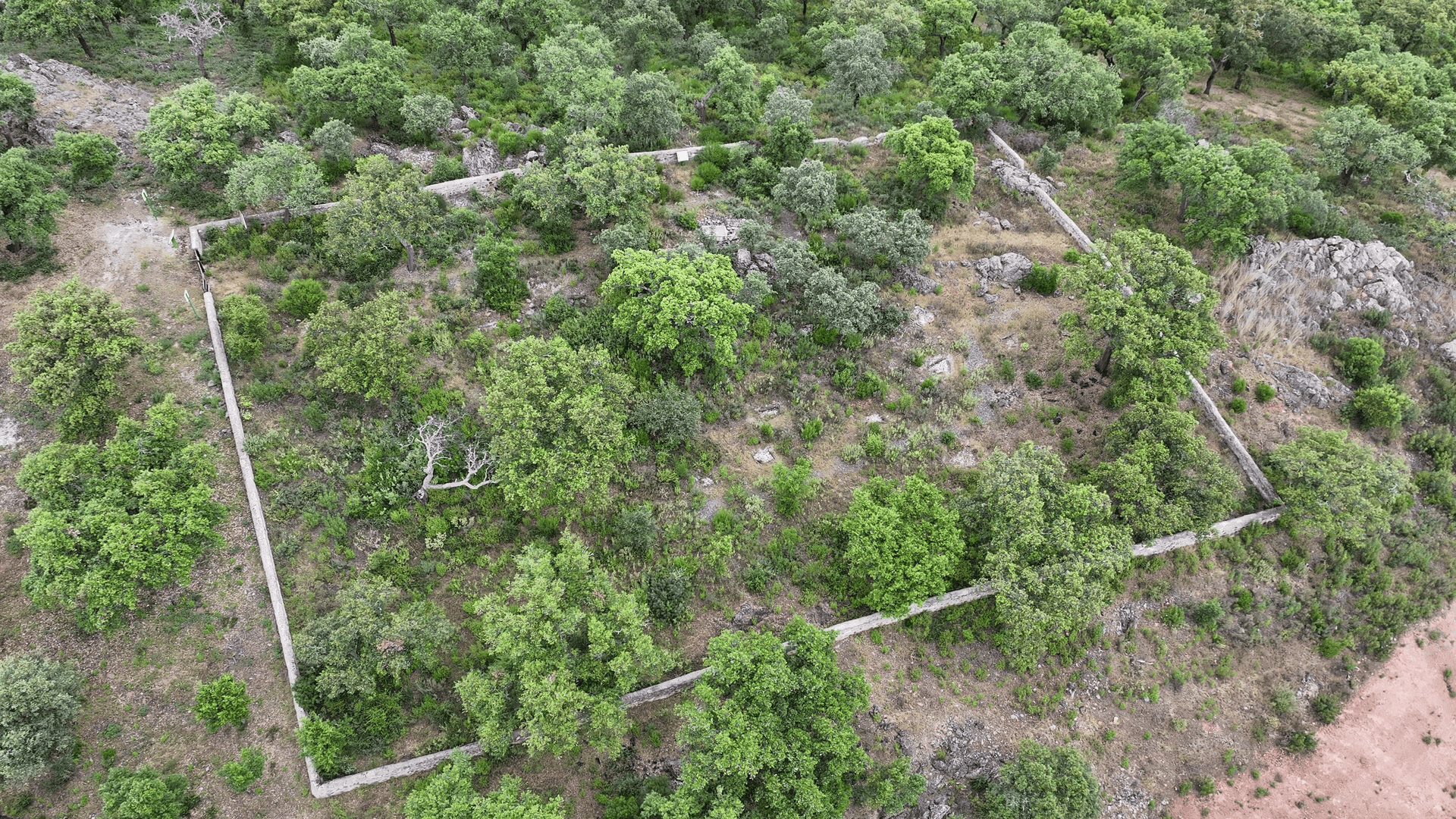
The La Traviesa public estate, situated in the Sierra Norte de Sevilla Natural Park, boasts outstanding natural and historical features. In addition to its landscape of pastureland and Mediterranean woodland, its network of footpaths, its recreational area and the Mirador de La Traviesa Astronomical Observatory, it is home to one of the most significant prehistoric burial sites in the south-west of the Iberian Peninsula and a key source of information about the communities that inhabited these mountains during the 2nd millennium BCE: the La Traviesa necropolis.
Warrior Stela, Montejícar-Type Halberd and Ceramic Vessel
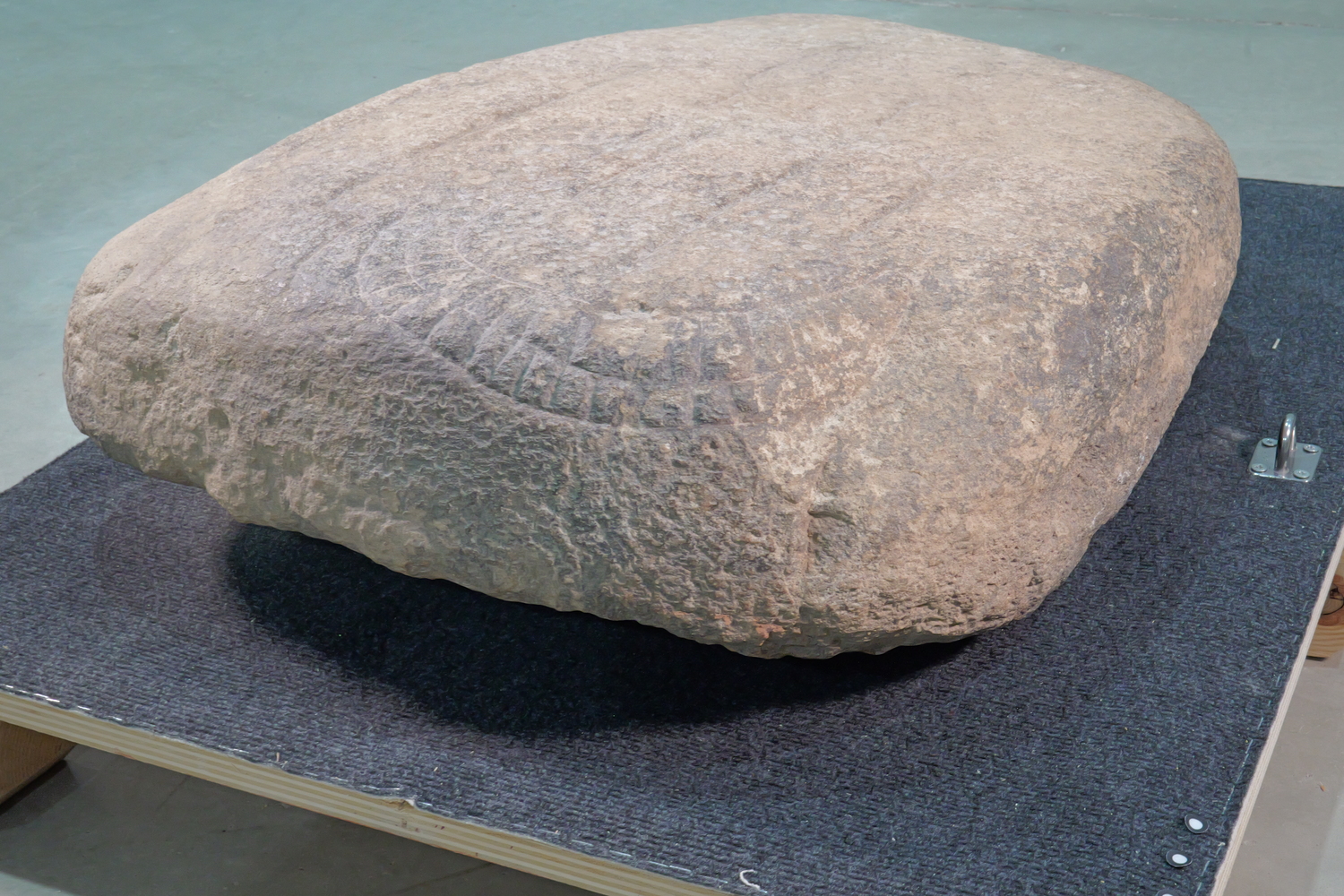
The rich archaeological history of Almadén de la Plata has left us an outstanding collection of pieces that make it possible to learn about the communities that inhabited this territory between the 2nd and 1st millennia BC. Among them are the Montejícar-type halberd from cist 5 and the ceramic vessel from cist 20, both recovered during the excavations of the La Traviesa necropolis and dated to the Bronze Age (2nd millennium BC). Alongside these materials, the Almadén Stele 2 stands out, an exceptional decorated stele from the Late Bronze Age (9th–8th centuries BC), discovered on the Dehesa del Viar estate. Taken together, these finds constitute valuable evidence of the beliefs, funerary rituals and social organisation of the communities that inhabited the Sevillian Sierra Morena between the Bronze Age and the beginnings of Protohistory.
Turdetan Treasure
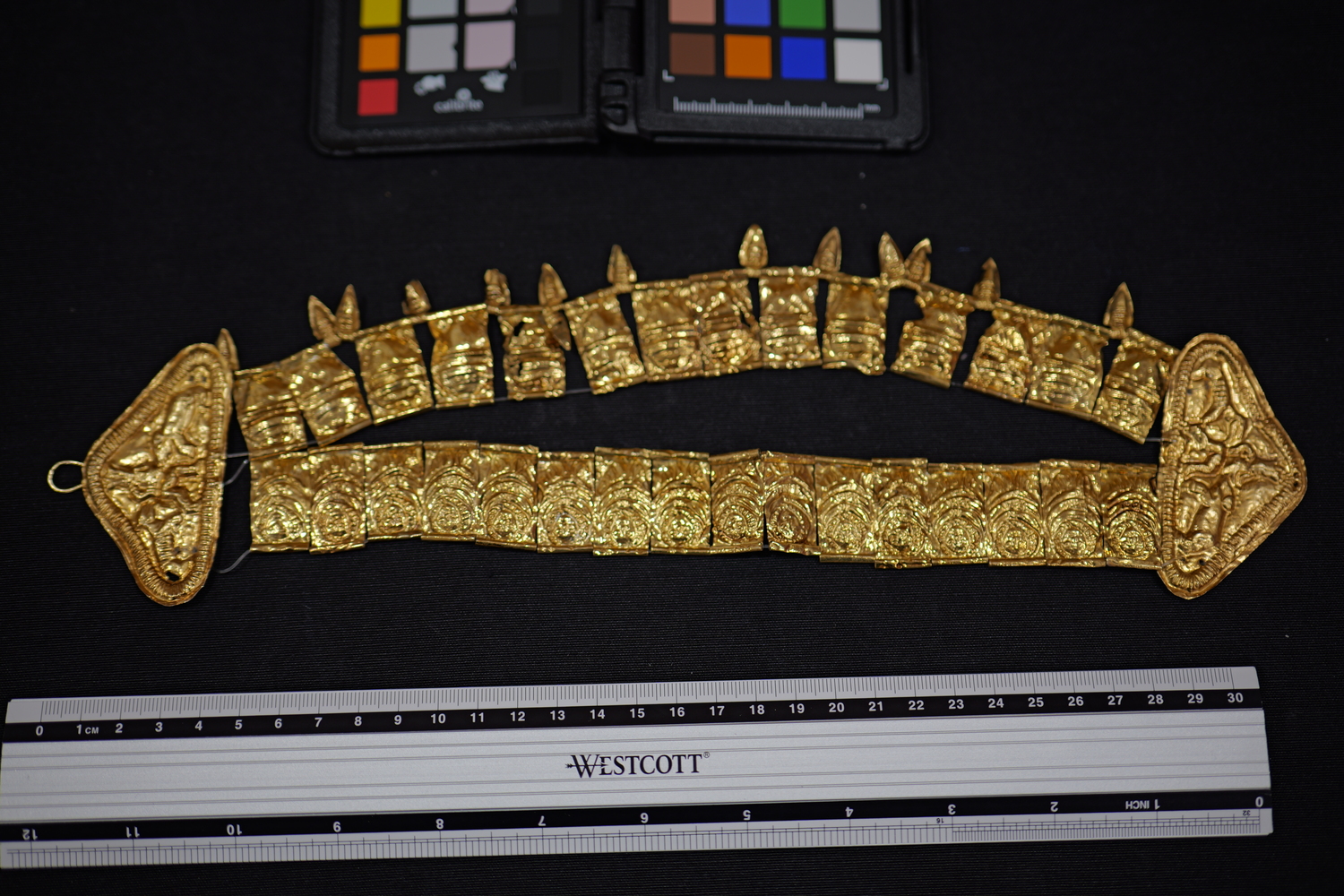
The Treasure of La Puebla de los Infantes constitutes one of the most outstanding sets of Iberian goldwork preserved in Andalusia. Its pieces, made of gold during the 3rd century BC, reflect the high technical level reached by the workshops of the period and the importance that this territory had in the final moments of Iberian culture.