
- Home
- Interest Points
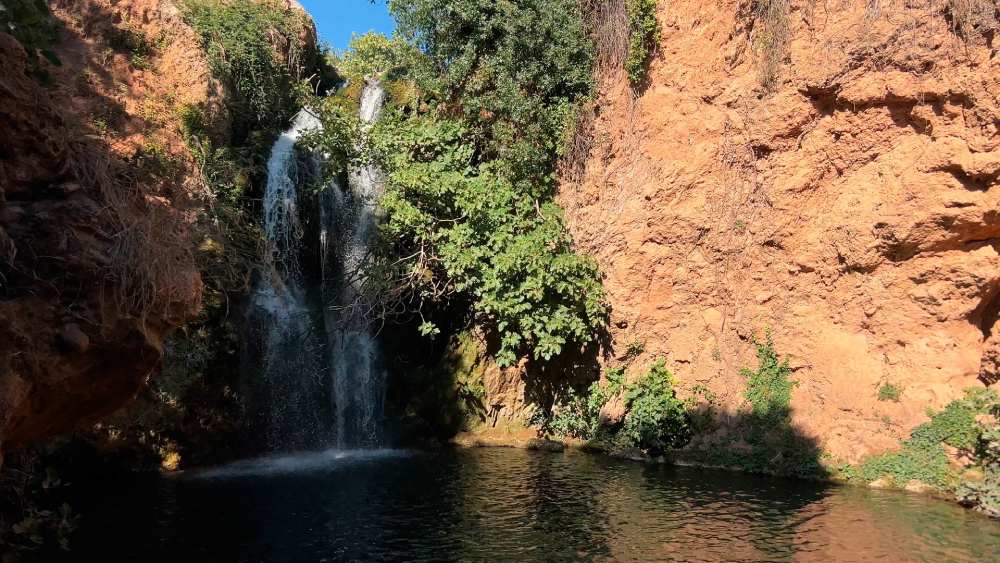
Huéznar Falls
In the heart of the Sierra Norte of Seville, the Huéznar River cascades down in impressive waterfalls that form the Cascades de Huéznar.
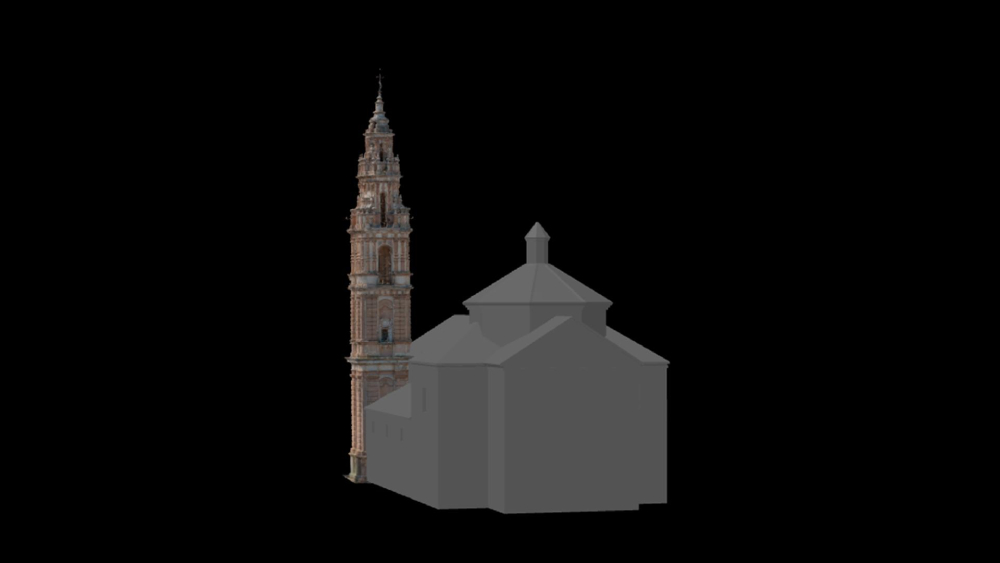
Old church of Nuestra Señora de la Victoria
The church of La Victoria de Estepa was part of the convent of the Padres Mínimos. Partially demolished, it still conserves parts of the wall and the tower. Also the doorway, which is located in another church in the town.
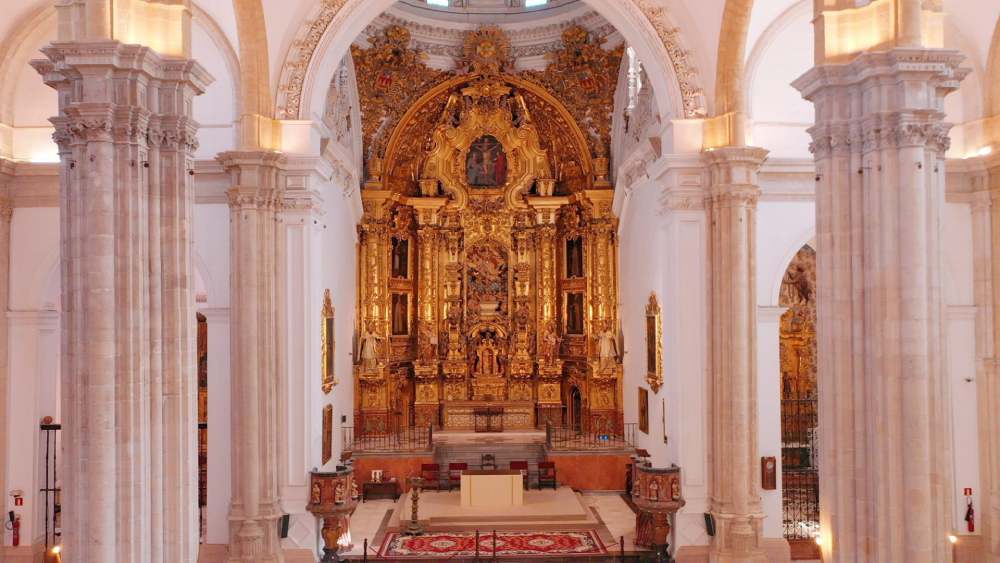
Colegiata de Osuna
The Collegiate Church of Santa María de la Asunción de Osuna, founded in 1526, is a Renaissance temple with a rectangular floor plan and three naves, with a bell tower that was rebuilt after a lightning strike in 1918. Inside, there are chapels with ribbed vaults and a presbytery with a dome added in the 18th century. It houses the Ducal Pantheon, a Plateresque style complex that includes chapels and rooms, transformed in the 20th century by the architect Jacomo Gali.
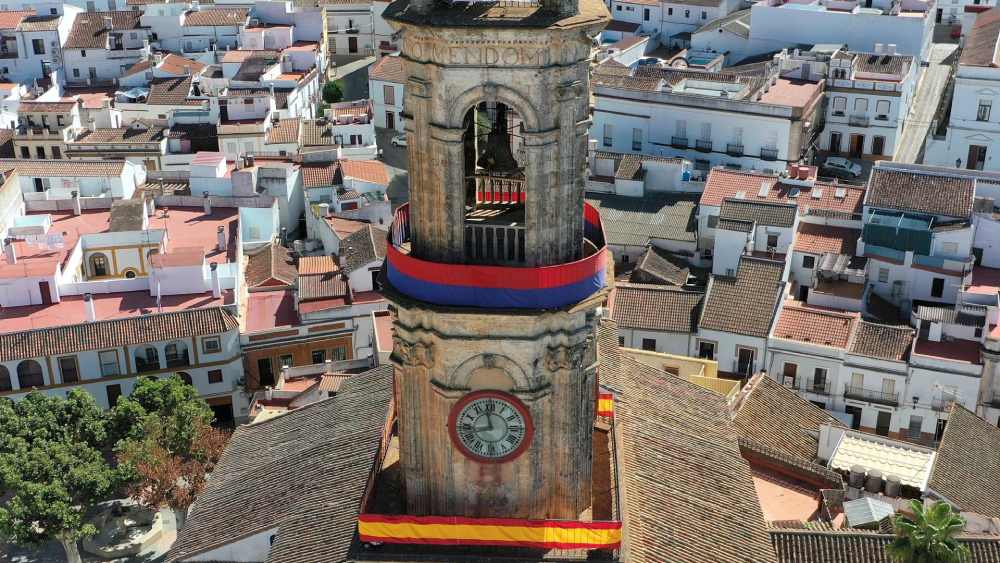
Santa María Encarnación Parish Church
In the Plaza del Llano stands the parish church of Santa María de la Encarnación, which, ennobled by its tower-façade, is the most important church in the centre of Constantina,
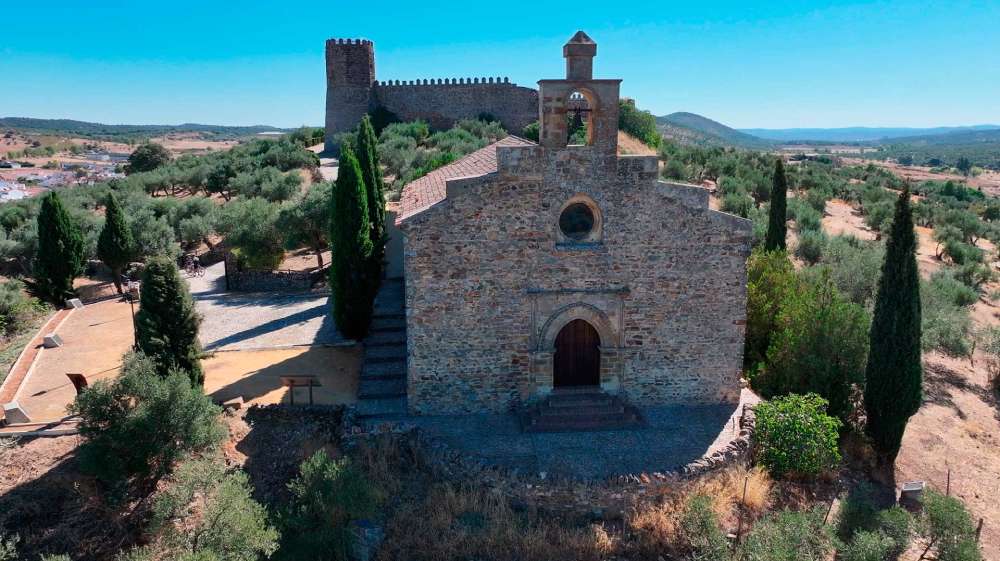
Hermitage of San Juan Bautista
The Hermitage of San Juan, located on the hill of the castle of Alanís, was probably the first parish church in the town, with architecture dating from the 14th or 15th century. This Mudejar building with a single nave and decorated doorways housed sculptures and a mural of the Baptism of Christ, although many pieces disappeared in 1936. After its deterioration at the end of the 20th century, it was refurbished and is now used for civilian purposes.
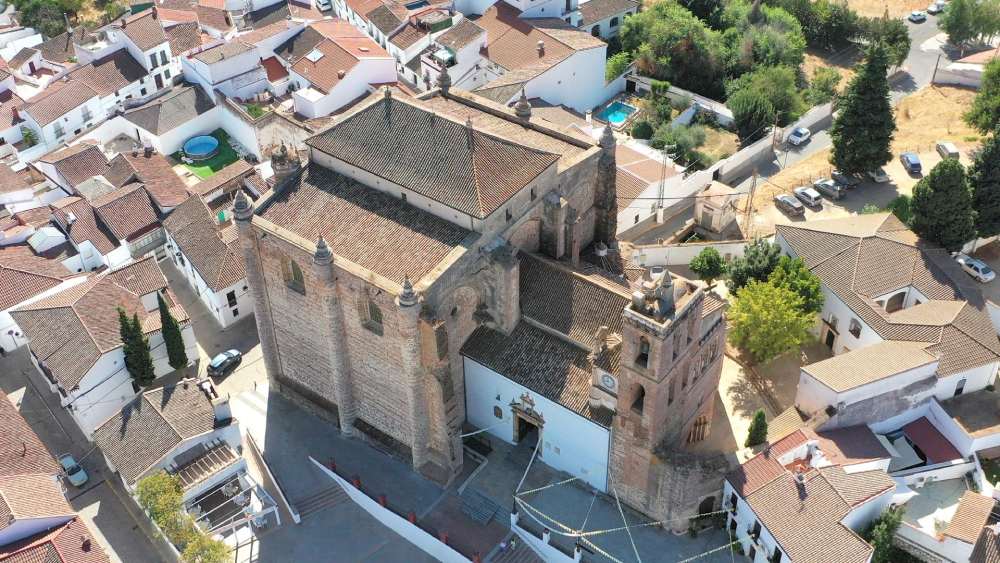
Church of Nuestra Señora de Consolación
The parish church of Nuestra Señora de la Consolación is located in the highest and oldest part of Cazalla de la Sierra, occupying one of the sides of the Plaza Mayor, in which it stands out for its sober monumentality, rising above the town like a compact but heterogeneous bastion.
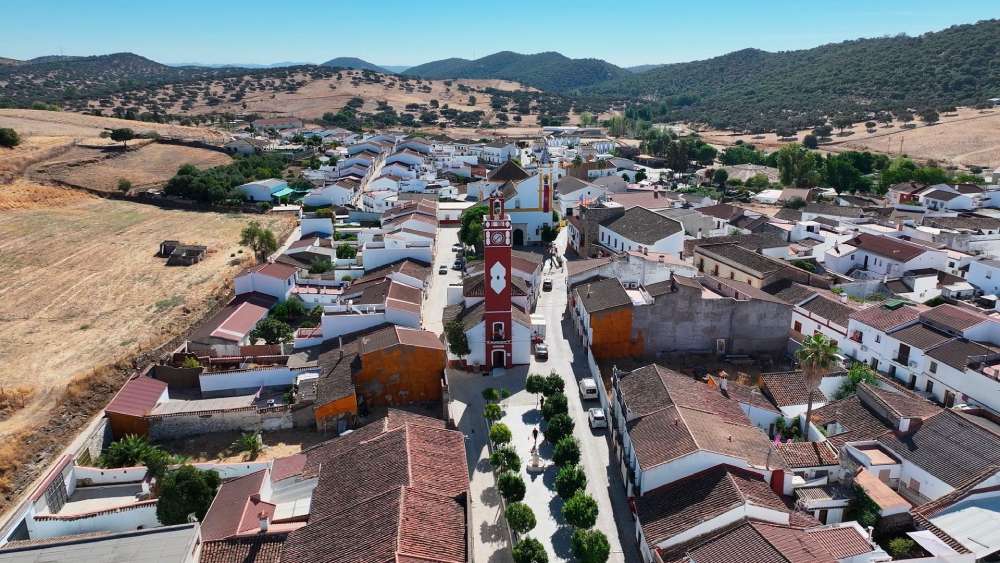
Castillo y Torre del Reloj
The castle of Almadén de la Plata, built in the 14th century on the site of a Roman fort from the 1st century AD, had defensive functions on the Silver Route and against Portugal as part of the Galician Band. Although much of it was lost in the 18th and 20th centuries, in 1997 it was partially rebuilt to house the current Town Hall. Nearby, the Clock Tower, erected in 1905 on the site of the old Hospital de los Angeles, still marks the hours in the Plaza del Reloj.
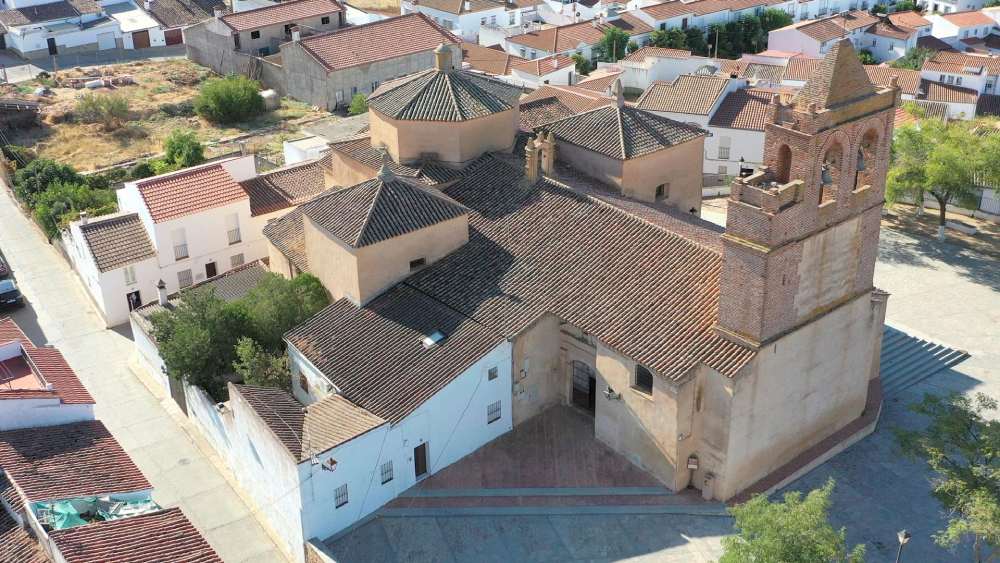
Old church of Santa Ana
The old church of Santa Ana, built between the end of the 15th and the beginning of the 16th century, was extended in the 17th and 18th centuries, becoming a single-nave temple with Baroque decorative elements. Its three-part tower-façade with belfry and spire, its main chapel covered by a half-orange dome, and side chapels with polychrome domes and vaulted ceilings stand out.
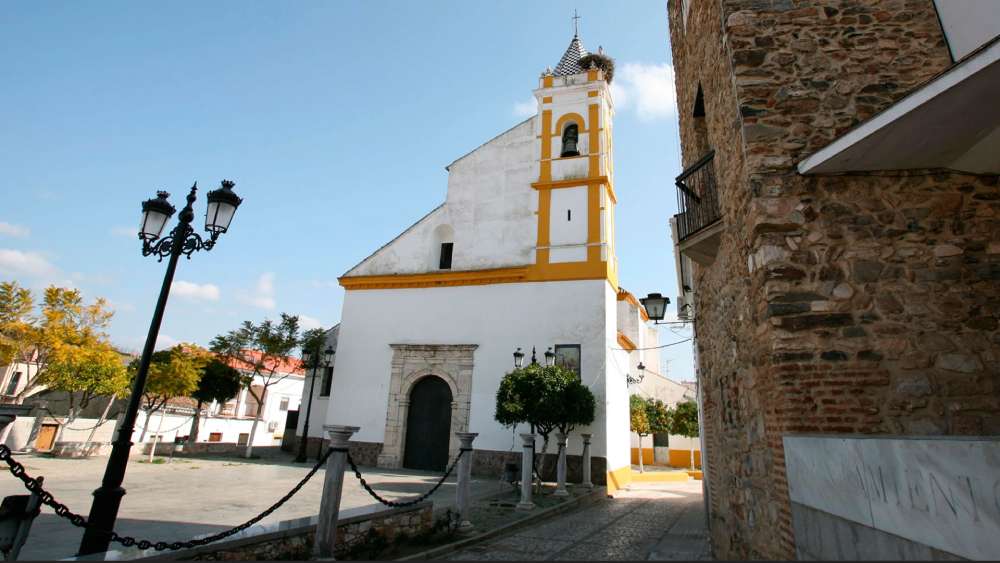
Church of Nuestra Señora de Gracia
The parish church of Santa María de Gracia is located in the heart of the historic center of Almadén de la Plata, very close to what was once the medieval castle and is now the seat of the Town Hall. In front of its main façade, a wide square opens up, allowing for a full view of the church, with its slender tower standing out.
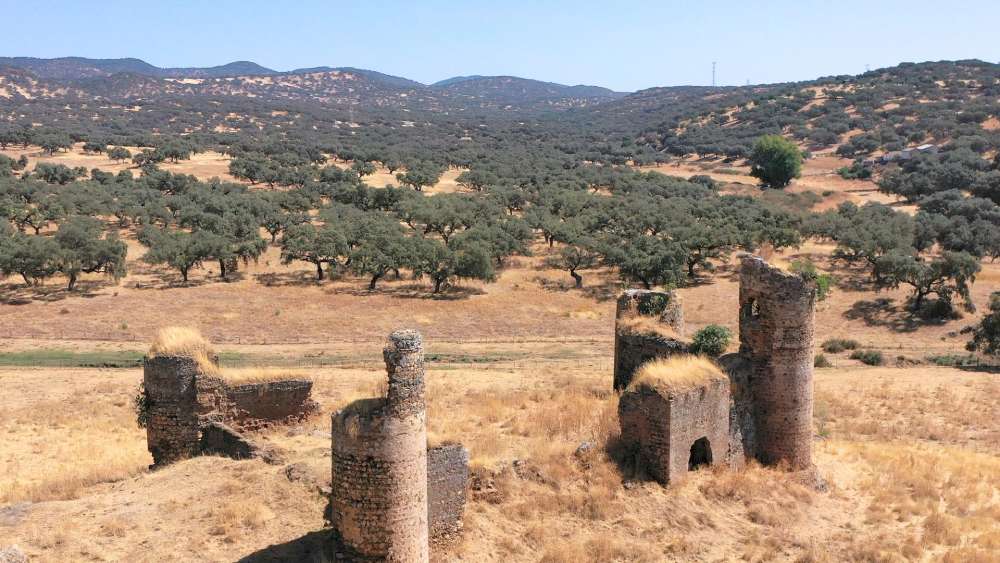
Trekking route
El Real de la Jara, in the Sierra Morena mountains of Seville, is an ideal destination for hiking enthusiasts, with routes that cross pastures, streams and unique natural landscapes. Its main routes include the Batrocal Way, the La Lobera Geo-Route and the Rivera del Cala Route, ideal for enjoying the tranquillity and beauty of the surroundings.
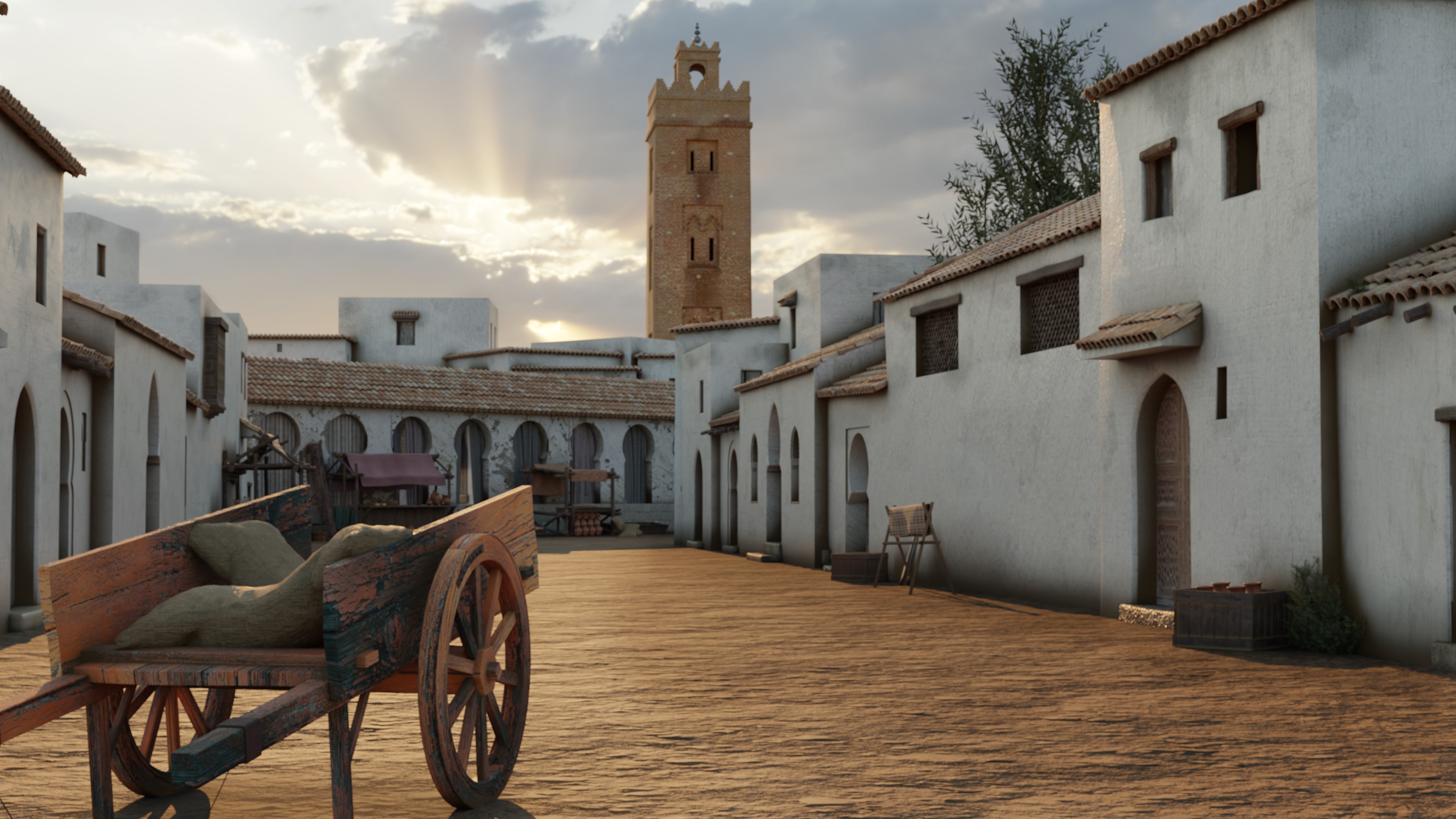
Ermita de Cuatrovitas
The current Cuatrovitas chapel, located in Seville, contains one of the best-preserved rural mosques of Al-Andalus, built around 1180 during the Almohad period.
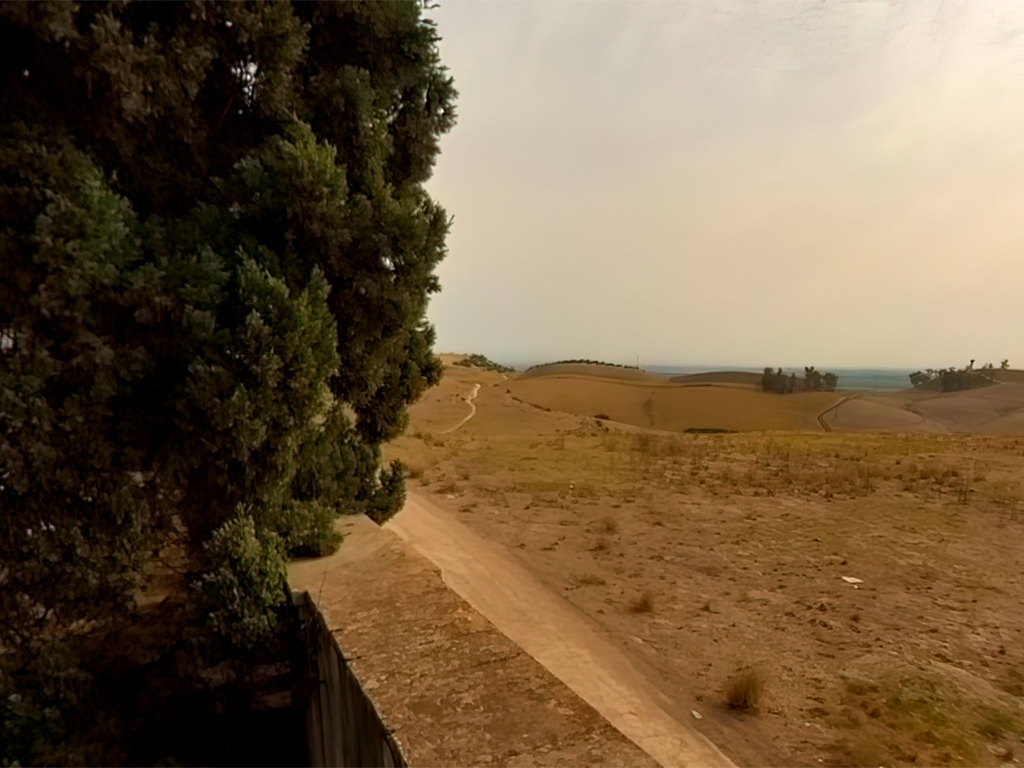
Jardines de Forestier
The Forestier Gardens are located at one of the highest points in the Aljarafe area of Seville. They are the last gardens designed and created outside France by Jean Claude Nicolas de Forestier.
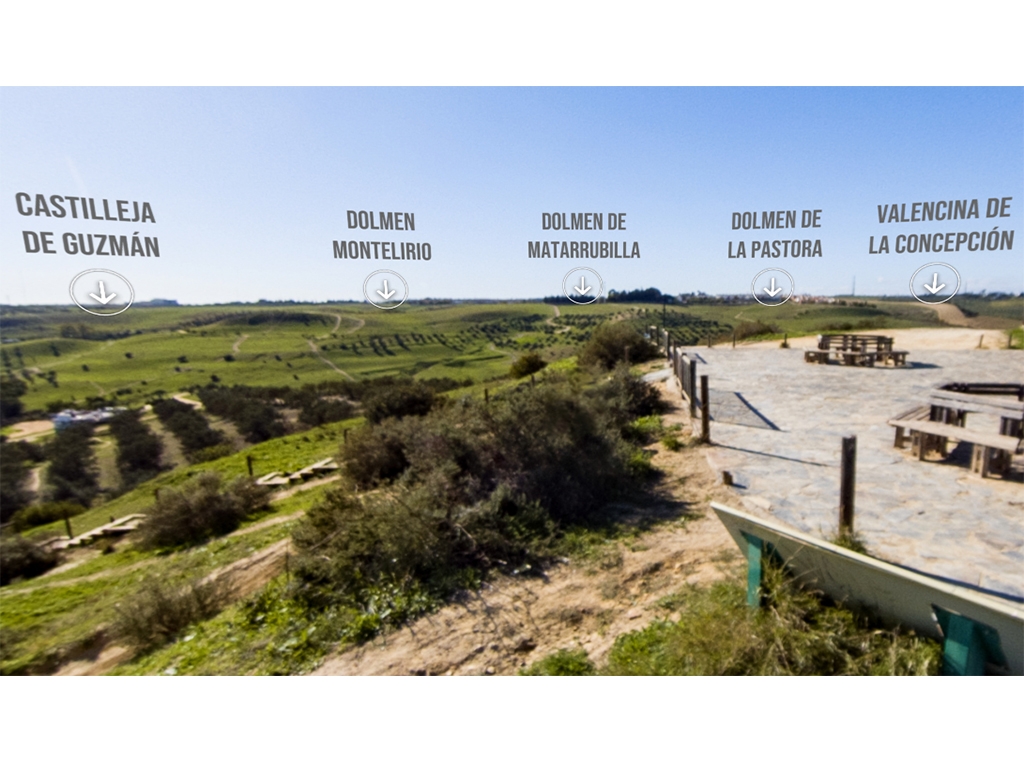
Santa Brigida Hill
The hill of Santa Brígida is the highest viewpoint in the area. A Muslim marabout was erected here and a chapel dedicated to Santa Brígida was built on top of it.
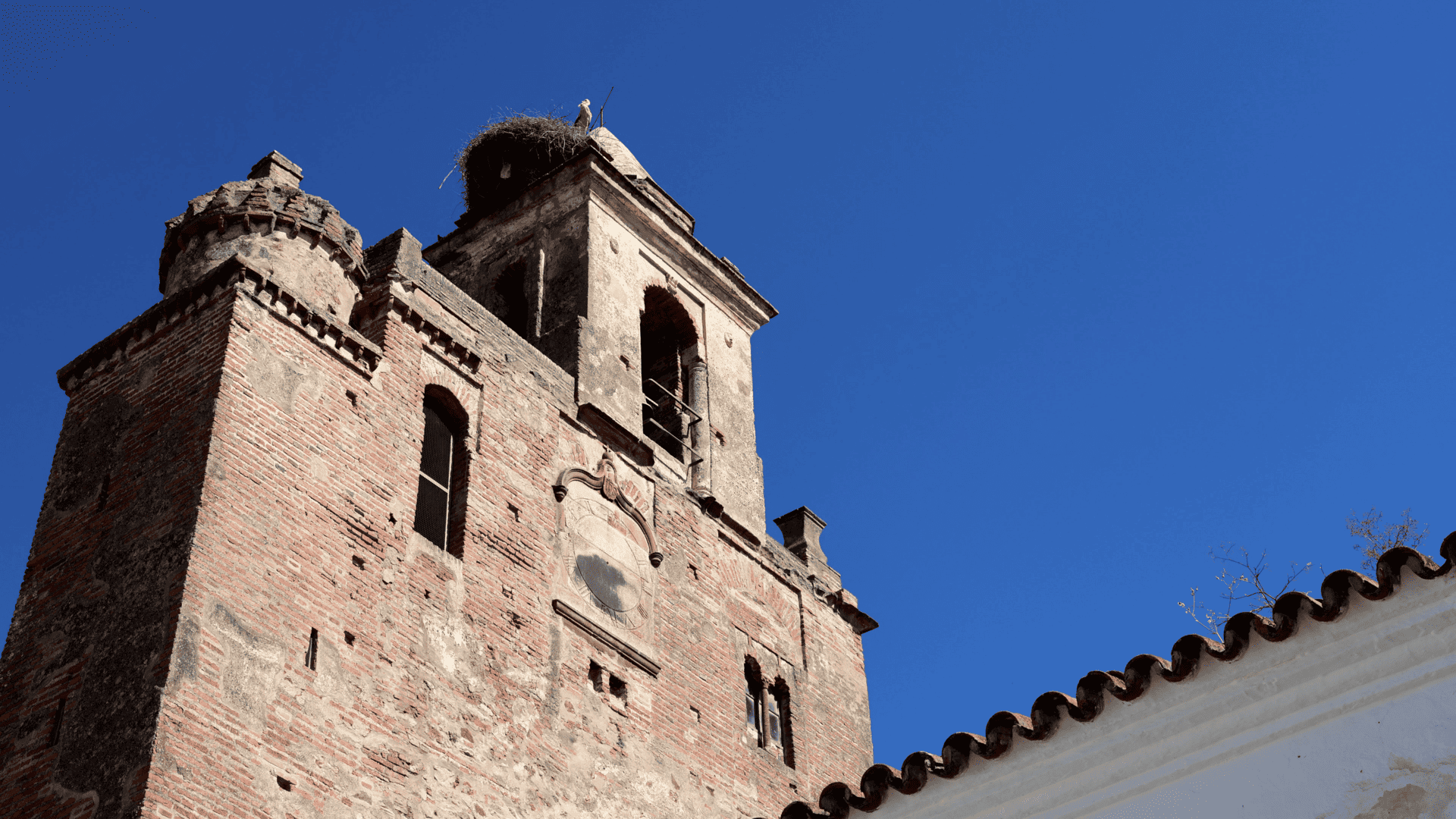
Santa María de las Nieves Church
At the foot of Alanís Castle stands the church of Santa María de las Nieves, a church with over seven centuries of history that is one of the main heritage landmarks of Seville’s Sierra Morena. Its imposing tower-façade and its extraordinary high altarpiece make it a must-see.
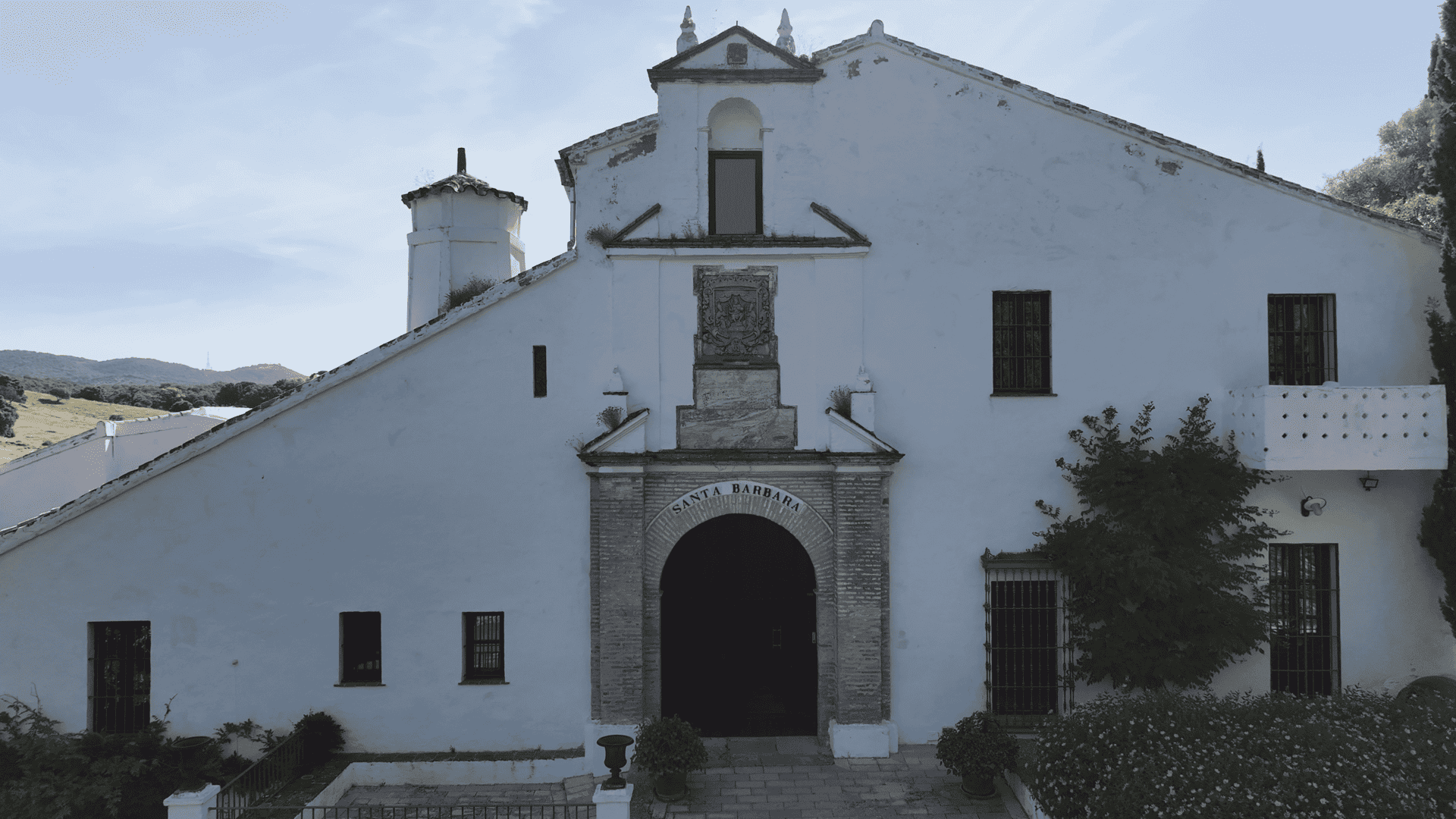
Snow Wells
The complex is situated within the Sierra Norte Natural Park. In 2006, Los Pozos de la Nieve received a Special Mention from Europa Nostra for its valuable contribution to the conservation and enhancement of cultural and industrial heritage; a year later, in 2007, Constantina Town Council also awarded it a prize for Urban Initiatives for Heritage Conservation. These are the only snow pits in Western Andalusia and also the only ones incorporated into a building in the whole of Andalusia.
They are situated to the north-east of Constantina, next to the junction between the roads to San Nicolás del Puerto and Cazalla de la Sierra. The building that houses them stands on a hill, and on the plain to the north are the pools from which the ice was extracted. The snow was collected as soon as it fell.
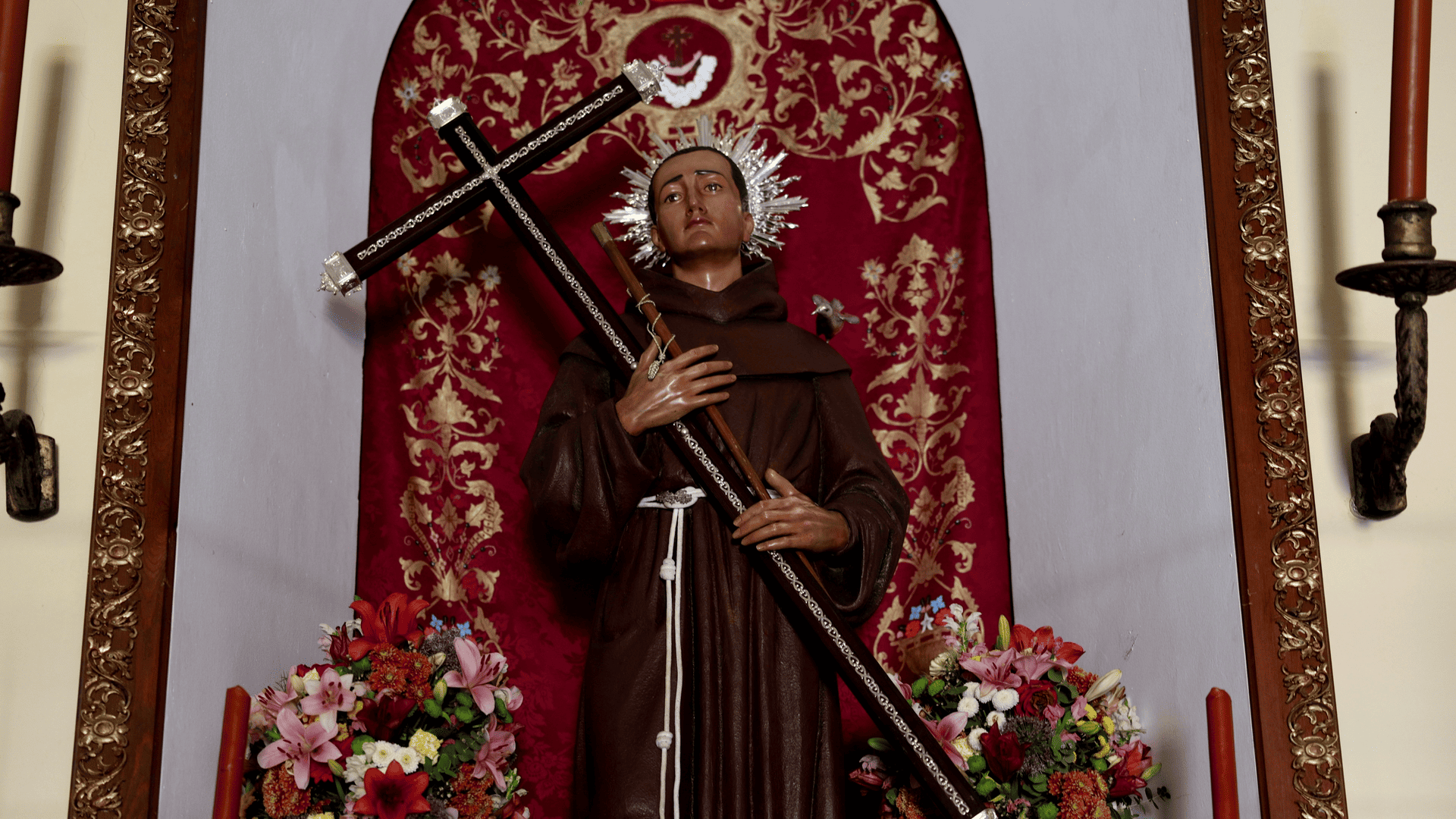
The Life of Saint Diego de Alcalá
The Chapel of San Diego and the centuries-old holm oak associated with the saint are among the most iconic landmarks in San Nicolás del Puerto. This site preserves the memory of the most renowned Franciscan born in the town and one of the most deeply-rooted traditions of the Sierra Norte de Sevilla.
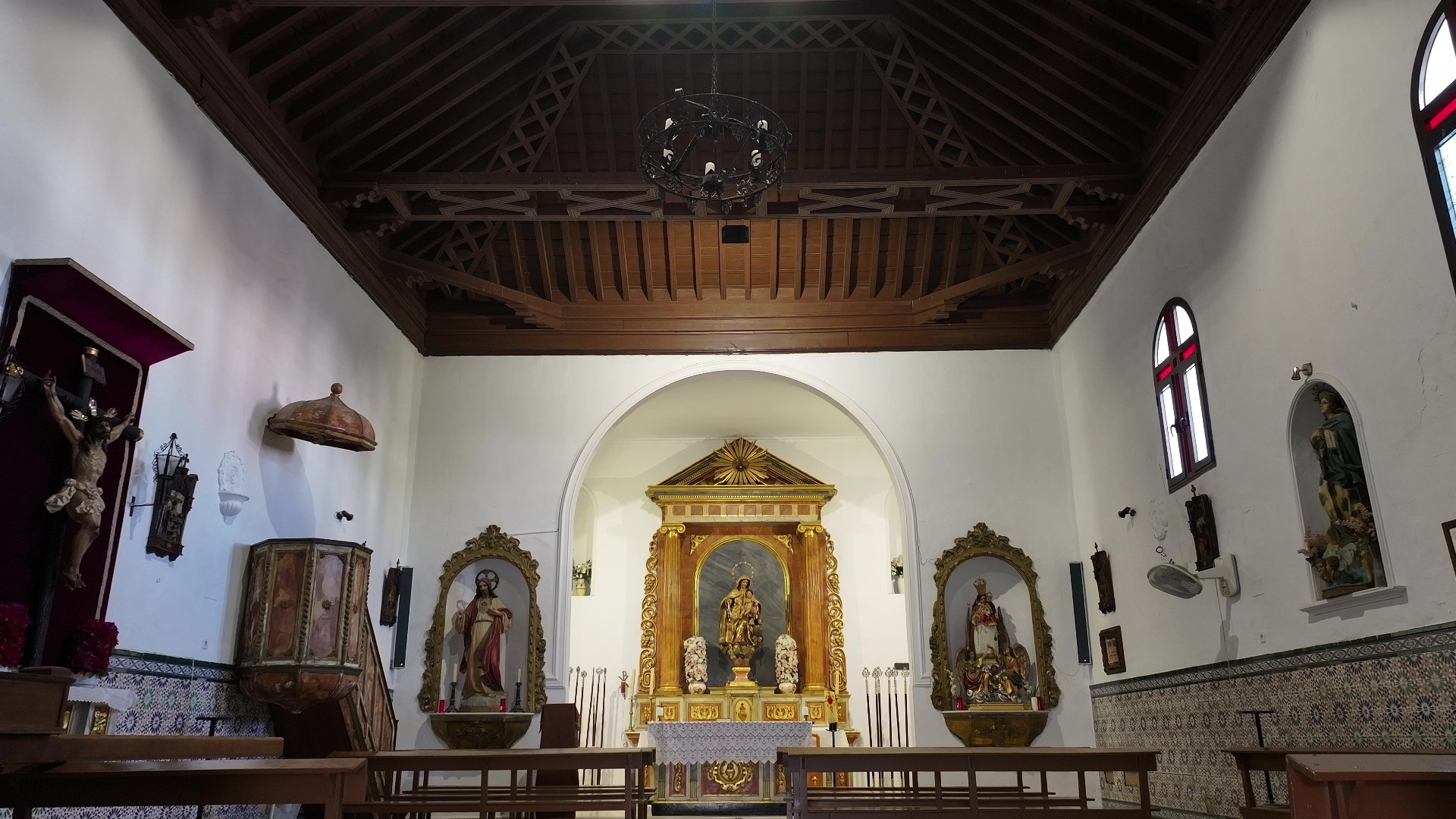
Historical and artistic heritage of Isla Mayor
Isla Mayor is a municipality located in the marshes of the Guadalquivir, whose development has been linked to the transformation of this territory and to the cultivation of rice. Its history is relatively recent and constitutes a good example of how human intervention modified one of the most characteristic landscapes of the surroundings of Doñana.
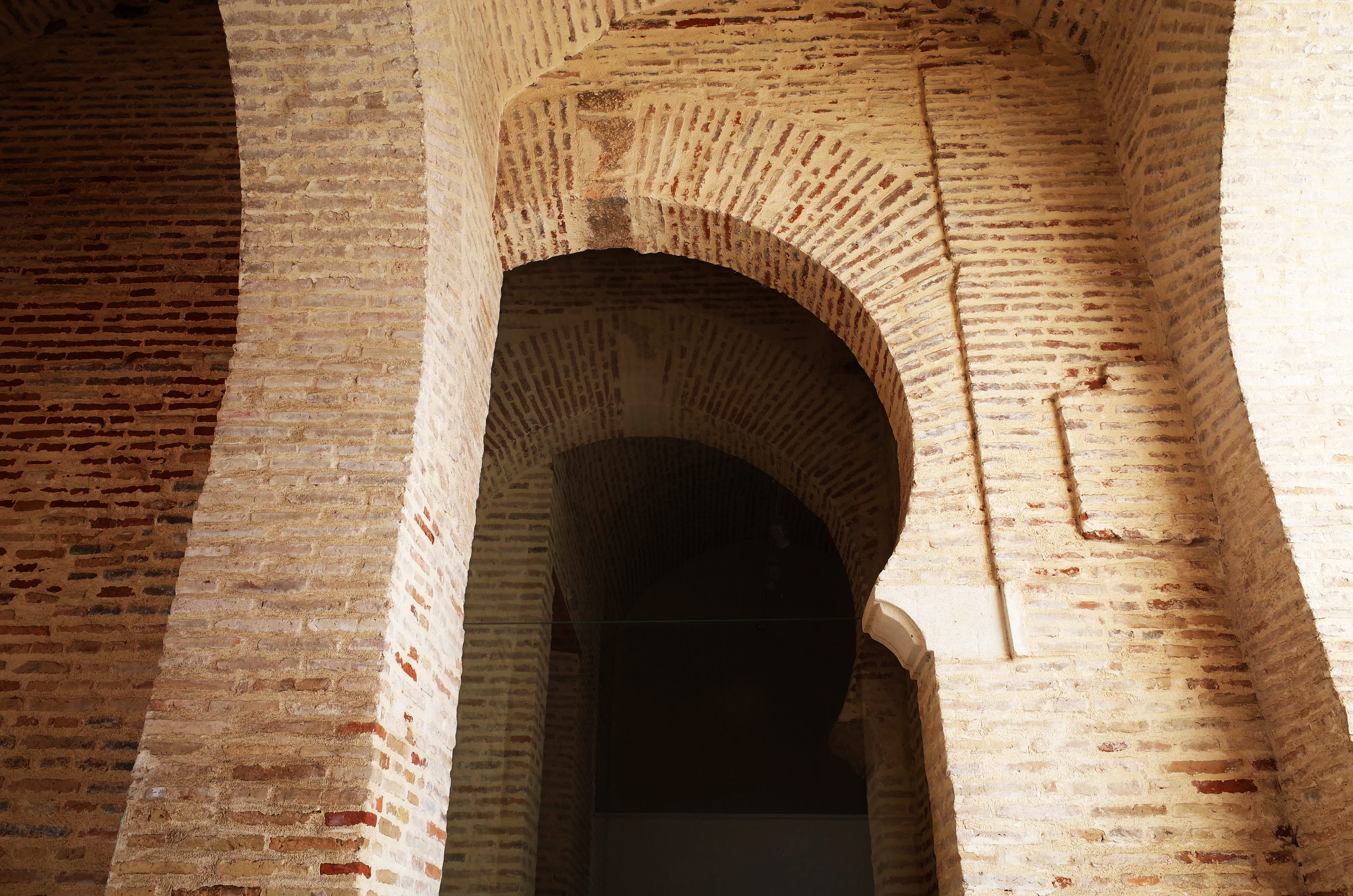
Arquillo de la Pescadería – Municipal Granary – Mosaic
The complex comprising the Arquillo de la Pescadería and the Pósito is one of Aznalcázar’s most iconic monuments. The Almohad gate, a remnant of the medieval fortified enclosure, its subsequent transformation and the construction of the municipal granary during the 18th century reflect how this space has adapted to the town’s changing needs and how it has evolved over the centuries.
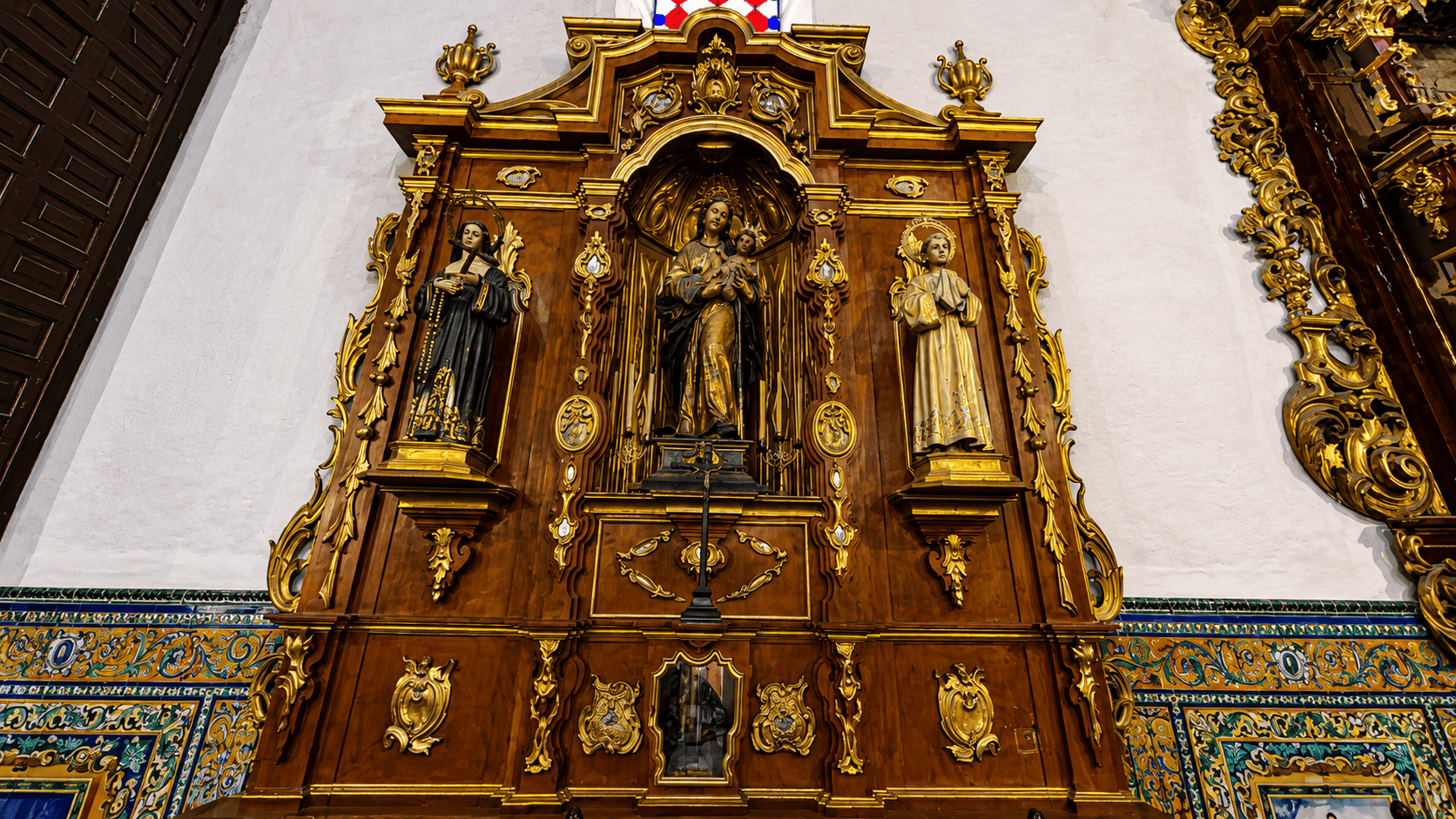
Santa María la Mayor Church
The Parish Church of Santa María la Mayor is the result of a long historical evolution that began after the Castilian conquest in the 13th century. Its current configuration reflects the successive transformations it underwent over the centuries, resulting in a basilica-plan church with three naves enriched with numerous chapels. Inside, it preserves an important collection of altarpieces, sculptures and pieces of silverwork that bear witness to the artistic evolution of the parish between the 16th and 20th centuries.
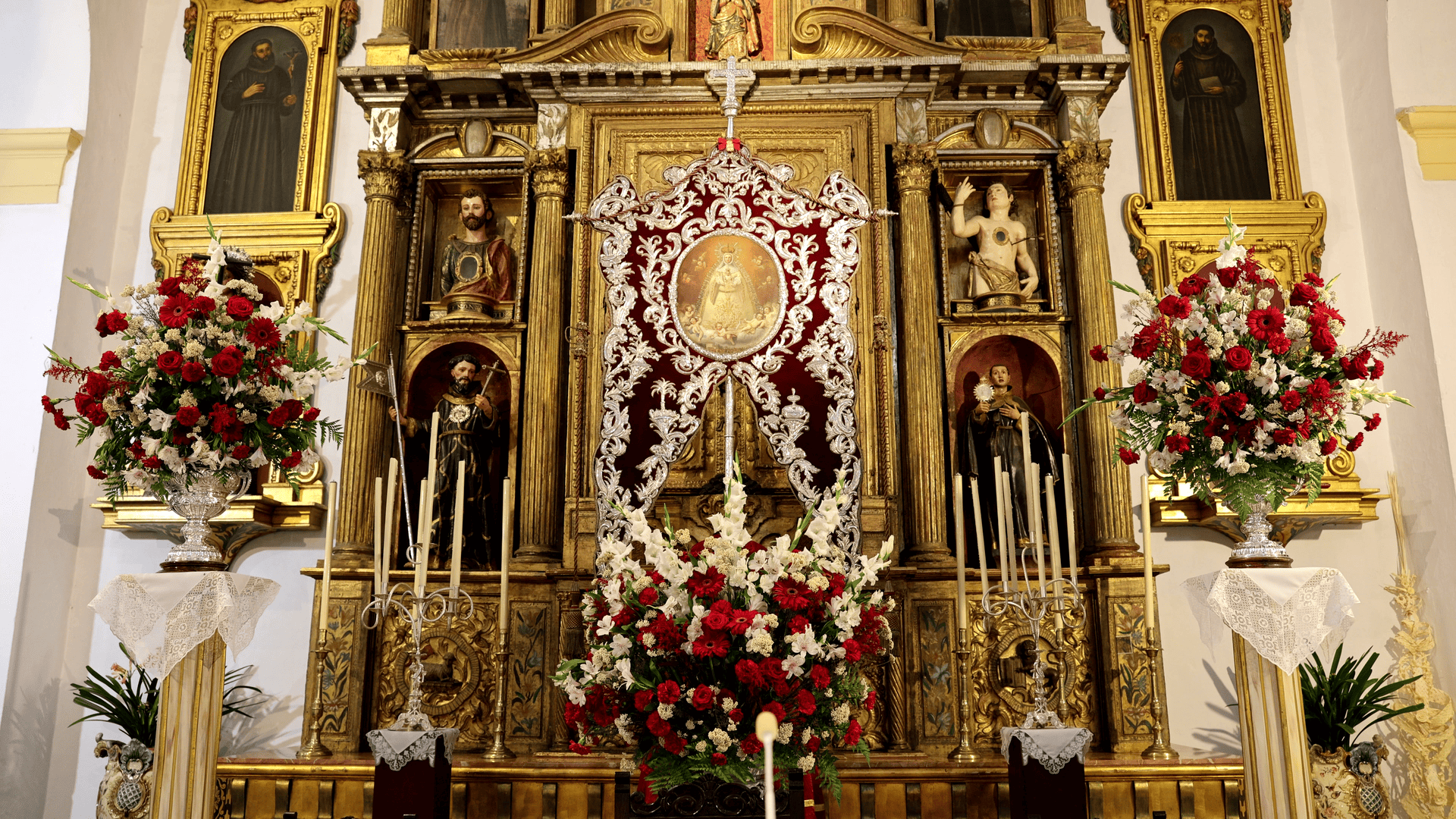
Historical and Artistic Heritage of Villamanrique de la Condesa
Villamanrique de la Condesa preserves a valuable heritage ensemble in which architecture, tradition and history form a single reality. Its streets reflect the close relationship between the municipality and the Way of El Rocío, while buildings such as the church of Santa María Magdalena, the Royal Palace or the Ethnographic Interpretation Centre make it possible to understand the historical and cultural evolution of the locality.