
- Home
- Interest Points

Old church of Nuestra Señora de la Victoria
The church of La Victoria de Estepa was part of the convent of the Padres Mínimos. Partially demolished, it still conserves parts of the wall and the tower. Also the doorway, which is located in another church in the town.
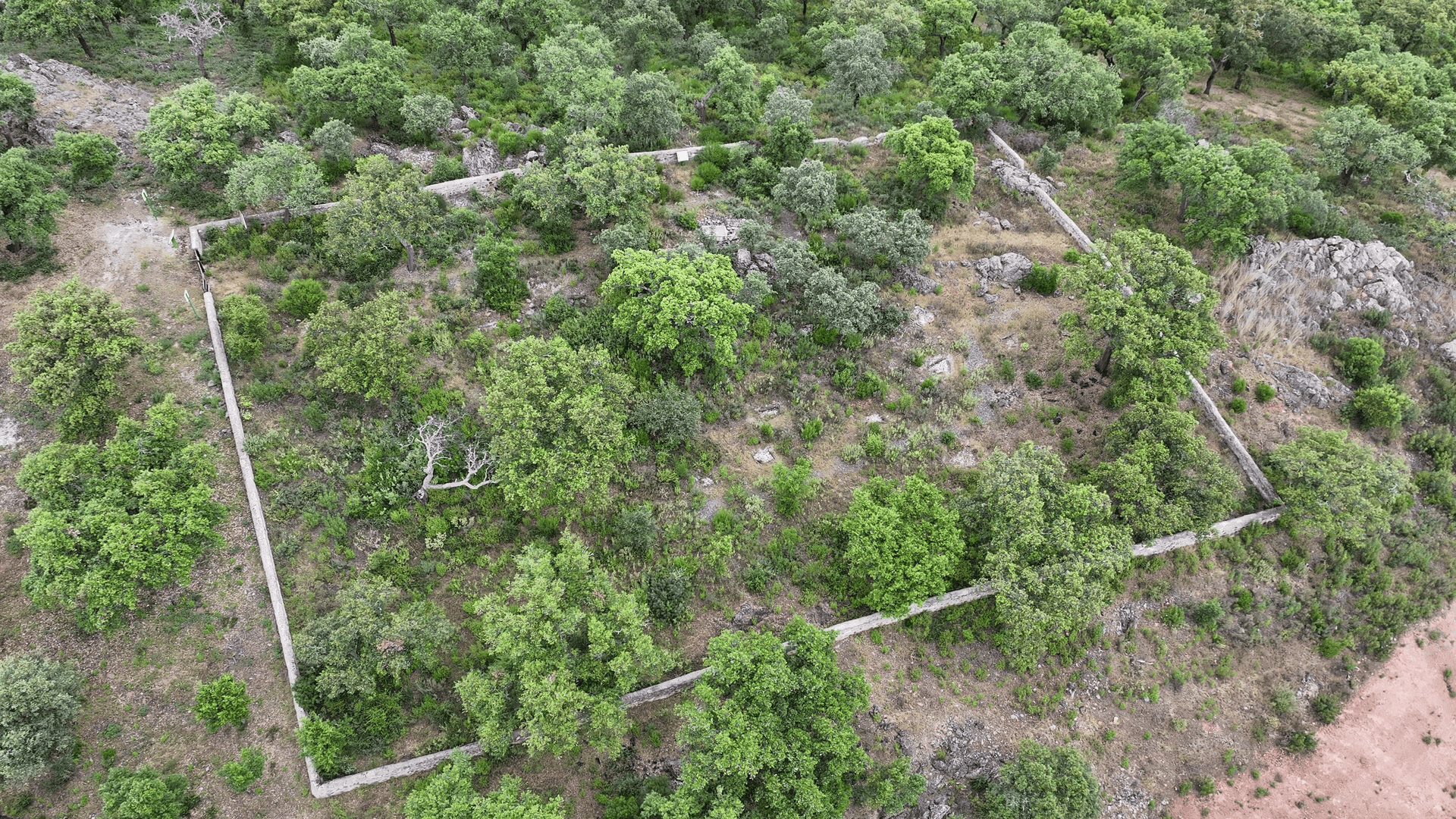
La Traviesa Estate and Necropolis
The La Traviesa public estate, situated in the Sierra Norte de Sevilla Natural Park, boasts outstanding natural and historical features. In addition to its landscape of pastureland and Mediterranean woodland, its network of footpaths, its recreational area and the Mirador de La Traviesa Astronomical Observatory, it is home to one of the most significant prehistoric burial sites in the south-west of the Iberian Peninsula and a key source of information about the communities that inhabited these mountains during the 2nd millennium BCE: the La Traviesa necropolis.
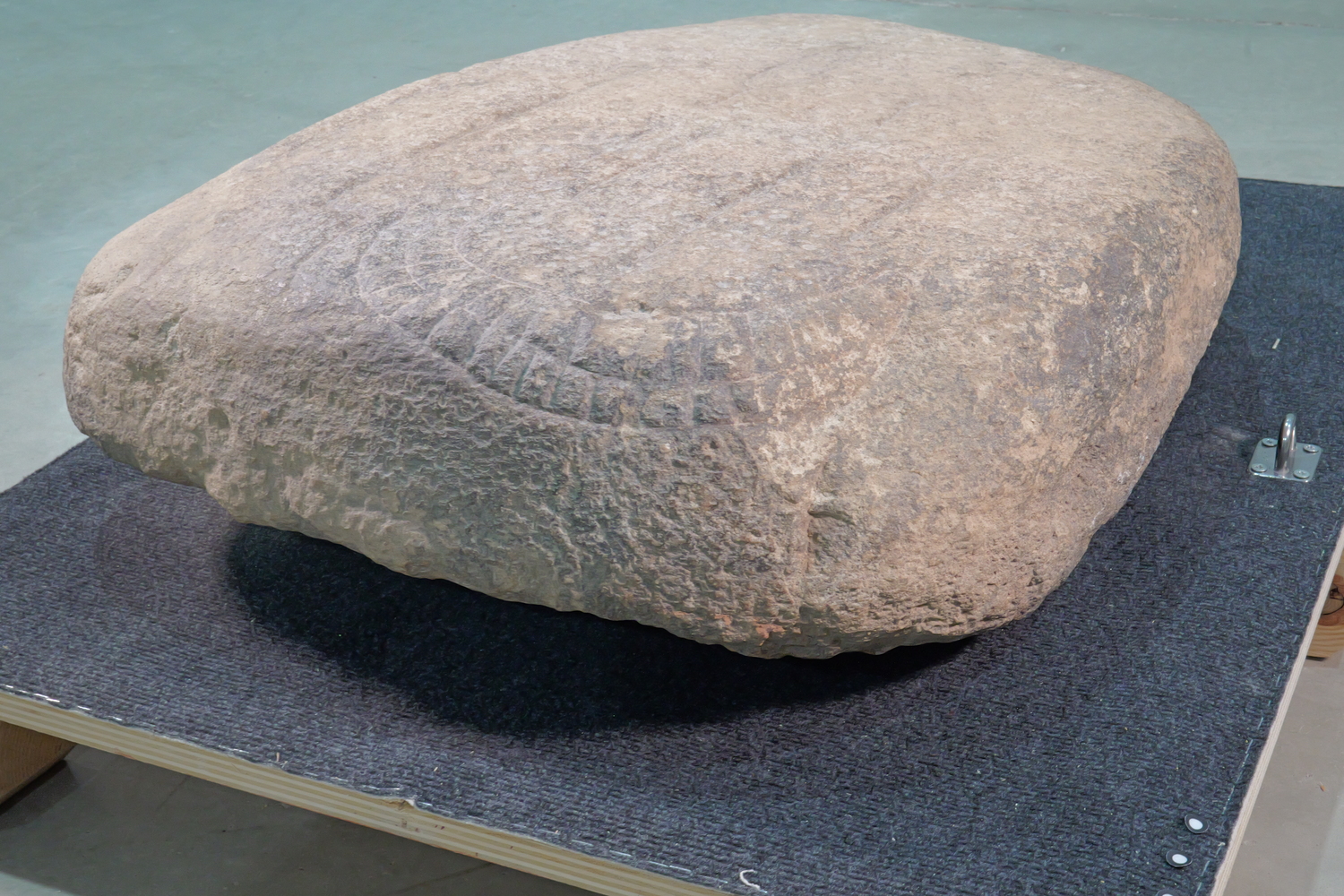
Warrior Stela, Montejícar-Type Halberd and Ceramic Vessel
The rich archaeological history of Almadén de la Plata has left us an outstanding collection of pieces that make it possible to learn about the communities that inhabited this territory between the 2nd and 1st millennia BC. Among them are the Montejícar-type halberd from cist 5 and the ceramic vessel from cist 20, both recovered during the excavations of the La Traviesa necropolis and dated to the Bronze Age (2nd millennium BC). Alongside these materials, the Almadén Stele 2 stands out, an exceptional decorated stele from the Late Bronze Age (9th–8th centuries BC), discovered on the Dehesa del Viar estate. Taken together, these finds constitute valuable evidence of the beliefs, funerary rituals and social organisation of the communities that inhabited the Sevillian Sierra Morena between the Bronze Age and the beginnings of Protohistory.
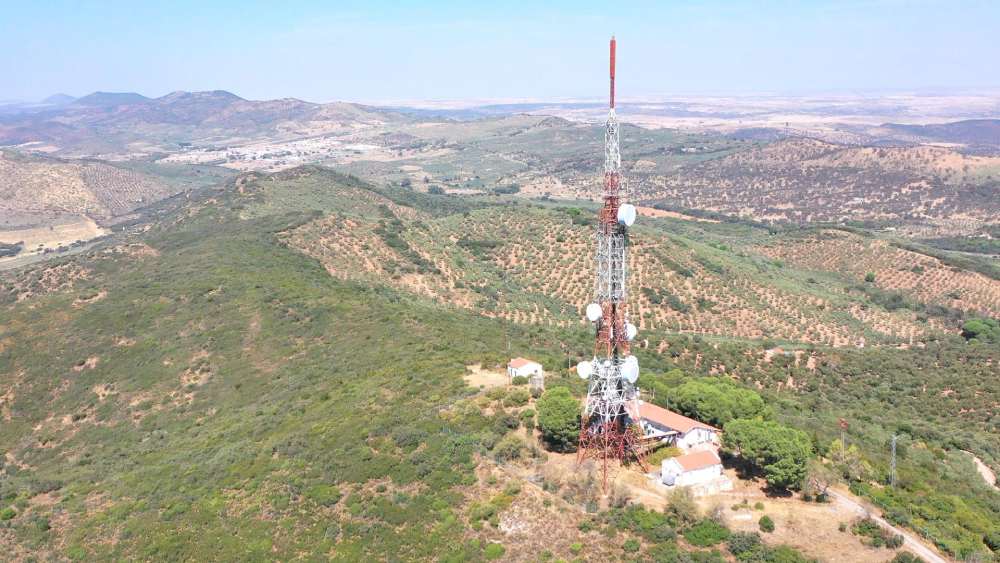
Ruta de Senderismo
Guadalcanal offers several hiking routes that allow you to discover spectacular landscapes and rich biodiversity, from challenging climbs such as La Capitana to more peaceful walks such as the Sendero del Cerro del Hierro. The trails run through forests, valleys and pastures, offering a unique experience in contact with nature, as well as historical vestiges of traditional rural life.
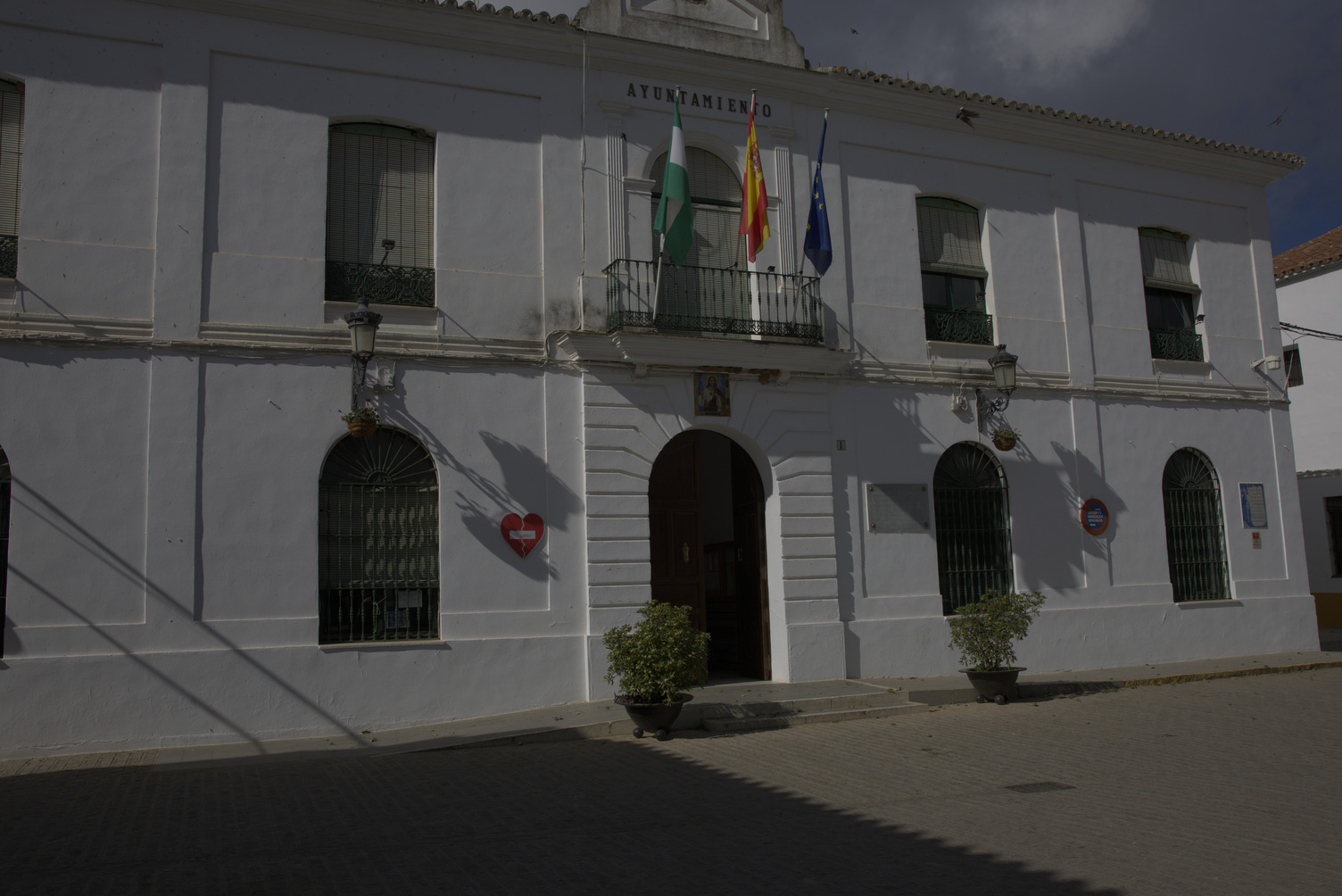
Heritage, History and Cultural Landscape
Situated between the Sierras del Viento and del Agua, in the far north of the province of Seville, Guadalcanal preserves a rich architectural heritage, the result of its historical significance and the prosperity it has enjoyed over the centuries. Its town layout, dominated by notable religious and civil buildings, together with the chapels scattered throughout the area, offers a journey through the town’s history in a setting of great scenic beauty.
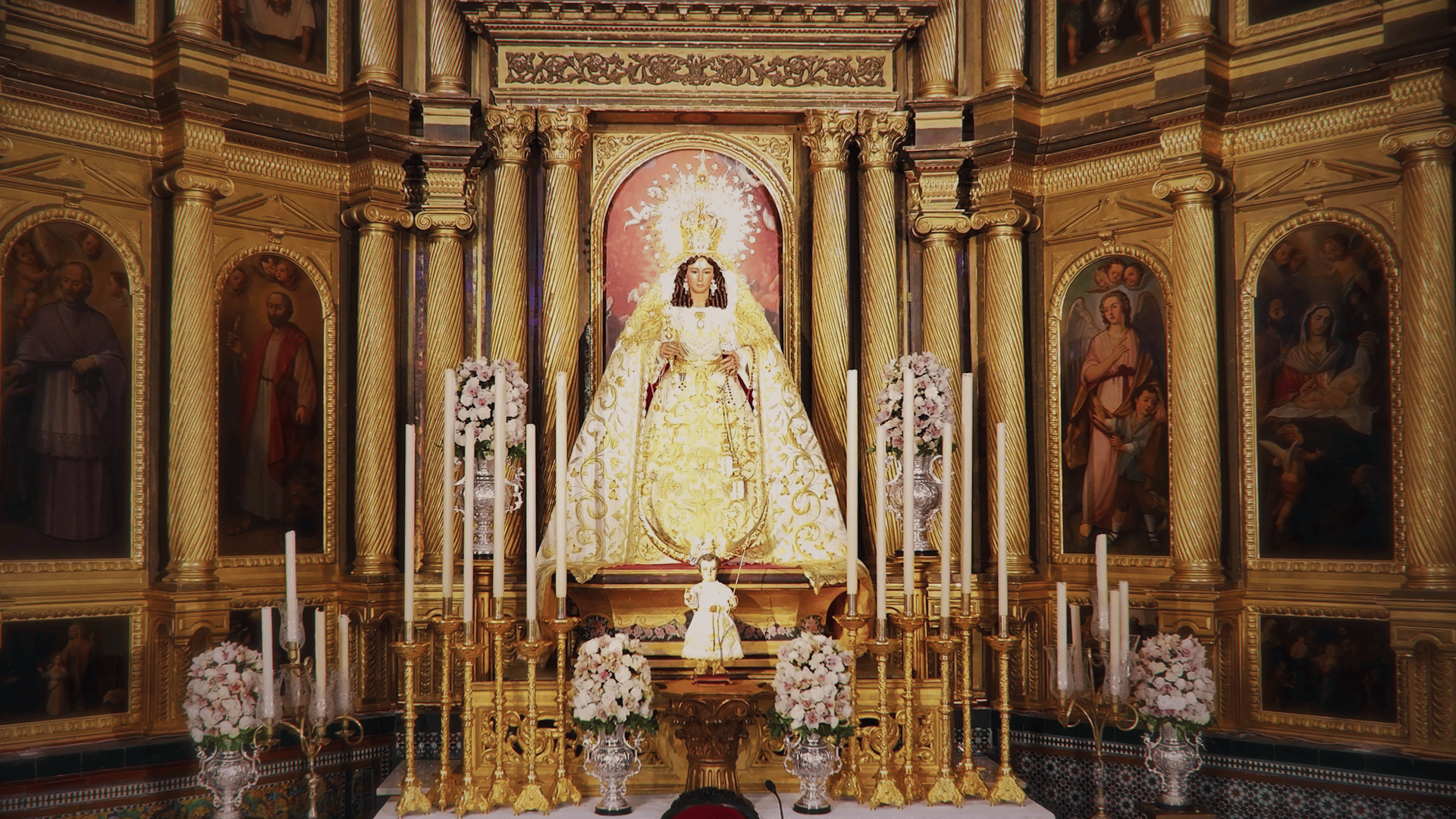
Santa María de la Asunción Church and Brotherhoods
The parish church of Santa María de la Asunción is the main church in Guadalcanal and one of the town’s most iconic historic buildings. Built between the 15th and 16th centuries, it combines Gothic, Mudejar and Renaissance elements, whilst also preserving a significant artistic heritage and a rich tradition of religious brotherhoods.
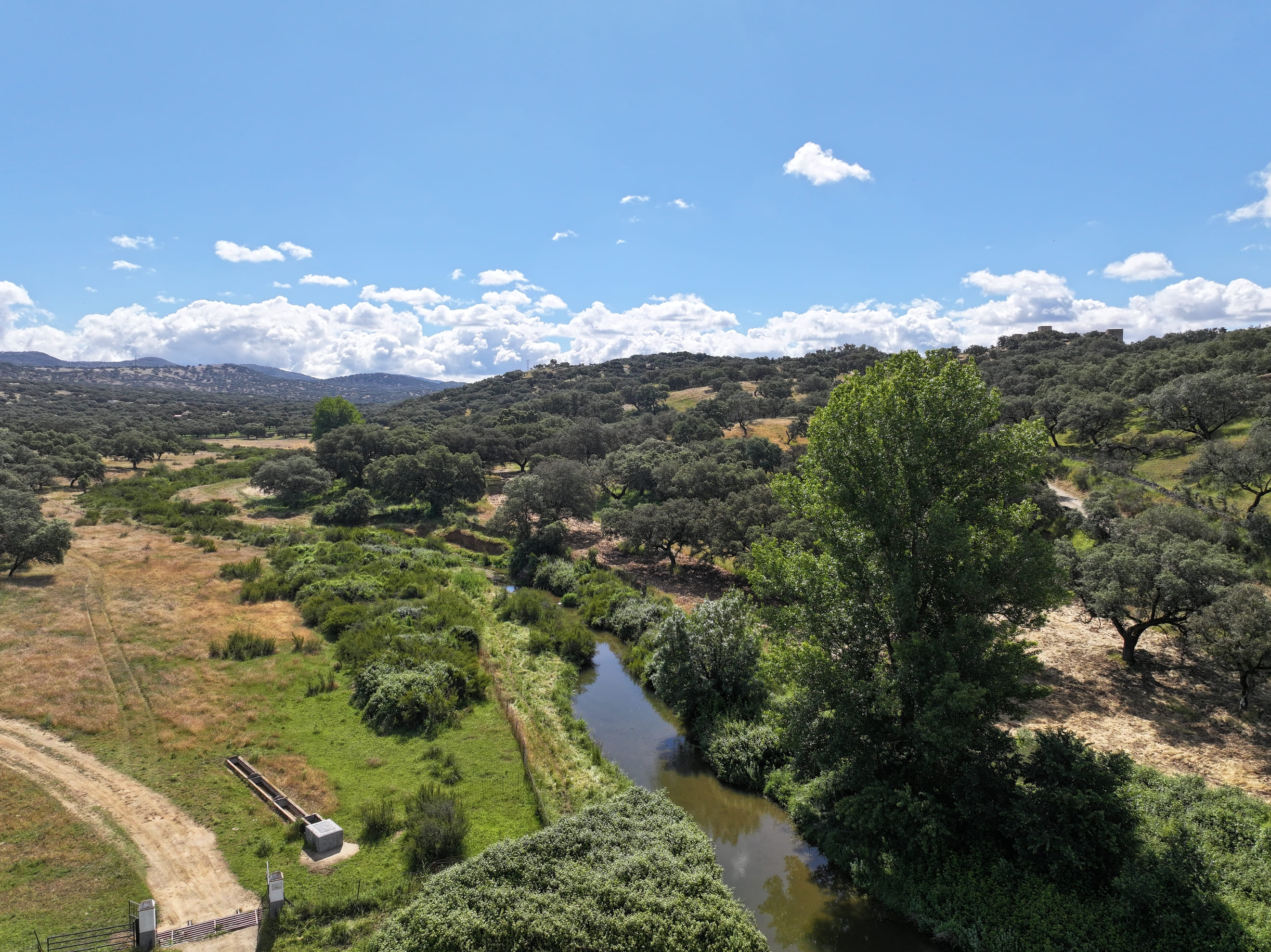
The Way of St James
El Real de la Jara constitutes one of the most representative stages of the Way of Saint James along the Vía de la Plata. Its location, next to the boundary between Andalusia and Extremadura, has historically turned the municipality into a place of passage, welcome and encounter for travellers, merchants and pilgrims.
Today, this route makes it possible to discover a landscape where history, nature and heritage preserve the legacy of one of the great historical routes of the Iberian Peninsula.
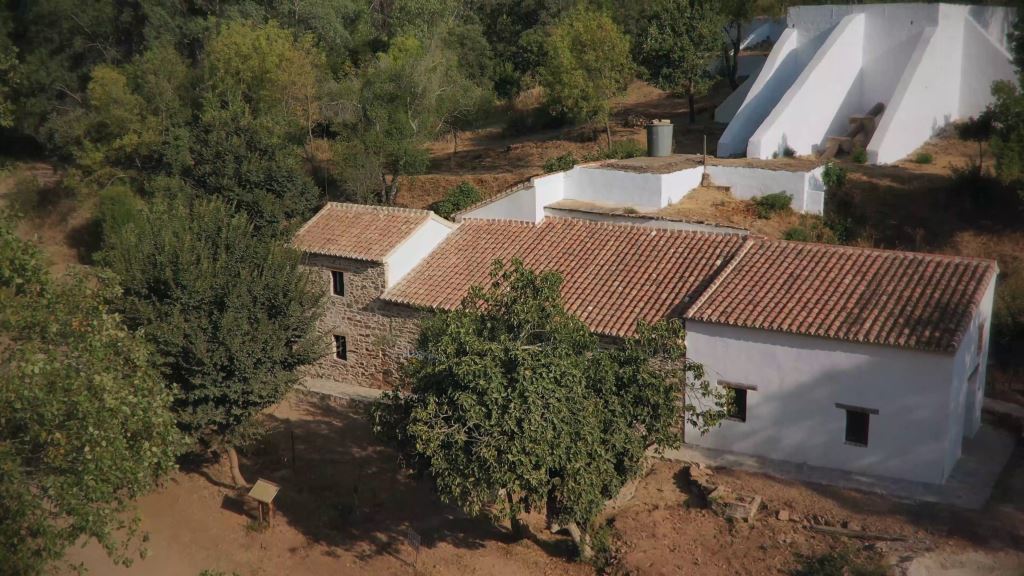
Molino del Francés
The Molino del Francés is part of the Route of the Ciudadeja Mills, a route that shows the remains of old mills and a landscape that is characteristic of the Sierra Morena in Seville. Although some of the mills in the area have fallen into disrepair, this one has been restored by the Town Council and today its structure allows us to appreciate a complete view of the area's industrial past.
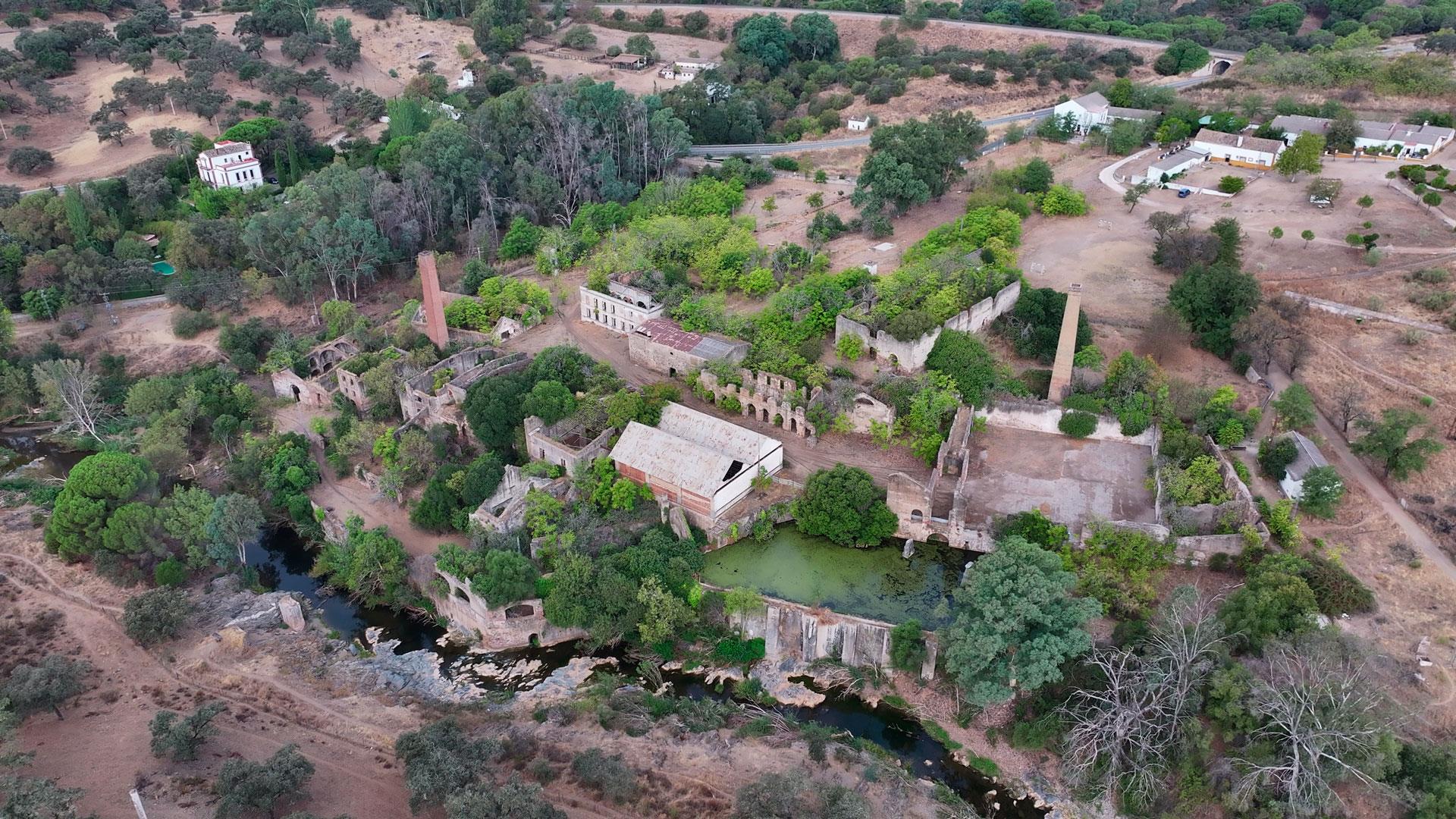
La Lima Mines and the El Pedroso Iron Works
Located in the heart of the Sierra Morena in Seville, the La Lima Mines and the El Pedroso Ironworks are a unique testimony to the Industrial Revolution in Andalusia. Founded in 1817, the factory was a benchmark in the production of iron, using the natural resources of the area, such as iron deposits and the hydraulic energy of the Huéznar River.
Virtual Viewpoint Las Navas de la Concepción
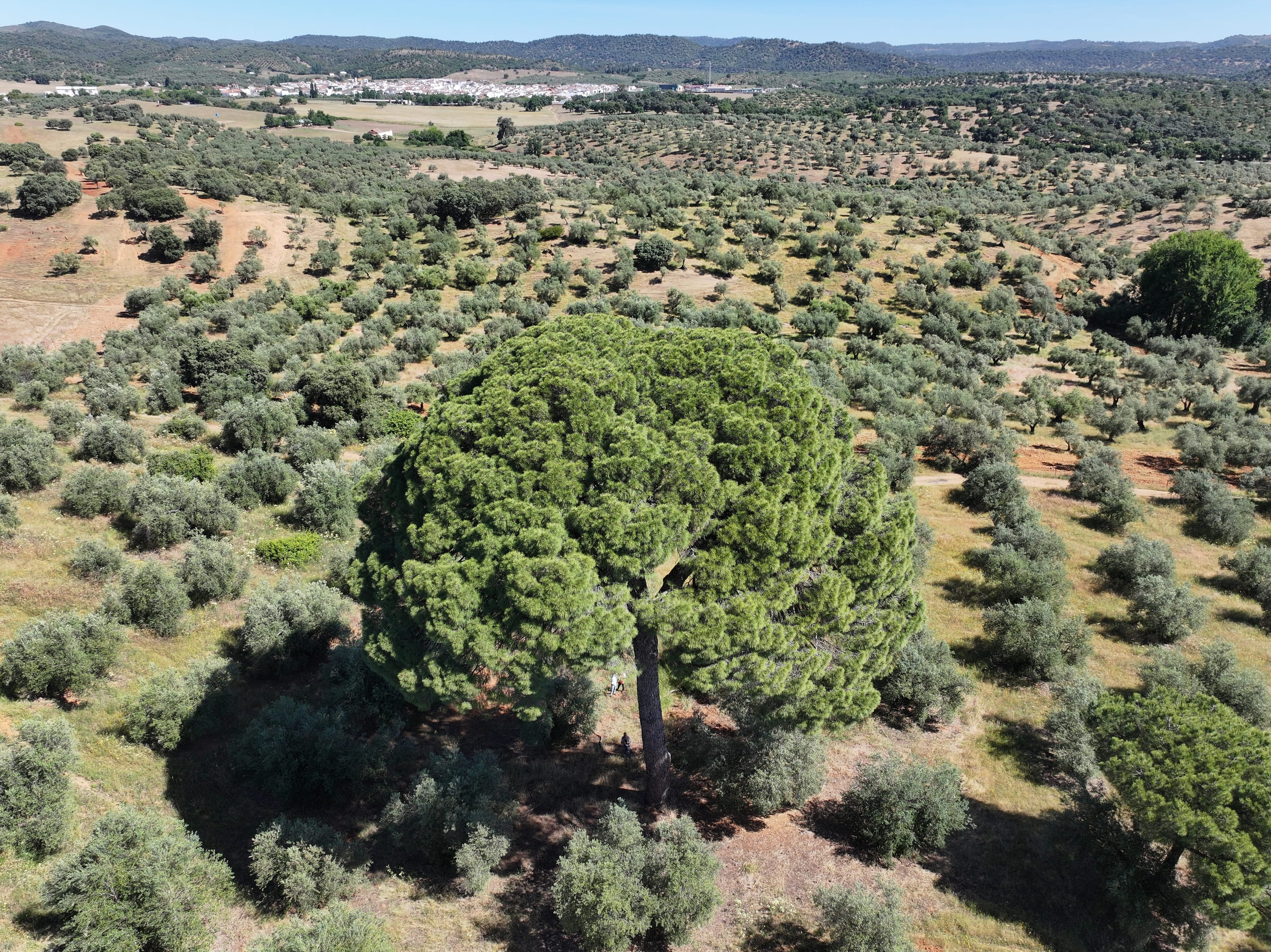
From this viewpoint it is possible to understand the evolution of Las Navas de la Concepción, a municipality that emerged in the 16th century around the agricultural estates promoted by the Basilian monks of the monastery of San Antonio del Valle. Its privileged location makes it possible to contemplate some of the main historical and landscape landmarks that have marked the development of the locality.
Historical and Artistic Heritage
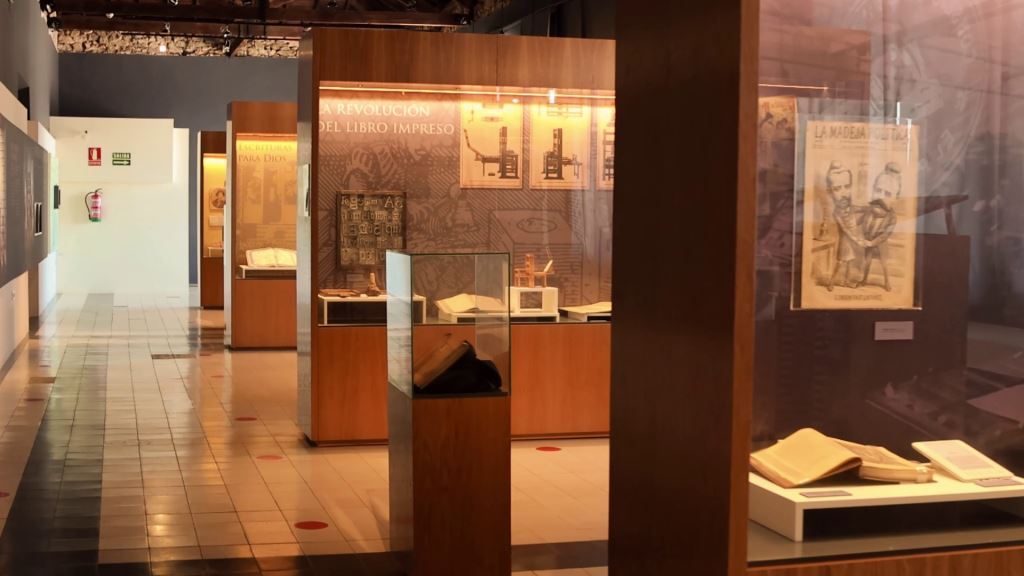
The town of El Pedroso has an interesting historical and artistic heritage throughout its history.
Purísima Concepción Parish Church
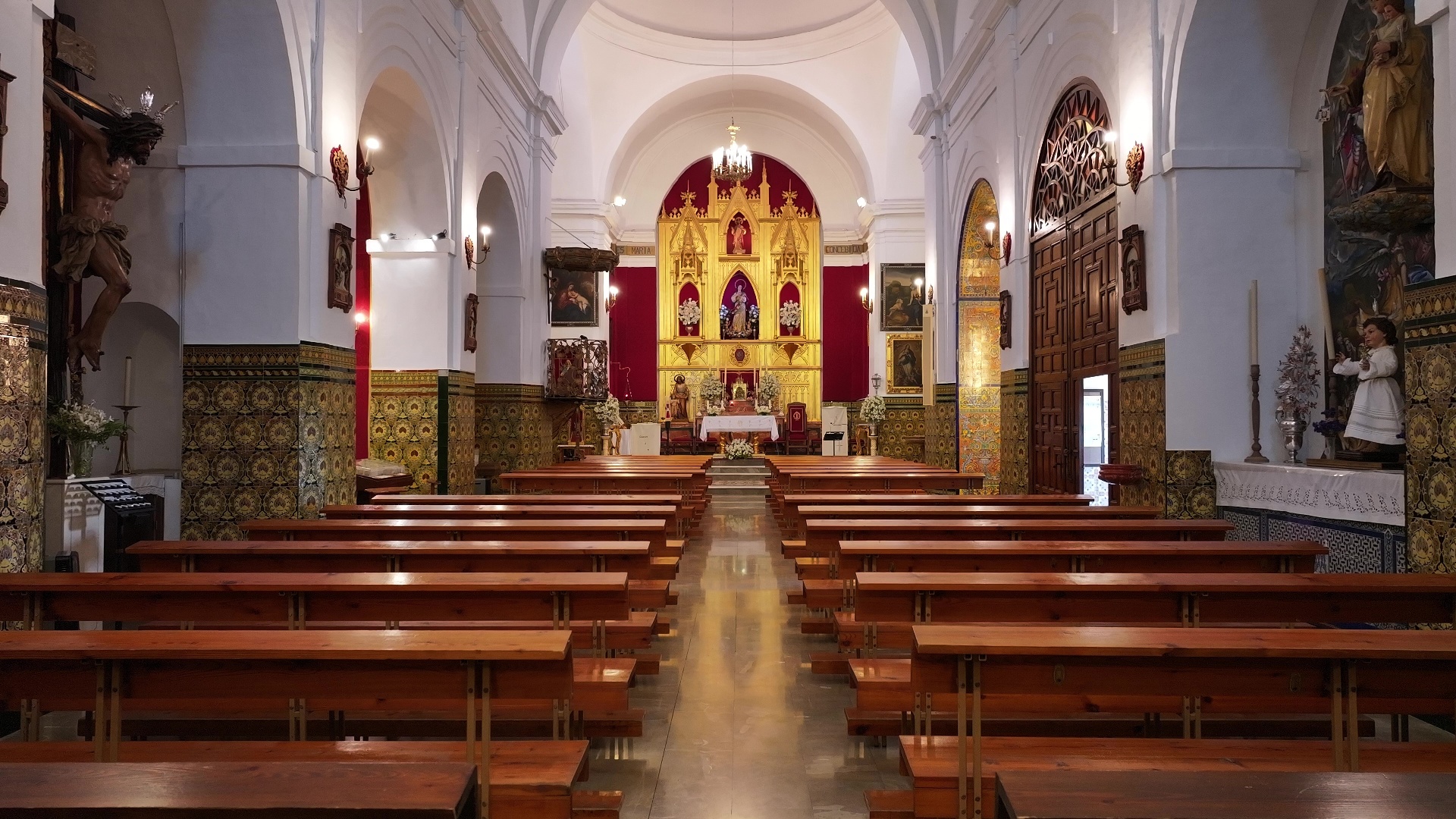
The Parish Church of the Immaculate Conception is the most iconic building in Las Navas de la Concepción. Built between 1717 and 1764 to a design by the architect Diego Antonio Díaz, it follows the Baroque architectural style promoted by the Archdiocese of Seville in the 18th century. Inside, it houses a remarkable collection of artistic treasures, enriched by works from the former Basilian monastery of San Antonio del Valle, which reflects the town’s historical and religious development.
Natural Heritage
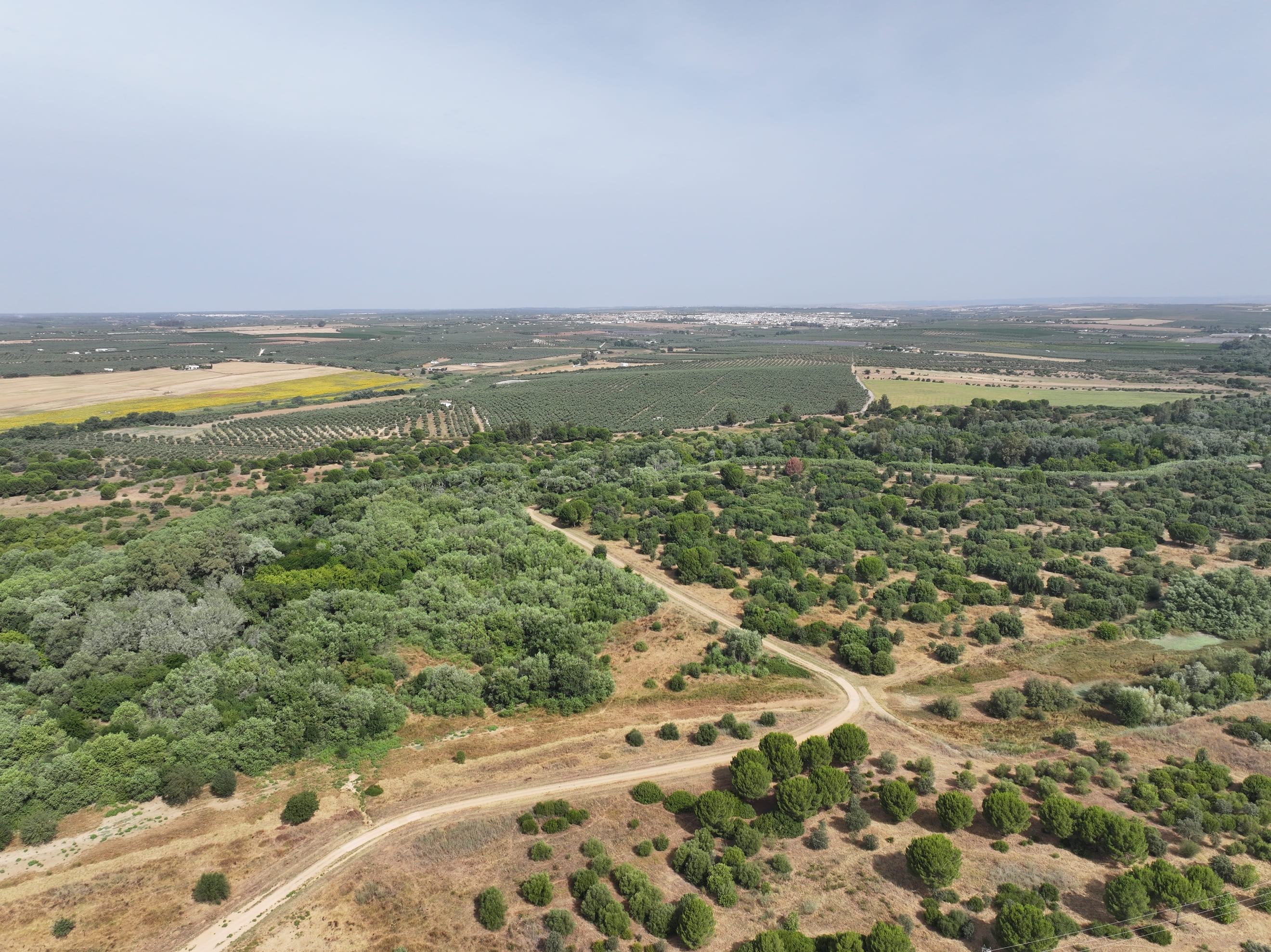
Aznalcázar occupies a privileged position between the Green Corridor of the Guadiamar and the Doñana Natural Area. The diversity of landscapes and ecosystems present in its municipal area turns this locality into one of the enclaves of greatest ecological value in the south of the peninsula.
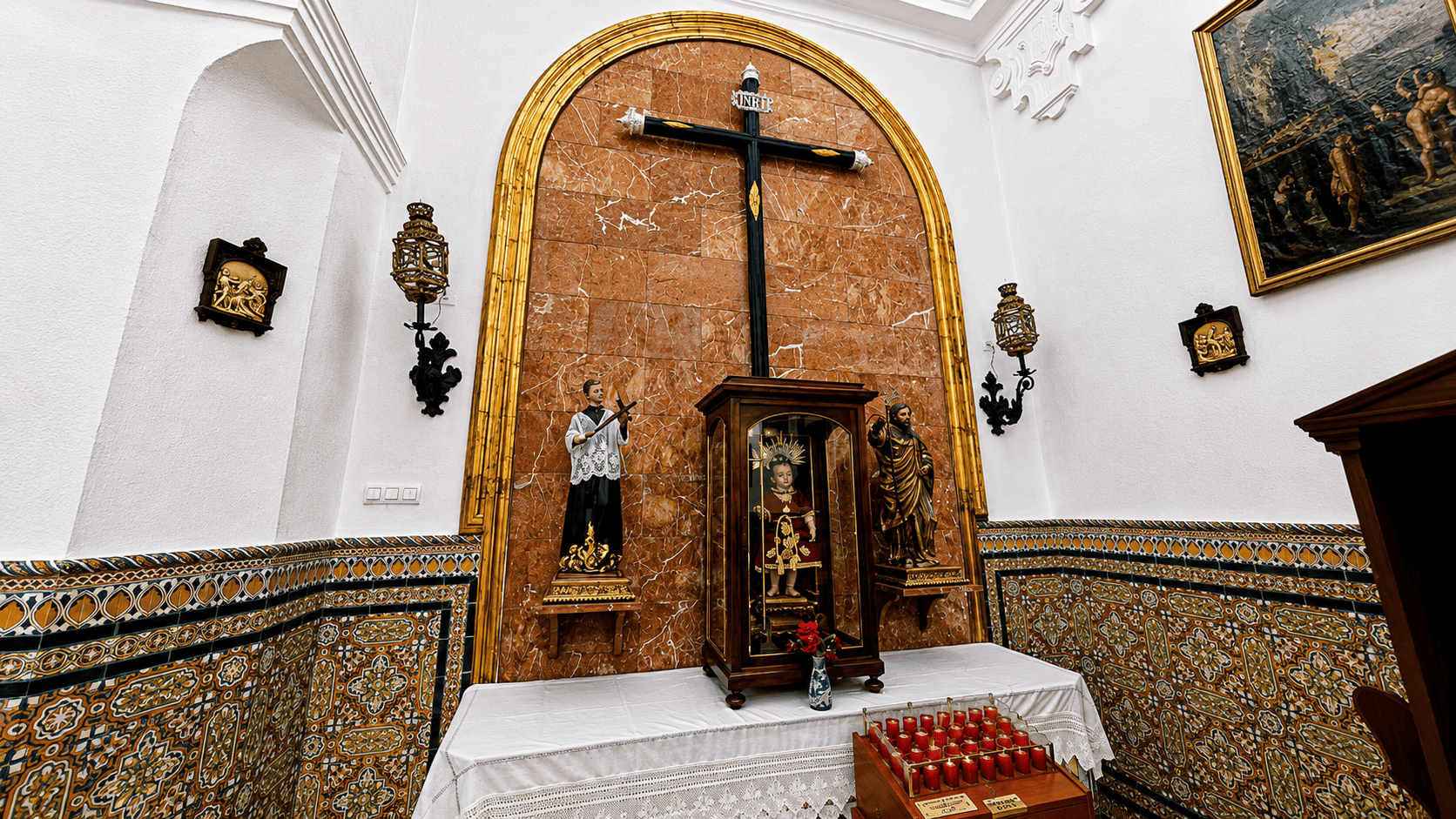
Nuestra Señora de Belén Hermitage
The Chapel of Our Lady of Bethlehem is one of the oldest and most iconic buildings in Pilas, and is considered the original centre around which the town began to develop. Built on the site of a unique 14th-century Gothic-Mudejar building and extended over the centuries, it preserves a remarkable architectural and artistic ensemble, presided over by the image of the town’s patron saint. Its history and the works it houses offer an insight into the evolution of Pilas from its medieval origins to the present day.
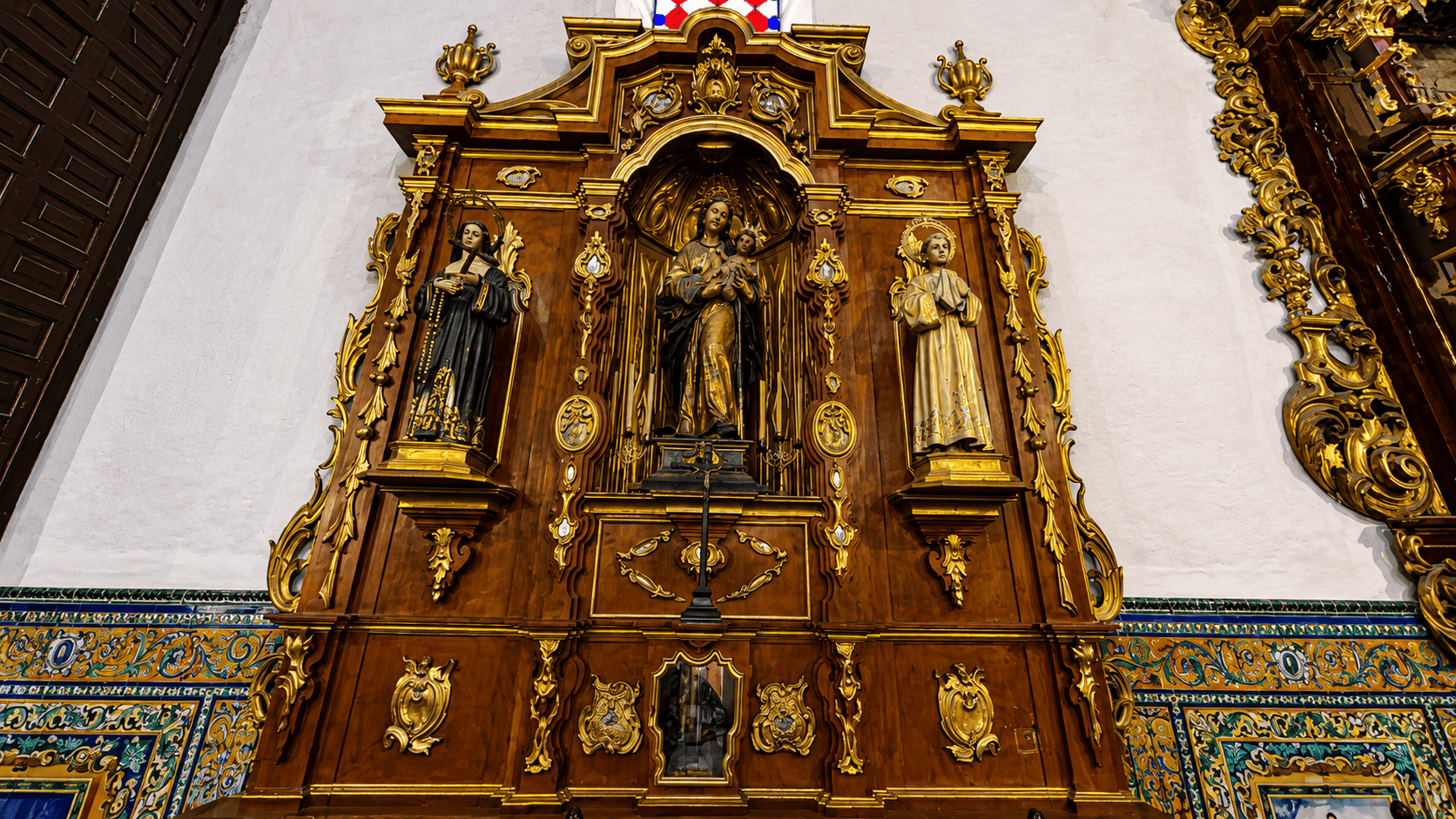
Santa María la Mayor Church
The Parish Church of Santa María la Mayor is the result of a long historical evolution that began after the Castilian conquest in the 13th century. Its current configuration reflects the successive transformations it underwent over the centuries, resulting in a basilica-plan church with three naves enriched with numerous chapels. Inside, it preserves an important collection of altarpieces, sculptures and pieces of silverwork that bear witness to the artistic evolution of the parish between the 16th and 20th centuries.
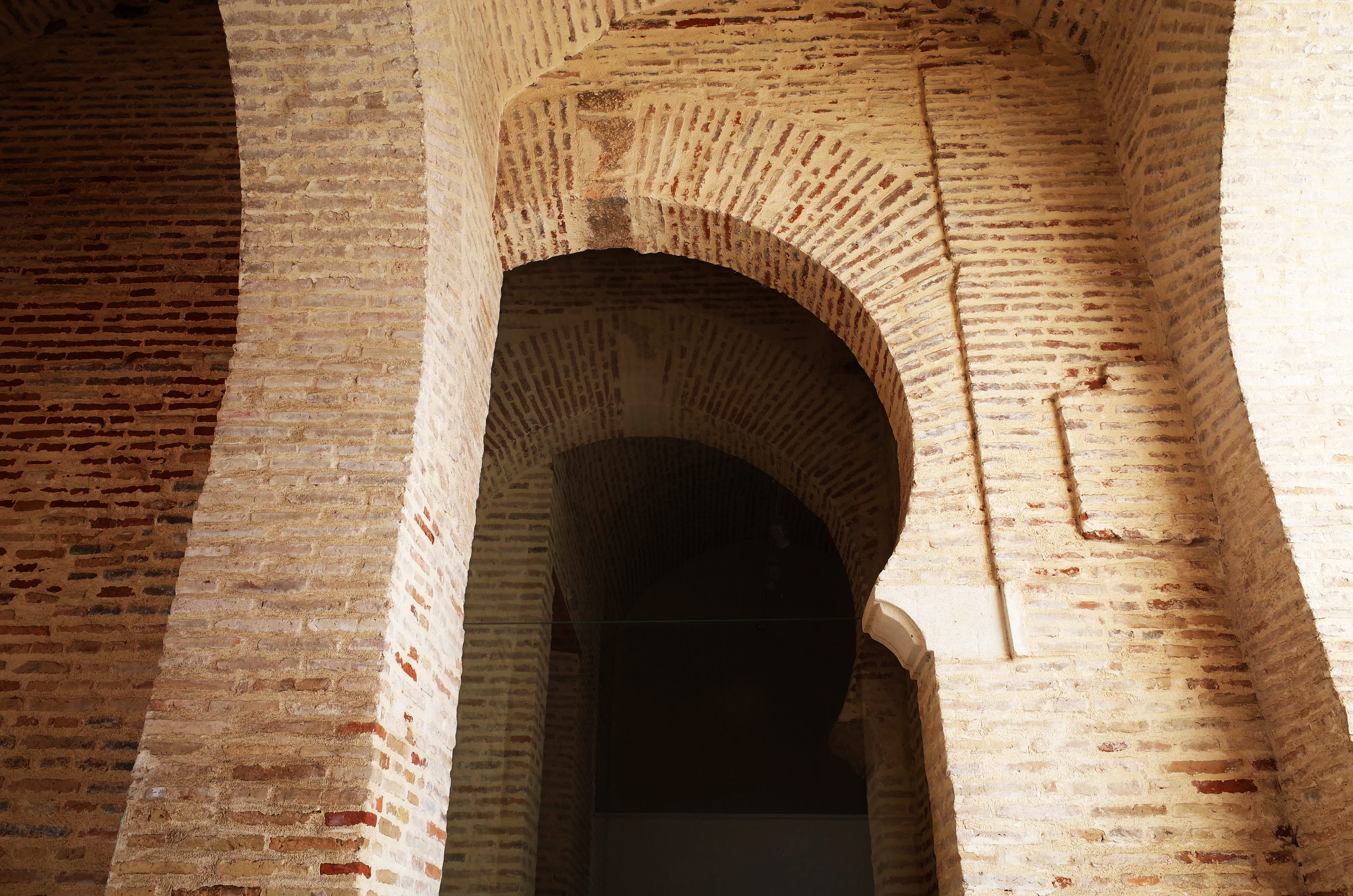
Arquillo de la Pescadería – Municipal Granary – Mosaic
The complex comprising the Arquillo de la Pescadería and the Pósito is one of Aznalcázar’s most iconic monuments. The Almohad gate, a remnant of the medieval fortified enclosure, its subsequent transformation and the construction of the municipal granary during the 18th century reflect how this space has adapted to the town’s changing needs and how it has evolved over the centuries.
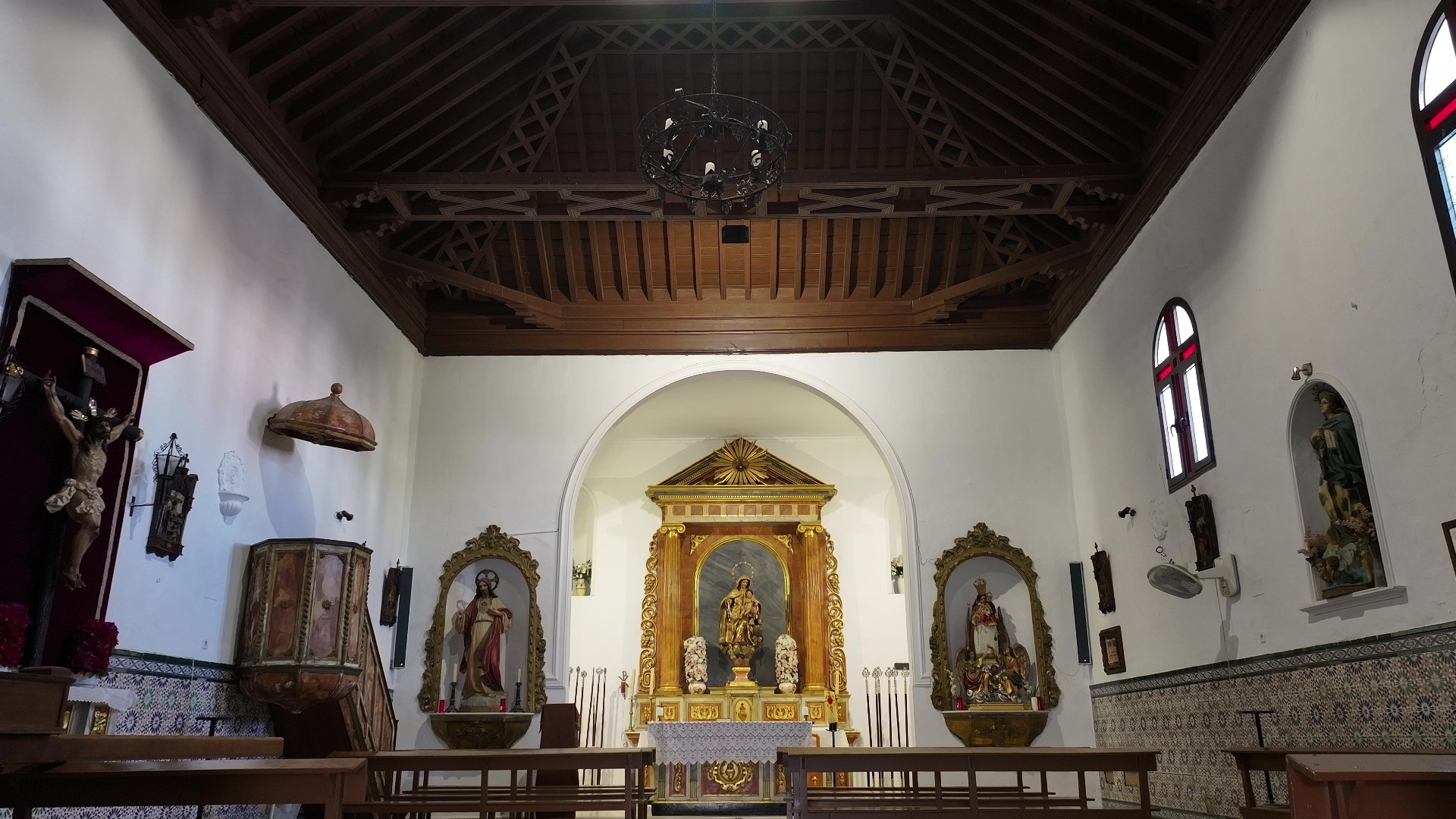
Historical and artistic heritage of Isla Mayor
Isla Mayor is a municipality located in the marshes of the Guadalquivir, whose development has been linked to the transformation of this territory and to the cultivation of rice. Its history is relatively recent and constitutes a good example of how human intervention modified one of the most characteristic landscapes of the surroundings of Doñana.
La Puebla del Río Virtual Viewpoint
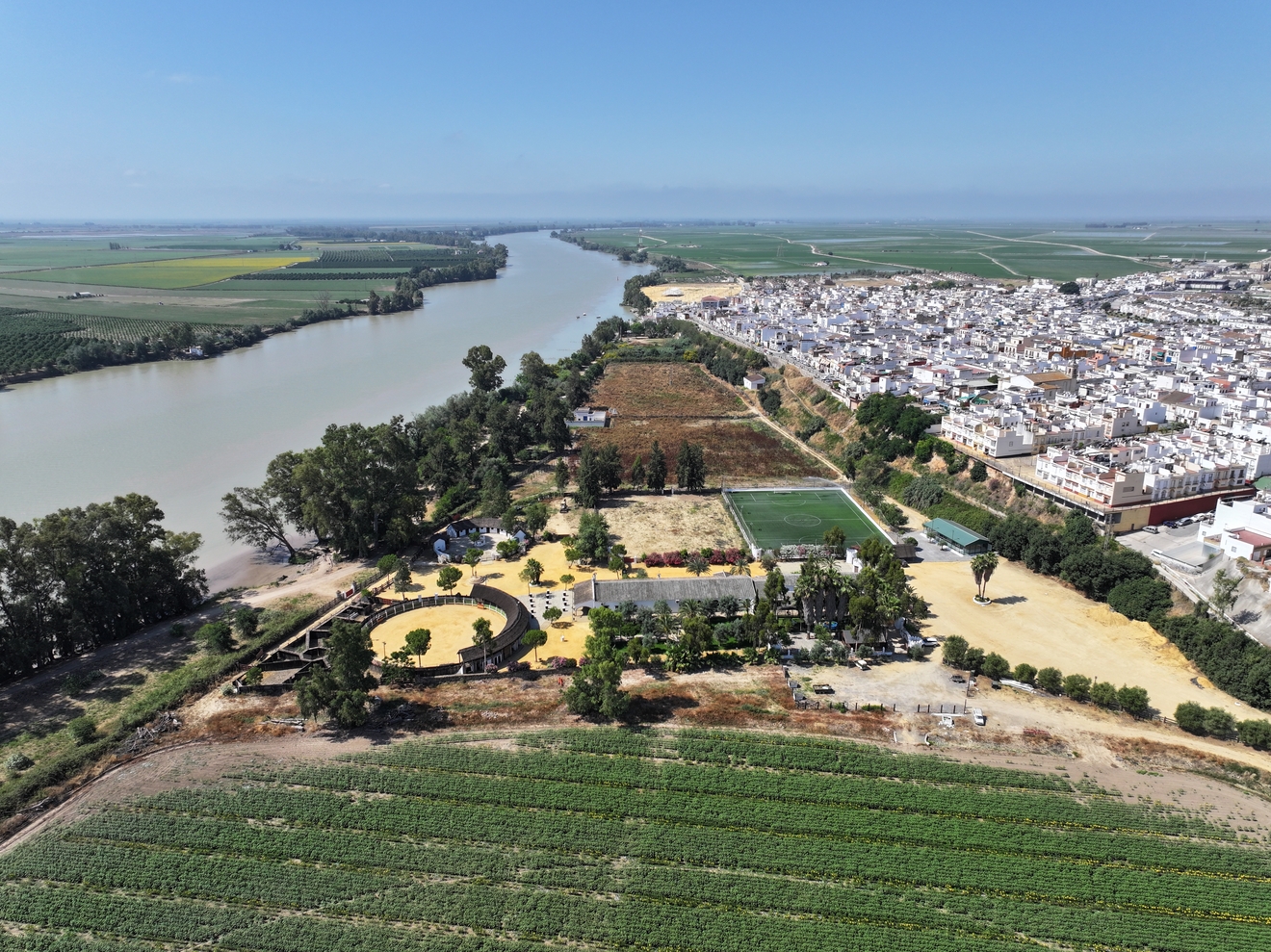
Located in the heart of the Lower Guadalquivir, La Puebla del Río is a municipality where history, culture and nature have evolved in an inseparable way. Its close connection with the river and the marshes has given rise to its own identity, reflected in its heritage, its traditions and its way of understanding the territory.
Villamanrique de la Condesa Natural Heritage
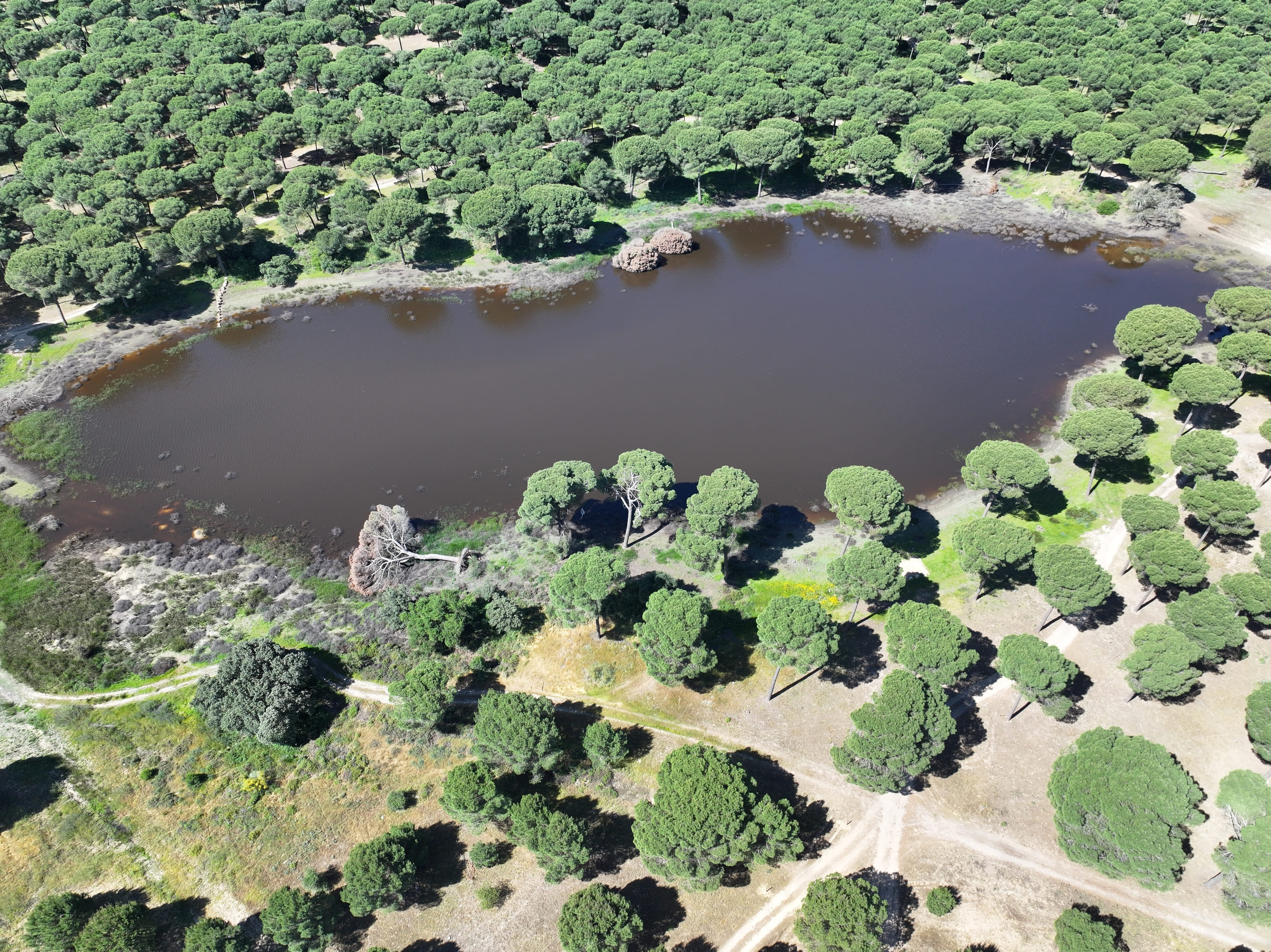
Villamanrique de la Condesa occupies a transitional space between the Aljarafe, the Sevillian countryside and the natural surroundings of Doñana. The close relationship between nature and human activity has shaped a landscape that still preserves a large part of its ecological and cultural values.
Historical and Artistic Heritage of Villamanrique de la Condesa
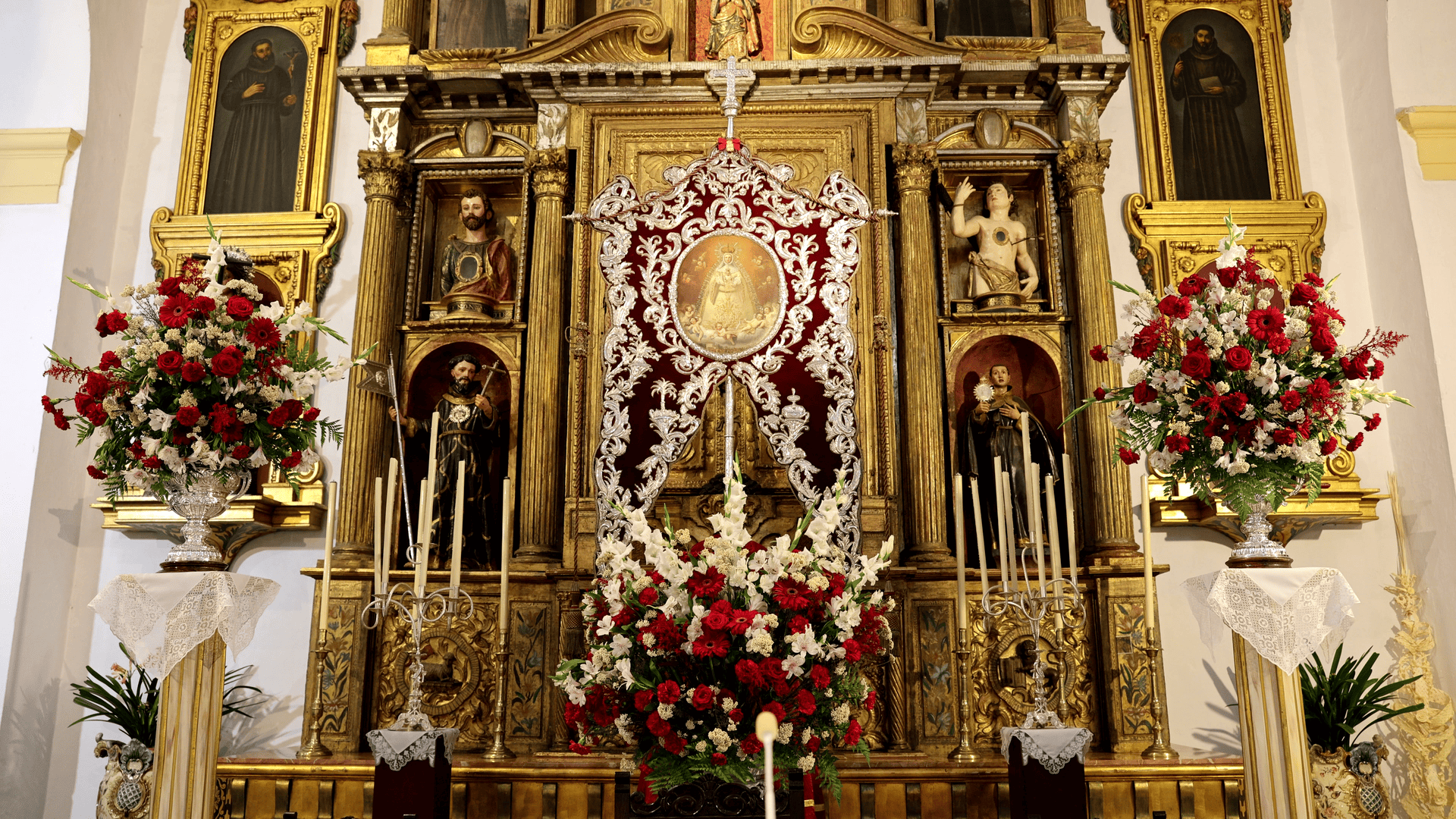
Villamanrique de la Condesa preserves a valuable heritage ensemble in which architecture, tradition and history form a single reality. Its streets reflect the close relationship between the municipality and the Way of El Rocío, while buildings such as the church of Santa María Magdalena, the Royal Palace or the Ethnographic Interpretation Centre make it possible to understand the historical and cultural evolution of the locality.