
- Home
- Interest Points
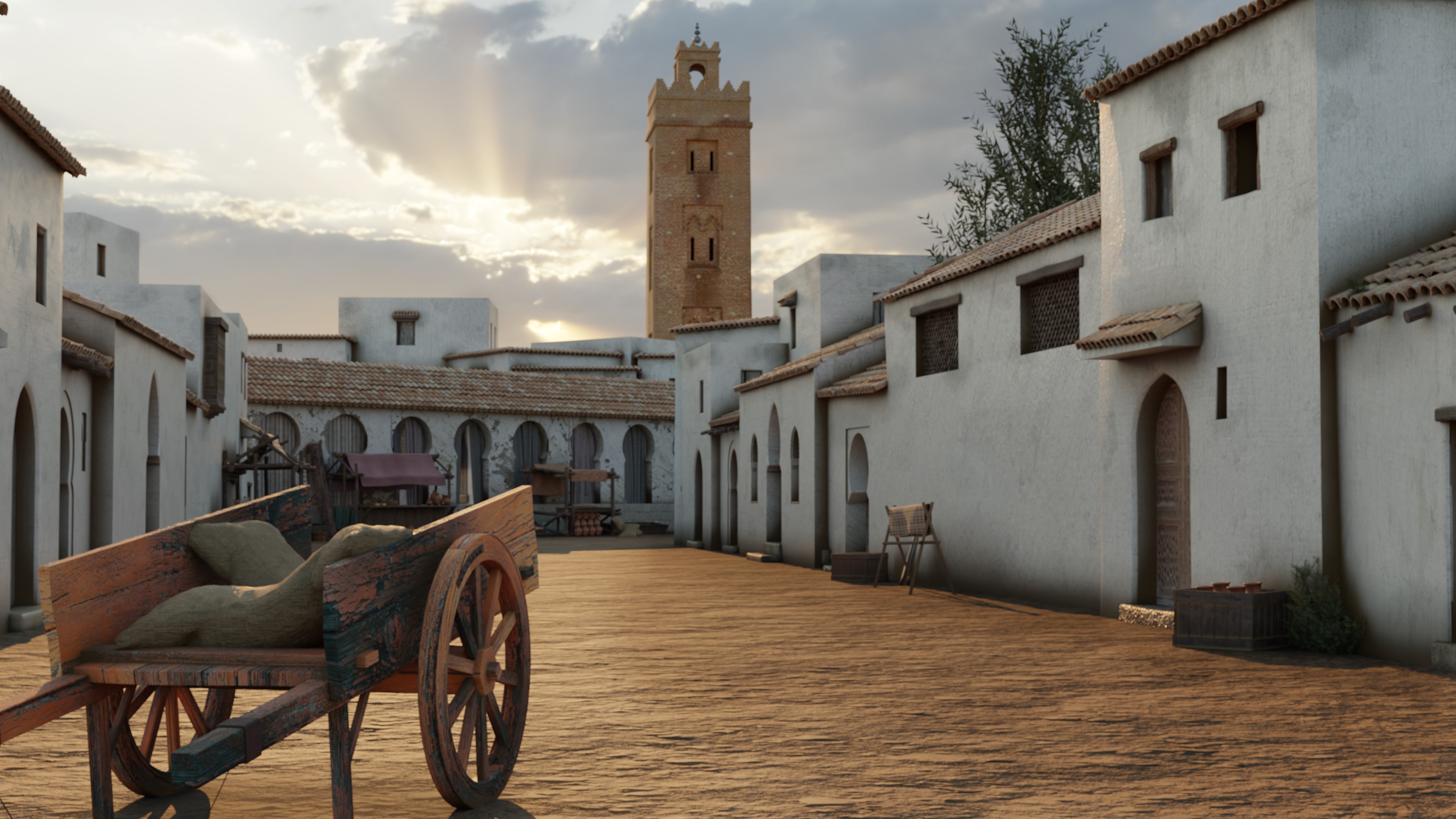
Ermita de Cuatrovitas
The current Cuatrovitas chapel, located in Seville, contains one of the best-preserved rural mosques of Al-Andalus, built around 1180 during the Almohad period.
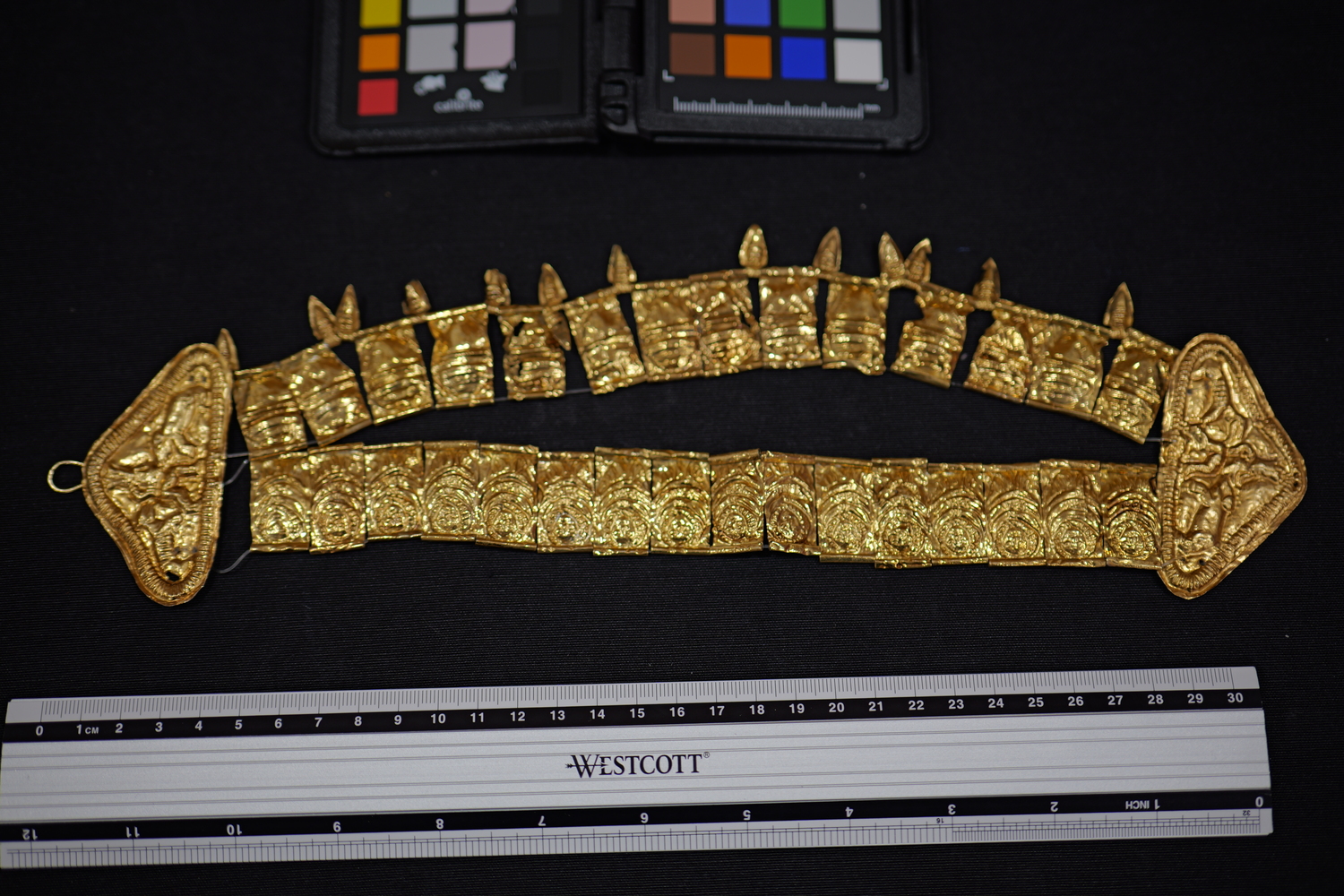
Turdetan Treasure
The Treasure of La Puebla de los Infantes constitutes one of the most outstanding sets of Iberian goldwork preserved in Andalusia. Its pieces, made of gold during the 3rd century BC, reflect the high technical level reached by the workshops of the period and the importance that this territory had in the final moments of Iberian culture.
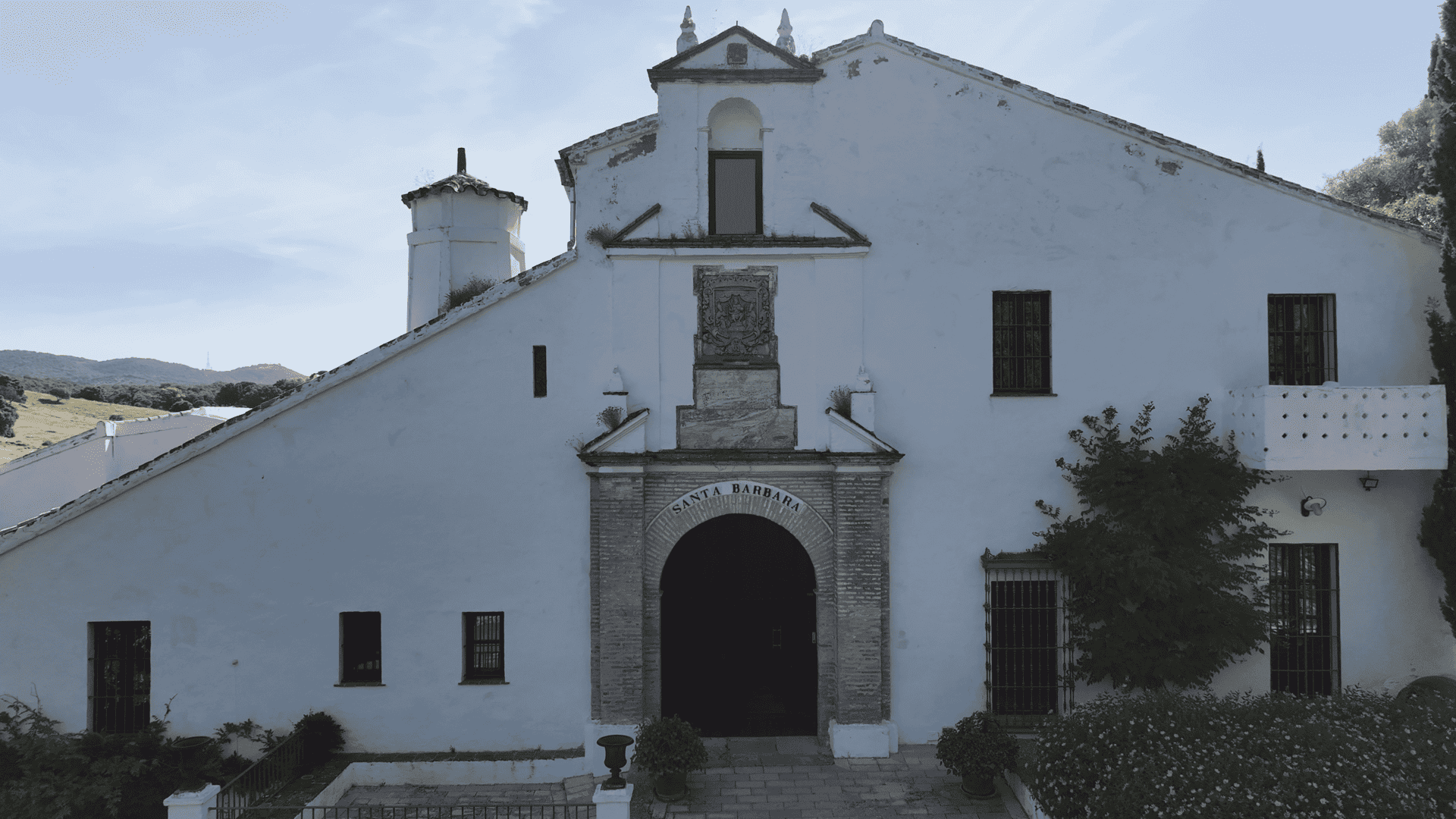
Snow Wells
The complex is situated within the Sierra Norte Natural Park. In 2006, Los Pozos de la Nieve received a Special Mention from Europa Nostra for its valuable contribution to the conservation and enhancement of cultural and industrial heritage; a year later, in 2007, Constantina Town Council also awarded it a prize for Urban Initiatives for Heritage Conservation. These are the only snow pits in Western Andalusia and also the only ones incorporated into a building in the whole of Andalusia.
They are situated to the north-east of Constantina, next to the junction between the roads to San Nicolás del Puerto and Cazalla de la Sierra. The building that houses them stands on a hill, and on the plain to the north are the pools from which the ice was extracted. The snow was collected as soon as it fell.
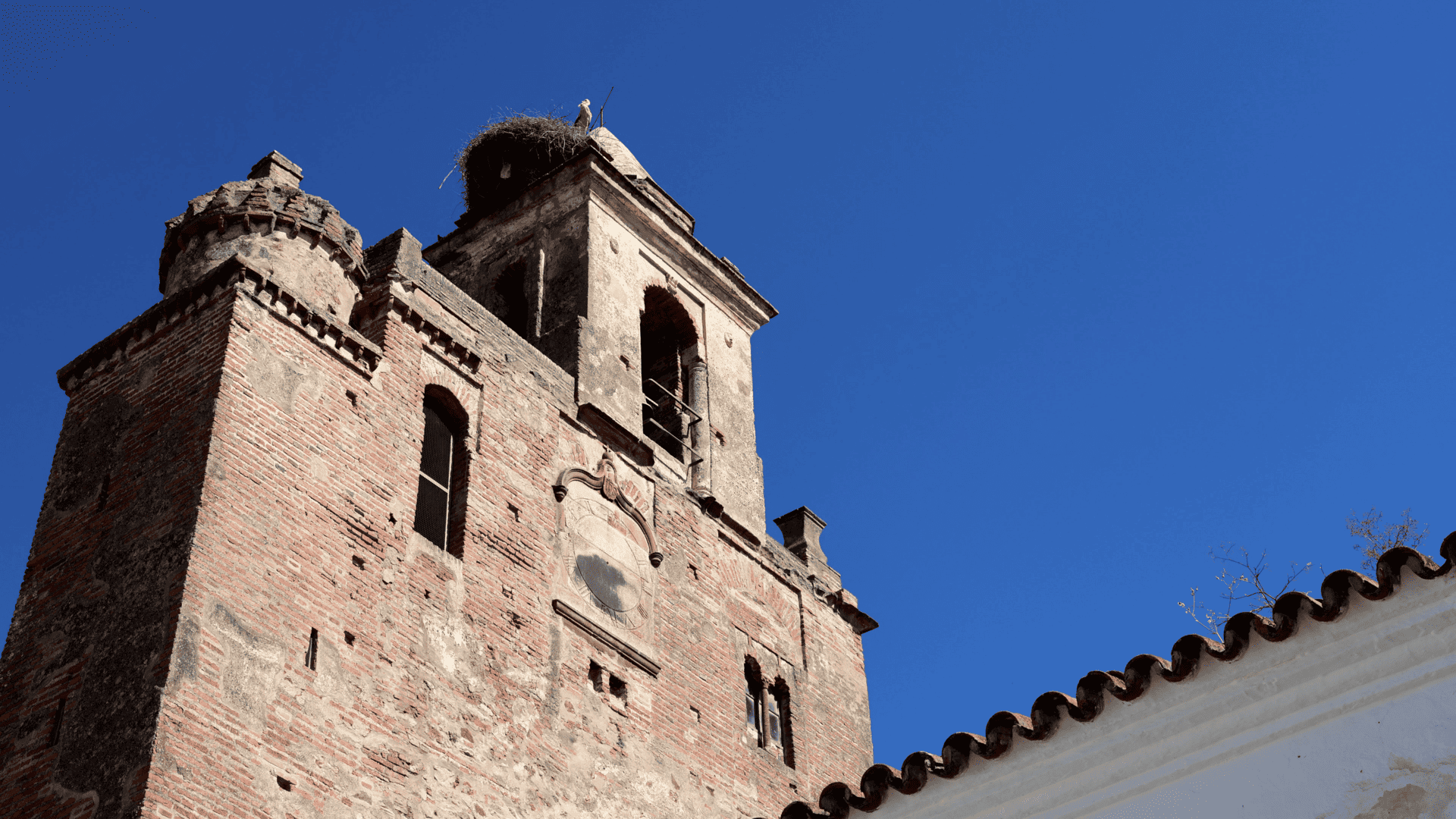
Santa María de las Nieves Church
At the foot of Alanís Castle stands the church of Santa María de las Nieves, a church with over seven centuries of history that is one of the main heritage landmarks of Seville’s Sierra Morena. Its imposing tower-façade and its extraordinary high altarpiece make it a must-see.
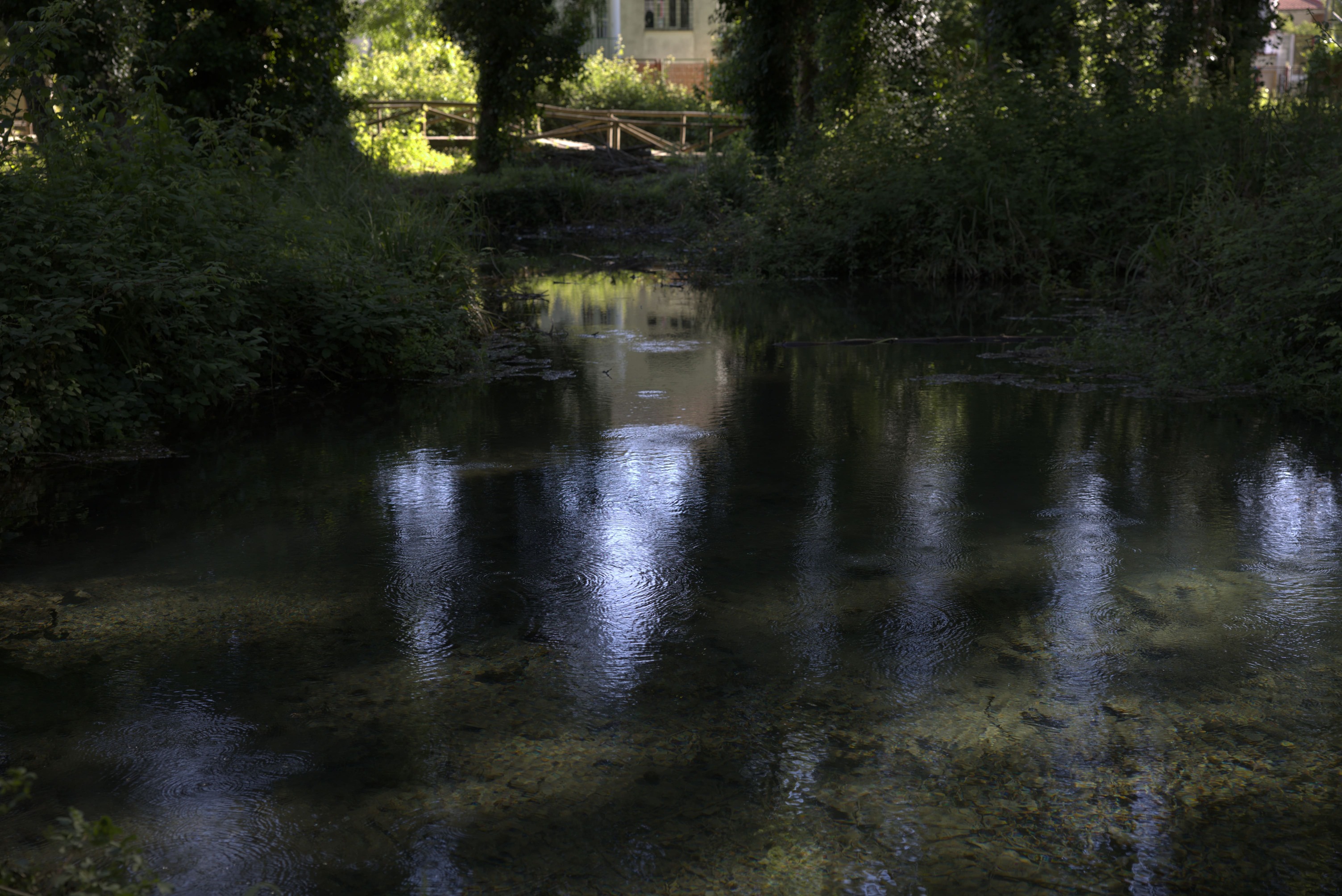
Source of the River Huéznar
The source of the River Huéznar is one of the most unique natural sites in the Sierra Norte de Sevilla. This spring gives rise to a river of crystal-clear waters that has shaped a landscape of great ecological value, characterised by its riverside forests, travertine formations and waterfalls.
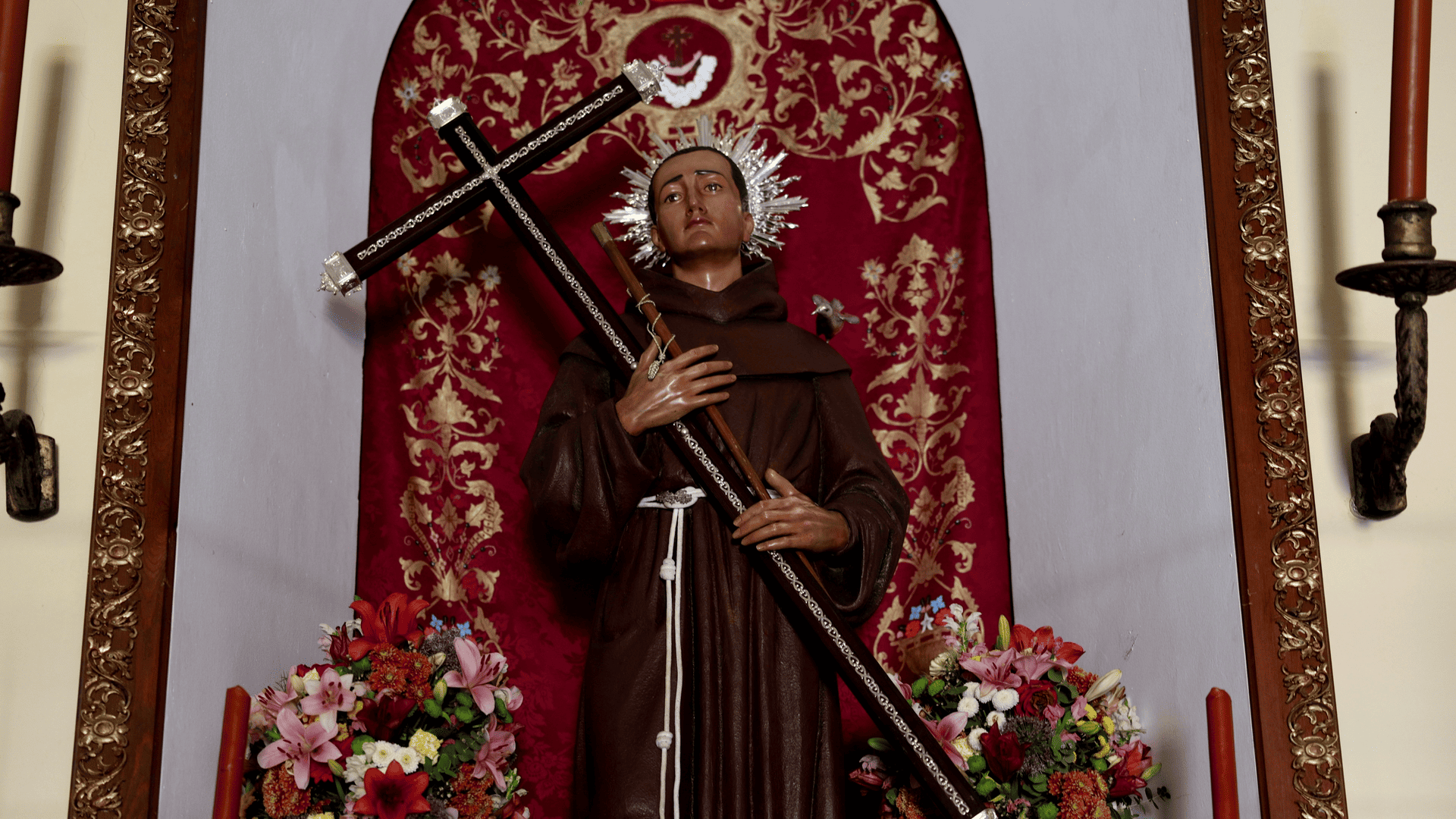
The Life of Saint Diego de Alcalá
The Chapel of San Diego and the centuries-old holm oak associated with the saint are among the most iconic landmarks in San Nicolás del Puerto. This site preserves the memory of the most renowned Franciscan born in the town and one of the most deeply-rooted traditions of the Sierra Norte de Sevilla.
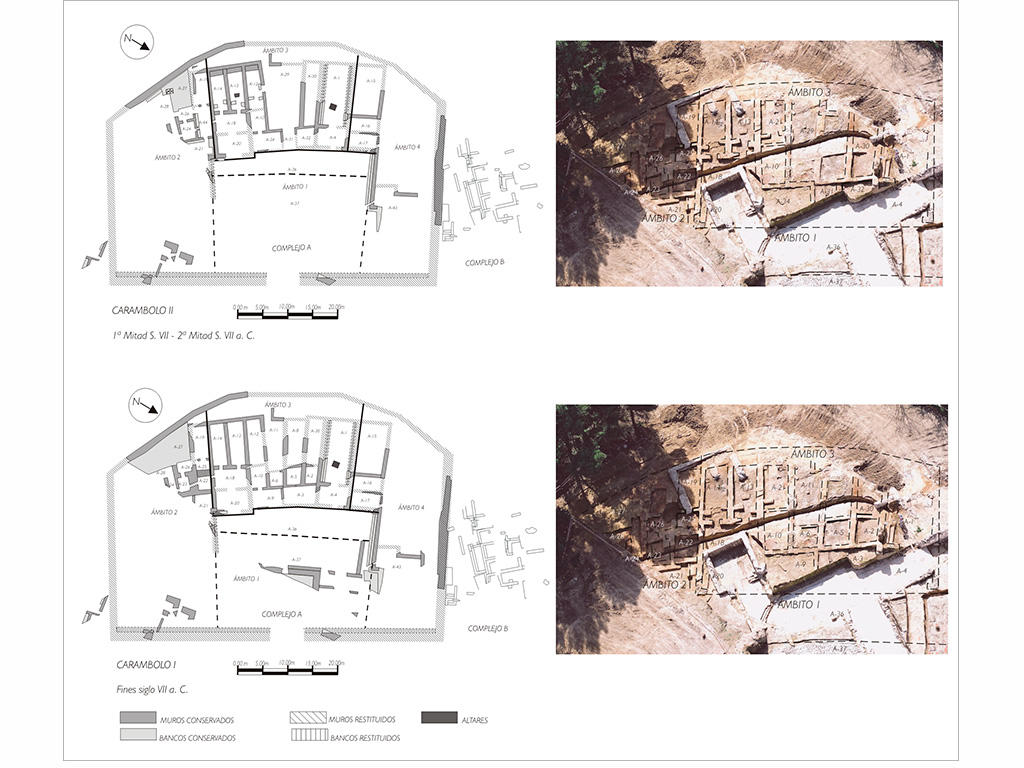
Santuario de El Carambolo
Iron Age sanctuary located on the Cerro de El Carambolo.
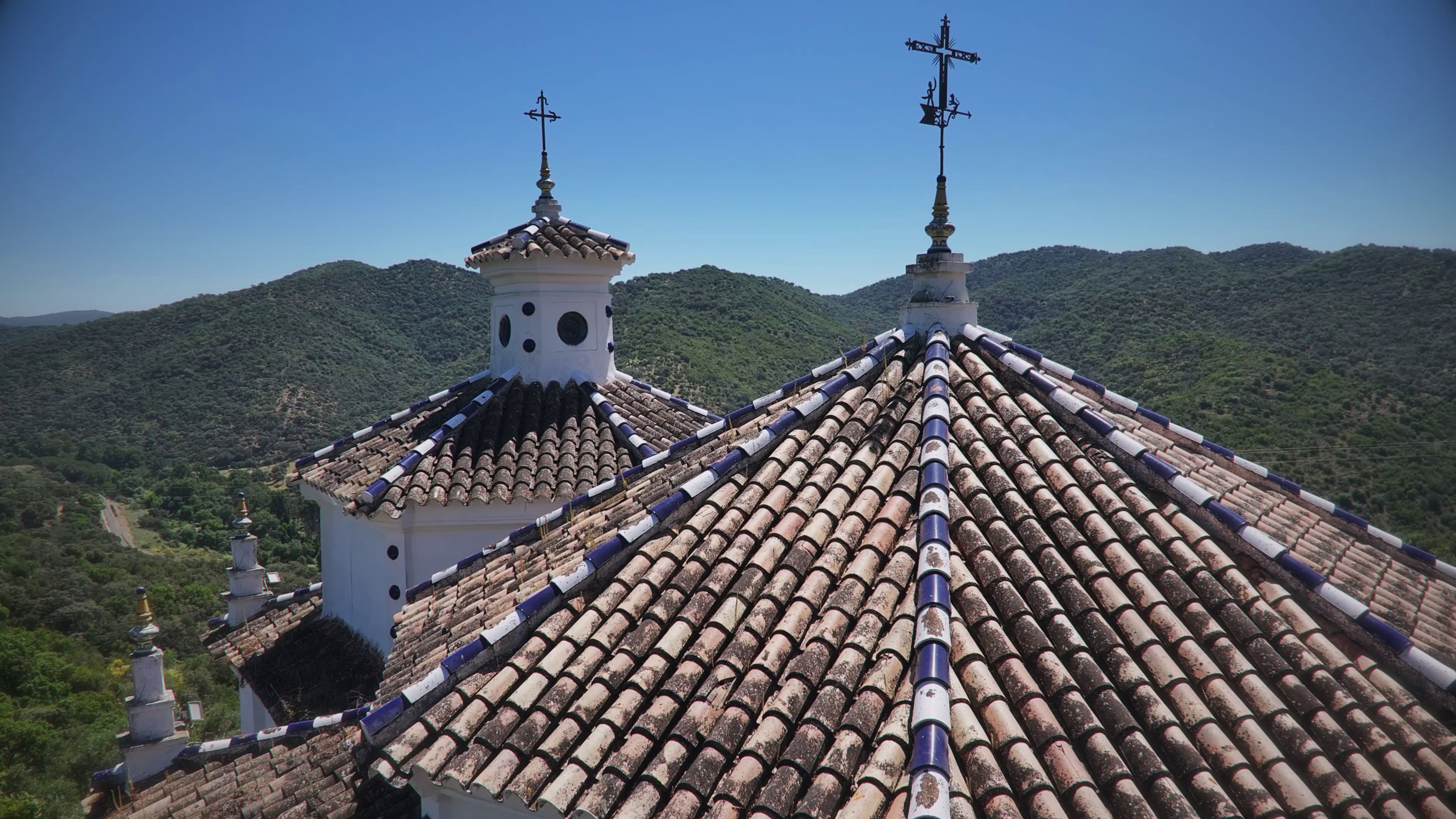
Nuestra Señora del Monte Sanctuary
The Sanctuary of Nuestra Señora del Monte is one of the main centres of worship in Cazalla de la Sierra and the seat of its patron saint. Situated on the outskirts of the town centre, this site brings together architecture, landscape and tradition in a single space, and is also the destination for one of the most important pilgrimages in the Sierra Norte de Sevilla.
Escuelas Nuevas Culture Centre
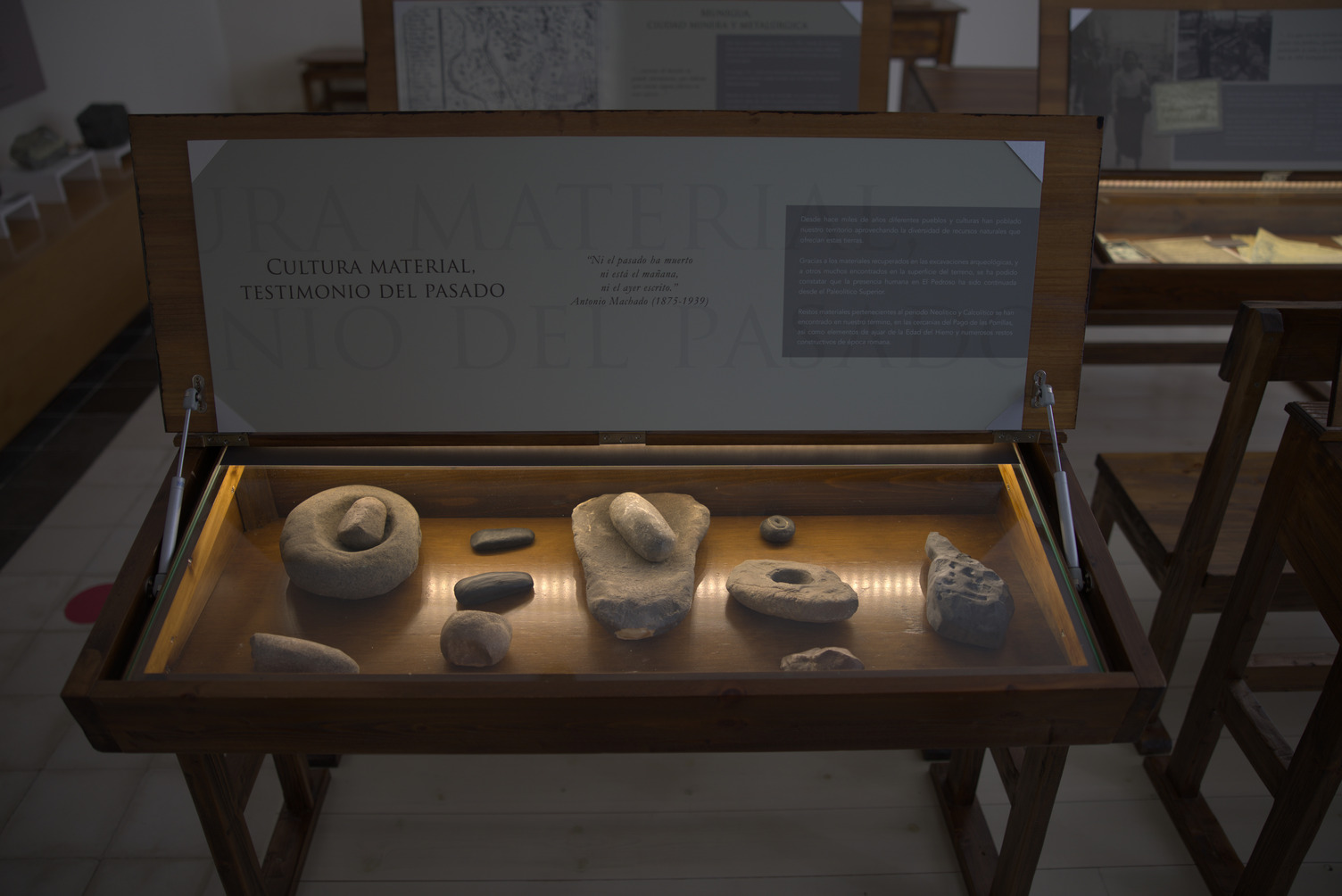
The Escuelas Nuevas Culture Centre occupies the former school of El Pedroso, built in the 1930s and attributed to the architect Aurelio Gómez Millán. Today it houses different exhibition spaces dedicated to history, education, mining and local heritage, keeping alive the cultural and educational vocation with which the building was born.
Estaciones del Huéznar Trail
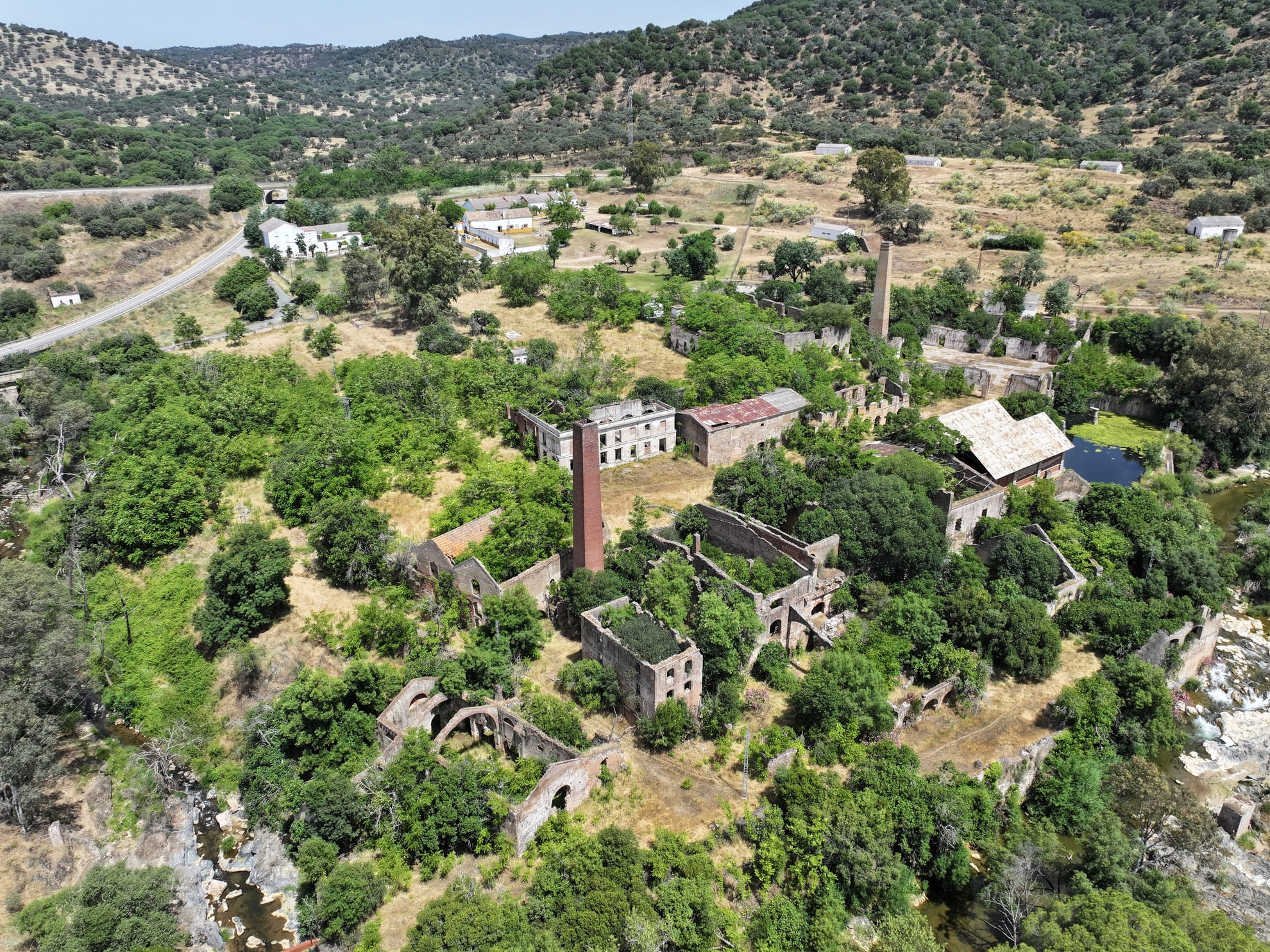
The Sendero de las Estaciones del Huéznar makes it possible to discover one of the most singular landscapes of the Sierra Norte of Seville. The route follows the course of the Huéznar River between the former railway stations of El Pedroso and Cazalla-Constantina, crossing an environment where nature and industrial history coexist in an exceptional way.
Along the way, riverside forests, dehesas and pine forests follow one another, while the ruins of the former Iron Factory of El Pedroso recall the importance that this district reached during the industrialisation of the 19th century.
Santa Brigida Hill
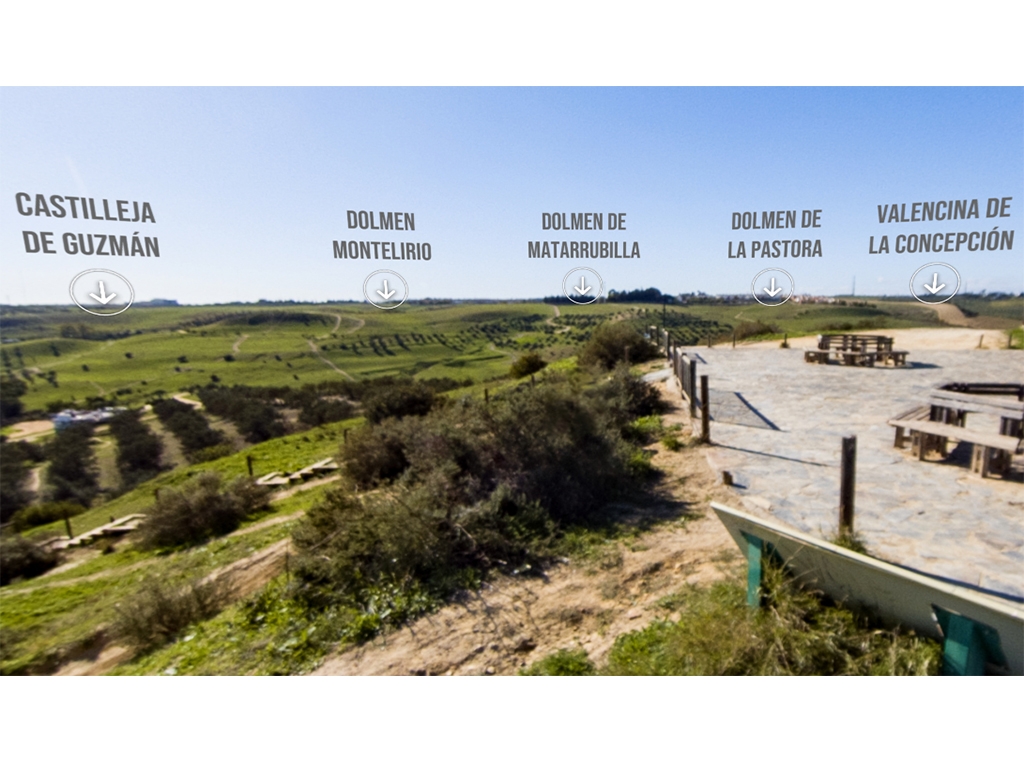
The hill of Santa Brígida is the highest viewpoint in the area. A Muslim marabout was erected here and a chapel dedicated to Santa Brígida was built on top of it.
Tesoro de El Carambolo
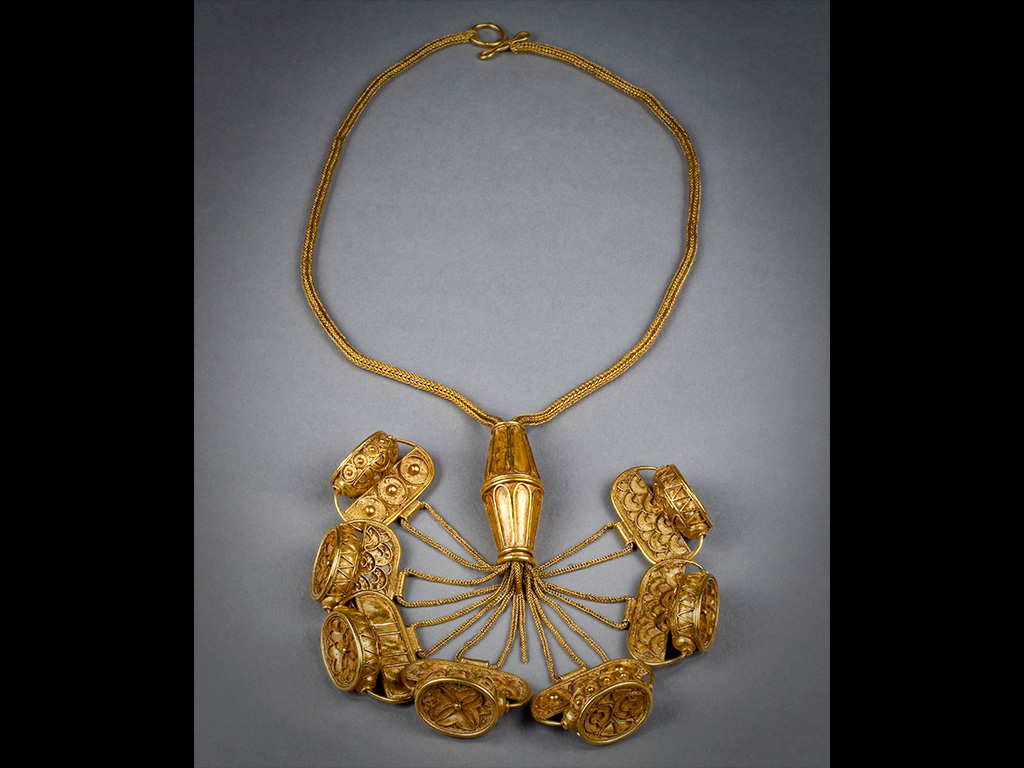
A set of 21 pieces of protohistoric jewellery found inside a large ceramic vessel at Cerro de El Carambolo.
Dolmen de Montelirio
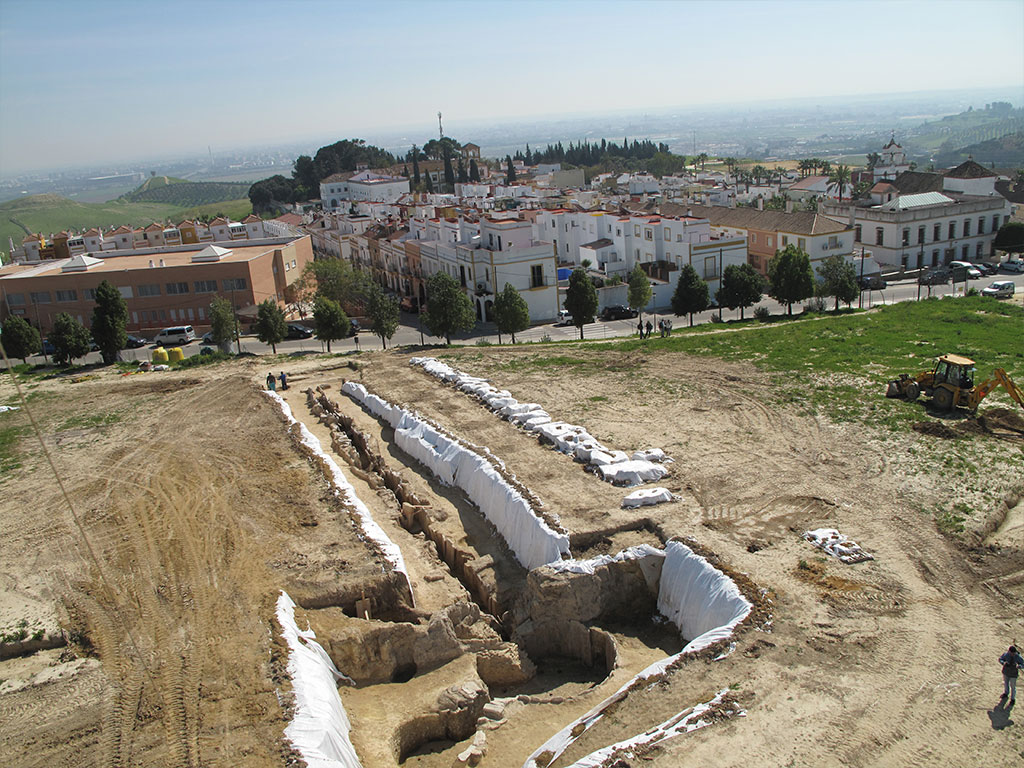
The Montelirio Dolmen is a prehistoric funerary monument consisting of a long underground corridor and two circular chambers linked by a short corridor. Twenty-six burials have been found there.
Jardines de Forestier
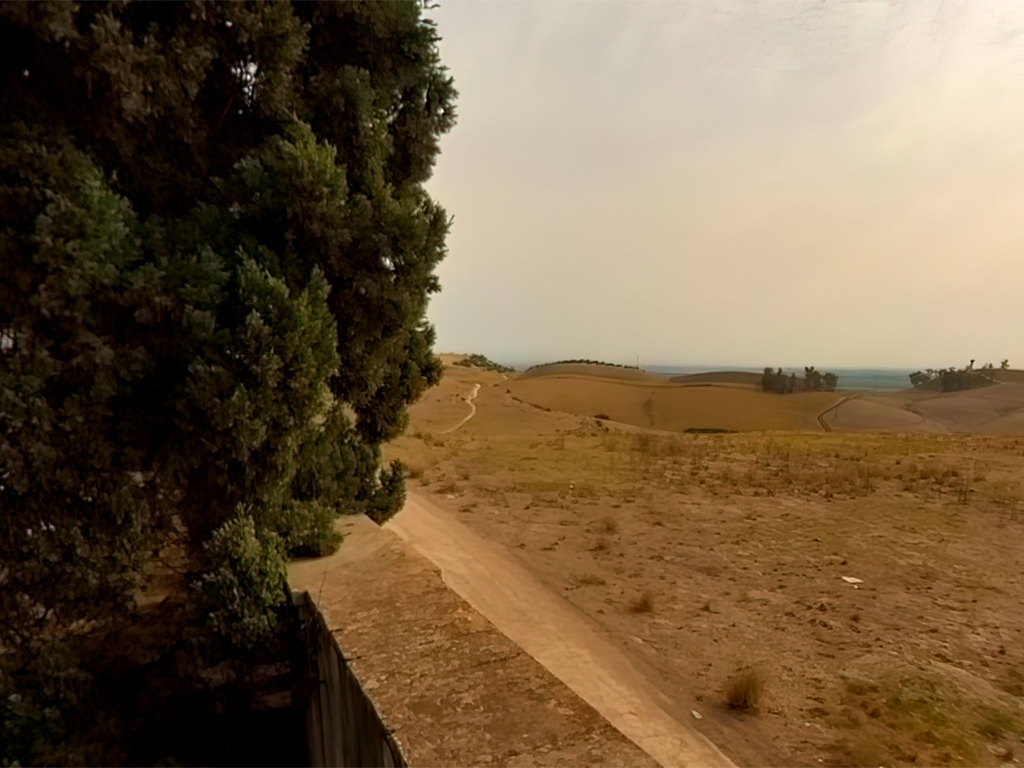
The Forestier Gardens are located at one of the highest points in the Aljarafe area of Seville. They are the last gardens designed and created outside France by Jean Claude Nicolas de Forestier.
Monasterio San Isidoro del Campo
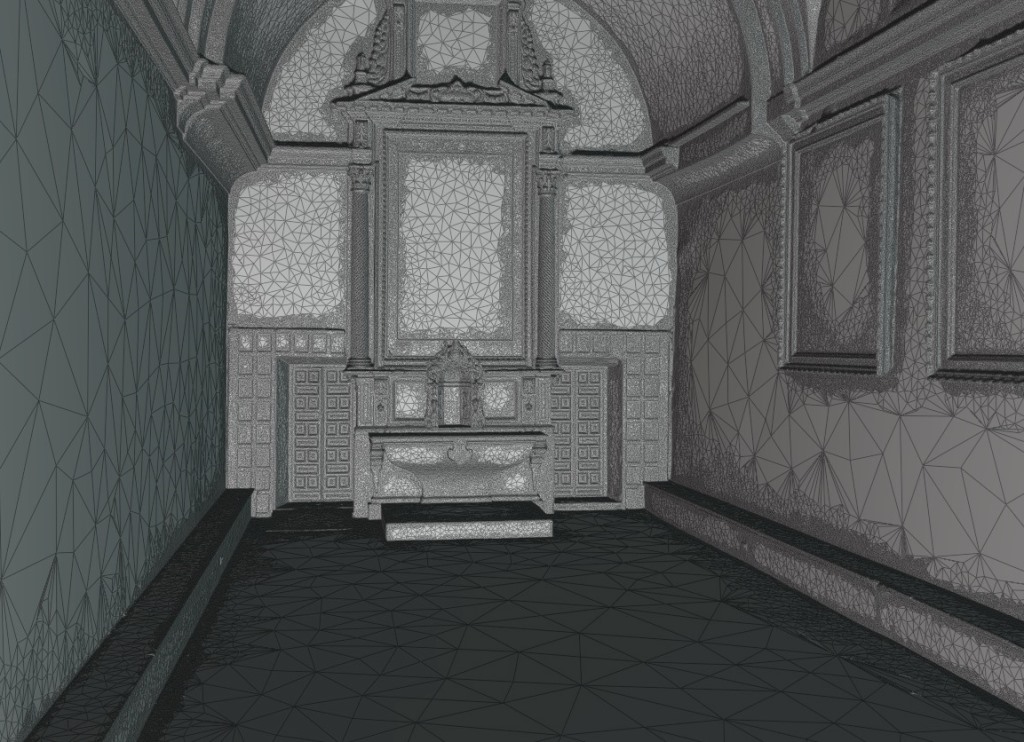
This former convent of the Hieronymites was founded by Guzmán el Bueno in 1301 as a family pantheon over a Mozarabic hermitage where, according to tradition, the body of San Isidoro was buried.
The Chapter House is a place that has undergone numerous alterations from the 14th to the 17th century and where its pictorial decoration stands out.
Vetus Urbs (ciudad antigua de Itálica)
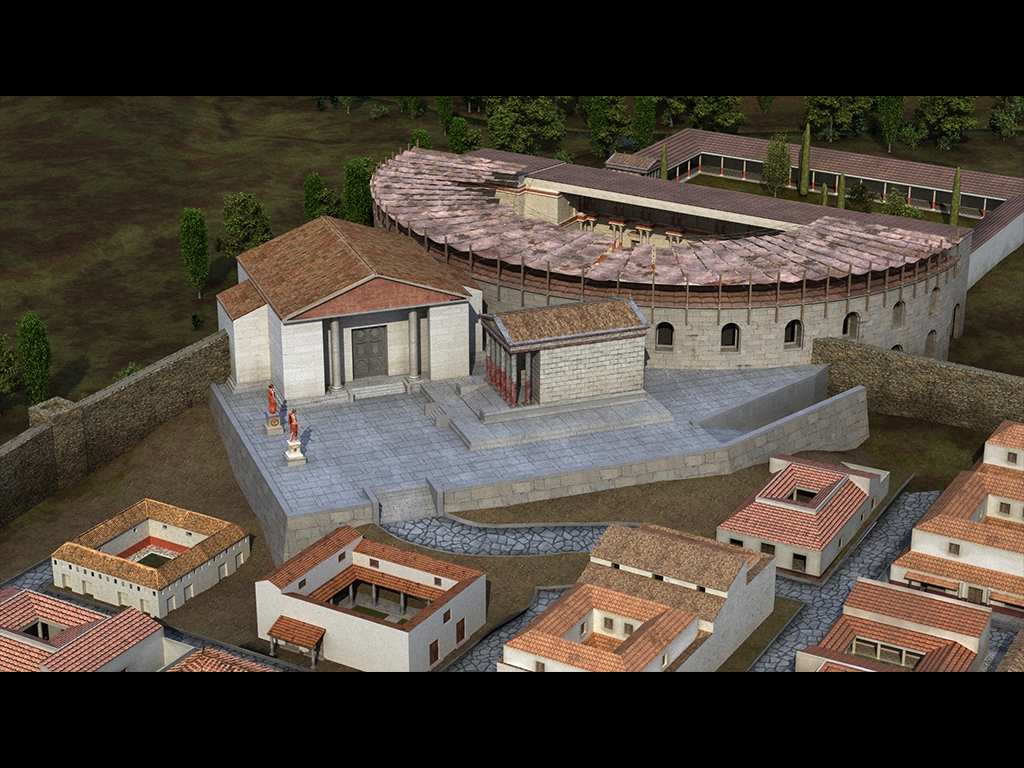
The Itálica Archaeological Site of Cultural Interest Zona Arqueológica Itálica is a Roman settlement from the 3rd century BC divided into two areas: the Vetus Urbs (located under the village of Santiponce) and the Nova Urbs (visitable area of the site).
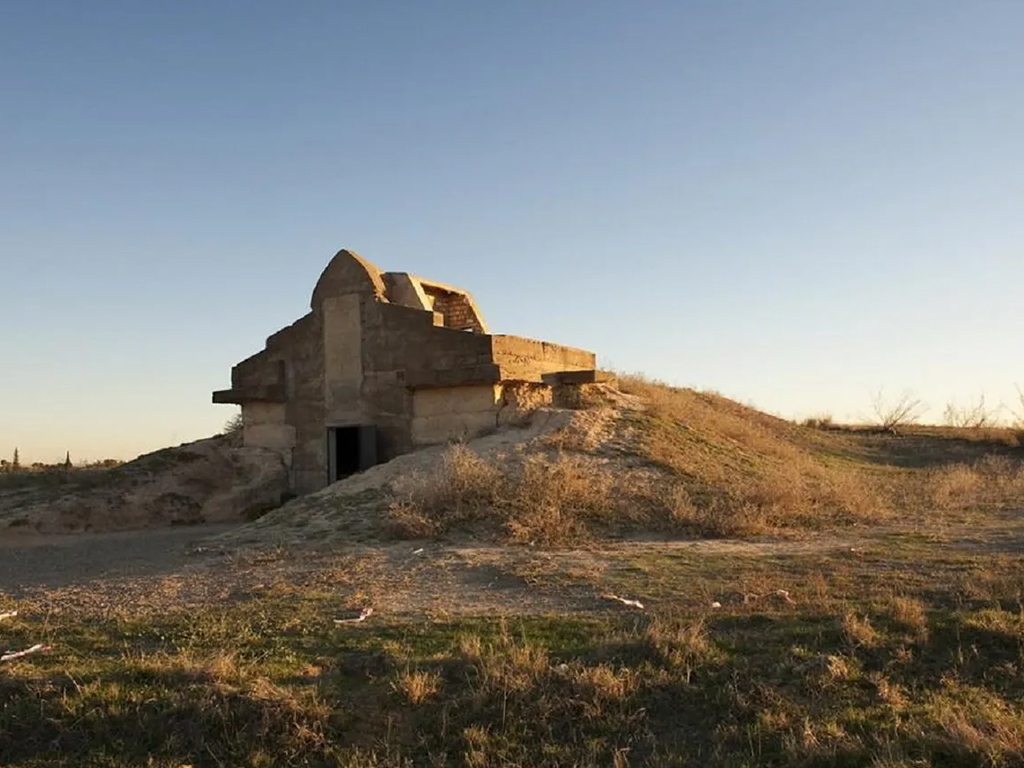
Dolmen of the Pastora
The dolmen of La Pastora is the most important construction in the Chalcolithic archaeological site of Valencia de la Concepción.
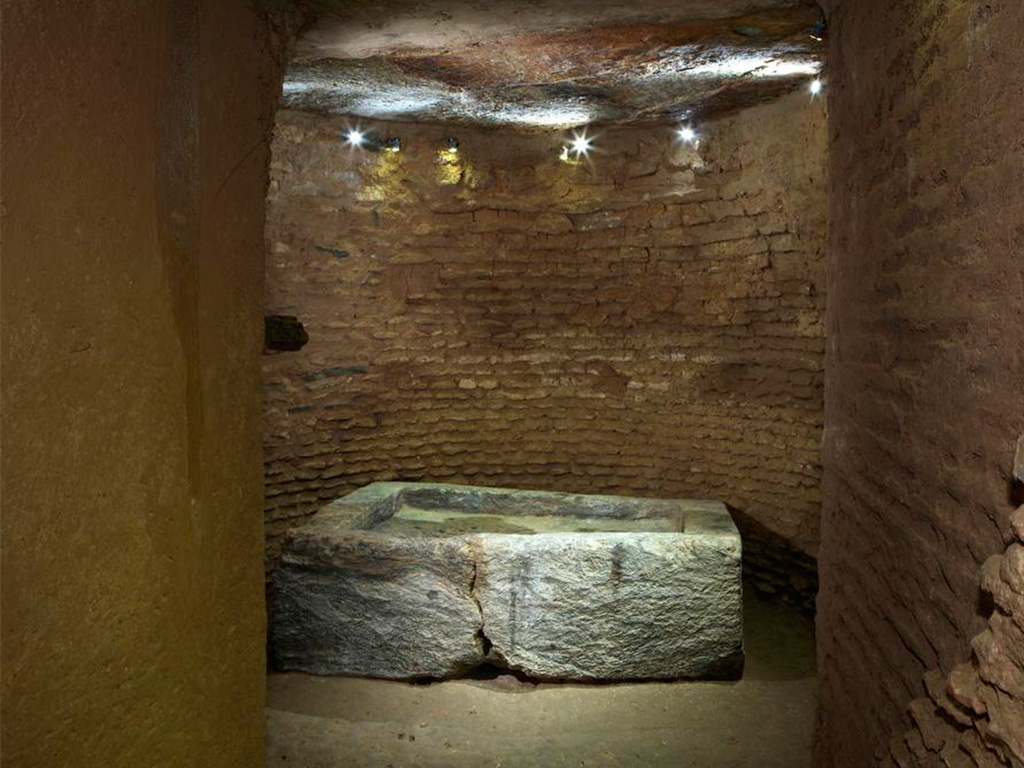
Dolmen de Matarrubilla
The dolmen of Matarrubilla is one of the most spectacular tombs in the area, although its burial mound has yet to be explored. It dates from the beginning of the 3rd millennium BC to the middle of the 2nd millennium BC.
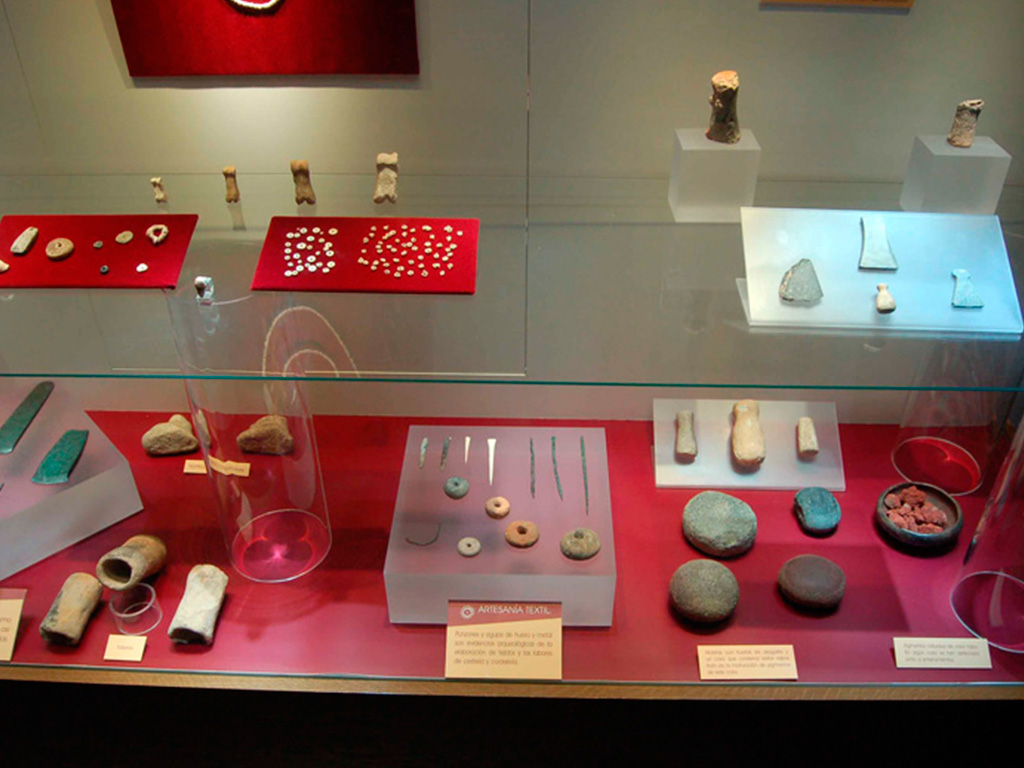
Museo de Valencina de la Concepción
The Museum of Valencina de la Concepción is dedicated to the dissemination of the great and interesting heritage found in this great prehistoric site. Here we can find pieces of incalculable value.
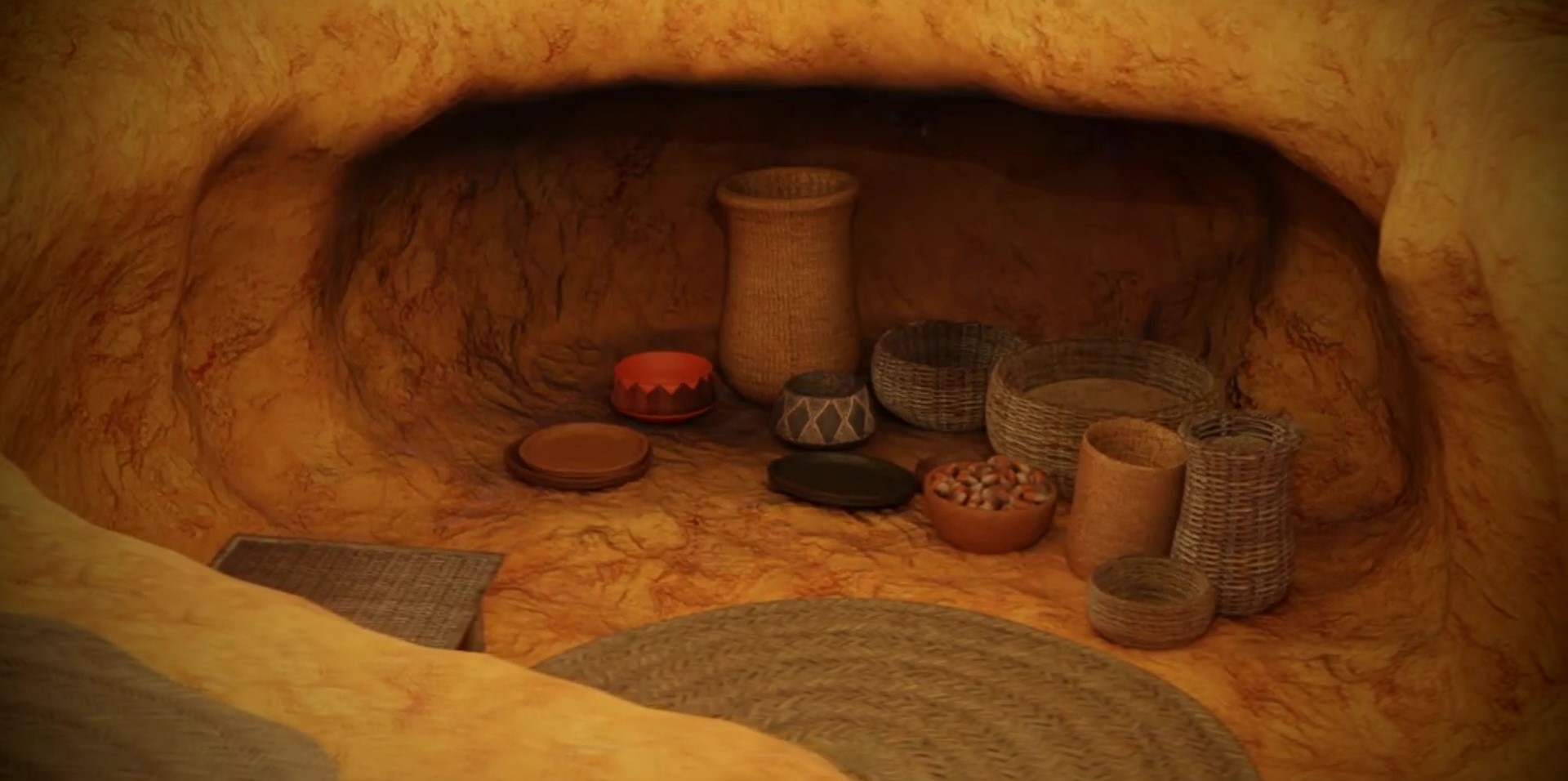
Área adyacente de la Pastora
The area adjacent to the dolmen of La Pastora is one of the main focal points of megalithism on the Iberian Peninsula due to the constructions of the primitive settlement and the monumental funerary constructions.