
- Home
- Interest Points
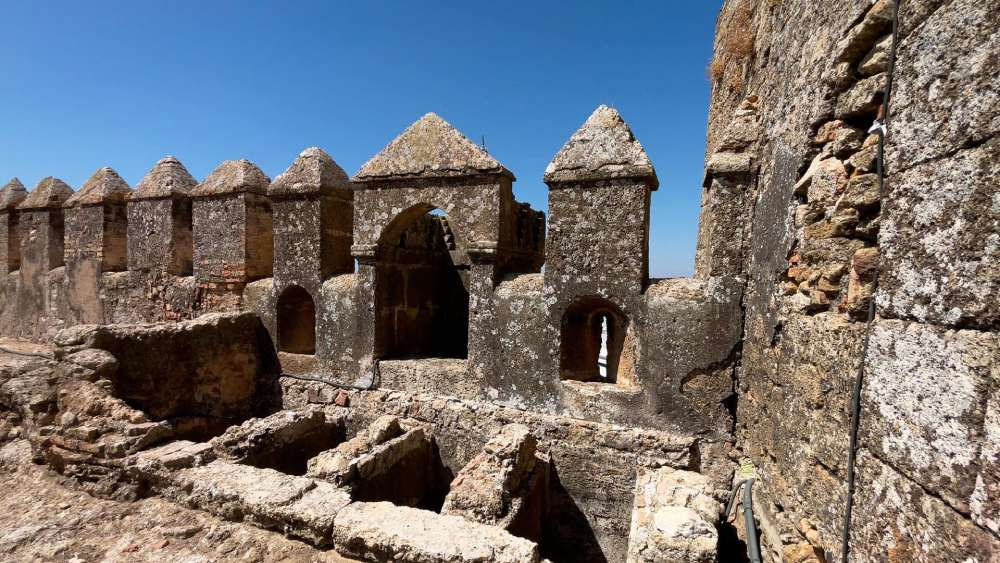
Puerta de Sevilla
The bastion we know today as the Alcázar de la Puerta de Sevilla in Carmona formed part of the city's defensive enclosure and allowed access to the city from the west.
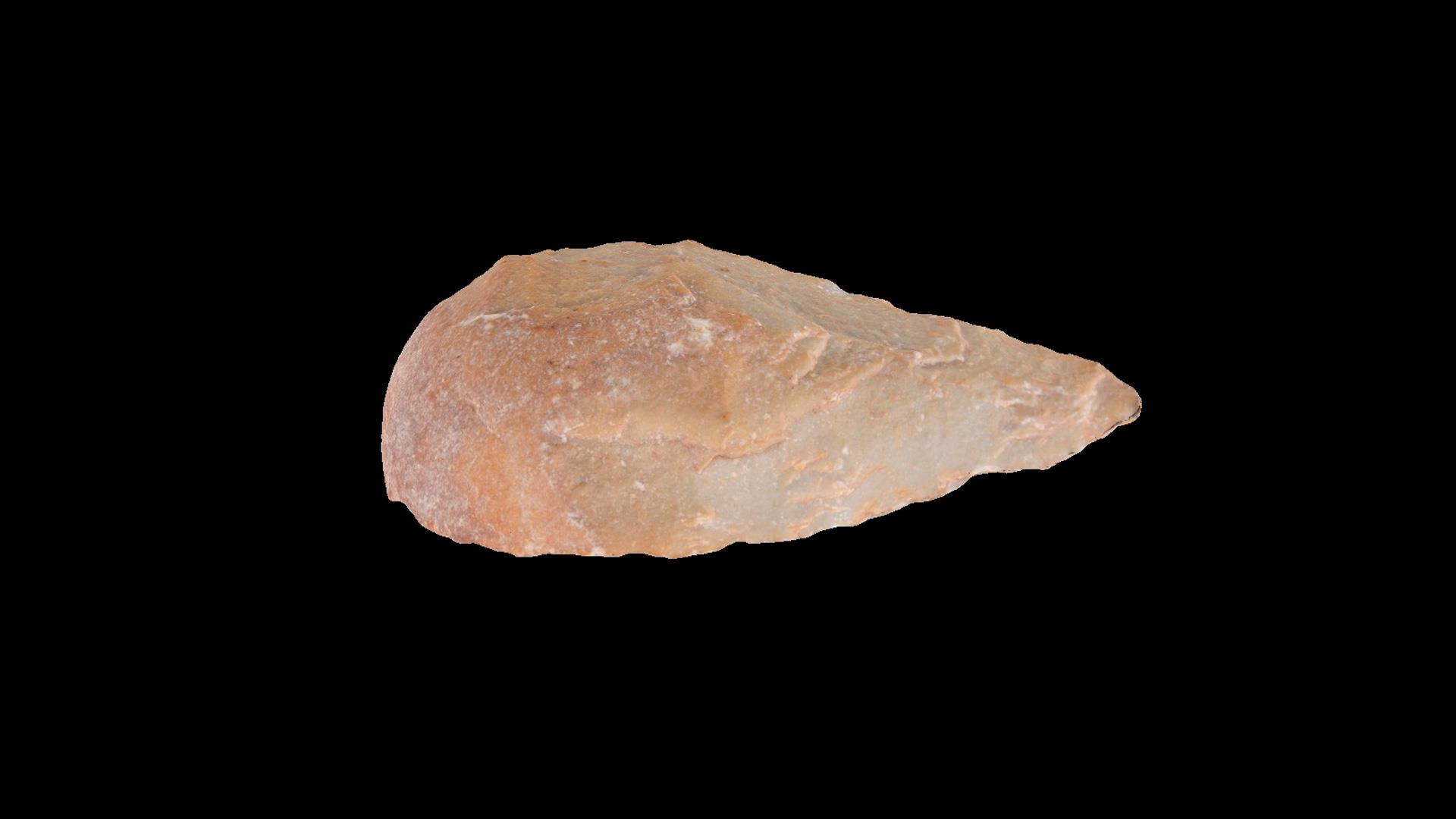
Museum of the City of Carmona
The Museum of the City of Carmona offers a journey through the history of the town, from the first settlements in the Palaeolithic period to medieval times, with an outstanding collection of archaeological remains and works of art. Housed in the Casa Palacio del Marqués de las Torres, the building is an example of 16th and 18th century Sevillian architecture.
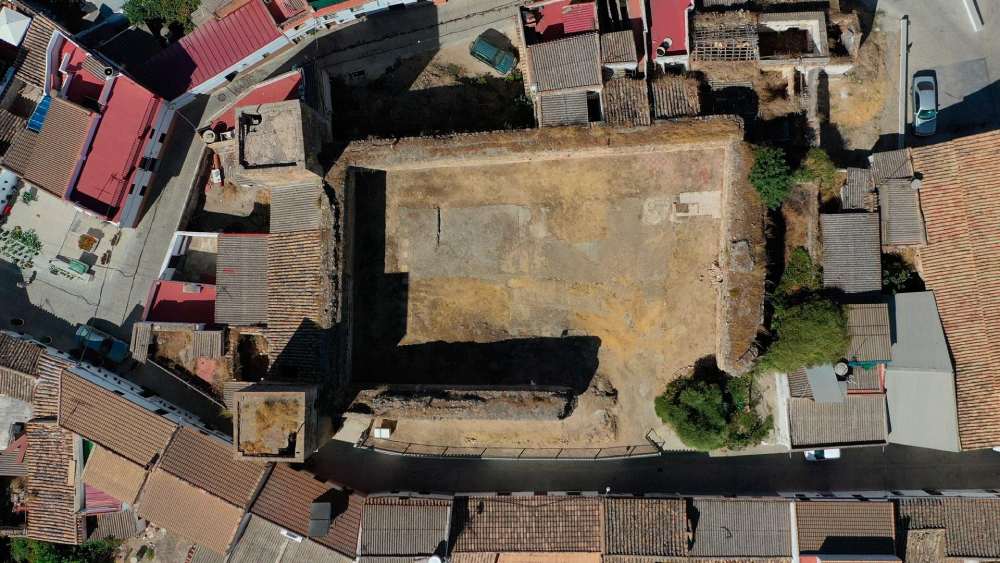
Castle of La Puebla de los Infantes
Castle located at about 231 m above sea level on a platform surrounded by two ravines. It is located in a contact zone between the Sierra and the Campiña, between Sierra Morena and the Guadalquivir valley. In its surroundings there are important fortifications such as Almenara, Toledillo, Peñaflor, Palma del Río, Lora del Río. However, this fortress was linked to Constantina, as the head town of Sierra Morena in this territory that we now call the Sierra Norte of Seville.
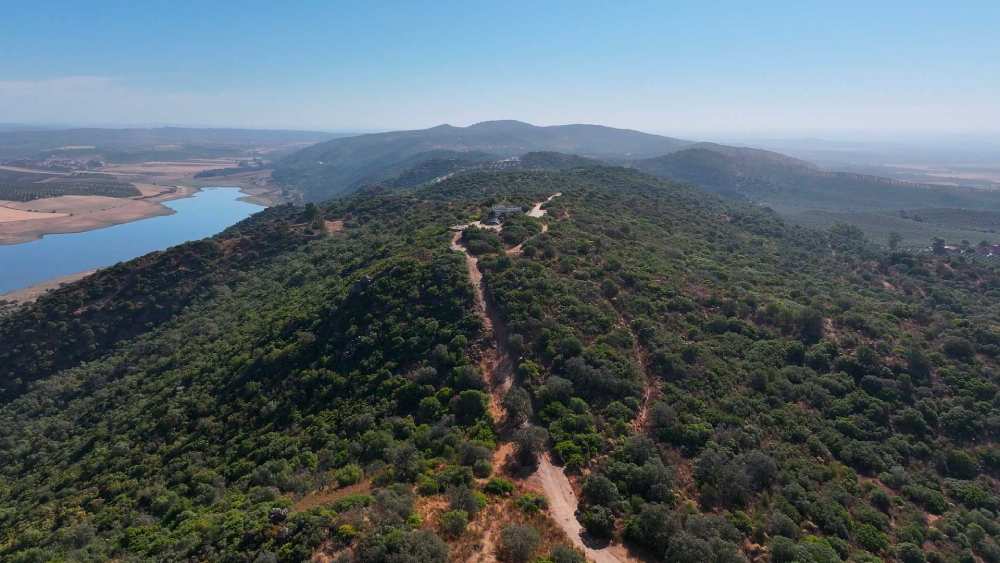
Route of Mirador de la Vera
The Ruta del Mirador de la Vera, in La Puebla de los Infantes, offers a route through impressive landscapes of the Sierra Norte de Sevilla, where nature and tranquillity combine with views of the José Torán reservoir.
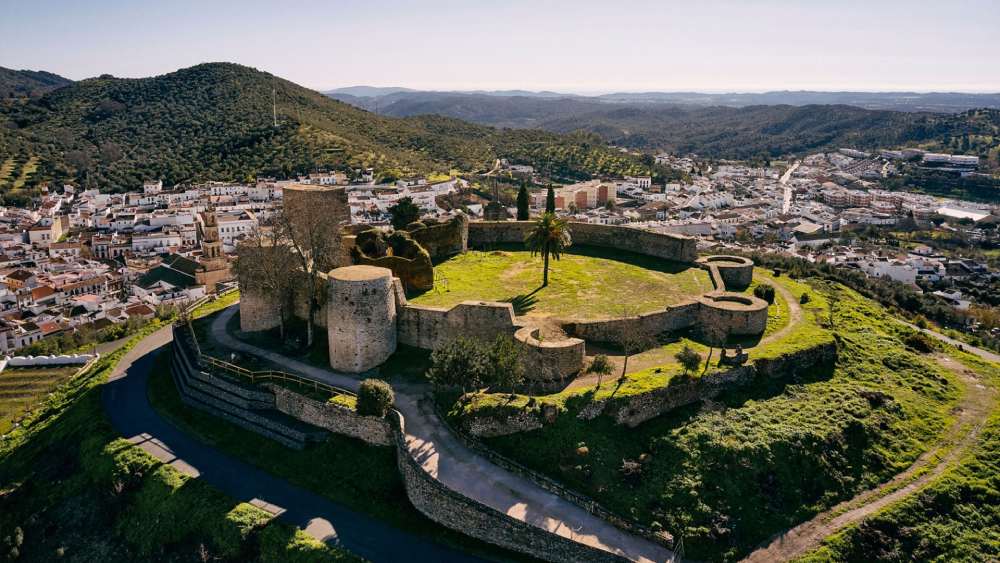
Castle of Constantina
The Castle hill in Constantina was fortified for the first time in the 14th century with an oval-shaped wall to which a cistern was added. The building that we see today, oval in plan and flanked by towers of circular and ultra-semicircular plan, dates from the end of the 15th century and its builder was Rodrigo Ponce de León, at that time governor of the fortress appointed by the council (town council) of Seville. The old enclosing wall of the 14th century became the outer wall of the new castle.
Constantina was the main town of the Sierra de Constantina district, a district rich in hunting, in mines (Cerro del Hierro) and in oak, chestnut, holm oak, alder, ash and cork oak woods. Communal forests or property of the Royal Shipyards of Seville.
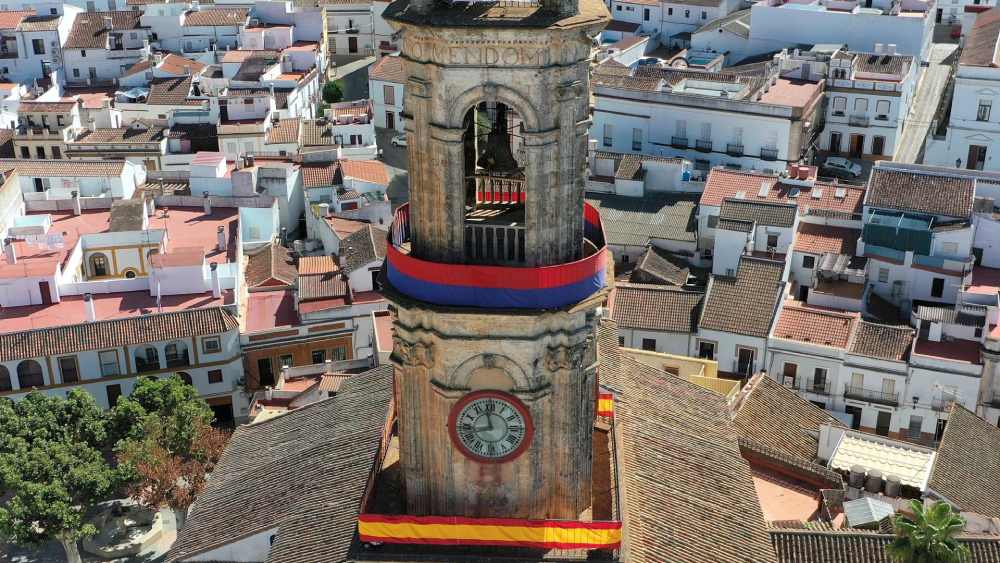
Santa María Encarnación Parish Church
In the Plaza del Llano stands the parish church of Santa María de la Encarnación, which, ennobled by its tower-façade, is the most important church in the centre of Constantina,
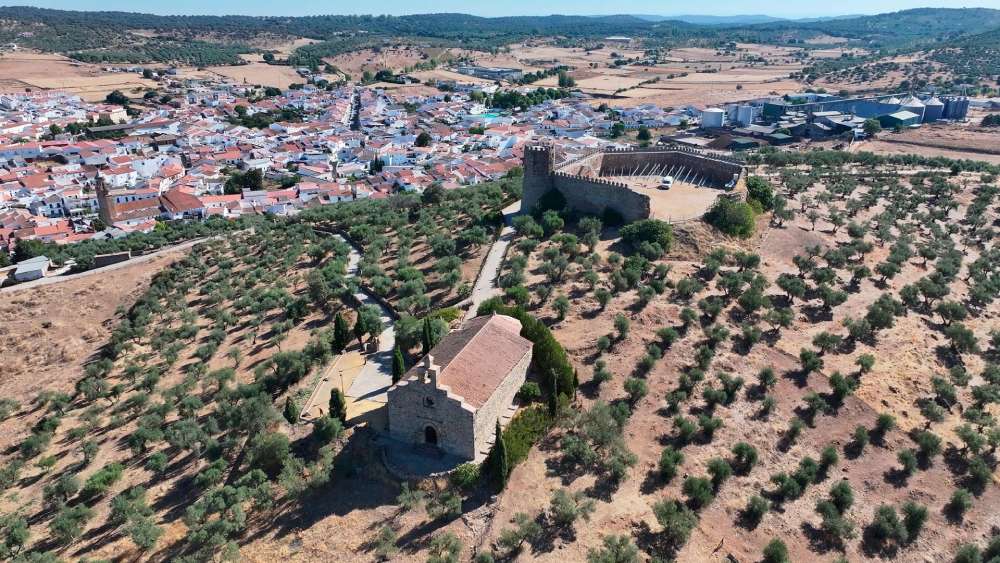
Castle of Alanís
A castle on the defensive line, which protected the northern border of the Kingdom of Seville. It consists of an irregular hexagonal enclosure with a tower and a barbican. It was built in the late 14th century – the period to which most of the building dates – but the tower chamber and the double-flight staircase were added during the second half of the 15th century.
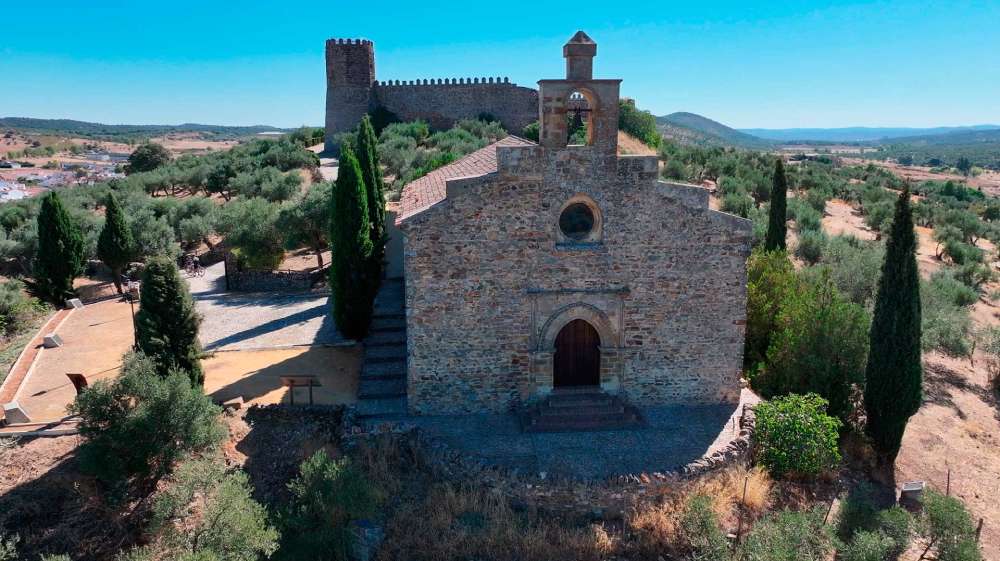
Hermitage of San Juan Bautista
The Hermitage of San Juan, located on the hill of the castle of Alanís, was probably the first parish church in the town, with architecture dating from the 14th or 15th century. This Mudejar building with a single nave and decorated doorways housed sculptures and a mural of the Baptism of Christ, although many pieces disappeared in 1936. After its deterioration at the end of the 20th century, it was refurbished and is now used for civilian purposes.
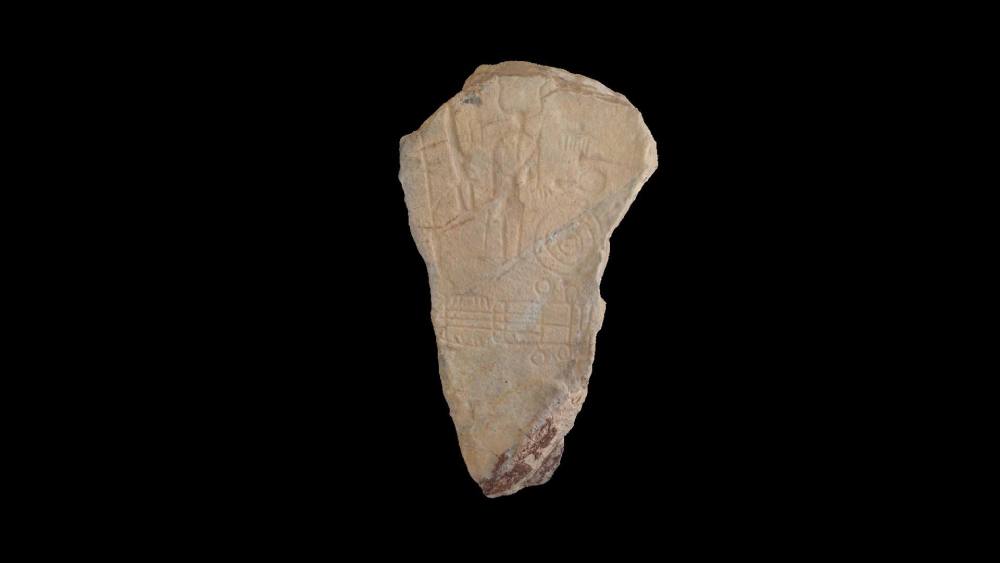
Museo Histórico Municipal de Écija
The Municipal Historical Museum of Ecija, located in the Benamejí Palace, offers a journey through the history of the city, from Prehistoric times to the Modern Age, highlighting its Roman and Andalusian past. Among its most important pieces are the Wounded Amazon and a rich collection of mosaics and archaeological artefacts that reflect the importance of Ecija in the Roman province of Baetica.
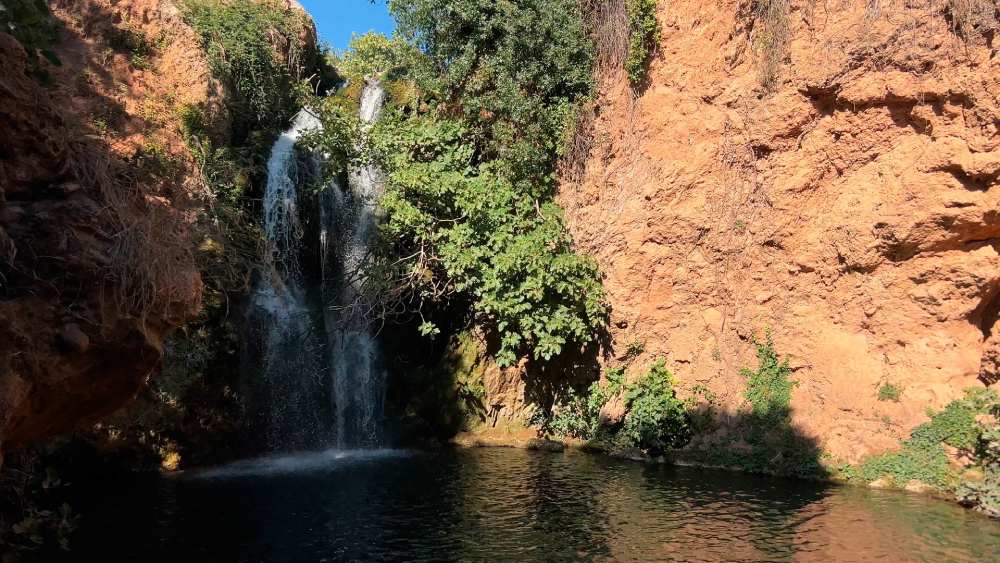
Huéznar Falls
In the heart of the Sierra Norte of Seville, the Huéznar River cascades down in impressive waterfalls that form the Cascades de Huéznar.
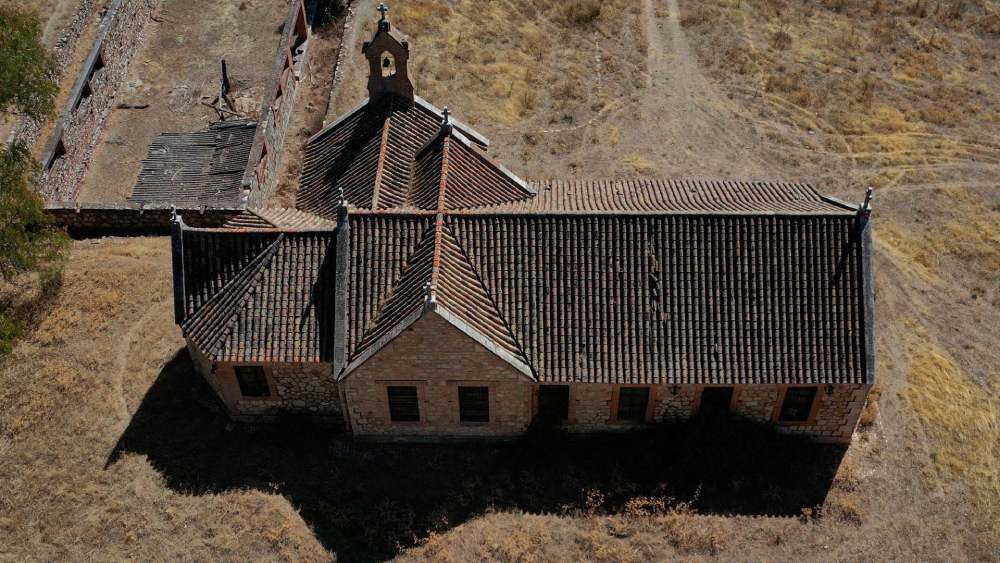
Cerro del Hierro
Cerro del Hierro, in Seville's Sierra Morena, is a unique landscape that combines karst rock formations with a rich mining heritage, where iron has been mined since pre-Roman times. Today, this former centre of industrial activity is a protected natural area that attracts hikers and geology lovers, offering a fascinating blend of history and nature.
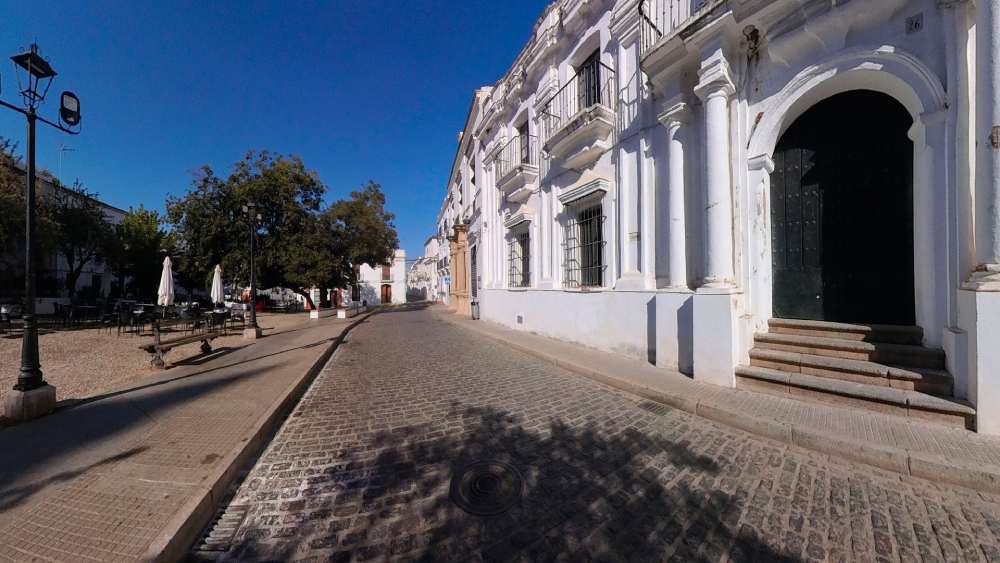
Plaza Mayor
Located in the north of the province of Seville, Cazalla de la Sierra lies within the Sierra Morena Natural Park, an area of great natural and historical value. The origins of the urban centre date back at least to Roman times, the period when the first documented archaeological remains date from. With a richly preserved architectural heritage, the historic centre of Cazalla de la Sierra has been declared an Asset of Cultural Interest for its beauty and monumentality.
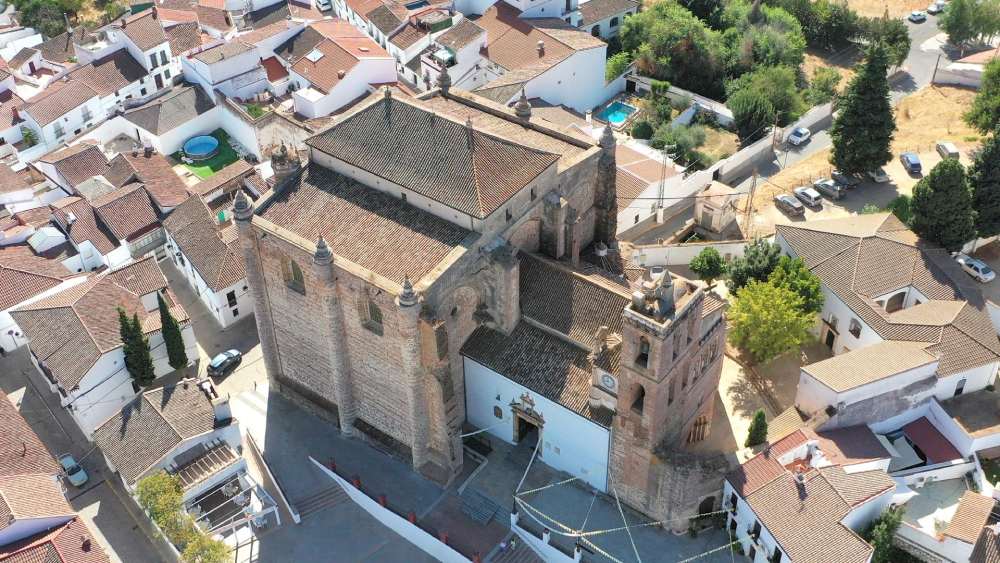
Church of Nuestra Señora de Consolación
The parish church of Nuestra Señora de la Consolación is located in the highest and oldest part of Cazalla de la Sierra, occupying one of the sides of the Plaza Mayor, in which it stands out for its sober monumentality, rising above the town like a compact but heterogeneous bastion.
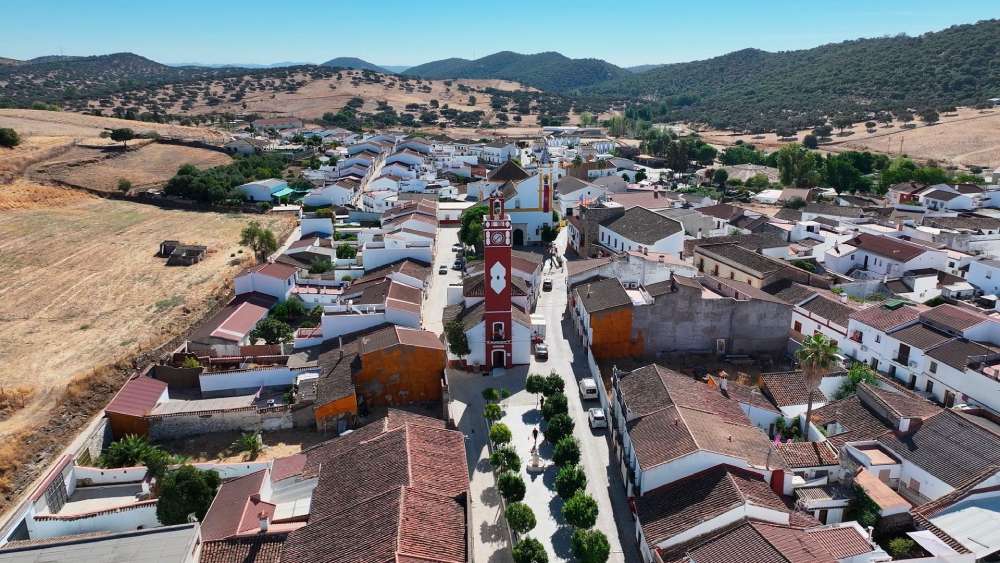
Castillo y Torre del Reloj
The castle of Almadén de la Plata, built in the 14th century on the site of a Roman fort from the 1st century AD, had defensive functions on the Silver Route and against Portugal as part of the Galician Band. Although much of it was lost in the 18th and 20th centuries, in 1997 it was partially rebuilt to house the current Town Hall. Nearby, the Clock Tower, erected in 1905 on the site of the old Hospital de los Angeles, still marks the hours in the Plaza del Reloj.
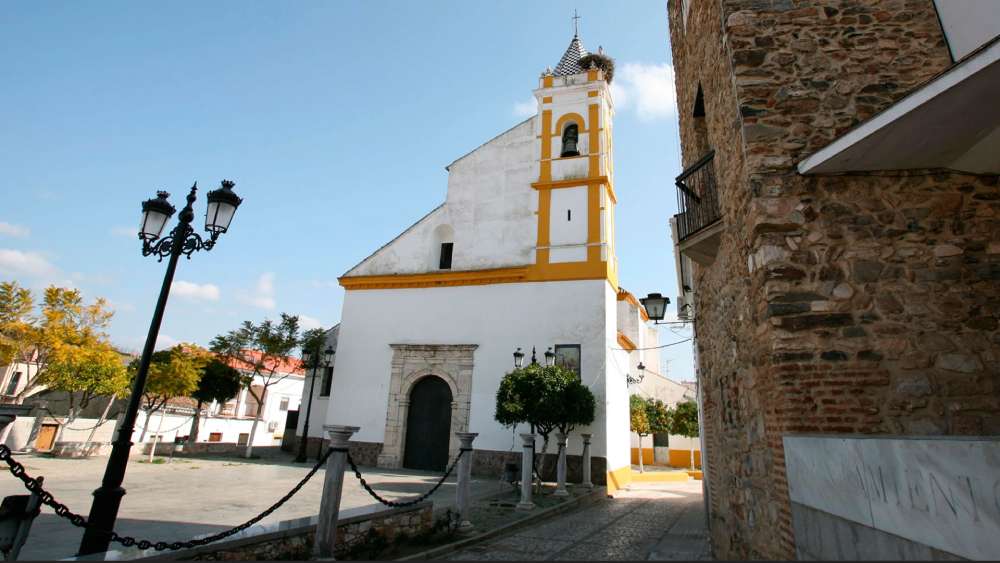
Church of Nuestra Señora de Gracia
The parish church of Santa María de Gracia is located in the heart of the historic center of Almadén de la Plata, very close to what was once the medieval castle and is now the seat of the Town Hall. In front of its main façade, a wide square opens up, allowing for a full view of the church, with its slender tower standing out.
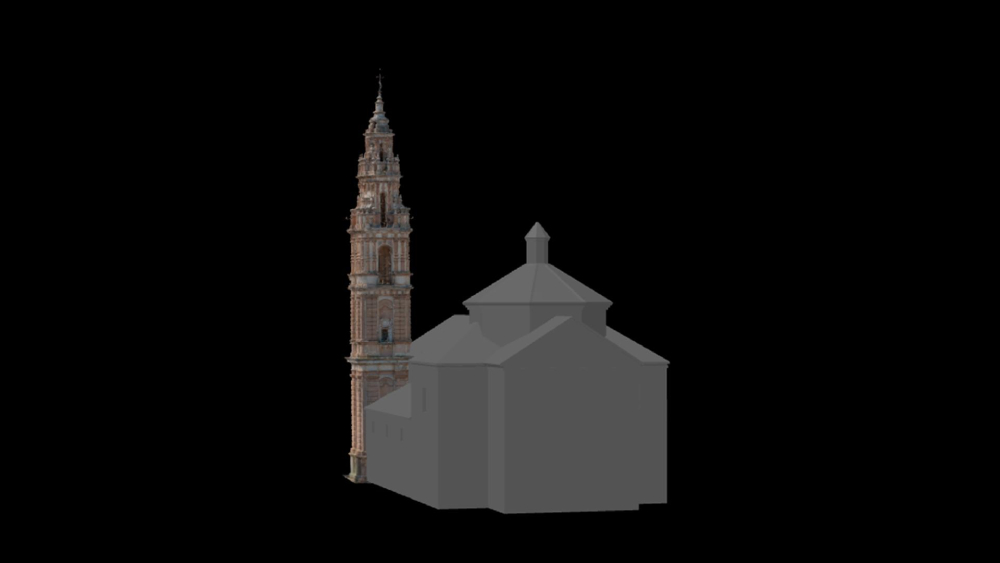
Old church of Nuestra Señora de la Victoria
The church of La Victoria de Estepa was part of the convent of the Padres Mínimos. Partially demolished, it still conserves parts of the wall and the tower. Also the doorway, which is located in another church in the town.
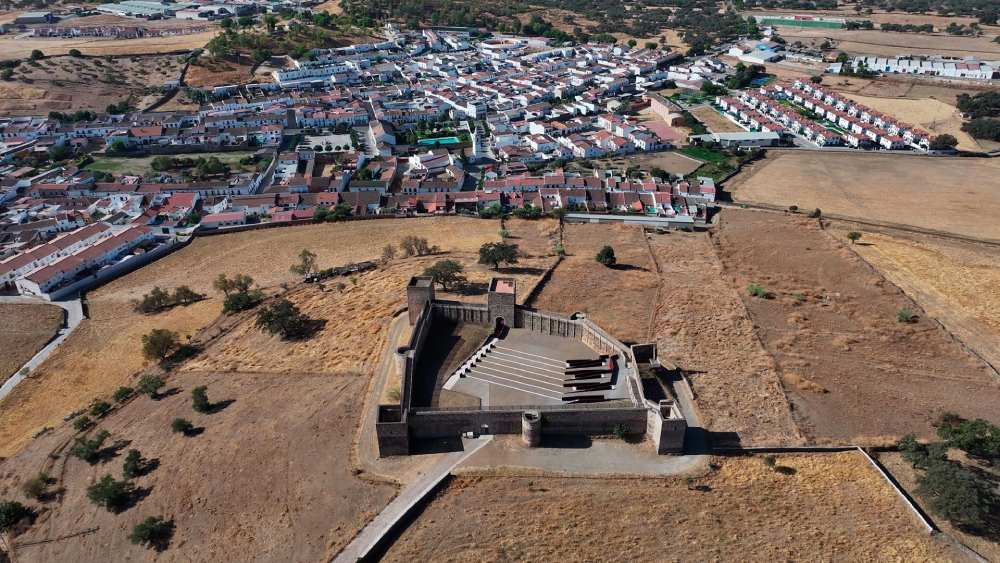
Castle of El Real de la Jara
The Castle of Real de la Jara, built in the 14th century, is strategically located on a hill to control the Vía de la Plata and defend the Seville district against Portugal. Its semi-drangular masonry enclosure has eight towers, two gates (a main gate in the keep and an escape gate) and a parade ground with a cistern.
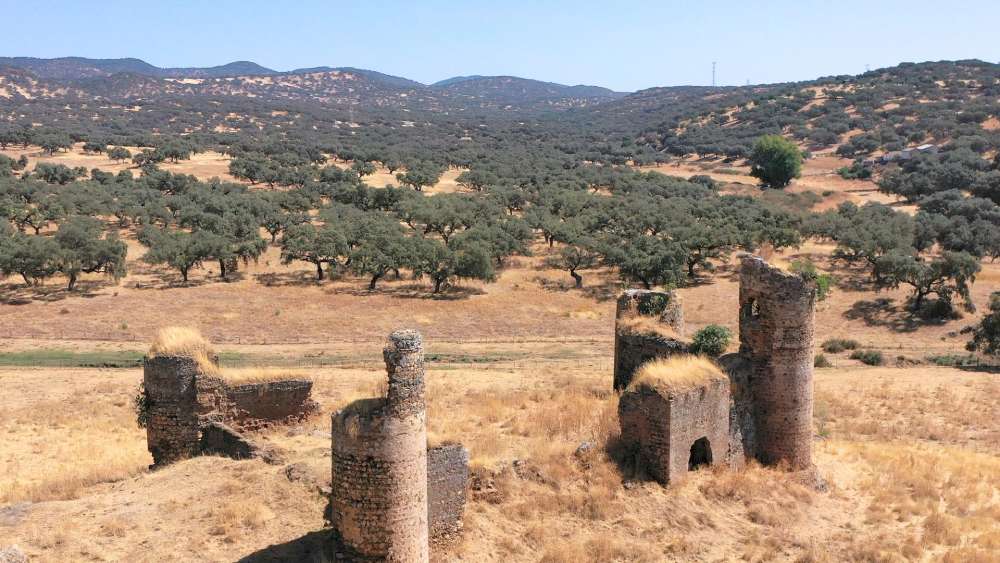
Trekking route
El Real de la Jara, in the Sierra Morena mountains of Seville, is an ideal destination for hiking enthusiasts, with routes that cross pastures, streams and unique natural landscapes. Its main routes include the Batrocal Way, the La Lobera Geo-Route and the Rivera del Cala Route, ideal for enjoying the tranquillity and beauty of the surroundings.
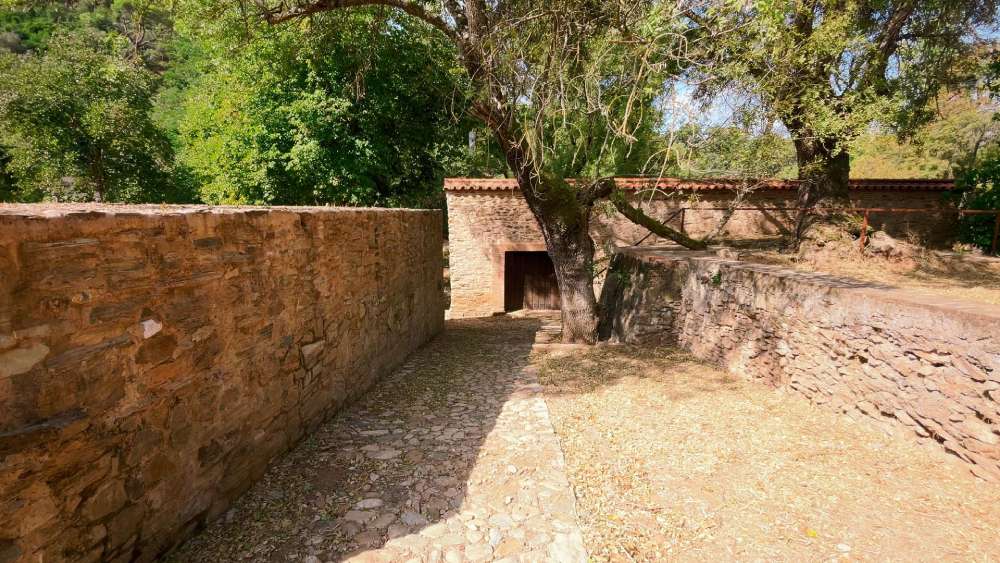
The Ciudadeja Mills Route
The "Los Molinos del Ciudadeja" trail combines history and nature, crossing landscapes of pastures, Mediterranean forests and old hydraulic mills. This circular trail, full of biodiversity, invites you to explore from the Hermitage of Nuestra Señora de Belén to the emblematic Molino del Francés, in an environment that intertwines the historical legacy with the natural beauty of the region.
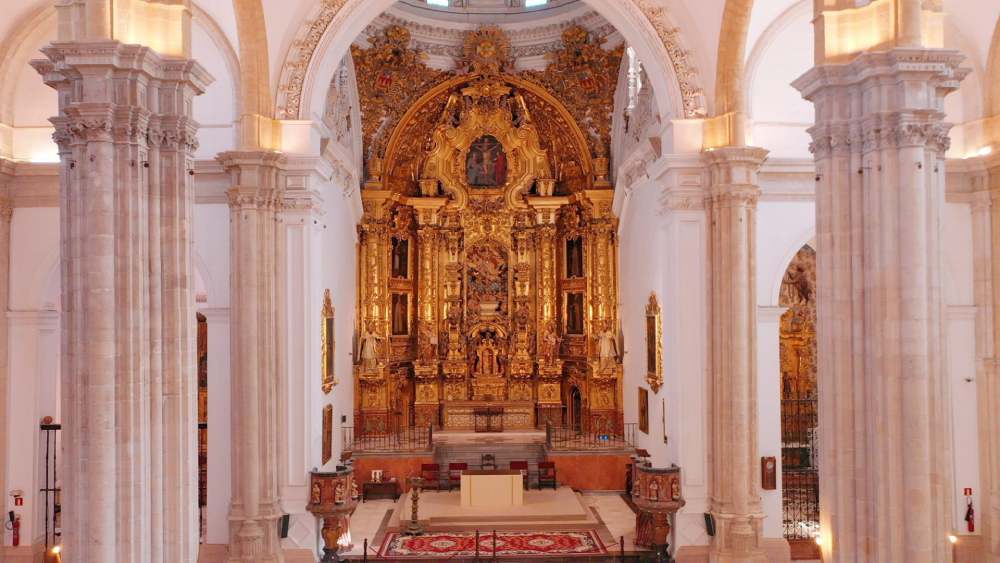
Colegiata de Osuna
The Collegiate Church of Santa María de la Asunción de Osuna, founded in 1526, is a Renaissance temple with a rectangular floor plan and three naves, with a bell tower that was rebuilt after a lightning strike in 1918. Inside, there are chapels with ribbed vaults and a presbytery with a dome added in the 18th century. It houses the Ducal Pantheon, a Plateresque style complex that includes chapels and rooms, transformed in the 20th century by the architect Jacomo Gali.